By Crystal Cassandra · Updated August 3, 2026
Crystal Healing Expert
What is a cluster crystal?
A crystal cluster is a natural formation of many crystal points growing together from a shared rock matrix, with no carving involved. In traditional crystal-healing practice, clusters are used to diffuse and refresh the energy of a whole room because the many points broadcast in many directions at once. They are the most-recommended form for ongoing room-cleansing work.
Key Takeaways
- Clusters are natural multi-point formations; nothing is carved, only the matrix may be trimmed.
- Many points means many broadcast directions; the cluster diffuses rather than aims.
- Judy Hall recommends clusters as the classical room-cleansing and amplification form.
- Best for living-room and altar placement where you want the energy of the space lifted and circulated.
- Amethyst, clear quartz, citrine, and smoky quartz clusters are the most-loved in the classical literature.
What is a cluster crystal?
A crystal cluster is a natural mineral specimen in which many single-terminated crystal points have grown together from a common rock matrix. Unlike a tower or a sphere, the cluster is not carved at all (or only the base matrix may be sawn flat for stability); the points are exactly as they formed in a vug or cavity in the parent rock. This is why no two clusters are identical, and why they read as much wilder than any polished form.
Clusters form when mineral-rich solution slowly fills a void in rock over thousands of years, depositing crystals on the cavity walls. Each point grew at its own angle, with its own size and clarity, in conversation with the points around it. A premium cluster has many well-formed points, minimal damaged tips, and an intact matrix; budget clusters may have some broken or chipped points. The classical recommendation in Judy Hall's tradition is to choose for the gestalt of the piece rather than for any single perfect point.
Clusters appear in many crystal species, but the most-loved are amethyst clusters (often from Brazil or Uruguay), clear-quartz clusters (Arkansas and Brazil), smoky-quartz clusters (Brazil, Madagascar), citrine clusters (natural citrine from Africa, or heat-treated amethyst from Brazil, which sellers must disclose), and pyrite clusters (Peru, Spain). Sizes range from small palm-sized clusters to substantial altar pieces of a kilo or more.
Traditional energetic use
Judy Hall in The Crystal Bible (2003) describes clusters as the natural diffusers of crystal practice. Where a tower aims and a sphere broadcasts evenly, the cluster broadcasts in many directions at once, because many points are doing the work simultaneously. This makes the cluster the classical room-cleansing form; place an amethyst cluster in a living room or office and the energy of the space lifts and circulates within days.
Robert Simmons in The Book of Stones (2015) notes that clusters are also used as cleansing stations for smaller crystals. Place tumbled stones, jewellery, or palm stones on an amethyst or clear-quartz cluster overnight and they are refreshed by morning. This is the same principle as a selenite plate, with the additional quality that the cluster also does its own work in the room.
In my practice with clients, I recommend a cluster as the centerpiece of any home crystal practice. A medium amethyst cluster in the living room, a smaller clear-quartz cluster on the desk or beside the computer, and a citrine cluster near the front entry: that is the classical Cassandra layout, and it carries a room through years of use. Clusters work in the background; you do not have to do anything except dust them.
How to use a cluster crystal
The ritual below is the one Cassandra uses in her own practice and recommends to clients new to working with this form. It takes about ten minutes and can be repeated as a weekly or monthly working.
- 1
Choose by the whole, not the parts
When choosing a cluster, look at it as a whole rather than counting perfect points. A cluster with thirty points and four chipped tips can still be a beautiful piece if the overall geometry sings. Hold it in cupped hands if possible, and notice whether you want to keep holding it. Avoid clusters where the matrix is unstable (points should not feel loose) and clusters with significant dye (look at the base).
- 2
Place in the center of a shared space
Set the cluster on a coffee table, sideboard, or mantle in a room that needs refreshing. The classical placement for an amethyst cluster is a living room or meditation space; for citrine, a workspace or entry; for clear quartz, anywhere. The cluster works without further input; it broadcasts and diffuses through ambient presence.
- 3
Use it as a cleansing station for smaller stones
Place tumbled stones, palm stones, jewellery, or worry stones on the cluster overnight. By morning they have been refreshed by the broadcast. This is one of the most useful practical uses of a cluster; many people maintain a small clear-quartz cluster on a dresser specifically as a nightly cleansing station for their daytime carry stones.
- 4
Touch one point as a focal practice
When you want a quick focused intention, choose a single point on the cluster (often the tallest or most central) and touch its apex with your fingertip. Speak the intention. The cluster as a whole holds the intention; the single point you touched becomes the speaker. This is the Judy Hall method for using a cluster for focused work as well as diffuse work.
- 5
Cleanse monthly with sound
Clusters work hard because they broadcast constantly; cleanse monthly with sound (a tingsha bell or singing bowl held near the cluster for thirty seconds). Avoid water for amethyst clusters with matrix (water can damage the matrix). Brief sun is fine for clear quartz and smoky quartz but avoid prolonged sun for amethyst and citrine, which can fade.
The best crystals to choose in cluster form
Not every crystal shines in every form. The stones below are traditionally chosen as clusters because the form amplifies the stone's qualities.
Shop crystal clusters
Cluster Bundle
Cluster Starter Trio
A curated trio of the stones Cassandra most often recommends in cluster form. Amethyst, Clear Quartz, and Citrine each suit this form for a distinct reason, so the set covers the most-loved uses of the cluster at once.
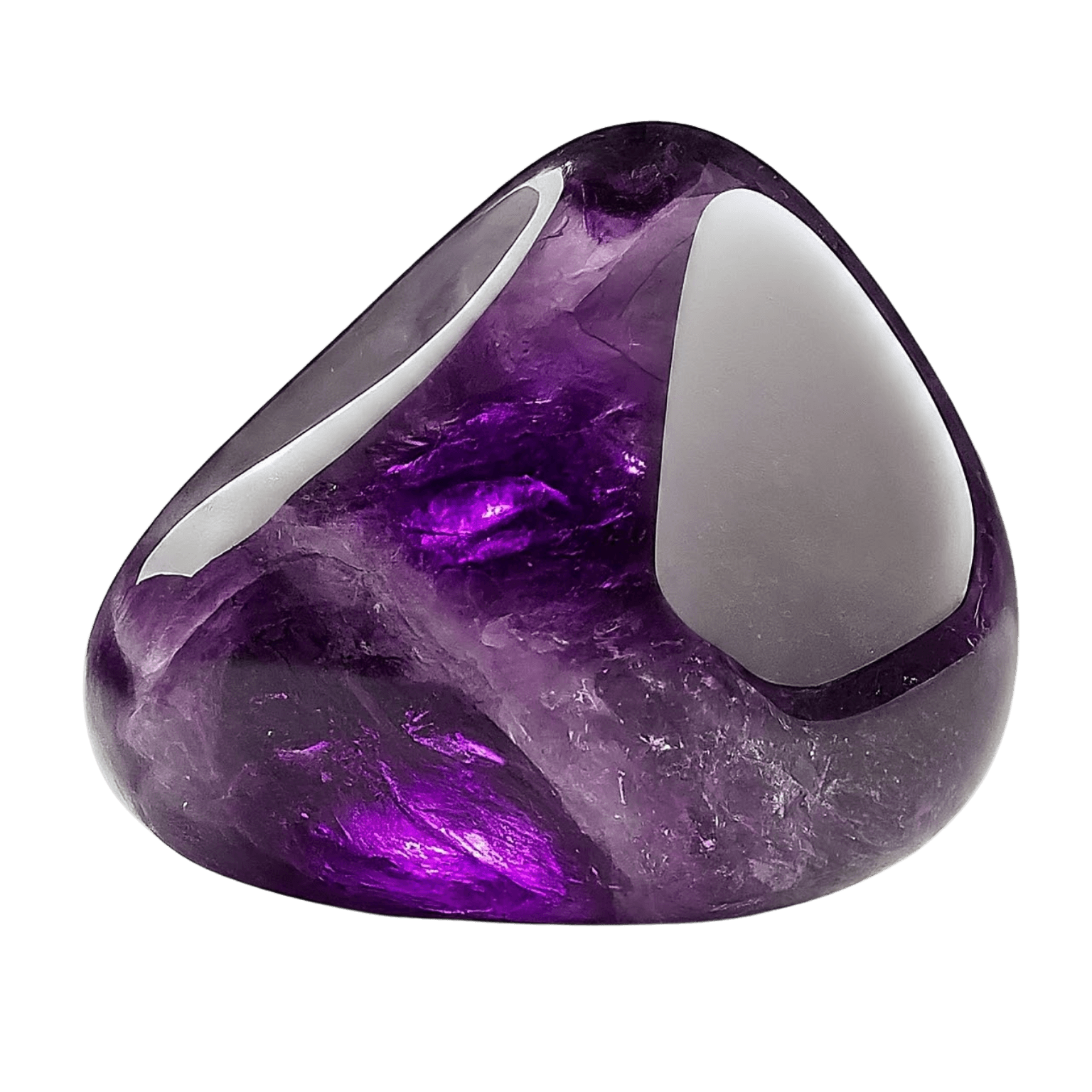
Amethyst
Primary stone
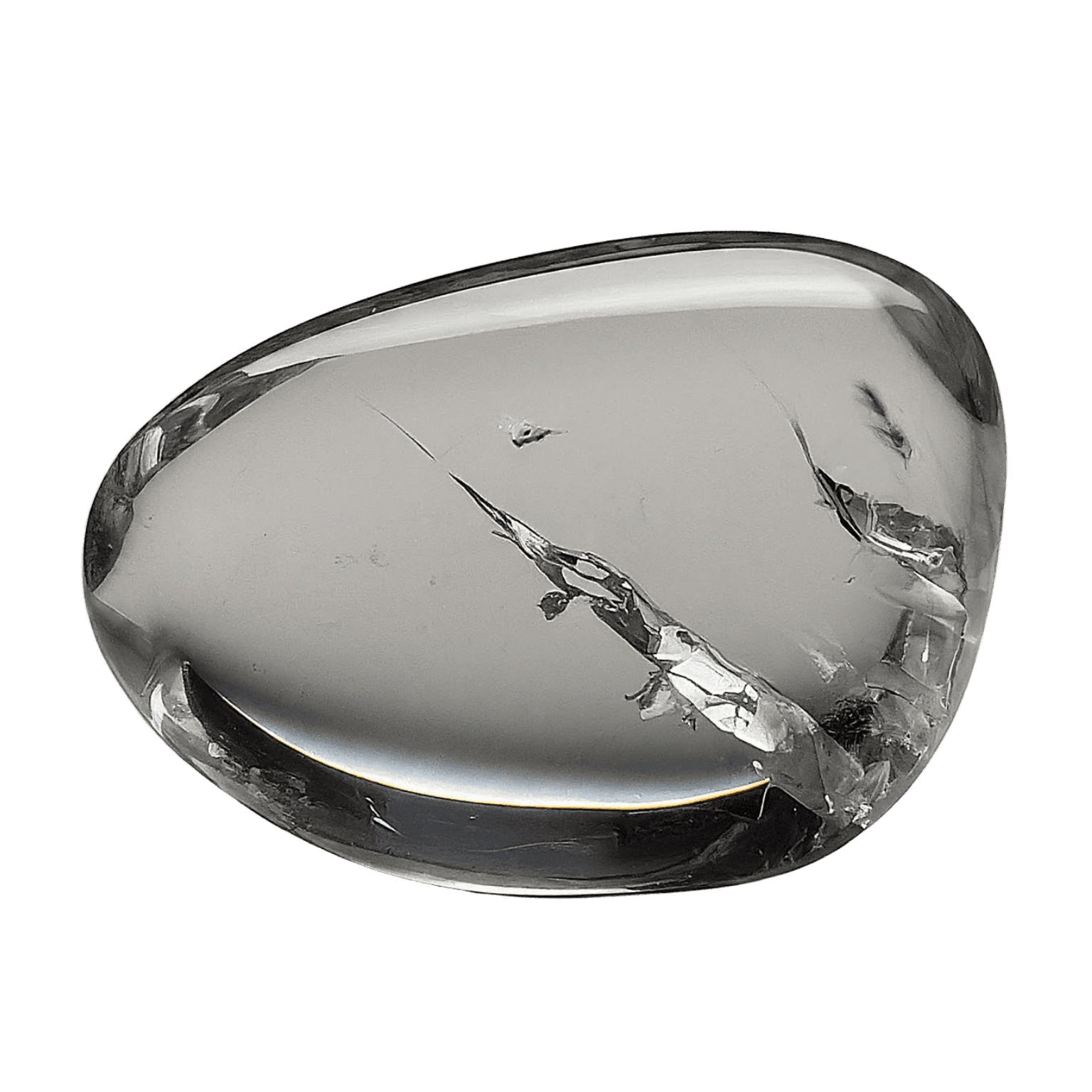
Clear Quartz
Supporting stone
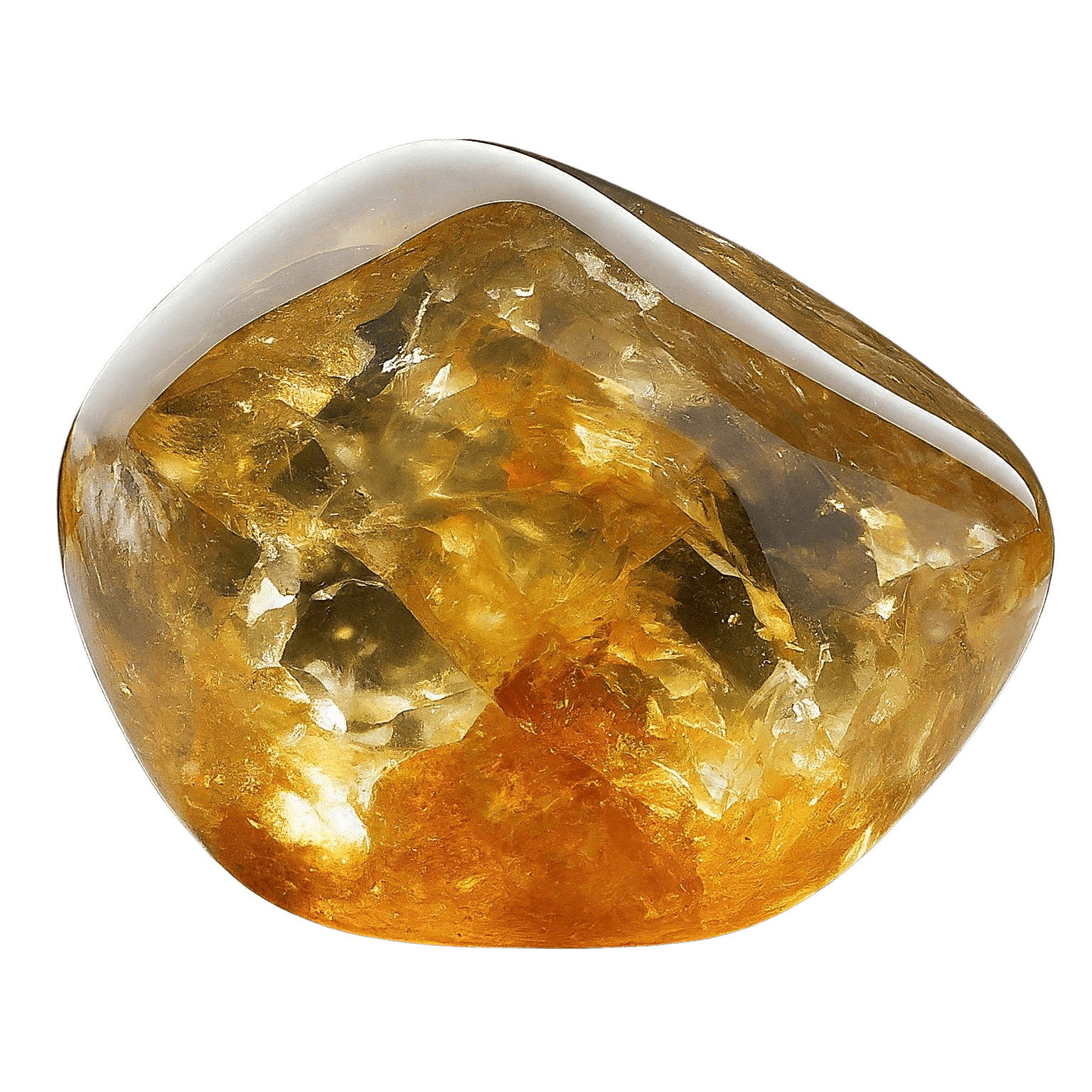
Citrine
Anchoring stone
This kit is being assembled. Join the waitlist and Cassandra will email you the moment it ships.
Pair crystal clusters with these intentions
In traditional crystal-healing practice, the form of the stone shapes how the energy moves. Crystal Clusters are most commonly paired with the following intentions.
Explore other crystal forms
Frequently asked questions
What is the difference between a cluster and a geode?
A cluster is an exposed face of crystal points; you see the full geometry of the points from the outside. A geode is a hollow stone with crystals growing inward on the inside of a shell; you see the points only when the geode is cracked open or sliced. All geodes contain a cluster (on the inside surface), but not all clusters were geodes. The cluster is the open, exposed form; the geode is the cluster's hidden, sheltered cousin.
How big should my first crystal cluster be?
For a starter living-room cluster, 100mm to 200mm across is the most useful range; large enough to be a clear focal point on a coffee table or shelf, small enough to lift, cleanse, and reposition easily. Statement clusters of 300mm and up are powerful but heavy (often several kilos) and need a permanent home. For desk or altar use, a 60mm to 100mm cluster is plenty. Cassandra's note: start mid-size; you can always add more.
Are amethyst clusters bleached or dyed?
Most amethyst clusters sold today are natural; the colour is the result of iron impurities and natural irradiation over millions of years. However, some pale Brazilian amethyst is heated to deepen the colour, and some citrine clusters on the market are heat-treated amethyst (which sellers should disclose). True natural citrine is rarer and usually paler yellow than the orange Brazilian heat-treated citrine. Reputable sellers disclose treatments.
Can I use a cluster to cleanse other crystals?
Yes; this is one of the most useful practical functions of a cluster. Place tumbled stones, palm stones, worry stones, or jewellery on the cluster overnight and they are refreshed by the broadcast. Robert Simmons recommends clear-quartz and amethyst clusters specifically for this use. Selenite plates and clusters are interchangeable as cleansing stations; the cluster has the bonus that it also does its own work in the room.
What if my cluster has broken or chipped points?
Small chips on individual points are very common and do not significantly affect the cluster's function. Judy Hall describes a cluster as a community of points; one or two damaged tips do not silence the whole. If a major point breaks off, you can keep both pieces; the broken point can be used as a personal carry stone, and the cluster continues to function. A cluster with severe matrix damage (the points loosening from the rock) is best retired or repaired.
How do I cleanse a crystal cluster?
Cleansing is more important for clusters than for almost any other form because they broadcast constantly. Use sound (a tingsha bell or singing bowl held near the cluster for thirty seconds) as the universal safe method; this works monthly with normal use. Avoid water for amethyst clusters with matrix (the matrix can absorb water and crack), and avoid prolonged sun for amethyst and citrine. Brief moonlight on a full moon is the classical monthly cleanse in Cassandra's lineage.
Share Your Result
Vertical 9:16 format, perfect for Instagram Stories or TikTok. Opens in a new tab; long-press or right-click to save.
The Crystal Starter Library, free
Crystal Cassandra on choosing your first stones, keeping them safe, and building a practice around one intention rather than a shelf of good intentions.
We respect your inbox. Unsubscribe anytime.
Explore More Tools
Crystal Quiz
Find the right crystal for your energy.
Open →Crystal Care
How to cleanse and charge each crystal.
Open →Crystal Grid Designer
Build a sacred-geometry crystal grid.
Open →Crystals by Intention
Match crystals to what you need.
Open →Crystal Cleansing Guide
Every cleansing method explained.
Open →