By Crystal Cassandra · Updated August 3, 2026
Crystal Healing Expert
What is a sphere crystal?
In traditional crystal-healing practice, a crystal sphere radiates energy equally in all directions, which is why it is the classical choice for room-centering work. Spheres are carved from a single piece of stone and polished to reveal the crystal's true colour, inclusions, and clarity better than any other form.
Key Takeaways
- Spheres broadcast energy 360 degrees, making them the traditional choice for whole-room or whole-altar work.
- Because they are carved from a single intact section of crystal, spheres reveal natural inclusions, banding, and clarity with no faceting bias.
- Judy Hall describes the sphere as the form most associated with completeness and the cyclical nature of time.
- Clear quartz, rose quartz, amethyst, and selenite are the classical stones for sphere work because of their gentle, even broadcast.
- A sphere needs a stand or a cradle of soft cloth; never balance one on a hard, uneven surface where it can roll and chip.
What is a sphere crystal?
A crystal sphere is a single piece of stone shaped into a perfect ball and hand-polished until the surface reads as glass. The carving process removes a great deal of material, which is why spheres of premium grade are more expensive per gram than towers or tumbled stones from the same parent crystal. The sphere shape also exposes any inclusions, fractures, or rainbows hidden inside the rough; many lapidaries say the sphere is the most honest form because nothing can hide behind a flat face.
You will see spheres in sizes from about 25mm (palm-marble) up to softball or grapefruit scale for altar work. Smaller spheres are usually carved by hand on a sphere machine; larger ones are roughed on a saw, then sphered, then finished by hand. Look for an even sheen across the whole surface, no orange-peel pitting, and a colour that is consistent with the rough material rather than dyed.
The sphere has appeared in spiritual practice across many traditions, from Roman scrying balls of clear quartz, to Chinese and Japanese decorative crystal balls, to the modern crystal-healing repertoire popularised in the West through Melody and Judy Hall. In all of these contexts, the round form is associated with wholeness, the heavenly sphere, and the unity of an object that has no beginning and no end.
Traditional energetic use
Judy Hall, in The Crystal Bible (2003), describes the sphere as the most balanced of all crystal forms because the energy moves outward equally in every direction with no preferred axis. Where a tower channels and a cluster diffuses, the sphere radiates. Many people find that placing a sphere in the geographic center of a living room creates a sense of settled atmosphere within minutes; the room feels held.
Robert Simmons and Naisha Ahsian, in The Book of Stones (2015), note that spheres are the traditional vessel for scrying because the unbroken curve invites the eye to soften and the mind to drift. Hold a clear quartz sphere about a forearm's length from your face, let your gaze fall into the inclusions and rainbows, and notice what arises. This is not prediction but reflection; the sphere acts as a mirror for whatever the inner mind is already turning over.
In my practice with clients, I find spheres most useful for shared spaces and for meditations where the goal is settling rather than focusing. A rose-quartz sphere on the bedroom dresser steeps the room in soft heart energy. A black-tourmaline sphere near a front door creates a protective center. The sphere does not point at anything; it simply is, and that quality of even, unhurried presence is what makes it so well-loved.
How to use a sphere crystal
The ritual below is the one Cassandra uses in her own practice and recommends to clients new to working with this form. It takes about ten minutes and can be repeated as a weekly or monthly working.
- 1
Cradle it first
Before placing your sphere on a stand, hold it in cupped hands for a slow minute. Notice the weight, the perfect cool curve, the way the light moves through it. This first contact is the introduction; it lets you meet the stone before you ask anything of it.
- 2
Choose the center of the space
Place the sphere at the energetic center of the room you want to settle: the coffee table in a living room, the center of an altar, the bedside table closest to the head of the bed. The sphere broadcasts in every direction, so its position matters more than its orientation.
- 3
Set a soft intention
Touch the sphere with two fingers and name what you want the room to hold: rest, welcome, focus, repair. The intention does not have to be elaborate; the sphere is patient and works at the pace of the room, not at the pace of the urgent mind.
- 4
Use it for scrying or soft-gaze meditation
Sit with the sphere a forearm's length from your face in low, even light. Let your gaze rest on the inclusions and rainbows without trying to focus. After three or four minutes, the mind softens and images, words, or felt-senses can drift up. Note them without judgement.
- 5
Cleanse with sound or breath
Spheres pick up the atmosphere of a room over time. Once a week, cleanse with a tingsha bell, a tuning fork, or a long focused breath across the surface. Avoid prolonged sunlight for amethyst, rose quartz, and natural citrine spheres, which can fade.
The best crystals to choose in sphere form
Not every crystal shines in every form. The stones below are traditionally chosen as spheres because the form amplifies the stone's qualities.
Shop crystal spheres
Sphere Bundle
Sphere Starter Trio
A curated trio of the stones Cassandra most often recommends in sphere form. Clear Quartz, Rose Quartz, and Amethyst each suit this form for a distinct reason, so the set covers the most-loved uses of the sphere at once.
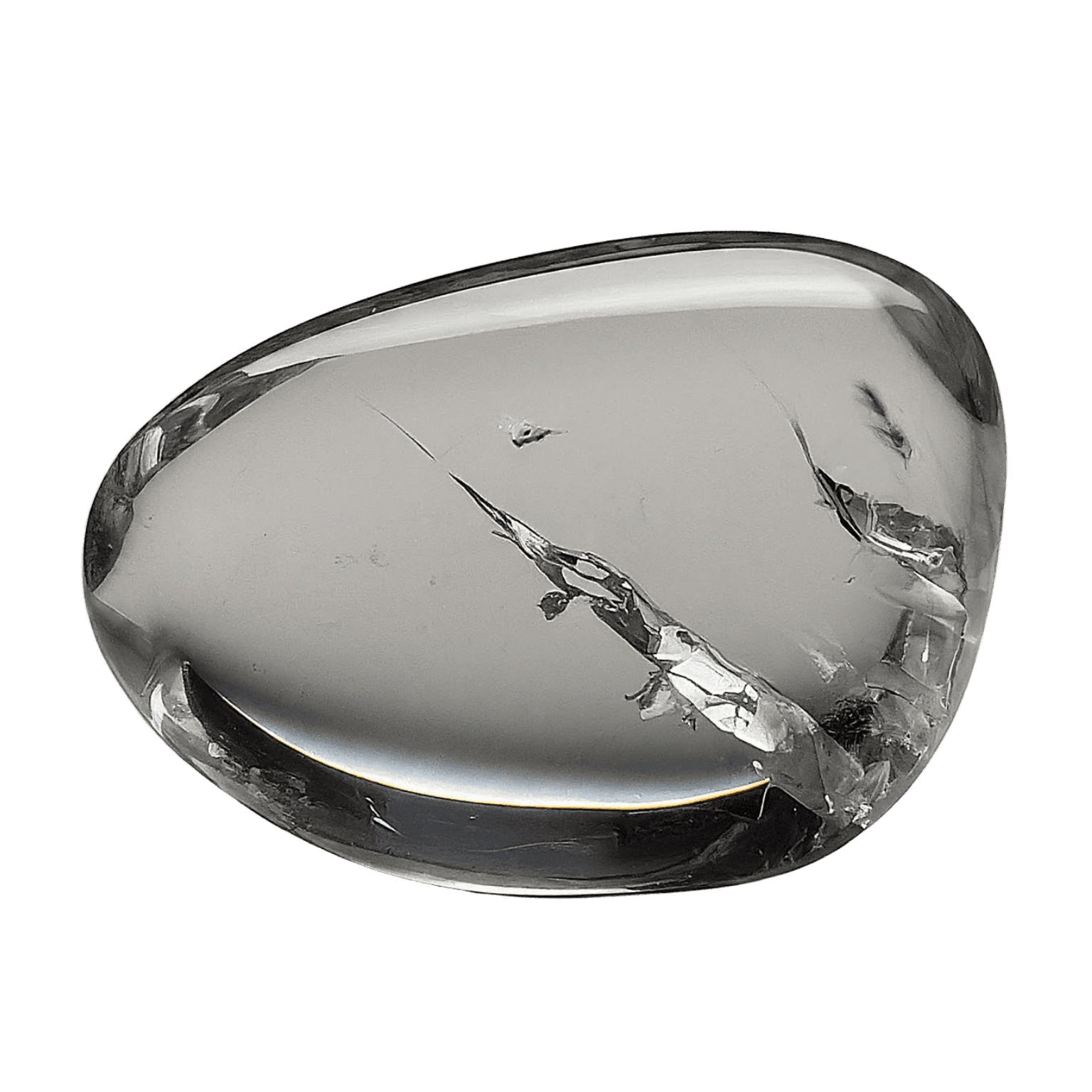
Clear Quartz
Primary stone
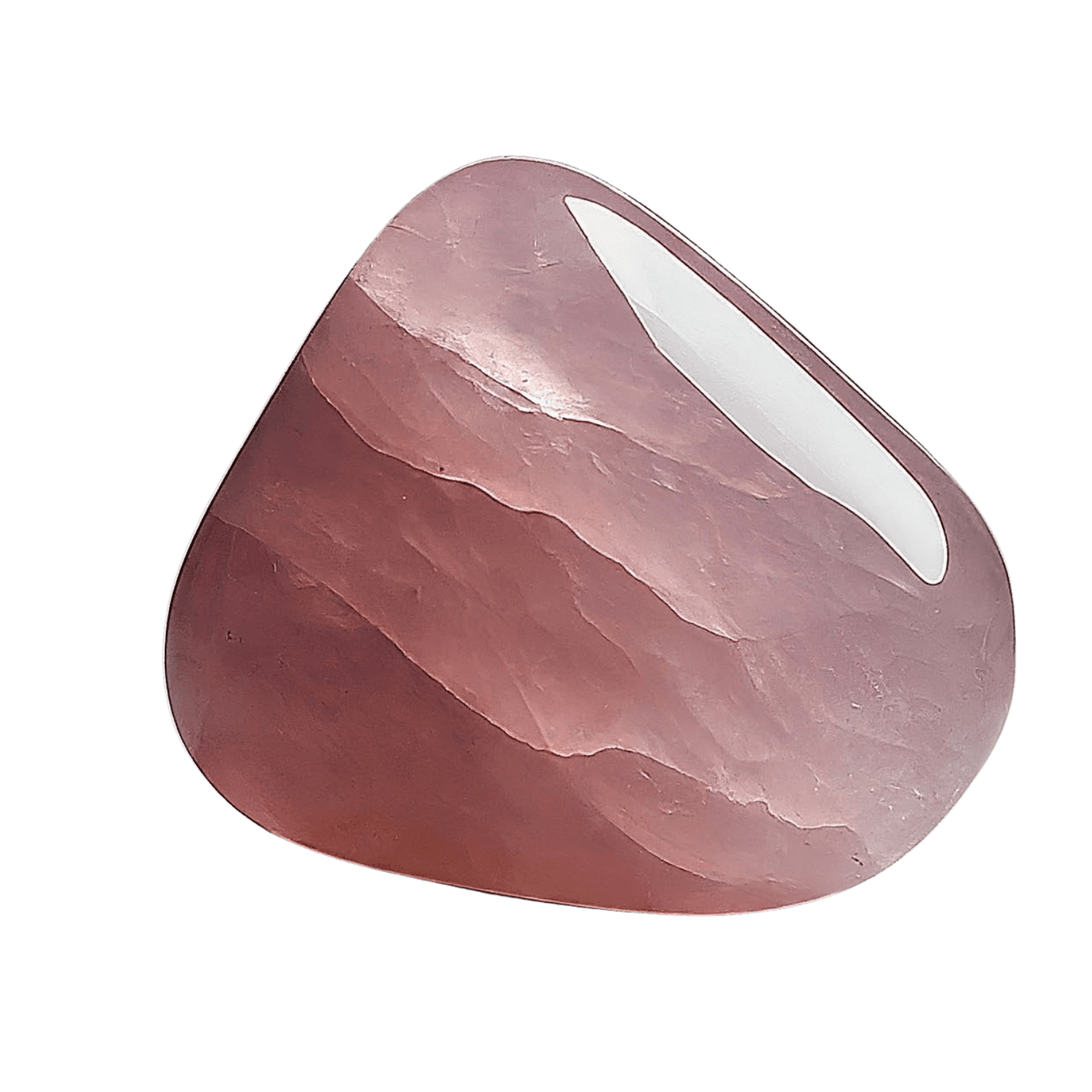
Rose Quartz
Supporting stone
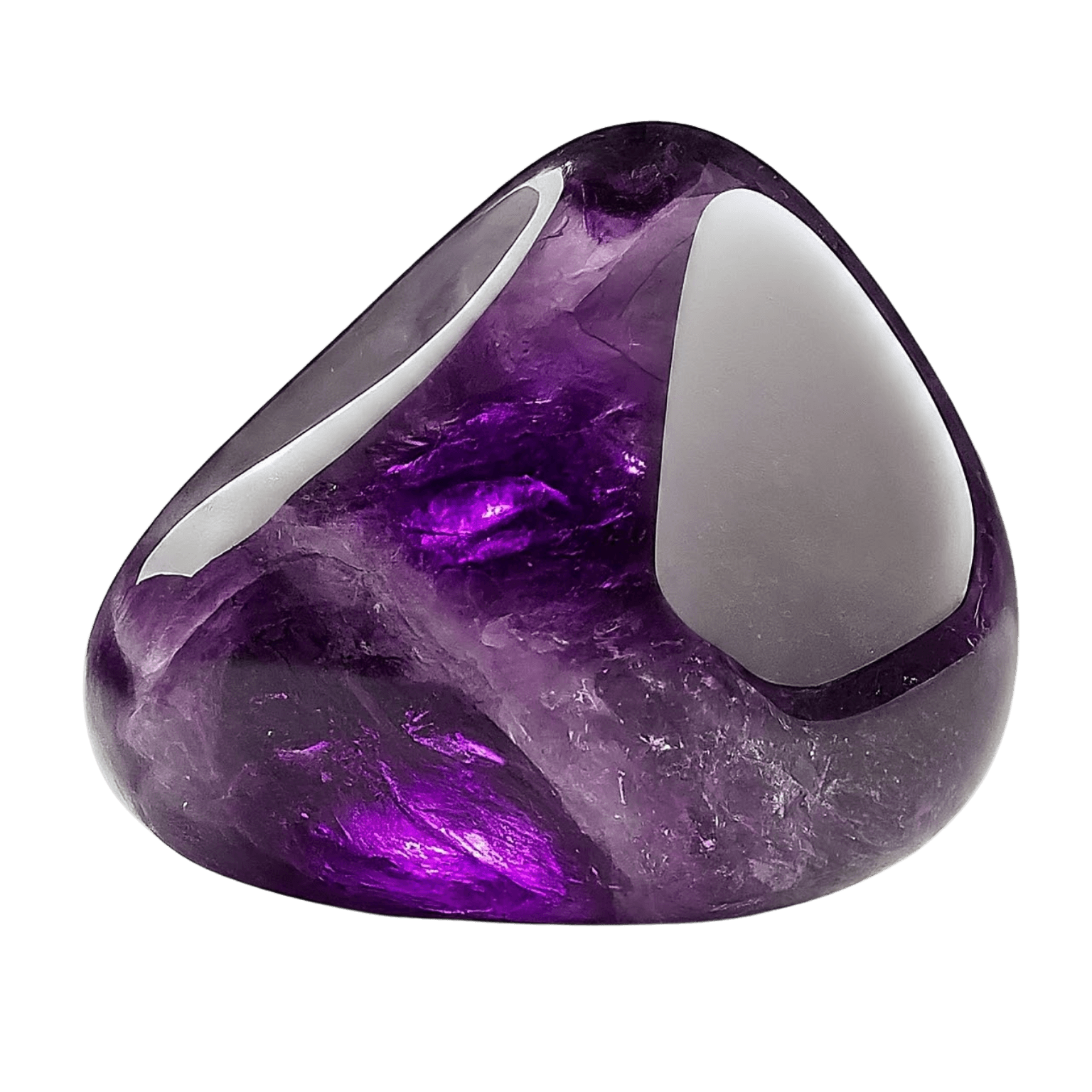
Amethyst
Anchoring stone
This kit is being assembled. Join the waitlist and Cassandra will email you the moment it ships.
Pair crystal spheres with these intentions
In traditional crystal-healing practice, the form of the stone shapes how the energy moves. Crystal Spheres are most commonly paired with the following intentions.
Explore other crystal forms
Frequently asked questions
What is a crystal sphere used for?
In traditional crystal-healing practice, spheres are used for room-centering, scrying, and meditation. Because the sphere has no point or face, its energy is described as radiating equally in every direction, which is why Judy Hall recommends it for the heart of a room or altar. Many people find that simply placing a sphere on a side table changes the felt-sense of the space within a few days; the room reads as quieter and more settled.
How big should my first crystal sphere be?
For a starter piece, 40mm to 60mm is the sweet spot. That size fits comfortably in cupped hands, costs a fraction of a fist-sized sphere, and is large enough to anchor a small altar or bedside table. Save the larger spheres (80mm and up) for a dedicated room-centering placement once you know which crystal you want to commit to. Cassandra's note: hold the sphere before you buy if you can, and notice which one you are reluctant to set down.
Can I leave a crystal sphere in the sun?
Avoid prolonged direct sun for amethyst, rose quartz, natural citrine, fluorite, kunzite, and aquamarine spheres. Sunlight can fade these stones over weeks or months. Clear quartz, smoky quartz, and most agates and jaspers tolerate sun well. As a general rule, if a stone has a coloured tint that you love, treat it like dyed silk: indirect light is safer than a sunny windowsill.
How do I cleanse a crystal sphere?
The safest universal methods are sound (a tingsha bell, a tuning fork held near the surface, or a singing bowl), focused breath, or a few minutes on a selenite plate. Avoid water for selenite, halite, calcite, and malachite spheres. Robert Simmons recommends moonlight for emotional softening and brief morning sun for stones that tolerate it. Cleanse weekly with regular use, or whenever the sphere feels heavy in your hands.
What does it mean if my crystal sphere has rainbows inside?
Rainbows are tiny internal fractures that catch the light, called veils. In the classical crystal-healing literature, Melody describes rainbows as a sign of joy and renewal in the stone, while Judy Hall associates them with hope and the lifting of low mood. Mineralogically they are simply inclusions, but practitioners read them as a gift; many people specifically seek out spheres with strong rainbows for that reason.
Is a crystal sphere better than a tower for meditation?
They serve different intentions. A sphere is best for settling, for whole-room presence, and for soft-gaze scrying. A tower is best for directed focus, for grid corners, and for channelling a single clear intention. In my practice, I keep both within arm's reach and choose based on what the day calls for: sphere for steeping, tower for aiming. There is no hierarchy, only fit.
Share Your Result
Vertical 9:16 format, perfect for Instagram Stories or TikTok. Opens in a new tab; long-press or right-click to save.
The Crystal Starter Library, free
Crystal Cassandra on choosing your first stones, keeping them safe, and building a practice around one intention rather than a shelf of good intentions.
We respect your inbox. Unsubscribe anytime.
Explore More Tools
Crystal Quiz
Find the right crystal for your energy.
Open →Crystal Care
How to cleanse and charge each crystal.
Open →Crystal Grid Designer
Build a sacred-geometry crystal grid.
Open →Crystals by Intention
Match crystals to what you need.
Open →Crystal Cleansing Guide
Every cleansing method explained.
Open →