By Crystal Cassandra · Updated August 3, 2026
Crystal Healing Expert
What is a worry stone crystal?
A worry stone is a small, flat oval crystal carved with a thumb-shaped indentation on one face. In traditional crystal-healing practice, worry stones are used for anxious-hand soothing: the thumb rubs the dimple in a slow circular motion, which gives the hands a small repetitive anchor. The form is portable, discreet, and unmistakably tactile.
Key Takeaways
- Worry stones are small (typically 35mm to 45mm) flat ovals with a thumb-shaped dimple on one face.
- The dimple invites a slow circular rubbing motion that traditionally settles anxious hands and racing thought.
- The form has roots in many cultures: Greek komboloi, Irish smoothing stones, and Native American medicine stones share the same impulse.
- Best for pocket-carry through anxious moments: meetings, travel, difficult conversations, grief seasons.
- Rose quartz, lepidolite, amethyst, and sodalite are the classical worry-stone choices for emotional soothing.
What is a worry stone crystal?
A worry stone is a small flat oval of polished stone, about 35mm to 45mm on the long axis, with a shallow oval dimple carved into one face. The dimple is shaped to fit the pad of the thumb. You hold the stone between thumb and forefinger and rub the thumb in a slow circle inside the dimple. The motion is what gives the form its name; classically, the user rubs through whatever they are worrying about.
Worry stones are made from any opaque or semi-transparent crystal that takes a smooth polish. Rose quartz, sodalite, amethyst, lepidolite, and tigers-eye are the most common; jaspers and obsidian work well too. The dimple is carved by hand on a small grinding wheel, then polished until it reads silky to the thumb. The classical finish is a soft sheen rather than a glossy mirror; the slight matte texture grips better.
The worry stone has cross-cultural roots. The Greek komboloi (a string of beads rolled in the hand) and the Irish smoothing stone (a river pebble carried in the pocket and rubbed during prayer or thought) are kin to it. So are the Native American medicine stones described in Melody's Love is in the Earth (1995). The modern crystal worry stone is the carved mineral form of an ancient and very human gesture: when the mind is busy, give the hand something to do.
Traditional energetic use
Judy Hall in The Crystal Bible (2003) writes that the worry stone works on two levels at once. Tactilely, the repetitive thumb motion gives the hands a predictable, low-stakes occupation, which is why the form has been used for centuries to settle anxious moments. Energetically, in the classical crystal-healing reading, the stone absorbs the felt-charge of the worry into its body, and a periodic cleansing releases what has been collected.
Robert Simmons and Naisha Ahsian in The Book of Stones (2015) recommend worry stones specifically for transitional moments: the wait before a difficult appointment, the in-between of a long travel day, the quiet hour after bad news. The dimple becomes a small ritual space, and the circling thumb gives an unsettled hour exactly one simple, repeatable thing to do.
In my practice with clients, the worry stone is the form I most often suggest for high-anxiety days. It is smaller than a palm stone, more discreet (it tucks into a small pocket and is invisible from outside), and the dimple makes it almost impossible to use wrong. Many people find that after a few weeks, the simple act of reaching into a pocket and finding the dimple with the thumb is itself enough to mark the moment as a deliberate one. The stone has trained the hand.
How to use a worry stone crystal
The ritual below is the one Cassandra uses in her own practice and recommends to clients new to working with this form. It takes about ten minutes and can be repeated as a weekly or monthly working.
- 1
Find the dimple by feel
The first practice is to learn the stone by touch alone. With the worry stone in your pocket and your hand inside the pocket, find the dimple with your thumb. Most people do this within a few days. The point is that the stone becomes locatable without looking, so you can find it under a meeting table, on public transport, or in the dark before sleep.
- 2
Set a circle-direction
Choose one direction (clockwise for most right-handed users, counter-clockwise often feels natural for left-handed users) and use the same direction every time. Consistency matters because the body learns the gesture as a single repeatable action, not a varied one. Judy Hall's tradition associates clockwise motion with calming, counter-clockwise with releasing.
- 3
Pair with breath in difficult moments
When a worry rises, take the worry stone in hand. Let the thumb circle once on the way in and once on the way back, so the motion and the breath keep the same unhurried time. Carry on for as long as the moment asks. The combined breath-and-motion is the classical use, and it works because it gives the busy mind exactly one clear thing to do.
- 4
Use as a sleep anchor
Many people keep a lepidolite or amethyst worry stone on the bedside table for nights of restless thought. Holding the stone with thumb in the dimple under a pillow gives the hand a place to rest. Some carry it back into the day; some leave it bedside and use a different stone for daytime carry. Both work.
- 5
Cleanse after charged days
Worry stones absorb the felt-quality of the moments you used them in. After a particularly heavy day (grief, illness, conflict), cleanse the stone that evening: brief cool water for stones that tolerate it, or sound, breath, or a selenite plate for those that don't. The stone is often visibly more receptive after cleansing.
The best crystals to choose in worry stone form
Not every crystal shines in every form. The stones below are traditionally chosen as worry stones because the form amplifies the stone's qualities.
Shop worry stones
Worry Stone Bundle
Worry Stone Starter Trio
A curated trio of the stones Cassandra most often recommends in worry stone form. Rose Quartz, Lepidolite, and Amethyst each suit this form for a distinct reason, so the set covers the most-loved uses of the worry stone at once.
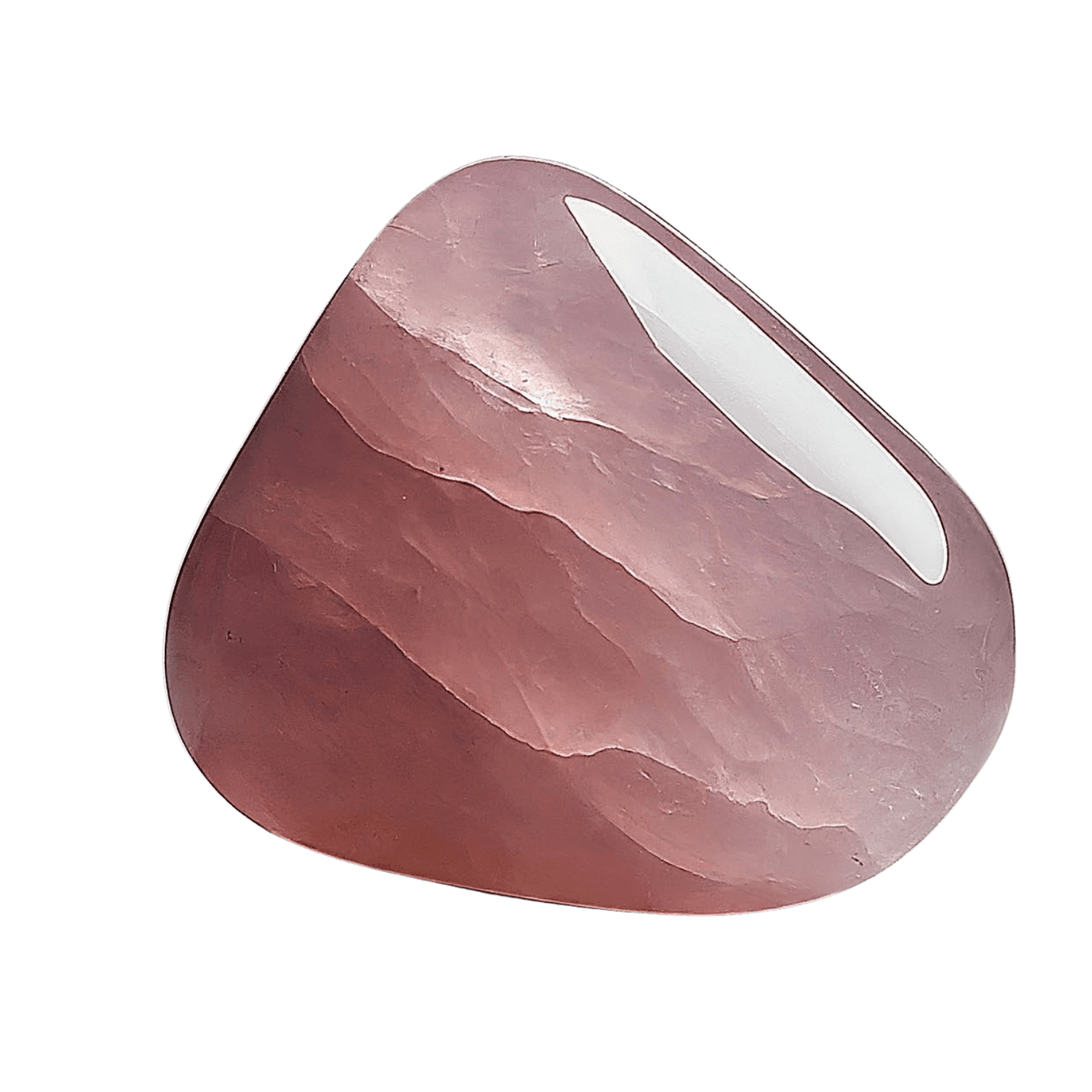
Rose Quartz
Primary stone
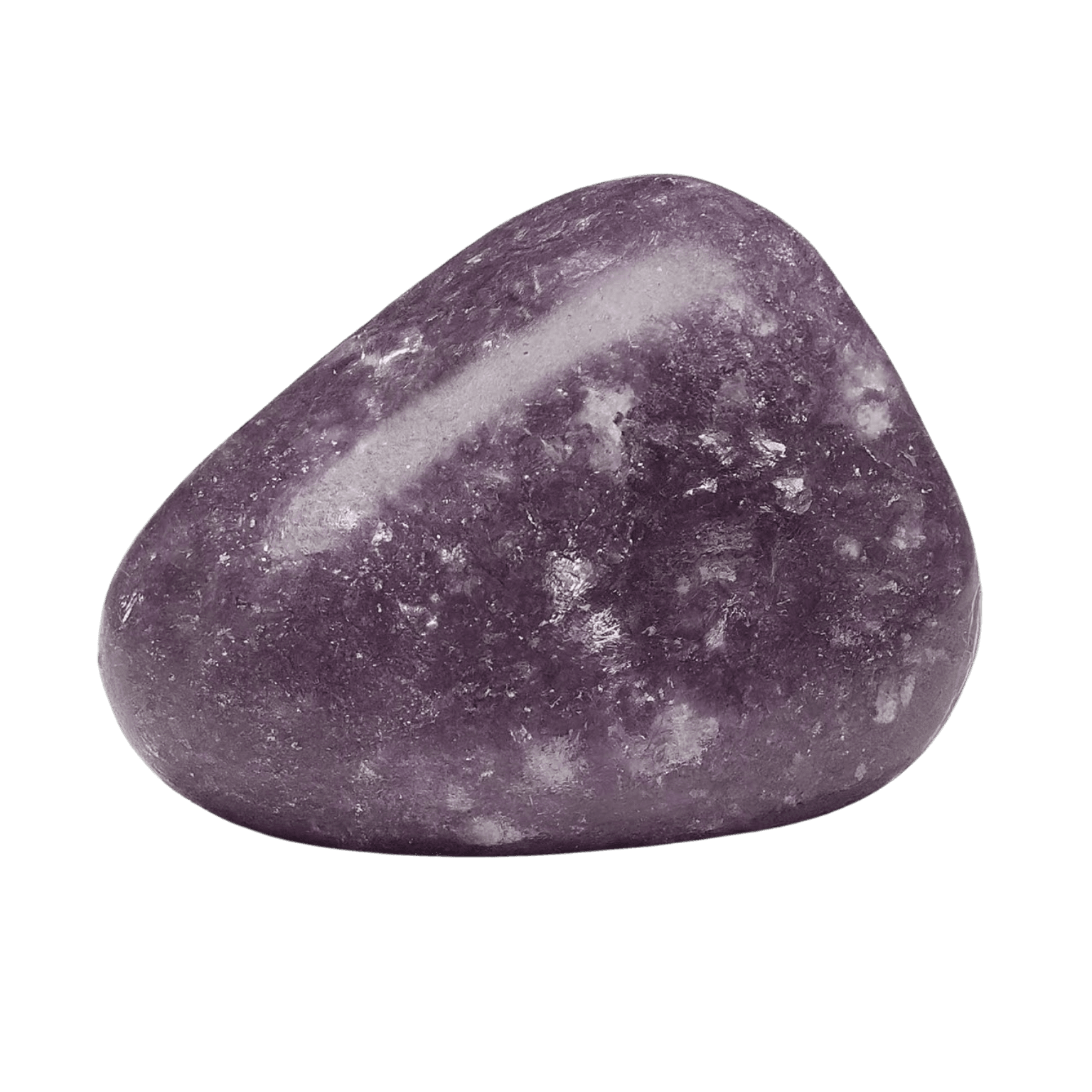
Lepidolite
Supporting stone
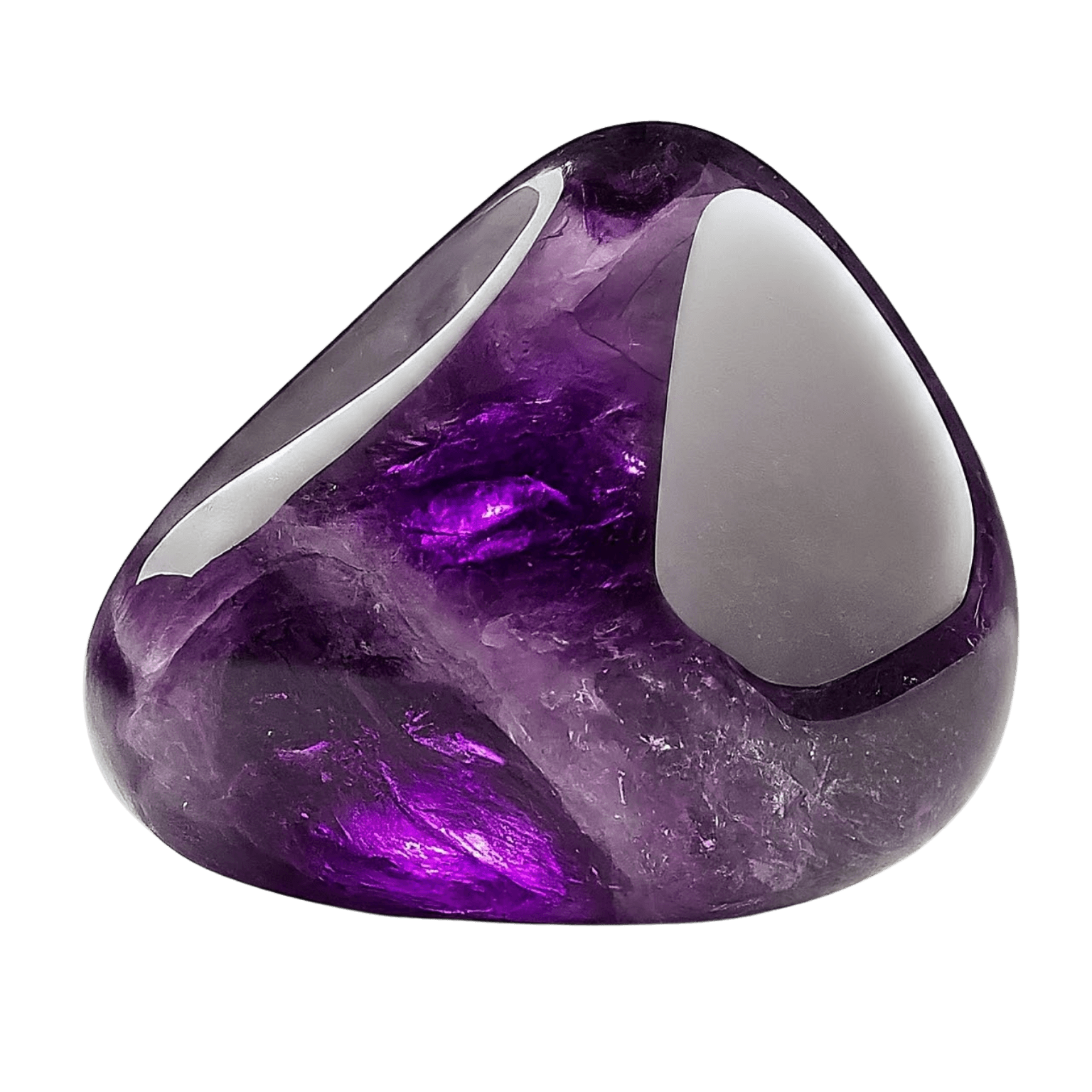
Amethyst
Anchoring stone
This kit is being assembled. Join the waitlist and Cassandra will email you the moment it ships.
Pair worry stones with these intentions
In traditional crystal-healing practice, the form of the stone shapes how the energy moves. Worry Stones are most commonly paired with the following intentions.
Explore other crystal forms
Frequently asked questions
How does a worry stone actually work?
Two layers. First, the repetitive thumb motion gives the hands a small, predictable occupation, which is well-documented to settle anxious arousal in the body (this is the same principle behind worry beads, prayer beads, and fidget tools generally). Second, in the classical crystal-healing reading, the stone is the partner in the gesture: it absorbs the felt-charge of the worry into its mineral body and asks to be cleansed periodically. You can hold either reading, or both.
Should I rub the stone clockwise or counter-clockwise?
Either works; consistency matters more than direction. Judy Hall's tradition associates clockwise motion with calming and energising what is already present, counter-clockwise with releasing what wants to leave. Many people use clockwise for a worry they are sitting with, and counter-clockwise after a difficult moment they are trying to release. Choose what feels intuitive, and use the same direction reliably.
Can a worry stone replace medical treatment for anxiety?
No. Worry stones are tools for self-soothing in everyday moments, not substitutes for medical, psychological, or pharmacological care. If your anxiety is interfering with daily life, please speak with a doctor or therapist. The worry stone can sit alongside professional care as a small supportive practice, the way a journal, a breathing exercise, or a walking habit can. Cassandra's lineage is clear that crystals support, never treat.
How long does a worry stone last?
Indefinitely with normal use. The stone may develop a slightly polished spot where the thumb has rubbed it most, often within a year of daily carry; many people consider this a beautiful patina rather than wear. If a worry stone chips or cracks, that is sometimes read in the classical tradition as the stone having completed its work; Judy Hall describes this gently and notes that the next stone often arrives on its own.
Can I have more than one worry stone?
Yes; many people keep one in a daytime pocket, one on the bedside table, and one in a travel bag. The stones can be matched (three rose quartz, for example) or specialised (lepidolite by the bed for sleep, sodalite in the briefcase for meetings, smoky quartz in the car for traffic). Trust which one your hand reaches for in a given moment; that is the right one for that moment.
Is a worry stone good for children or teenagers?
Yes, for ages roughly five and up (younger children may put it in the mouth). A rose-quartz or sodalite worry stone in a school-backpack pocket is a quiet, non-disruptive tool that a child can use during a test or a hard moment without anyone in the room noticing. Many parents and teachers find the stone reduces fidgety distraction by giving the hand something to do; this is the same principle as a fidget tool, with the added relational quality of a stone the child has chosen.
Share Your Result
Vertical 9:16 format, perfect for Instagram Stories or TikTok. Opens in a new tab; long-press or right-click to save.
The Crystal Starter Library, free
Crystal Cassandra on choosing your first stones, keeping them safe, and building a practice around one intention rather than a shelf of good intentions.
We respect your inbox. Unsubscribe anytime.
Explore More Tools
Crystal Quiz
Find the right crystal for your energy.
Open →Crystal Care
How to cleanse and charge each crystal.
Open →Crystal Grid Designer
Build a sacred-geometry crystal grid.
Open →Crystals by Intention
Match crystals to what you need.
Open →Crystal Cleansing Guide
Every cleansing method explained.
Open →