Quick Answer
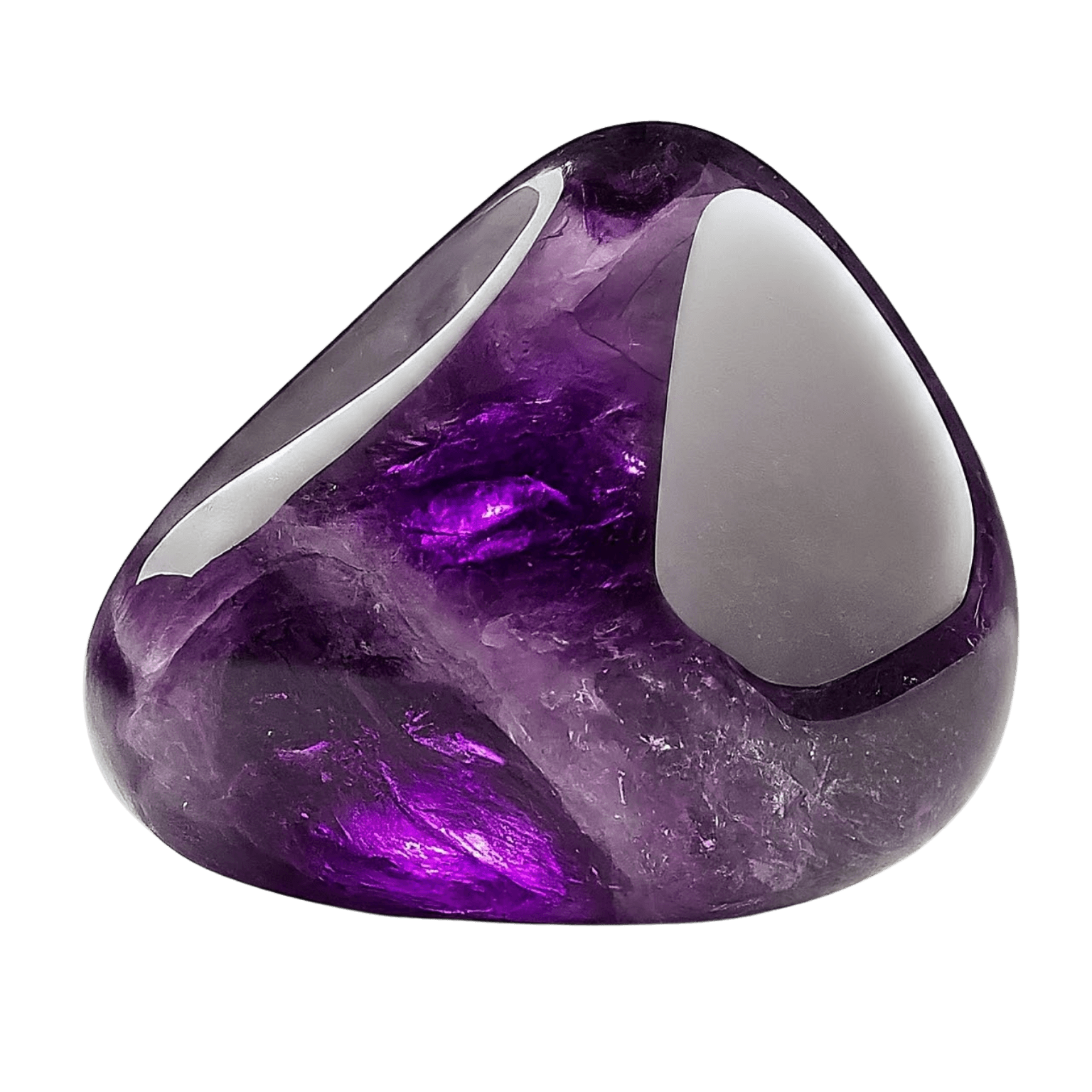
Amethyst is a purple crystal used in modern crystal healing for calm, intuition, and sleep. It measures 7 on the Mohs hardness scale and typically costs $8 to $20 for a tumbled stone. In the chakra tradition, Amethyst is associated with the Crown and Third Eye chakras.
Worth knowing: The Greek amethystos means 'not drunken': the ancients carved wine cups from amethyst believing it kept the drinker sober.
“A calming stone of intuition, protection, and spiritual wisdom.”
- Chakra
- Crown (Sahasrara), Third Eye (Ajna)
- Zodiac
- Pisces ♓, Aquarius ♒
- Element
- Air 💨
- Planet
- Jupiter ♃
- Hardness
- 7 / 10 (Mohs)
- Colors
- Purple, Violet, Lavender
- Origin
- Brazil, Uruguay, Zambia
- Price Range
- 8 to 20
Care + Safety
Amethyst at a glance
- Water: brief rinse safe
- Sun: fades in prolonged direct sun
- Mohs hardness: 7 (durable for daily-wear jewelry)
Worried it's fake?
How to spot real Amethyst
Amethyst is one of the most-counterfeited stones on the consumer market. In my practice, the combination of two or three hands-on tests is usually enough to separate authentic from substitute.
See Cassandra's Amethyst authenticity guide →What is Amethyst?
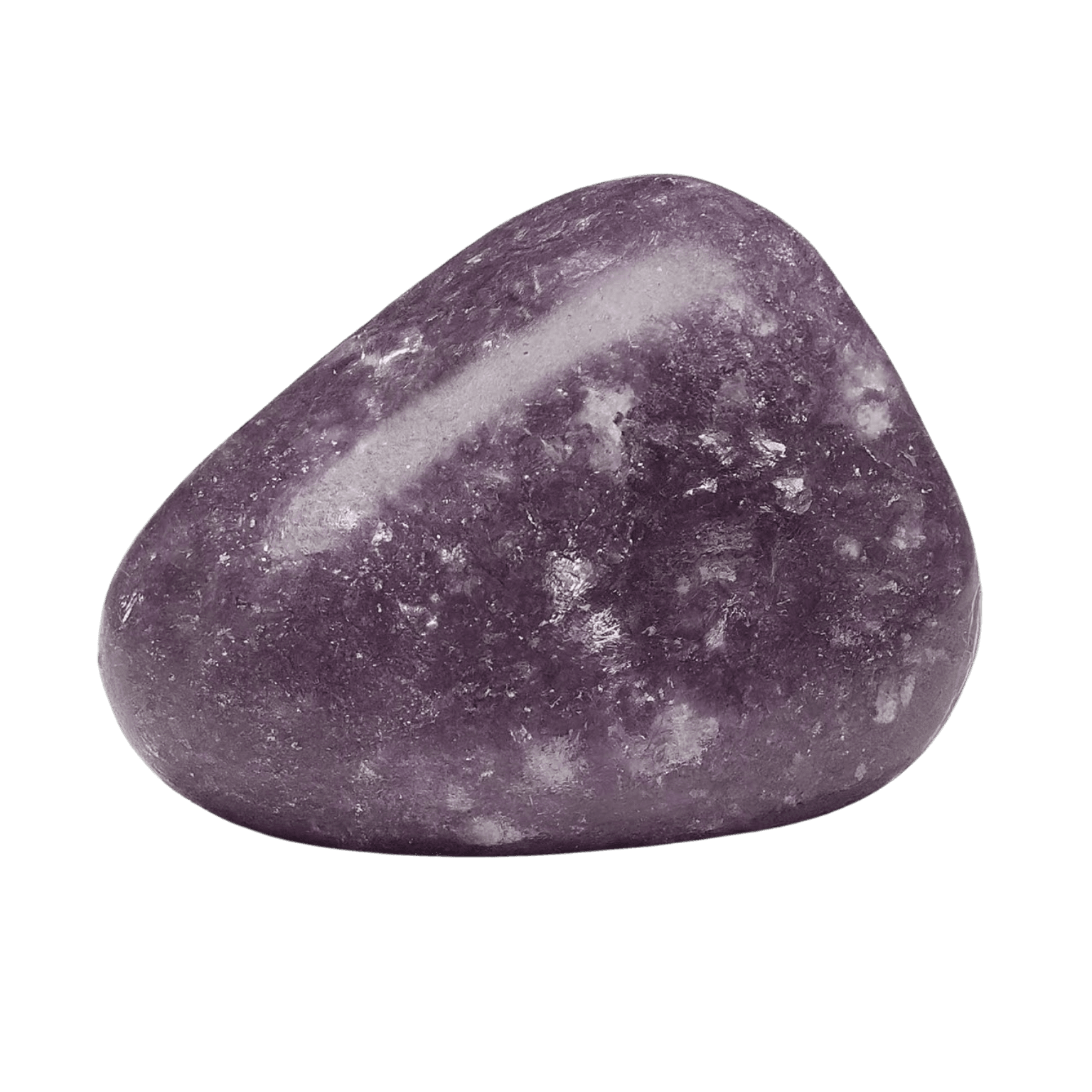
Amethyst is the violet variety of quartz (silicon dioxide), colored by trace iron irradiated inside the crystal over geological time. It is the February birthstone on the modern 1912 jewelers' list and the most-bought purple gemstone in the world.
Amethyst measures 7 on the Mohs scale and shows purple, violet, or lavender coloring. It belongs to the quieting shelf of the catalog, the stones reached for around calm, intuition, and sleep.
The stone connects primarily to the Crown (Sahasrara) and Third Eye (Ajna) chakras, carrying Air energy. Sources include Brazil, Uruguay, and Zambia; deposit matters more than beginners expect, and collectors learn to recognize where a piece of Amethyst was mined by its color depth and pattern.
Amethyst is the crystal equivalent of a deep exhale. Hold it during meditation and let the mental chatter say its piece, which is usually less urgent than its volume suggests. In my practice, this is the first stone I recommend to anyone beginning their crystal journey.
Also catalogued as Purple Quartz and Bishop's Stone, Amethyst earns its place in a working collection by being usable: start with calm, the job it is best known for, and let the stone widen its own brief from there.
History and Mythology
Amethyst is the rare stone whose name tells you exactly what the ancients used it for. The Greek amethystos means 'not drunken', and Pliny the Elder records the belief that wine sipped from an amethyst cup would not intoxicate; Greeks and Romans carved goblets from it and wore it to banquets as insurance. The Dionysus and Amethyste tale, the maiden turned to clear crystal and stained purple by the god's spilled wine, is not ancient myth at all: it first appears in a 1576 poem by the French poet Remy Belleau, a Renaissance romance retold so often we mistake it for Greek. The sobriety thread carried into the church, where amethyst became the customary stone of bishops' rings, which is why it still answers to Bishop's Stone. It was prized alongside ruby and sapphire until vast Brazilian and Uruguayan deposits opened in the nineteenth century; abundance, not beauty, is what changed the price. Hold yours and feel that whole arc warm in your hands: banquet, cathedral, riverbed, you.
Amethyst Meaning and Metaphysical Properties
First Touch
Amethyst meets the hand cool and composed: at Mohs 7 it takes a glass-bright polish, and that first chill lingers a while before your warmth wins. Watch the breath for the first half minute, before any thought about the stone has formed; the quieting stones are traditionally met at the breath rather than in the hand.
Primary Properties
The core associations of Amethyst are quieting ones: calm, intuition, sleep, meditation, and spiritual awakening. This family does downshift work, the hour before bed, the pause between tasks, the long exhale after a hard conversation. Expect subtlety; the calming stones whisper rather than announce.
How Crystal Energy Works
At the top of the map is the Crown, the gate between personal energy and the larger field, and tradition keeps Amethyst there for calm. A light touch is the whole method: brief sessions, gentle attention, and calm, intuition, and sleep understood as the work of seasons rather than afternoons. Placement over promises is how Judy Hall handles the calming family; her entries point to the nightstand, the meditation corner, the hard-day pocket, and stop short of guarantees.
Amplification Through Intention
Air stones like Amethyst move with attention; the tradition puts them to work as study and speech companions with calm as the brief. A short breathing pause with the stone before calm, intuition, and sleep work is the classic use.
Healing Benefits
Emotional Support
The emotional register of Amethyst is quieting: calm, intuition, and sleep. Reach for it at the jagged hours, late-afternoon overwhelm, the racing mind at midnight, and let the stone's weight give the spiral somewhere to land. These are traditional calm associations rather than medical claims; for anything heavy or persistent, a qualified professional belongs in the picture alongside any stone.
Spiritual Connection
Spiritually, Amethyst belongs to the practices of winding down, the before-sleep review, the head-to-toe scan, the gradual unclenching that makes room for subtler knowing. In this family the quiet itself is the devotion, and the stone is simply its anchor on the nightstand.
Physical Presence
Physically, Amethyst suits the desk-bound body: a cool object for the hand during screen hours, a cue to unclench the jaw and drop the shoulders on the way to calm. Awareness, not treatment, is the honest claim.
Chakra Connection
Amethyst resonates most strongly with the Crown (Sahasrara), the energy center traditionally drawn in violet / white and the traditional seat of this stone's calm work. When this center runs clear, the classical markers are a felt connection to something larger, quiet wisdom, and the sense of belonging to a whole; calm, intuition, and sleep are what Amethyst is most often asked to bring to it.
Lying down, keep Amethyst clear of the head altogether, near hair rather than against skin; crown placements sit at the body's edge, and soft attention rather than any measured stretch of it is the traditional calm session.
Amethyst also keeps a working line to the Third Eye (Ajna), which widens its range in layouts; let the primary placement lead, and add the second position once the first feels familiar.
Zodiac and Astrological Connection
In the modern correspondence tables Amethyst is assigned to Pisces ♓ (Feb 19 to Mar 20) and Aquarius ♒ (Jan 20 to Feb 18); a Sun, Moon, or rising placement there is read as a head start with this stone, nothing more.
Correspondence is a suggestion, not a bouncer; plenty of devoted Amethyst keepers have no Pisces in their chart at all, and being drawn to the stone is the credential that matters.
The assigned ruler is Jupiter ♃; in practice that means Amethyst comes out when that planet is prominent in the sky or in your chart, and calm is the work it is handed.
How to Use Amethyst
These are the five ways of working with Amethyst I suggest most often. Begin wherever your attention goes first; the sequence matters far less than starting.
- 1
Meditation Hold
Take up Amethyst and register the first cool touch; a glassy stone at Mohs 7 warms slowly, and tracking that gradual change is a meditation in itself.
- 2
Body Placement
Set Amethyst a little beyond the head while you lie down, not touching skin. The crown was always worked at the edge, and the sessions were kept gentle and short by convention rather than by clock. The purpose recorded for the station is calm.
- 3
Sleep Companion
Give Amethyst the nightstand post: last thing touched before lights out, first thing seen on waking. For a stone that lists sleep beside calm in its brief, that small ceremony is the method.
- 4
Carry With You
Stash Amethyst where the overloaded day can reach it, the coat pocket, the desk's edge, the corner of the bag, and let a single slow touch substitute for the pause you are not getting; calm, carried this way, arrives in small repeated doses.
- 5
Crystal Grid Anchor
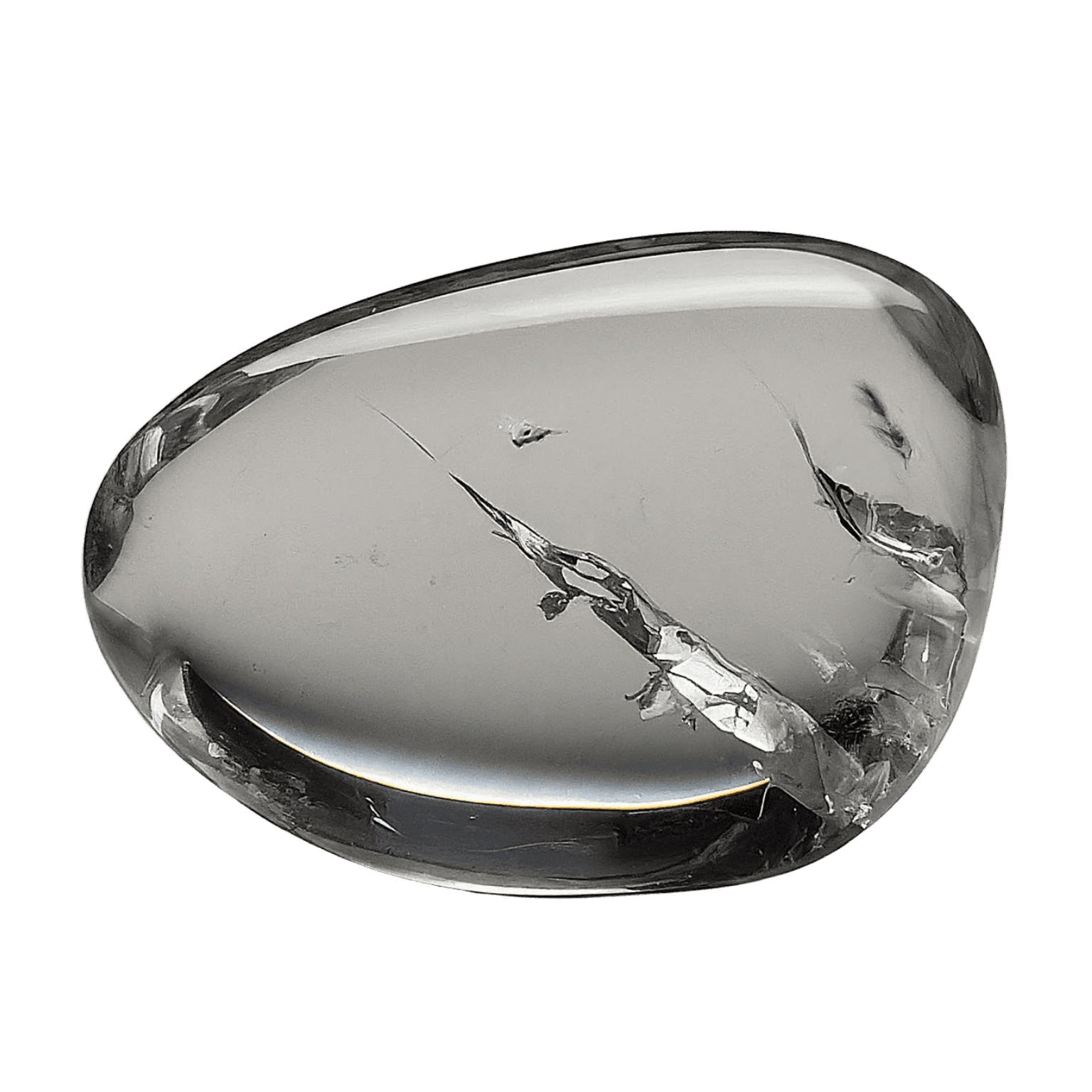
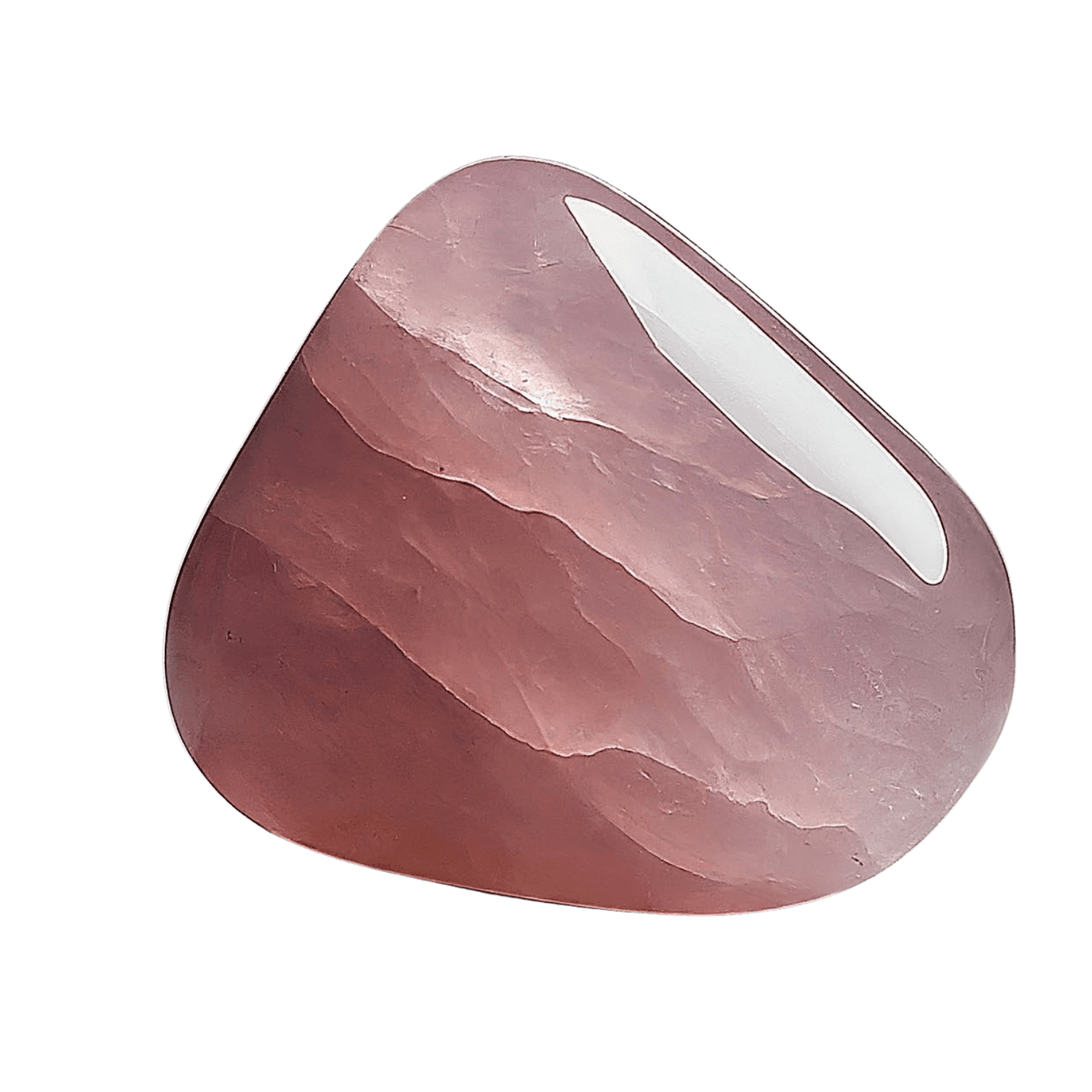
For grid work, give Amethyst the anchor position and run Clear Quartz and Rose Quartz on the outer points, all matched to a single calm intention. Rebuild it when it goes stale; a calm grid you have stopped seeing has stopped working.
How to Cleanse and Charge
A worked stone needs clearing, and Amethyst is no exception; practitioners describe an uncleansed crystal as muffled, present but quieter than it should be. For the full safety profile and the cadence I recommend, see the dedicated Amethyst care guide.
- 1
Moonlight
Set Amethyst on a windowsill or ledge under the full moon and collect it in the morning. Moonlight is the gentlest cleanse in the tradition, safe for every stone in the collection and impossible to overdo.
- 2
Selenite
Overnight on selenite is the lowest-maintenance cleanse Amethyst can get: set it down at bedtime, pick it up cleared in the morning.
- 3
Sage
For a deeper reset, hold Amethyst in sage smoke and name out loud what the stone has been carrying; the naming is half the cleanse.
- 4
Sound
Hold Amethyst near a singing bowl, bell, or tuning fork and let a full minute of tone wash over it; sound reaches stones that water, salt, and sun cannot safely touch.
How often to cleanse
Monthly is the floor for Amethyst; step the cadence up whenever the stone is in daily rotation or the season is emotionally loud. With practice you will feel the tell yourself, a worked stone reads heavier and flatter in the palm.
Charging after cleansing
Follow every cleansing with a charge: for Amethyst that means setting it on a selenite plate overnight or bathing it in full moonlight. A cleared stone is neutral, a charged one is ready.
Crystal Pairings
Amethyst pairs best with stones that respect its quiet; loud amplifiers defeat the point. The traditional combinations keep the register low and slow, which is where this stone does its calm work. If a pairing feels busy rather than restful, trust that and separate them.
Amethyst and Tarot
In my practice, certain tarot archetypes ask for Amethyst on the altar, the stone and the card mirror each other’s energy.
Tarot Companion
The Moon
Major Arcana · Card 18
Both work in the territory of intuition, dreams, and the subconscious, the mysteries that reveal themselves in quiet hours.
Read the The Moon card meaning →
Tarot Companion
The High Priestess
Major Arcana · Card 2
Amethyst is the stone of inner knowing, and the High Priestess is the archetype of receiving wisdom through stillness rather than effort.
Read the The High Priestess card meaning →
Featured in Tarot
Amethyst appears as the crystal pairing for 4 cards in our tarot guide, hold the stone while you draw or study these archetypes.
The High Priestess
Major Arcana · Moon
intuition, sacred knowledge, divine feminine
Four of Cups
Suit of Cups · Moon in Cancer
apathy, contemplation, disconnection
Nine of Cups
Suit of Cups · Jupiter in Pisces
contentment, satisfaction, gratitude
Six of Swords
Suit of Swords · Mercury in Aquarius
transition, moving on, healing journey
Buying Amethyst: Price, Quality, and Jewelry
For jewelry and tumbled stones alike, the amethyst meaning people pay for lives in the color: the deeper and more even the violet, the higher the grade, with 'Deep Siberian' (rich purple with red flashes) the collector term for the best. Uruguayan material runs darker; Brazilian geodes give the classic lilac cathedral points. Expect $8 to $20 for a quality tumbled stone, $30 to $80 for a small cluster, and far more for deep-color faceted gems set in jewelry. Pale, greyish stones are cheaper and work fine for practice; perfectly uniform color throughout can indicate dyed glass, so check our real-vs-fake tests before you buy. As the February birthstone, amethyst is one of the few gems where genuine, natural stones remain affordable in everyday rings and pendants.
How to Spot Real vs Fake Amethyst
Before buying Amethyst, run the piece through these checks; nothing here needs equipment, just your hands, the purple stone in question, and a healthy skepticism:
Temperature: genuine Amethyst feels distinctly cool at first touch and gives that coolness up slowly; resin copies feel warm almost immediately, which is the quickest tell there is.
Weight: real Amethyst should feel like stone rather than plastic pretending; if a palm-sized piece feels nearly weightless, walk away from it.
Color and pattern: the real range is purple, violet, or lavender; treat neon saturation or flawless uniformity as a question for the seller, because nature rarely manages either.
Price reality: quality Amethyst runs roughly $8 to $20 for palm-sized pieces from reputable sellers; a price far below that range is usually answering a question you should have asked.
Trust your source: provenance beats any hands-on check; ask where the Amethyst was mined, whether the purple material is treated, and expect straight answers. That standard is why CrystalStones.com ships every piece with its provenance.
Frequently Asked Questions
What is Amethyst good for?
Amethyst is traditionally associated with calm, intuition, sleep, and meditation. Many people find it supportive for calm and for working with the Crown and Third Eye chakras.
Can Amethyst go in water?
Yes, Amethyst tolerates water; at Mohs 7, a one to two minute rinse is fine. Pat it dry when you finish and avoid leaving it submerged overnight.
Can Amethyst be in the sun?
Treat sun as a risk for Amethyst: short incidental light does no harm, but hours of direct exposure will cost the purple tones their depth. Default to moonlight.
What chakra is Amethyst?
Amethyst is primarily associated with the Crown (Sahasrara) and Third Eye (Ajna) chakras. Position it clear of the head rather than on the body, seated or lying down; edge placement is the crown convention for calm work.
What zodiac sign is Amethyst for?
Amethyst is traditionally connected to Pisces and Aquarius. That said, the zodiac correspondence is an invitation rather than a requirement; any chart can work with Amethyst, and attraction to the stone matters more than the calendar.
How do I cleanse Amethyst?
The best methods for Amethyst are Moonlight, Selenite, and Sage. Fades to clear/yellow in prolonged sunlight. Keep away from windows.
Is Amethyst real or fake, how can I tell?
Genuine Amethyst feels cool at first touch and warms slowly; at Mohs 7 it also resists the pocket scratches that mark softer fakes. Natural purple material varies piece to piece and runs about $8 to $20 tumbled, so perfectly matched stones at a suspicious discount deserve a second look.
What’s Next?
A few thoughtful next steps if Amethyst is calling to you.
The Crystal Starter Library
A free guide from Crystal Cassandra: the twelve stones that cover almost everything, a one page care matrix for water, sun and salt, and how to build a first intention practice.
We respect your inbox. Unsubscribe anytime.
Explore More Tools
Crystal Quiz
Discover which crystal matches your energy right now.
Open →Chakra Test
Find which chakras need attention and the crystals to balance them.
Open →Crystal Cleansing Guide
Learn how to safely cleanse and charge your crystals.
Open →Crystals by Intention
Find the perfect crystal for what you need right now.
Open →