By Crystal Cassandra · Updated August 3, 2026
Crystal Healing Expert
What is a heart crystal?
A crystal heart is a stone carved and polished into the classical heart shape, with a rounded V at the top and a tapered point at the bottom. In traditional crystal-healing practice, crystal hearts are used for love, self-love, grief, and emotional repair. The form is small enough to carry close to the body, which is part of how it does its work.
Key Takeaways
- Crystal hearts are stones carved into the classical heart shape, typically 30mm to 60mm wide.
- Judy Hall associates heart-shaped crystals with the heart-chakra opening and with self-love rituals.
- Best for relationship work, grief seasons, self-compassion practice, and gift-giving between partners.
- Rose quartz, rhodonite, green aventurine, and rhodochrosite are the classical heart-form stones.
- Carry one in a chest pocket or place over the heart in meditation; the form's geometry was made for body-contact.
What is a heart crystal?
A crystal heart is a stone hand-carved into the classical heart silhouette: a rounded V at the top where two lobes meet, sides that curve inward, and a tapered point at the bottom. The classical proportions follow the shape used on greeting cards and jewellery for centuries. Sizes range from small 25mm pocket hearts to 80mm and larger altar pieces. Both faces are typically polished smooth, with a slight outward dome that fits comfortably in cupped hands.
Hearts are made by tumbling rough into rounded blanks, then hand-shaping on a small grinding wheel into the heart silhouette, then polishing on a flat lap. The most-loved hearts have a soft sheen rather than a glassy mirror finish, because the slight matte texture feels warmer against skin. Look for symmetry: the two lobes should be the same size, the bottom point should sit on the vertical centerline, and the curve from lobe to point should be smooth and continuous.
Almost every crystal in the catalog appears as a heart. Rose quartz is the classical first choice because the pink colour and the form are an obvious match. Rhodonite, rhodochrosite, green aventurine, and amazonite are heart-chakra stones in classical attribution and read powerfully in the heart form. Even stones not traditionally associated with the heart (clear quartz, amethyst, labradorite) carry the form's softening intent. The shape is the speaker; the stone is the voice.
Traditional energetic use
Judy Hall in The Crystal Bible (2003) writes that the heart-shaped carving is a form-amplifier for any stone associated with the heart chakra (Anahata). A rose-quartz heart speaks the same intent as a rose-quartz tumbled stone, but the form makes the message unmistakable; the body recognises the geometry before the mind reads the colour. Hall recommends the rose-quartz heart specifically for grief, self-love rituals, and partnership repair.
Robert Simmons in The Book of Stones (2015) describes crystal hearts as relational objects, made to be exchanged between people or held over the chest during emotional practice. The form's small size and its body-contact intent are part of how it works. A heart laid over the heart center during a ten-minute meditation, or carried in a chest pocket through a difficult day, keeps steady, gentle company.
In my practice with clients, the heart form is the one I most often recommend for grief, separation, and self-love work. A rose-quartz heart on the bedside table the week of a hard loss; a rhodonite heart in a chest pocket during a difficult separation; a green-aventurine heart given to a new partner as a small ritual of welcome. The shape carries an unambiguous intention; the stone deepens the colour of that intention. Many people find the form's smallness is part of its strength.
How to use a heart crystal
The ritual below is the one Cassandra uses in her own practice and recommends to clients new to working with this form. It takes about ten minutes and can be repeated as a weekly or monthly working.
- 1
Choose a heart that fits your palm
Hearts come in many sizes. For body-contact practice, a 30mm to 50mm heart fits comfortably in a closed palm or a chest pocket. For altar or shelf placement, 50mm to 80mm reads better visually. For partnership gifting, two matched hearts (often rose quartz or rhodonite) are the classical choice; one for each person.
- 2
Hold it in meditation
Lie on your back and hold the heart stone in both hands, point down. Breathe however you are already breathing; there is nothing here to count. The classical orientation is point down because the V at the top opens upward, the way a heart is drawn opening; that is a symbolic instruction rather than an anatomical one, and it is worth trying both ways before you decide it matters.
- 3
Carry in a chest pocket
Slip the heart into a chest pocket of a shirt or coat in the morning. Through the day, the heart rides close to the chest; you do not need to do anything except be aware that it is there. Many people find that on grief days or anxious days, the awareness alone is steadying. The form is doing the work.
- 4
Gift one to a person you love
Matched hearts (often rose quartz) given between partners, between parent and child, or between close friends are a classical ritual gift. The exchange names the relationship in a small physical way. Both people carry the same form in the same material; many people report a felt-sense of connection across distance over the following weeks.
- 5
Cleanse with breath and moonlight
Crystal hearts absorb a great deal because of their body-contact use. Cleanse weekly with focused breath across the surface (the most intimate cleansing method, classical for body-contact stones) or a few hours of moonlight on a windowsill. Avoid prolonged sun for rose quartz and amethyst hearts, which can fade.
The best crystals to choose in heart form
Not every crystal shines in every form. The stones below are traditionally chosen as hearts because the form amplifies the stone's qualities.
Shop crystal hearts
Heart Bundle
Heart Starter Trio
A curated trio of the stones Cassandra most often recommends in heart form. Rose Quartz, Rhodonite, and Green Aventurine each suit this form for a distinct reason, so the set covers the most-loved uses of the heart at once.
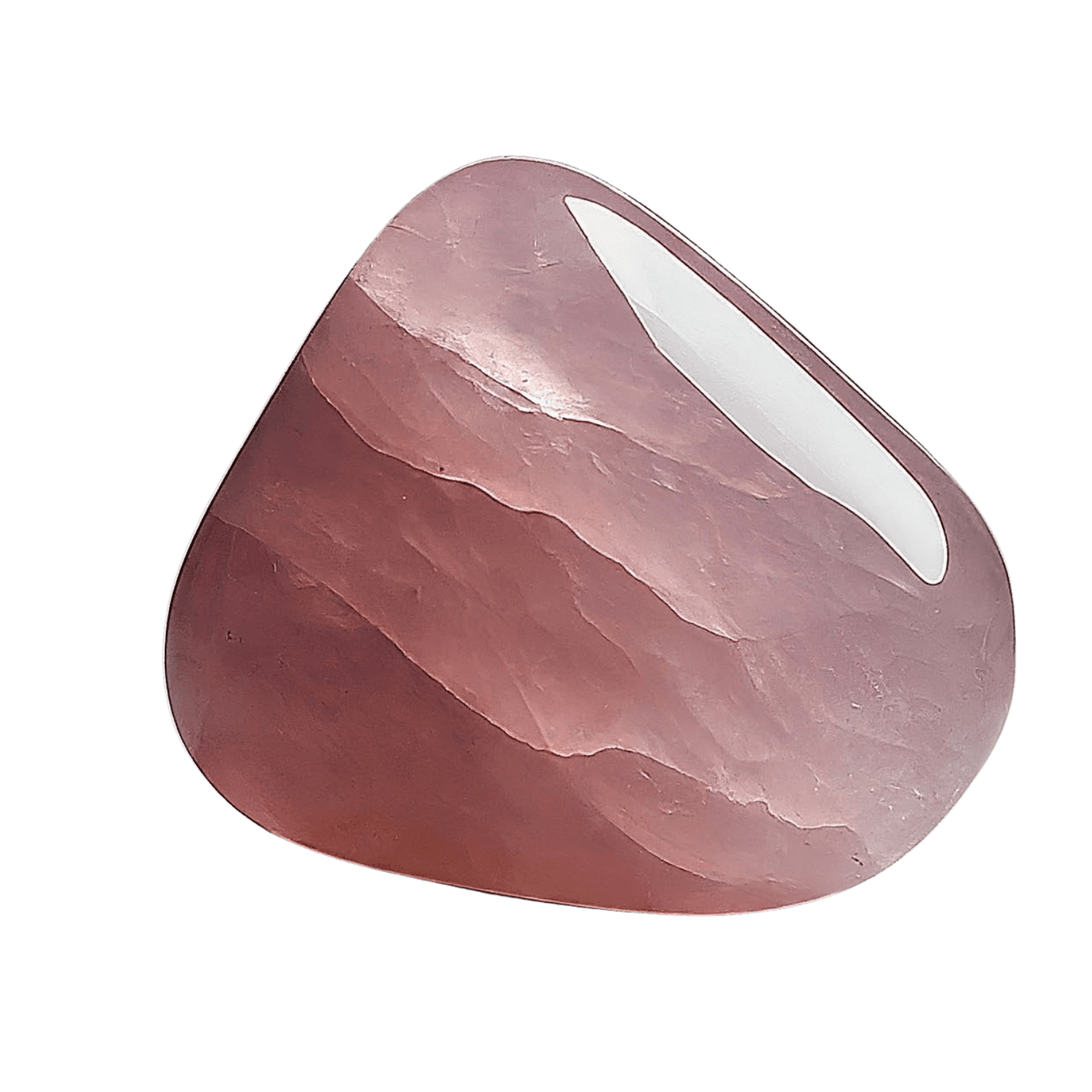
Rose Quartz
Primary stone
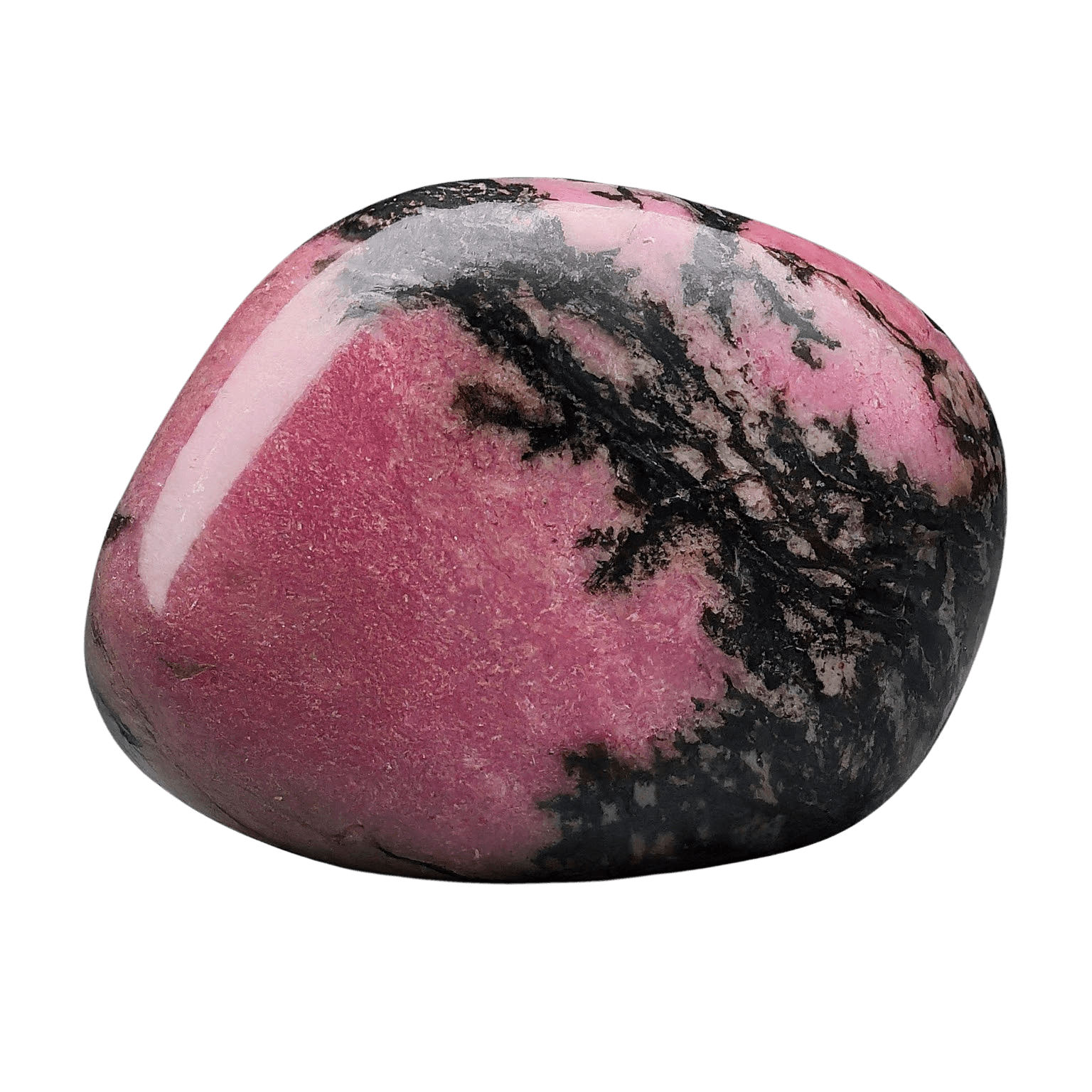
Rhodonite
Supporting stone
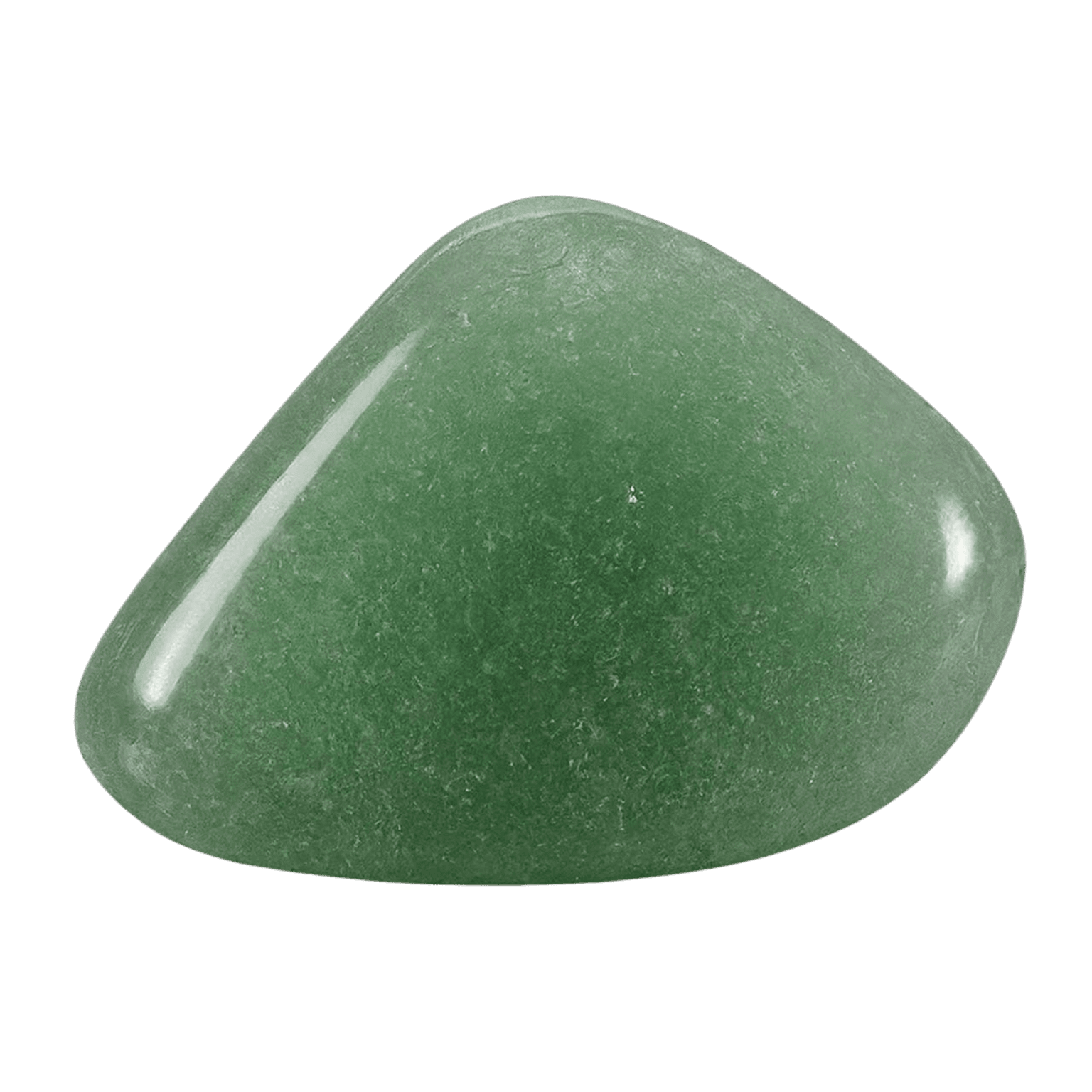
Green Aventurine
Anchoring stone
This kit is being assembled. Join the waitlist and Cassandra will email you the moment it ships.
Pair crystal hearts with these intentions
In traditional crystal-healing practice, the form of the stone shapes how the energy moves. Crystal Hearts are most commonly paired with the following intentions.
Explore other crystal forms
Frequently asked questions
What does a crystal heart symbolise?
In the classical crystal-healing literature, a crystal heart symbolises whatever intent the heart shape carries in your culture (love, compassion, the heart chakra) amplified by the stone's traditional attribution. A rose-quartz heart amplifies gentle love and self-love; a rhodonite heart amplifies emotional repair; an obsidian heart amplifies shadow-integration. The form is the universal symbol; the stone is the specific voice in which the symbol speaks.
Can I gift a crystal heart to a partner?
Yes; this is one of the classical uses of the form. Matched hearts (the same stone, similar size) given between two people are a small physical ritual that names the relationship. Rose quartz is the most-recommended in Cassandra's lineage; rhodonite for couples doing repair work; green aventurine for new partnerships; amazonite for partnerships doing honest-conversation work. The gift is meaningful regardless of whether the recipient practices with crystals.
Which crystal heart should I get for grief?
Rose quartz is the most classical choice for grief in Cassandra's lineage; the warm pink is forgiving and tender during raw weeks. Many people pair a rose-quartz heart with a smoky-quartz palm stone, the heart for the felt-sense of loss and the smoky for grounding through the harder hours. Rhodonite is the secondary recommendation for grief that involves anger or unresolved hurt; the pink-and-black banding holds both.
How do I cleanse a crystal heart?
Because hearts are body-contact stones, they absorb a great deal and benefit from regular cleansing. Universal safe methods are sound (a tingsha bell, a tuning fork), focused breath across the surface, or a few hours on a selenite plate. Brief cool running water works for rose quartz, rhodonite, green aventurine, and clear quartz; avoid water for selenite, calcite, malachite, and lapis. Moonlight is the classical method for heart-form cleansing in Robert Simmons's tradition.
Should I sleep with a crystal heart under my pillow?
Yes, and many people do, particularly during grief weeks or after relationship endings. The most-recommended bedtime hearts are rose quartz (for general heart-softening), lepidolite (for restless thought), and amethyst (for dream-work). Place the heart in a small cloth bag or directly under the pillow. If you find your sleep becomes more vivid or restless, move the heart to the bedside table instead; some stones are more activating than others at night.
What is the difference between a crystal heart and a puffy heart?
A flat heart is shaped with relatively thin profile (10mm to 15mm thick), and is typically used for altar and grid work where it sits flat. A puffy heart is shaped with a much rounder, more three-dimensional profile (20mm to 30mm thick), and is shaped for the cupped hand; it reads as a small held object rather than a flat carving. Both are valid heart forms; the puffy heart is more body-contact friendly, the flat heart more display-friendly.
Share Your Result
Vertical 9:16 format, perfect for Instagram Stories or TikTok. Opens in a new tab; long-press or right-click to save.
The Crystal Starter Library, free
Crystal Cassandra on choosing your first stones, keeping them safe, and building a practice around one intention rather than a shelf of good intentions.
We respect your inbox. Unsubscribe anytime.
Explore More Tools
Crystal Quiz
Find the right crystal for your energy.
Open →Crystal Care
How to cleanse and charge each crystal.
Open →Crystal Grid Designer
Build a sacred-geometry crystal grid.
Open →Crystals by Intention
Match crystals to what you need.
Open →Crystal Cleansing Guide
Every cleansing method explained.
Open →