By Crystal Cassandra · Updated August 3, 2026
Crystal Healing Expert
What is a tumbled stone crystal?
Tumbled stones are small crystals (typically 20mm to 40mm) shaped and polished by friction in a rotating drum over several weeks. In traditional crystal-healing practice, tumbled stones are the most-used form for pocket-carry, grid work, body-layout, and gifting because the rounded shape is comfortable, the size is portable, and the price is the gentlest of any crystal form.
Key Takeaways
- Tumbled stones are small (20mm to 40mm), rounded, polished crystals made by drum-tumbling rough.
- The classical entry-point form for new crystal practitioners and the most-recommended pocket-carry shape.
- Best for grid corners, body-layout (chakra placement), gifting, and daily pocket-carry through the workweek.
- Almost every crystal in the catalog is available tumbled; the form is universal.
- Tumbled stones are the most affordable form per gram, which makes them the right place to start a collection.
What is a tumbled stone crystal?
A tumbled stone is a small piece of rough crystal that has been smoothed and polished by friction in a rotating tumbler drum. The process takes several weeks: the rough is loaded into the drum with coarse abrasive grit, tumbled for a week, then washed and reloaded with finer grit, and so on through three or four progressively finer grits. The final stage uses polishing compound. The result is a smooth, rounded stone with no sharp edges and a soft sheen.
Tumbled stones typically measure 20mm to 40mm in their longest dimension, with weight from a few grams to about 30g per stone. The shape is not perfectly round but reads as a rounded irregular pebble. The colour and inclusions of the stone are visible exactly as they exist in the rough, because tumbling only removes the outer surface, never the internal structure. This is why tumbled stones are the classical form for visually comparing different specimens of the same crystal species.
Almost every crystal in the 109-stone catalog is available tumbled. Rose quartz, amethyst, clear quartz, citrine, sodalite, tigers-eye, hematite, smoky quartz, carnelian, and black tourmaline are the most common; rarer species like sugilite, charoite, and rhodochrosite also appear tumbled, sometimes at premium prices. The classical recommendation in Cassandra's lineage is to start a personal collection with five to ten tumbled stones covering a range of intentions, then add more specialised forms over time.
Traditional energetic use
Judy Hall in The Crystal Bible (2003) describes tumbled stones as the workhorse form of modern crystal practice. They are comfortable to hold, easy to carry, durable enough to survive years of pocket-carry, and inexpensive enough to build a full set without breaking a budget. Hall recommends tumbled stones for almost all everyday practice: pocket-carry, grid work, body-layout, gifting, and meditation aids.
Robert Simmons in The Book of Stones (2015) notes that tumbled stones carry the same mineral identity as raw or polished forms; nothing about the tumbling process changes the crystal's traditional attributions. He recommends tumbled stones particularly for body-layout work (placing stones on the chakras during a lying-down meditation) because the rounded shape and modest weight are body-friendly.
In my practice with clients, tumbled stones are what I recommend for almost every first crystal purchase. They are small enough to carry without notice, friendly enough for any pocket, varied enough that you can build a working set of seven (one for each chakra) for the price of a single larger sphere. The classical Cassandra starter set is rose quartz, amethyst, clear quartz, citrine, smoky quartz, black tourmaline, and labradorite, all tumbled, in a small cloth bag. That set covers most everyday intentions.
How to use a tumbled stone crystal
The ritual below is the one Cassandra uses in her own practice and recommends to clients new to working with this form. It takes about ten minutes and can be repeated as a weekly or monthly working.
- 1
Build a starter set of seven
The classical Cassandra starter set is one tumbled stone for each chakra: red jasper (root), carnelian (sacral), citrine (solar plexus), rose quartz or green aventurine (heart), sodalite or blue lace agate (throat), amethyst (third eye), and clear quartz or selenite (crown). This covers most everyday intentions for a few weeks' worth of pocket-carry experiments. Add more specialised stones over time.
- 2
Carry one in a pocket each day
In the morning, choose one tumbled stone based on the intention of the day (calm, focus, courage, soft heart) and slip it into a pocket. Through the day, reach for it during moments of stress or transition. The classical practice is one stone per day, chosen consciously; this builds a personal relationship with each stone in the set over time.
- 3
Use for body-layout meditation
Lie on your back. Place a tumbled stone on each of the seven chakras (root, sacral, solar plexus, heart, throat, third eye, crown). Stay for fifteen to twenty minutes. The rounded shape of tumbled stones holds them in place better than raw forms; the modest weight is body-friendly. This is the classical full-body crystal layout in Judy Hall's tradition.
- 4
Place at grid corners and intention points
Tumbled stones work well at the corners of small personal grids, around an intention object on an altar, or as cluster placements within a larger gridded layout. Their consistent size makes a tumbled grid visually balanced. For larger or more formal grids, upgrade the corner stones to small towers; for daily, casual grid work, tumbled stones are perfectly sufficient.
- 5
Cleanse and recharge weekly
Tumbled stones are workhorses; they absorb the moments they accompany and benefit from regular cleansing. Most tumbled stones tolerate brief cool running water; avoid water for selenite, calcite, malachite, lapis lazuli, pyrite, hematite (rust), and halite. Sound, breath, or a few hours on a selenite plate or amethyst cluster work universally. Cleanse weekly with active carry.
The best crystals to choose in tumbled stone form
Not every crystal shines in every form. The stones below are traditionally chosen as tumbled stones because the form amplifies the stone's qualities.
Shop tumbled stones
Tumbled Stone Bundle
Tumbled Stone Starter Trio
A curated trio of the stones Cassandra most often recommends in tumbled stone form. Rose Quartz, Amethyst, and Clear Quartz each suit this form for a distinct reason, so the set covers the most-loved uses of the tumbled stone at once.
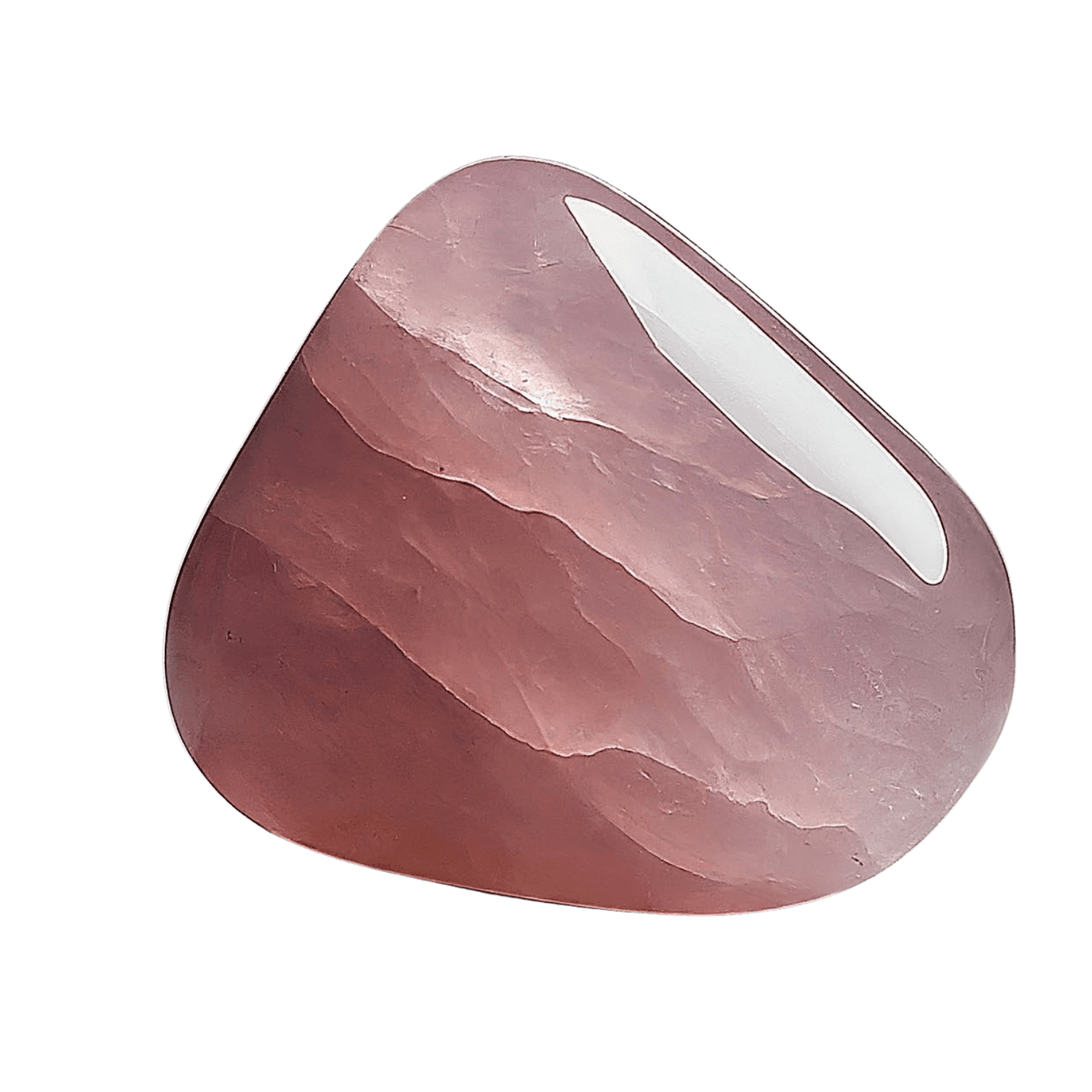
Rose Quartz
Primary stone
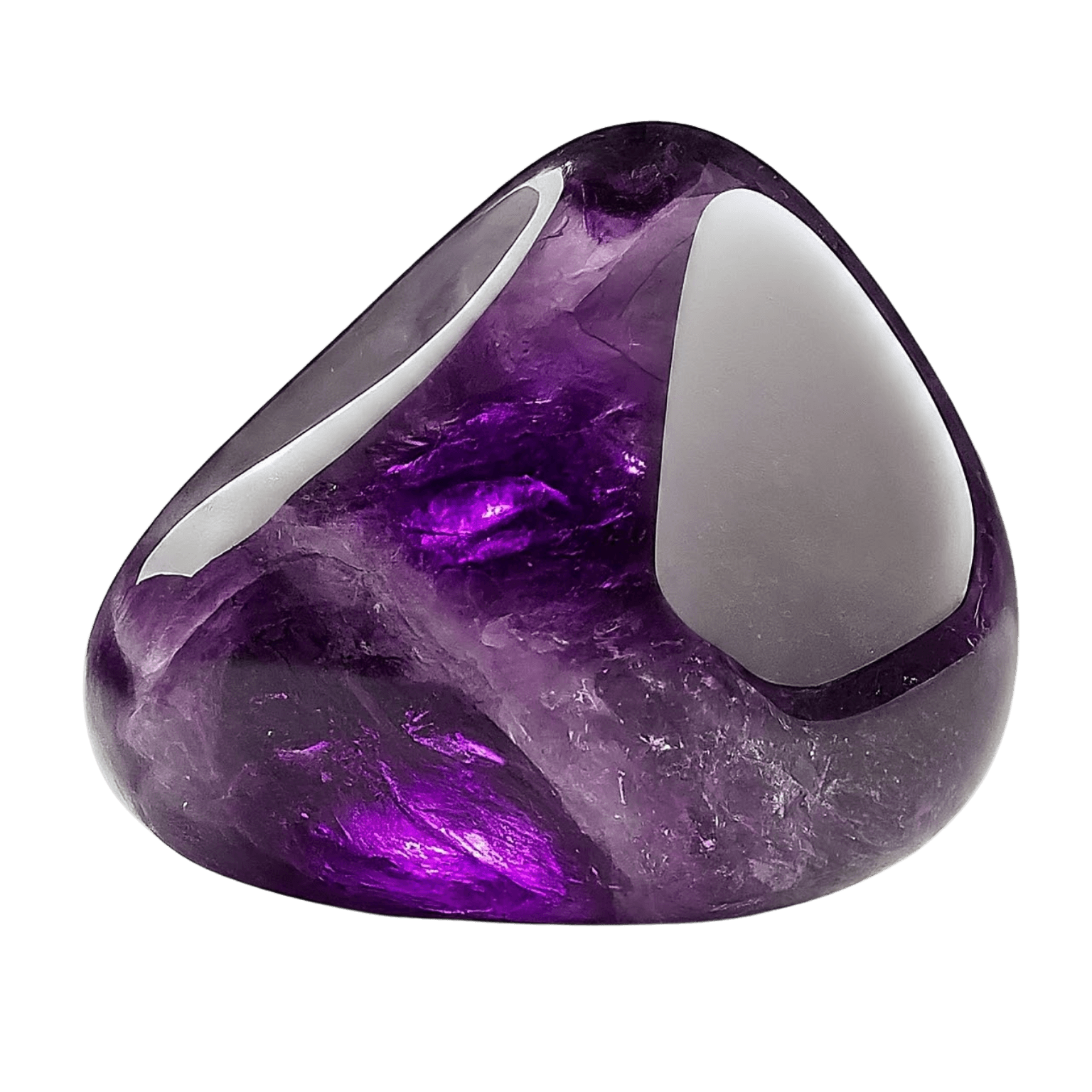
Amethyst
Supporting stone
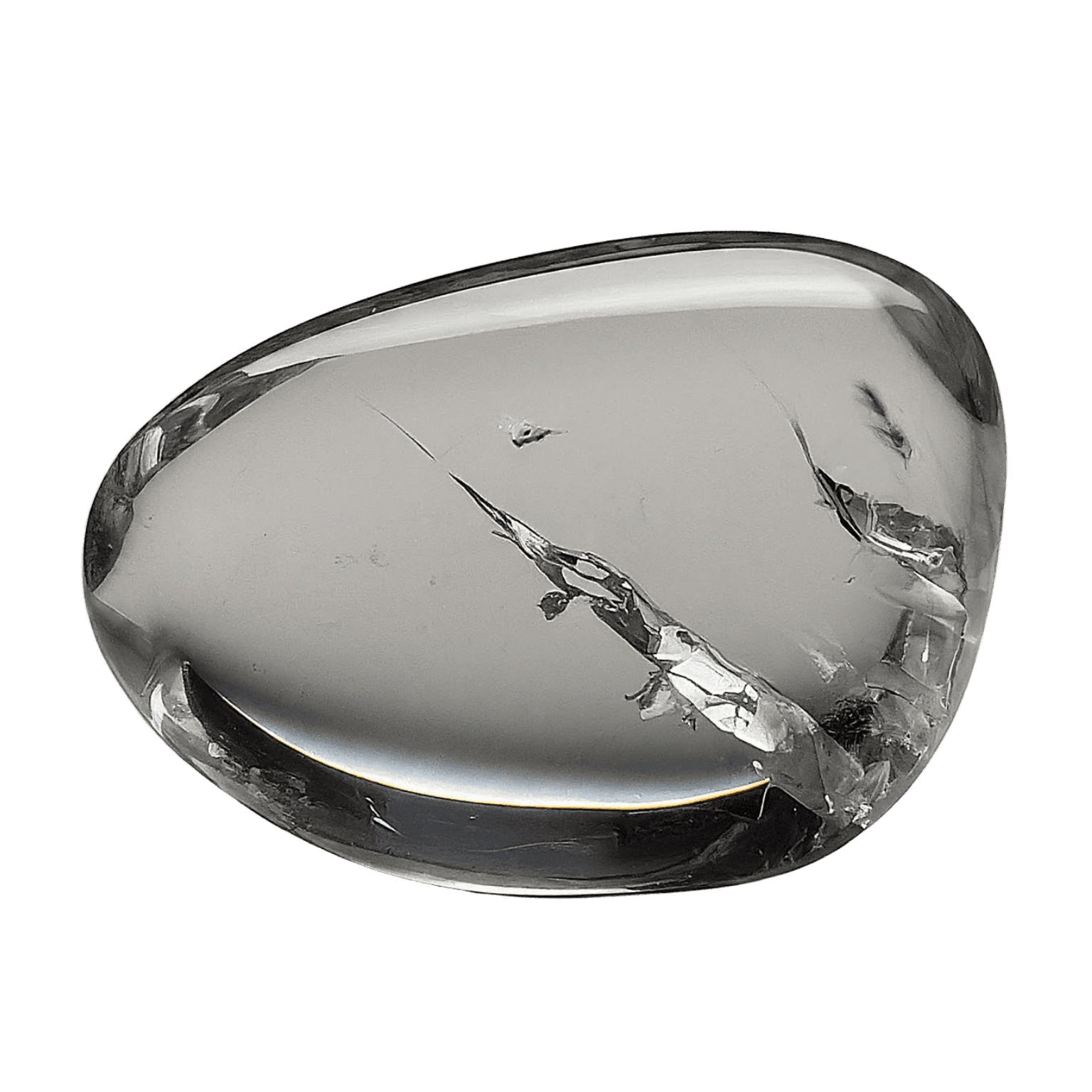
Clear Quartz
Anchoring stone
This kit is being assembled. Join the waitlist and Cassandra will email you the moment it ships.
Pair tumbled stones with these intentions
In traditional crystal-healing practice, the form of the stone shapes how the energy moves. Tumbled Stones are most commonly paired with the following intentions.
Explore other crystal forms
Frequently asked questions
Are tumbled stones less powerful than raw crystals?
No; the tumbling process does not change the mineral identity of the stone. A tumbled rose quartz carries the same traditional attributions as a raw rose quartz cluster or a polished rose quartz sphere. The differences are practical: tumbled stones are smaller, smoother, more portable, more affordable, and friendlier for daily handling. In Judy Hall and Robert Simmons's traditions both, tumbled stones are recommended as the workhorse form of everyday crystal practice.
How many tumbled stones do I need to start?
A starter set of five to seven is plenty for the first few months of practice. The classical Cassandra starter set covers the seven chakras: red jasper, carnelian, citrine, rose quartz, sodalite, amethyst, and clear quartz. This gives you a stone for each major intention area and lets you experiment over time. Add specialised stones (lepidolite for anxiety, black tourmaline for protection, labradorite for fidget-soothing) as specific needs arise.
Can I mix different tumbled stones in the same pocket?
Yes, with some thoughtfulness. Stones with similar or complementary intentions pair well (rose quartz and rhodonite for heart work; amethyst and lepidolite for calm-focus). Stones with opposing intentions can feel busy together (citrine and lepidolite, one activating and one calming, in the same pocket). The classical recommendation is one or two stones at a time for everyday carry, building up to a small set in a cloth bag for travel or particular days.
How do I know if a tumbled stone is high quality?
Look for an even sheen across the whole surface (no orange-peel pitting), a colour that is consistent with the natural mineral (not artificially deepened by dye), and a comfortable shape with no sharp edges. Premium tumbled stones have richer colour, fewer chips, and a smoother polish; budget tumbled stones may have minor surface flaws but carry the same energy. The classical advice in Cassandra's lineage is to hold the stone if possible and let your hand do the choosing.
Do tumbled stones need to be cleansed?
Yes, regularly; they absorb the moments of the days they accompany. The most common cleansing methods are brief cool running water (for water-safe stones), sound (a tingsha bell or singing bowl), focused breath, and overnight on a selenite plate or amethyst cluster. Avoid water for selenite, calcite, malachite, lapis lazuli, pyrite, hematite, and halite. Cleanse weekly with active pocket-carry, monthly with passive shelf-display.
Are tumbled stones safe for children?
Yes, for ages roughly four and up (younger children may put stones in the mouth). Tumbled stones are the friendliest crystal form for children because they have no sharp edges, are sized comfortably for a child's hand, and are affordable enough that breakage or loss is not a tragedy. A rose-quartz, sodalite, or moss-agate tumbled stone in a child's backpack pocket is a gentle introduction to mindfulness; many parents and teachers have found this useful in school settings.
Share Your Result
Vertical 9:16 format, perfect for Instagram Stories or TikTok. Opens in a new tab; long-press or right-click to save.
The Crystal Starter Library, free
Crystal Cassandra on choosing your first stones, keeping them safe, and building a practice around one intention rather than a shelf of good intentions.
We respect your inbox. Unsubscribe anytime.
Explore More Tools
Crystal Quiz
Find the right crystal for your energy.
Open →Crystal Care
How to cleanse and charge each crystal.
Open →Crystal Grid Designer
Build a sacred-geometry crystal grid.
Open →Crystals by Intention
Match crystals to what you need.
Open →Crystal Cleansing Guide
Every cleansing method explained.
Open →