Multi-Crystal Comparison

Sleep Crystals Compared: 5 Best Stones (Ranked and Reviewed)

5 best stones for sleep, ranked and reviewed

5 stones ranked · Traditional sources · Reviewed by Crystal Cassandra

Crystal Cassandra

By Crystal Cassandra · Updated August 3, 2026

Crystal Healing Expert

Best Crystals for Sleep

In traditional crystal healing, the 5 crystals most often reached for around sleep are Amethyst, Moonstone, Lepidolite, Selenite, and Howlite. Each is a traditional association rather than a treatment, chosen for a different kind of restless night. Below: which to choose and why.

Key Takeaways

Overview

The 5 Crystals Compared at a Glance

Here is the quick visual comparison. Each of these stones earns a place in traditional crystal healing for sleep, the differences lie in how they meet you, what kind of sleep they suit best, and how they fit your practice.

Amethyst
Best For
Best overall sleep stone, traditionally for a mind that will not settle
Primary Color
purple, violet
Chakra
Crown, Third Eye
Key Property
Traditionally associated with calming the overactive mind.
Price Range
$8-$20
Moonstone
Best For
Best for sleep that follows a rhythm
Primary Color
white, cream
Chakra
Sacral, Third Eye
Key Property
Traditionally tied to body rhythms and lunar cycles.
Price Range
$12-$28
Lepidolite
Best For
Best for nights when the mind will not put the day down
Primary Color
lavender, purple
Chakra
Heart, Third Eye
Key Property
In traditional crystal healing, Lepidolite is the stone named for evenings when worry is the thing keeping you up.
Price Range
$10-$22
Selenite
Best For
Best for unexplained 3 a.m. waking
Primary Color
white, translucent
Chakra
Crown
Key Property
High-vibration crown-chakra stone traditionally used to clear nighttime psychic disturbance and 3 a.
Price Range
$8-$20
Howlite
Best For
Best for mental chatter and overthinking
Primary Color
white with grey veining, cream
Chakra
Crown
Key Property
Traditionally absorbs looping mental energy.
Price Range
$6-$12
Stone by stone

In-Depth Reviews

In my practice, choosing between these five is rarely about which is "best" in an absolute sense, it is about which one meets the specific shape of your sleep. Below, I walk through each stone in detail, in order of how often I recommend them.

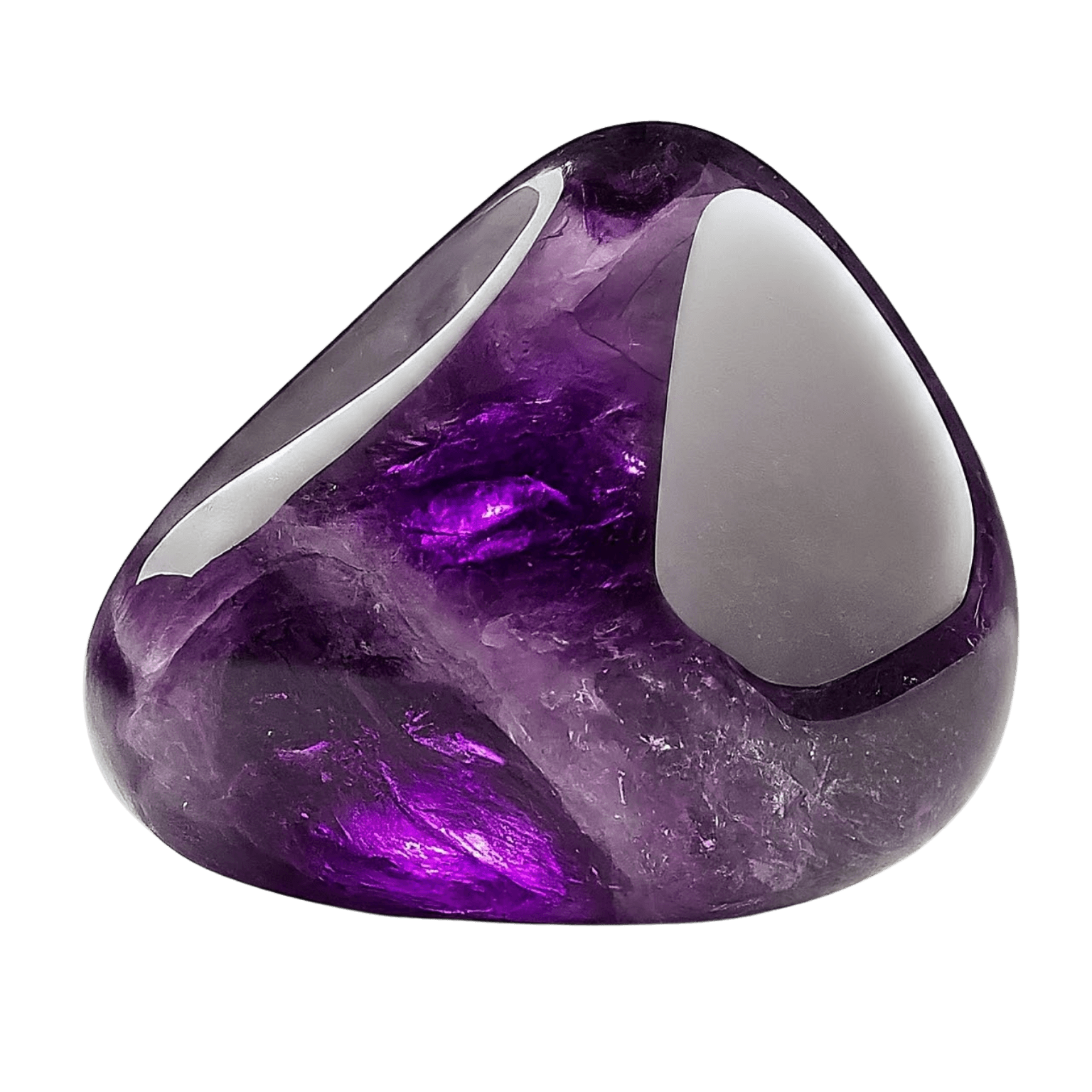
Amethyst crystal
1

Amethyst

Best overall sleep stone, traditionally for a mind that will not settle

Amethyst is the most traditional sleep stone in the crystal canon, and there is good reason its purple cluster has been the bedside-table standard for centuries. When you cup it in your palm at the end of a hard day, the cool, hard violet meets you with a quieting authority. Crystal Bible author Judy Hall describes Amethyst as a stone for 'an overactive mind,' which describes most of the people who come to me about their nights. According to metaphysical tradition, Amethyst works on the third-eye and crown chakras, which is where bedtime worry-loops gather. The way this stone meets you in the dark is gentle, a dimmer switch on the mental noise rather than an off switch. Author Melody (Love Is in the Earth) calls Amethyst 'the stone of meditation,' and bedtime is essentially the most-attempted form of meditation in modern life. Many people find that placing a fist-sized Amethyst cluster on the nightstand creates a kind of ambient calming presence, you do not have to actively hold it for the effect to land. Affordable, widely available, and beautiful as bedroom decor.

Why this stone for sleep

Traditionally associated with calming the overactive mind. The third-eye chakra (Amethyst's domain) is where bedtime worry gathers.

How to use it

Place a cluster on your nightstand. On restless nights, hold a tumbled stone in your palm and breathe slowly until it warms.

Pros

  • Most accessible and affordable ($8-$25 for clusters)
  • Widely available everywhere
  • Beautiful bedside decor
  • Traditional for a mind that keeps working at night

Cons

  • Fades in prolonged sunlight (keep away from windows)
  • Traditionally chosen for mental restlessness rather than bodily restlessness
  • Some sensitive sleepers find quartz energy too 'bright' for the bedroom
Moonstone crystal
2

Moonstone

Best for sleep that follows a rhythm

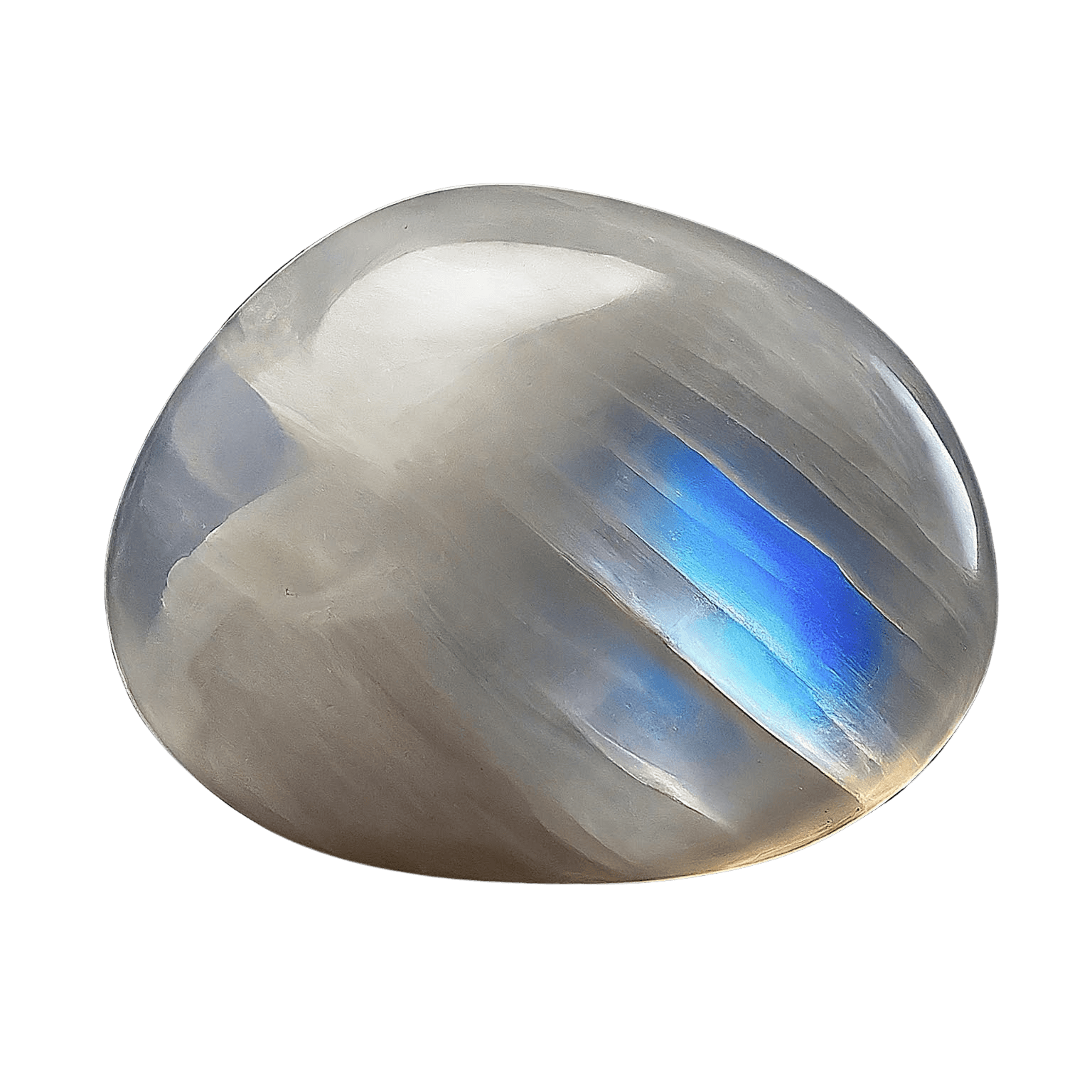
Moonstone is the stone I reach for when someone's restless nights seem to arrive on a rhythm of their own, tracking their own monthly cycle or the lunar phases themselves, and the tradition's instruction here is simply to keep a note and see whether the pattern is actually there. Hold a Moonstone in your palm under low light and notice the adularescence, the soft inner glow that seems to shift as you tilt the stone. Crystal Bible author Judy Hall describes Moonstone as 'the stone of new beginnings,' and in traditional crystal healing it is the stone most associated with natural rhythm and return. According to metaphysical tradition, Moonstone works on the sacral chakra and the crown together, connecting the body's own rhythms with the higher self. The register this stone is given at bedtime is feminine and receptive, which is why the tradition reaches for it around the full moon rather than at the dark of it. Author Melody (Love Is in the Earth) writes that Moonstone 'soothes emotional instability,' which many people notice most at night. Place it on the nightstand or wear it as a ring or pendant in the evening.

Why this stone for sleep

Traditionally tied to body rhythms and lunar cycles. In traditional crystal healing, Moonstone is the stone of rhythm and return.

How to use it

Place on your nightstand during the days around the full moon. Hold it in your palm as you close the day.

Pros

  • Traditional for sleep that follows a rhythm
  • Beautiful adularescence under low light
  • Pairs well with full-moon practices
  • Mid-range price ($15-$40)

Cons

  • Softer than Amethyst, handle with care (Mohs 6)
  • Can be expensive for quality pieces
  • Traditionally chosen for rhythm rather than mental chatter
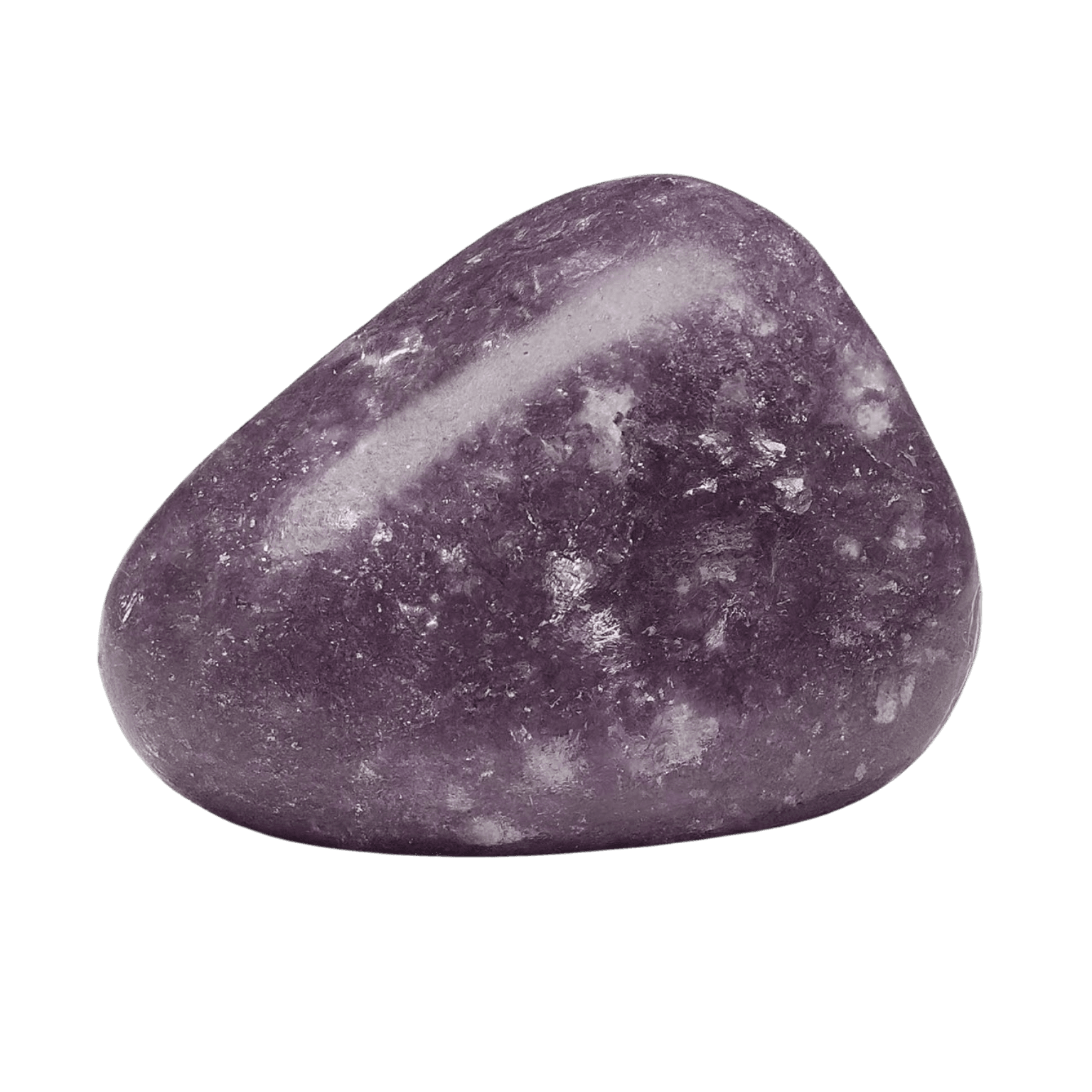
Lepidolite crystal
3

Lepidolite

Best for nights when the mind will not put the day down

Lepidolite is the stone for the sleeper whose restlessness is really worry wearing a sleep mask. Hold this stone and notice the weight; there is a density to it that feels reassuring at bedtime, almost like a worry stone but heavier. It is a soft lilac mica, and traditional crystal healing has long kept it as the quiet evening stone. Crystal Bible author Judy Hall calls it 'the grandmother stone' for its quiet, steady presence, and in my practice it is the stone I recommend to clients whose nights are dominated by what-if thinking. According to metaphysical tradition, Lepidolite meets the body as much as the mind. The way this stone meets you when placed under the pillow is unmistakable, a kind of settling that arrives before the mind notices. Author Melody (Love Is in the Earth) writes that Lepidolite 'releases stress and tension.' Many people find that swapping their bedtime scroll for a few minutes of holding Lepidolite changes the whole shape of their evenings.

Why this stone for sleep

In traditional crystal healing, Lepidolite is the stone named for evenings when worry is the thing keeping you up.

How to use it

Place under your pillow or in the pillowcase. Hold it for a while before lights-out.

Pros

  • Traditionally the steadying evening stone
  • Suits worry-shaped restless nights
  • Gentle enough for sensitive sleepers
  • Discreet under-pillow stone

Cons

  • Flaky surface, can shed in the pillowcase
  • Avoid water cleansing
  • Mid-range price ($10-$25)
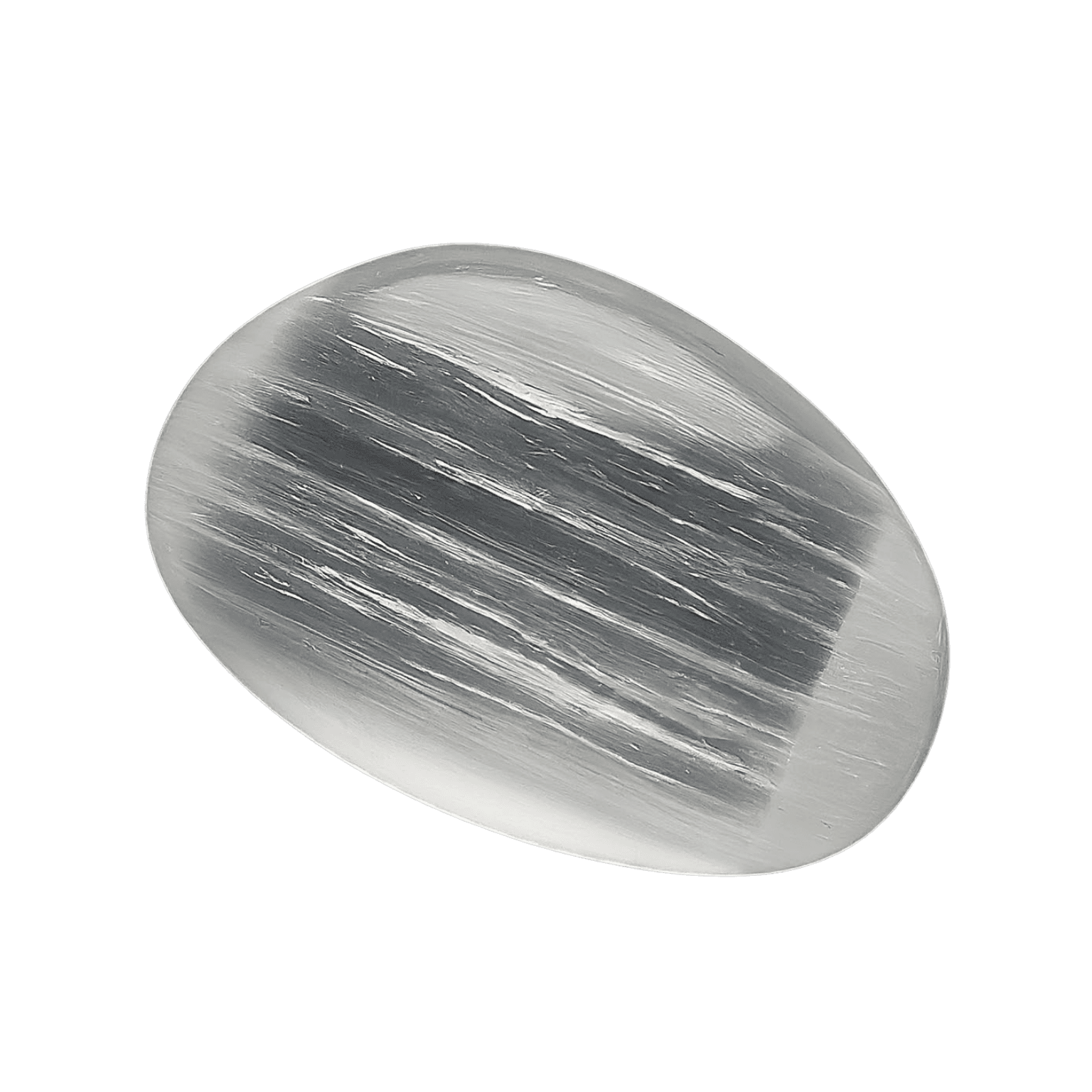
Selenite crystal
4

Selenite

Best for unexplained 3 a.m. waking

Selenite is the stone for the sleeper who wakes at 3 a.m. for no reason at all, no clear worry, no obvious cause, just a sudden, alert mind in the middle of the night. Hold a Selenite wand in low light and notice the way it almost glows from within; there is a luminous, high-vibration quality to this stone that feels different from any of the others on this list. Crystal Bible author Judy Hall describes Selenite as 'a powerful, high-vibration crystal that brings clarity of mind.' In traditional crystal healing, Selenite is associated with the crown chakra and is believed to clear stagnant or chaotic energy from the auric field. According to metaphysical tradition, the 3 a.m. waking often correlates with what energy workers call 'psychic noise', and Selenite is the stone most often prescribed for it. The way this stone meets you in the dark is peaceful in an unusually pure way. Author Melody (Love Is in the Earth) describes its energy as 'liquid light.' Place a Selenite wand on your bedside table or above the headboard. It also self-cleanses and can cleanse other crystals overnight.

Why this stone for sleep

High-vibration crown-chakra stone traditionally used to clear nighttime psychic disturbance and 3 a.m. waking.

How to use it

Place a wand on your nightstand or above the headboard. Run other crystals along it to cleanse them.

Pros

  • Self-cleansing (cleanses other stones too)
  • Unique peaceful, high-vibration energy
  • Beautiful luminous appearance
  • Affordable ($5-$15 for wands)

Cons

  • NEVER expose to water (it dissolves)
  • Very soft (Mohs 2), handle gently
  • Can flake or break easily
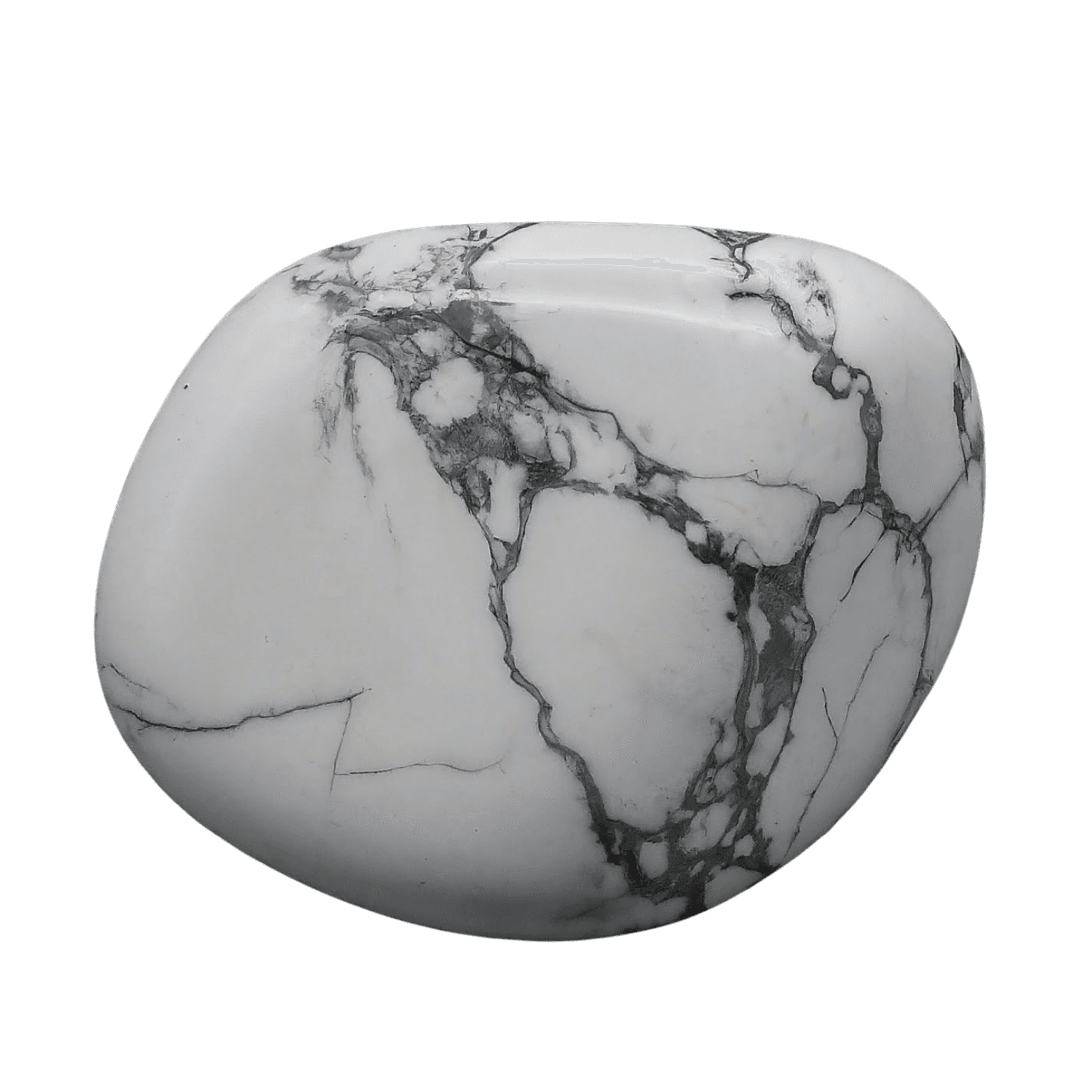
Howlite crystal
5

Howlite

Best for mental chatter and overthinking

Howlite is the dark horse of this list, most beginners have not heard of it, but in my practice it is the stone I reach for before Amethyst when the restlessness is pure mental chatter. Hold this white-and-grey stone in your palm and notice the cool, smooth surface; many people find the tactile quality alone slows the breath. The gray veining is uncanny, like a map of a mind that has finally agreed to rest. Crystal Bible author Judy Hall describes Howlite as a stone for 'an overactive mind,' calling it one of the most calming stones in the canon. In traditional crystal healing, Howlite is the stone for the sleeper who keeps composing tomorrow's to-do list at midnight. According to metaphysical tradition, it absorbs the kind of mental energy that loops without producing any useful thinking. The way this stone meets you at bedtime is steady and quieting. Author Melody (Love Is in the Earth) calls Howlite the 'patience stone.' Many people find that tucking it under the pillow is the change that finally suits a mind that will not stop making lists. Inexpensive and underrated.

Why this stone for sleep

Traditionally absorbs looping mental energy. In folk lapidary its marbled veining is read as a sign of settled, ordered thought.

How to use it

Place under the pillow. Hold it while you settle, then set it down and turn out the light.

Pros

  • Suits overthinking at bedtime
  • Very affordable ($3-$8)
  • Often preferred over Amethyst when the trouble is mental loops
  • Smooth, soothing texture

Cons

  • Less widely known (harder to find quality pieces)
  • Soft (Mohs 3.5), chips easily
  • Some Howlite is dyed to imitate other stones, buy from a reputable source
Decision matrix

Side-by-Side: Which Is Best for What?

If you are choosing between these five for a specific situation, here is the quick decision matrix. According to metaphysical tradition, the right stone is the one that matches your particular need.

If you want…Choose
Best for severe sleepLepidolite
Best for beginnersAmethyst
Best on a budgetHowlite
Best aestheticallyMoonstone
Best to combine with othersSelenite
Practice

How to Combine These Crystals

The most powerful sleep-stack in my practice is the three-stone nightstand grid: Amethyst cluster on the left, Selenite wand horizontally across the middle, and Lepidolite directly under the pillow. According to metaphysical tradition, this layout creates an ambient calming field around the bed that does not require active engagement to work, useful for the kind of restless night where any 'effort' to sleep makes it worse.

For under-pillow placement, choose one of: Lepidolite (worry that will not settle), Howlite (overthinking), or Amethyst (bedtime worry-loops). Stacking multiple stones under the pillow rarely suits people as well as one well-chosen stone, many find that less is more here. If you need a backup, place a second stone on the nightstand rather than adding it to the pillow stack.

For sleep that follows a rhythm, your own monthly cycle or the moon's, Moonstone is the keystone, paired with Selenite for clearing and Amethyst for mind-quieting. Wear Moonstone as a pendant during the day so the body has continuity from waking into sleep.

Many people working with these stones also explore the Crown Chakra page for traditional pairings and balancing practices.

Safety

What to Avoid

Good to know

Frequently Asked Questions

What is the single best crystal for sleep if I can only have one?

Amethyst is the safest first pick, it is affordable, widely available, beautiful, and the stone most traditionally kept at the bedside for a mind that will not settle. If worry is the thing keeping you up, choose Lepidolite instead. Neither is a treatment for a sleep disorder.

Can I sleep with crystals under my pillow safely?

Yes, with two caveats. Choose smooth, tumbled stones (no sharp clusters), and limit yourself to one or two pieces, a crowded pillowcase will disturb sleep on its own. Lepidolite, Howlite, and Amethyst tumbles are all safe under-pillow choices.

Does the size of the crystal matter for sleep?

Less than people think. A small tumbled Amethyst on the nightstand is often as effective as a large cluster. According to metaphysical tradition, intention and consistency matter more than mass.

How long before I should expect a difference in my sleep?

Many people notice an immediate calming effect from the bedtime ritual itself (holding the stone and breathing). For deeper energetic shifts, traditional crystal healing suggests 2-4 weeks of consistent nightly use.

Can sleep crystals replace my sleep medication?

No. Crystals are an energy and spiritual practice, not a medical treatment. Any decision about a prescription belongs with your prescriber, never with a stone. Many people find crystals work well as a complement to medical care.

Should I cleanse my sleep crystals?

Yes, crystals that have absorbed weeks of nighttime energy benefit from cleansing. Moonlight on a windowsill is ideal for all five stones on this list. Avoid water for Selenite and Lepidolite.

Are there crystals I should NOT keep in the bedroom?

Many practitioners avoid high-stimulation stones like Carnelian, Citrine, or Pyrite in the bedroom because they are traditionally associated with energetic activation rather than rest. Keep these in the office or living room.

What if I share a bed with someone whose sleep is different from mine?

Place your stones on your side of the bed only, on your nightstand or under your pillow specifically. Crystals are traditionally personal-energy items, and a stone you have charged for your sleep is yours, not the household's.

Keep exploring

What's Next?

Share Your Result

Vertical 9:16 format, perfect for Instagram Stories or TikTok. Opens in a new tab; long-press or right-click to save.

Free Guide

Where to start with crystals

Cassandra's free starter library covers the twelve stones that do most of the work, four cleansing methods and when each applies, and what the tradition says next to what the marketing says.

We respect your inbox. Unsubscribe anytime.