Multi-Crystal Comparison

Anxiety Crystals Compared: 5 Best Stones (Ranked and Reviewed)

5 best stones for anxiety, ranked and reviewed

5 stones ranked · Traditional sources · Reviewed by Crystal Cassandra

Crystal Cassandra

By Crystal Cassandra · Updated August 3, 2026

Crystal Healing Expert

Best Crystals for Anxiety

In traditional crystal healing, the 5 crystals most often reached for around anxiety are Amethyst, Lepidolite, Rose Quartz, Black Tourmaline, and Smoky Quartz. These are traditional associations offered for reflection and calming ritual, not treatments. Below: which to choose and why.

Key Takeaways

Overview

The 5 Crystals Compared at a Glance

Here is the quick visual comparison. Each of these stones earns a place in traditional crystal healing for anxiety, the differences lie in how they meet you, what kind of anxiety they suit best, and how they fit your practice.

Lepidolite
Best For
Best overall, the traditional everyday calm stone
Primary Color
lavender, purple
Chakra
Heart, Third Eye
Key Property
In traditional crystal healing, Lepidolite is the stone most often named for ordinary, everyday unease.
Price Range
$10-$22
Amethyst
Best For
Best for a busy mind at bedtime
Primary Color
purple, violet
Chakra
Crown, Third Eye
Key Property
Traditionally associated with calming the overactive mind.
Price Range
$8-$20
Rose Quartz
Best For
Best when the unease is self-criticism
Primary Color
pink, pale pink
Chakra
Heart
Key Property
Heart-chakra opener that traditionally softens the inner critic, the engine behind many worry patterns.
Price Range
$8-$15
Black Tourmaline
Best For
Best when the unease comes from the room you are in
Primary Color
black
Chakra
Root
Key Property
Traditionally creates an energetic boundary against external stressors, and is the stone most often chosen for crowded or tense settings.
Price Range
$8-$18
Smoky Quartz
Best For
Best when the unease will not stay in the head
Primary Color
brown, grey-brown
Chakra
Root
Key Property
Root-chakra grounding stone traditionally used to draw scattered energy downward and settle it.
Price Range
$8-$18
Stone by stone

In-Depth Reviews

In my practice, choosing between these five is rarely about which is "best" in an absolute sense, it is about which one meets the specific shape of your anxiety. Below, I walk through each stone in detail, in order of how often I recommend them.

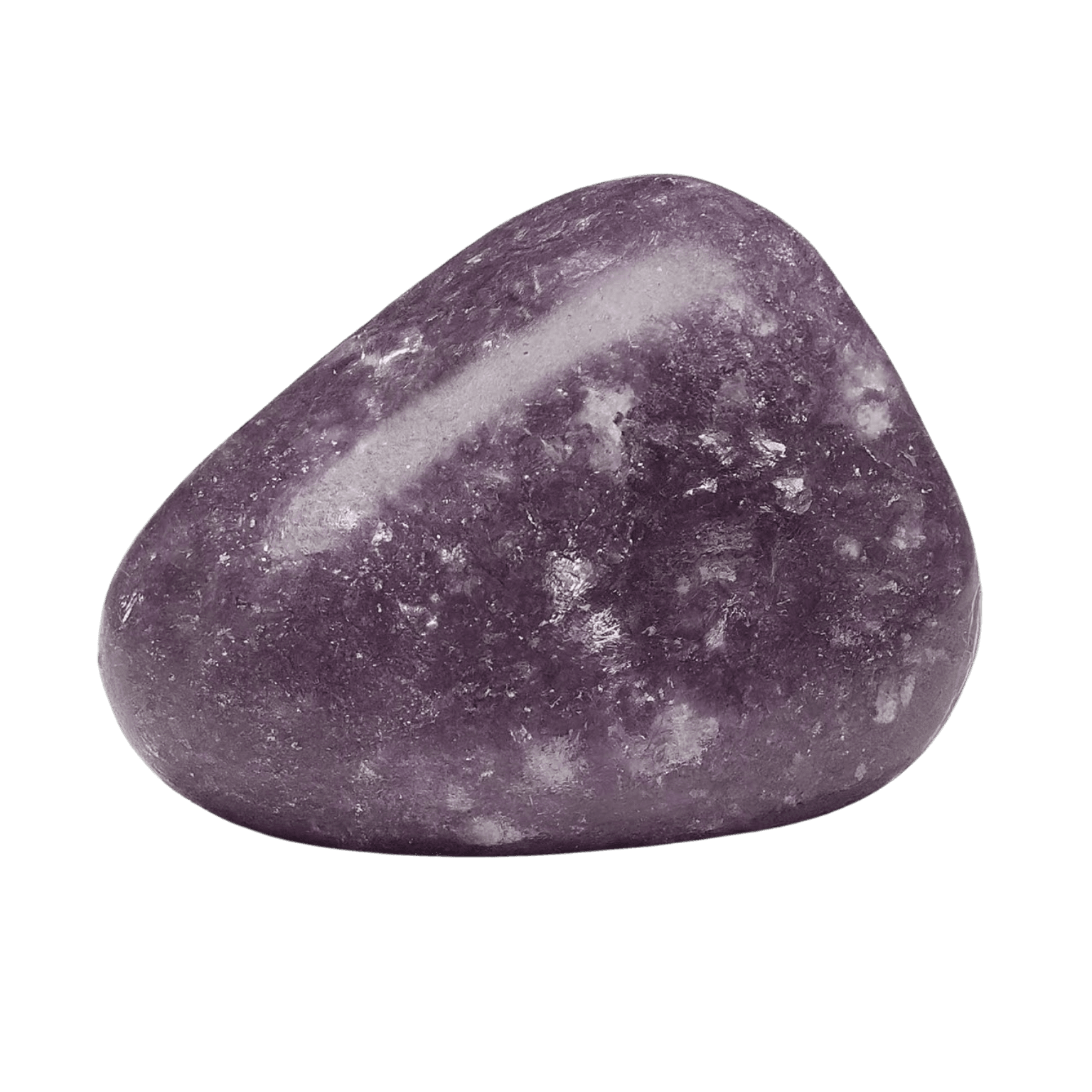
Lepidolite crystal
1

Lepidolite

Best overall, the traditional everyday calm stone

Lepidolite is the stone I reach for first when someone describes their unease as a constant background hum, the kind that never quite turns off. Hold this stone and notice the weight; there is a density to it that feels reassuring in the palm, almost like a worry stone but heavier. Mineralogically it is a lilac mica, soft and layered, and in traditional crystal healing it has long been the quiet stone, the one kept for ordinary days rather than dramatic ones. Crystal Bible author Judy Hall calls it 'the grandmother stone' for its quiet, steady presence. According to metaphysical tradition, Lepidolite is associated with loosening circular thinking and with a slower, steadier way of meeting the day. In my practice, I recommend it to clients who feel unsettled without a clear cause, the diffuse, low-grade heaviness that follows you through the day. Many people find that simply carrying a tumbled piece in their pocket and reaching for it during waves of overwhelm becomes a meaningful anchor. The lilac coloration also makes it visually calming, which matters more than most people realize.

Why this stone for anxiety

In traditional crystal healing, Lepidolite is the stone most often named for ordinary, everyday unease. Author Melody (Love Is in the Earth) groups Lepidolite among the stones associated with releasing stress and tension.

How to use it

Carry a tumbled piece in your pocket and hold it during a wave of overwhelm. Keep one on the nightstand for restless evenings.

Pros

  • Traditionally the first-named calm stone
  • Suits diffuse, low-grade unease
  • Gentle enough for sensitive users
  • Layers well with other stones

Cons

  • Can be flaky/fragile, not great for keychains
  • Mid-range price ($10-$25)
  • Avoid water cleansing (it can damage the surface)
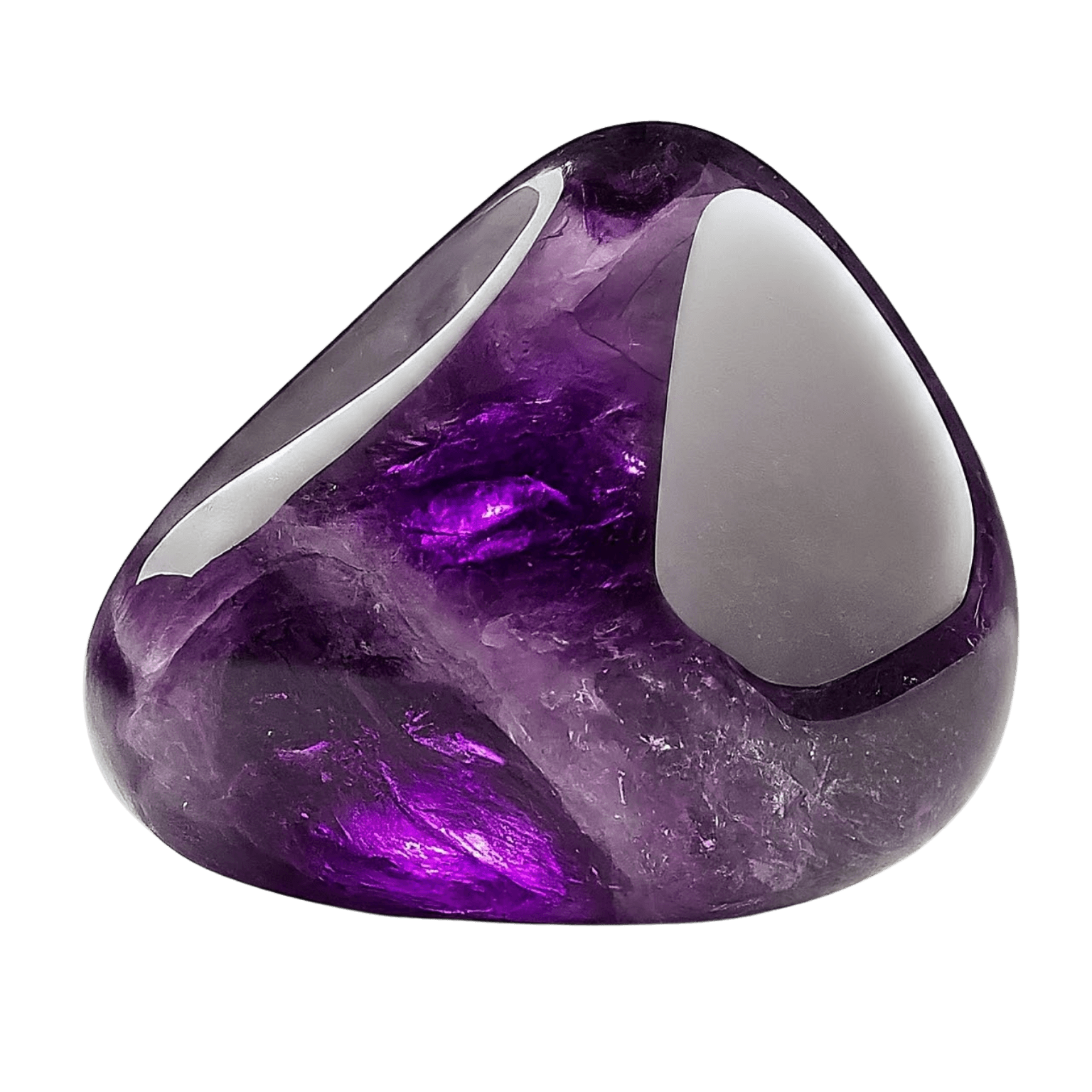
Amethyst crystal
2

Amethyst

Best for a busy mind at bedtime

Amethyst is the stone most people meet first, and there is a reason it has held its place at the center of the crystal-healing tradition for centuries. When you cup it in your palm, the cool, hard violet meets you with a kind of authority, Crystal Bible author Judy Hall calls it the 'all-purpose' stone and describes it as a stone for what she calls 'mental overwhelm.' In my practice, Amethyst is the stone I suggest for clients whose unease lives mostly in the head, the looping thoughts, the worry you cannot put down at 3 a.m. According to metaphysical tradition, Amethyst's violet ray works on the third-eye and crown chakras, which is where overactive mental energy tends to gather. The way this stone meets you in meditation is unmistakable, a gentle dimmer switch on the noise. Many people find that placing an Amethyst cluster on the nightstand quiets the racing mind that activates the moment the lights go out. It is also remarkably affordable and widely available, which makes it the most accessible entry point for someone new to crystal work.

Why this stone for anxiety

Traditionally associated with calming the overactive mind. In traditional crystal healing, the third-eye chakra (Amethyst's domain) is where worry-loops gather.

How to use it

Place a cluster on your nightstand. Hold a tumbled stone in your palm for a slow minute before lights-out.

Pros

  • Most affordable of the top 5 ($5-$15)
  • Widely available everywhere
  • Traditionally kept at the bedside
  • Doubles as bedroom decor

Cons

  • Fades in prolonged sunlight
  • Traditionally chosen for mental unease; the tradition names other stones when the restlessness is more physical than mental
  • Some people find quartz energy too 'bright' when unease is at its loudest
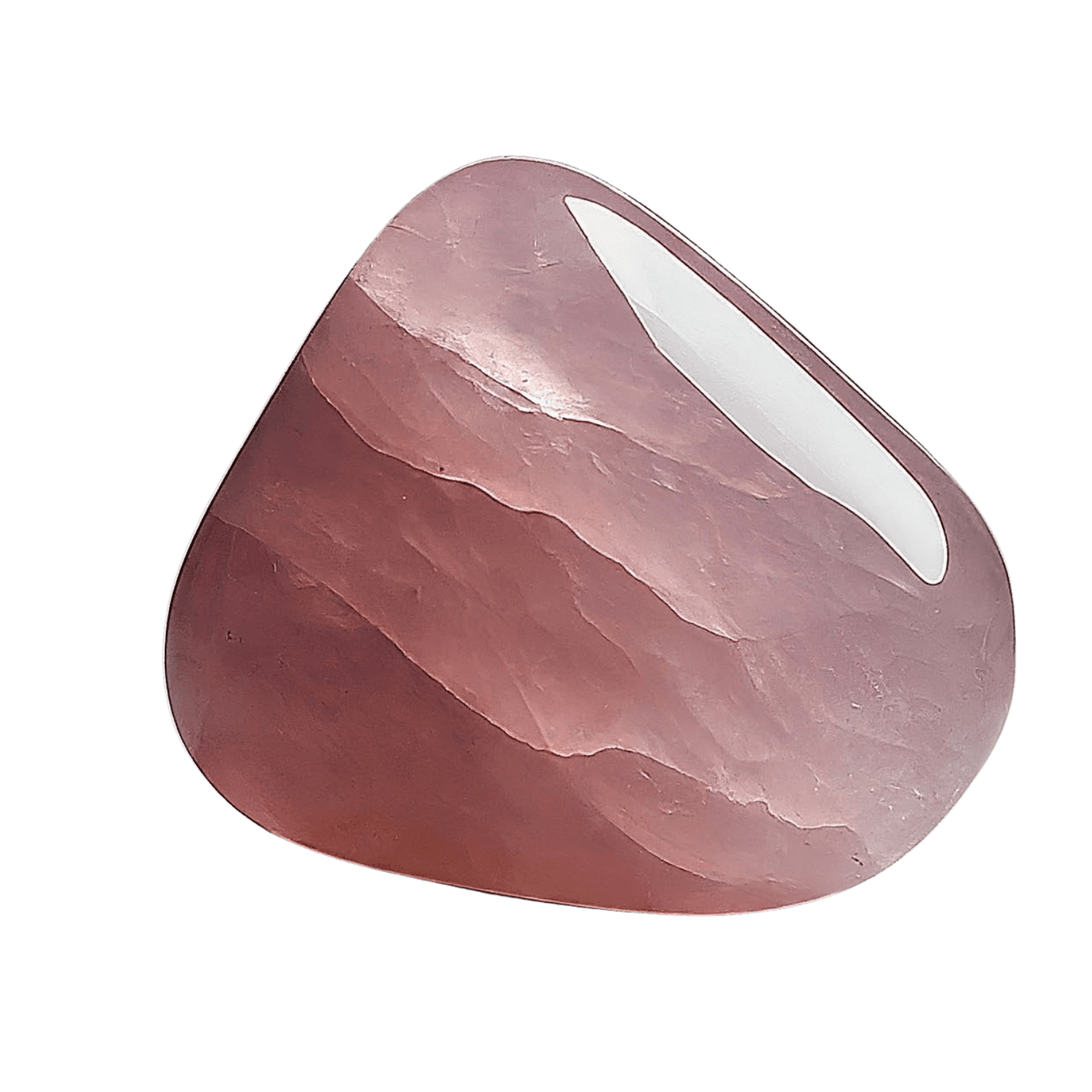
Rose Quartz crystal
3

Rose Quartz

Best when the unease is self-criticism

Rose Quartz earns its place on any list like this because of one specific kind of experience, the kind rooted in self-judgment. When the anxious voice is the one telling you that you are too much, not enough, or doing it wrong, Rose Quartz is the stone that meets that voice. Crystal Bible author Judy Hall describes Rose Quartz as 'the finest healer' for the emotional body. Hold this stone and notice how it warms faster than other quartz varieties, many people find this immediate warmth unusually soothing during a wave of self-criticism. Author Melody, in Love Is in the Earth, writes that Rose Quartz works through 'gentle, unconditional acceptance,' which is exactly the quality inner-critic work asks for. In my practice, I hand Rose Quartz to clients whose worry always seems to circle back to 'I'm doing this wrong' or 'they're going to find out I'm a fraud.' According to metaphysical tradition, it does not fight the anxious thought; it simply makes room for self-compassion to coexist with it. The pink coloration is also visually disarming, it is hard to hold something this soft-colored and stay in attack mode against yourself.

Why this stone for anxiety

Heart-chakra opener that traditionally softens the inner critic, the engine behind many worry patterns.

How to use it

Hold it at the heart center whenever the self-critical voice gets loud. Wear as a pendant.

Pros

  • Traditionally chosen for shame-shaped unease
  • Beautiful, beginner-friendly
  • Affordable ($5-$15)
  • Water-safe for ritual baths

Cons

  • Traditionally paired with grounding stones rather than used alone
  • Fades in prolonged sun
  • Not the traditional first choice in an acute moment; Lepidolite is named more often there
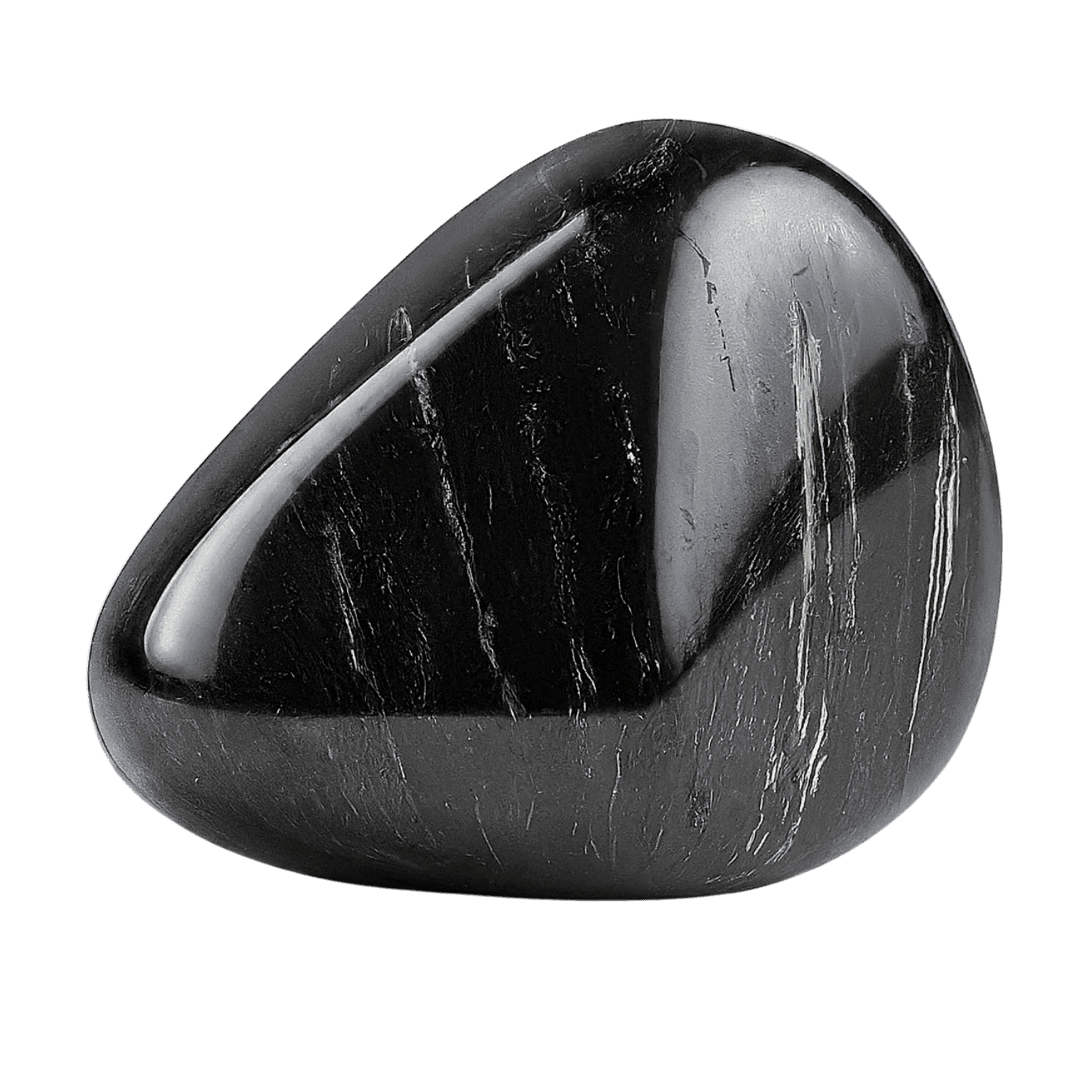
Black Tourmaline crystal
4

Black Tourmaline

Best when the unease comes from the room you are in

Black Tourmaline is the stone for the unease that arrives with other people, the crowded room, the tense workplace, the dread before a difficult phone call. Hold this stone and notice its heft; it is denser than most stones its size, and many people find this physical weight reassuring during exposure to stressful environments. Crystal Bible author Judy Hall calls Black Tourmaline 'a premier shielding stone' and recommends it specifically for what she calls 'energetic vampirism', the depleted feeling that comes after being around certain people. According to metaphysical tradition, Black Tourmaline creates an energetic boundary between you and external stress. In my practice, I recommend it to anyone who feels the day tighten in crowded, hostile, or emotionally turbulent environments, public transit, family gatherings, open-plan offices. Author Melody (Love Is in the Earth) emphasizes its grounding function as much as its protective one, which matters because many of us live above our bodies when we are unsettled. The way this stone meets you is steadying, it draws scattered energy downward rather than trying to talk you out of the fear. Keep a piece at the door, in your bag, or at your desk.

Why this stone for anxiety

Traditionally creates an energetic boundary against external stressors, and is the stone most often chosen for crowded or tense settings.

How to use it

Place near your front door, at your work desk, or in your bag. Hold during stressful conversations.

Pros

  • Strong protective/grounding energy
  • Robust and durable (won't chip easily)
  • Affordable ($8-$20)
  • Excellent for high-stimulation environments

Cons

  • Not water-safe long-term
  • Heavy energy may feel too dense for sensitive users
  • Black color may feel visually intense for some
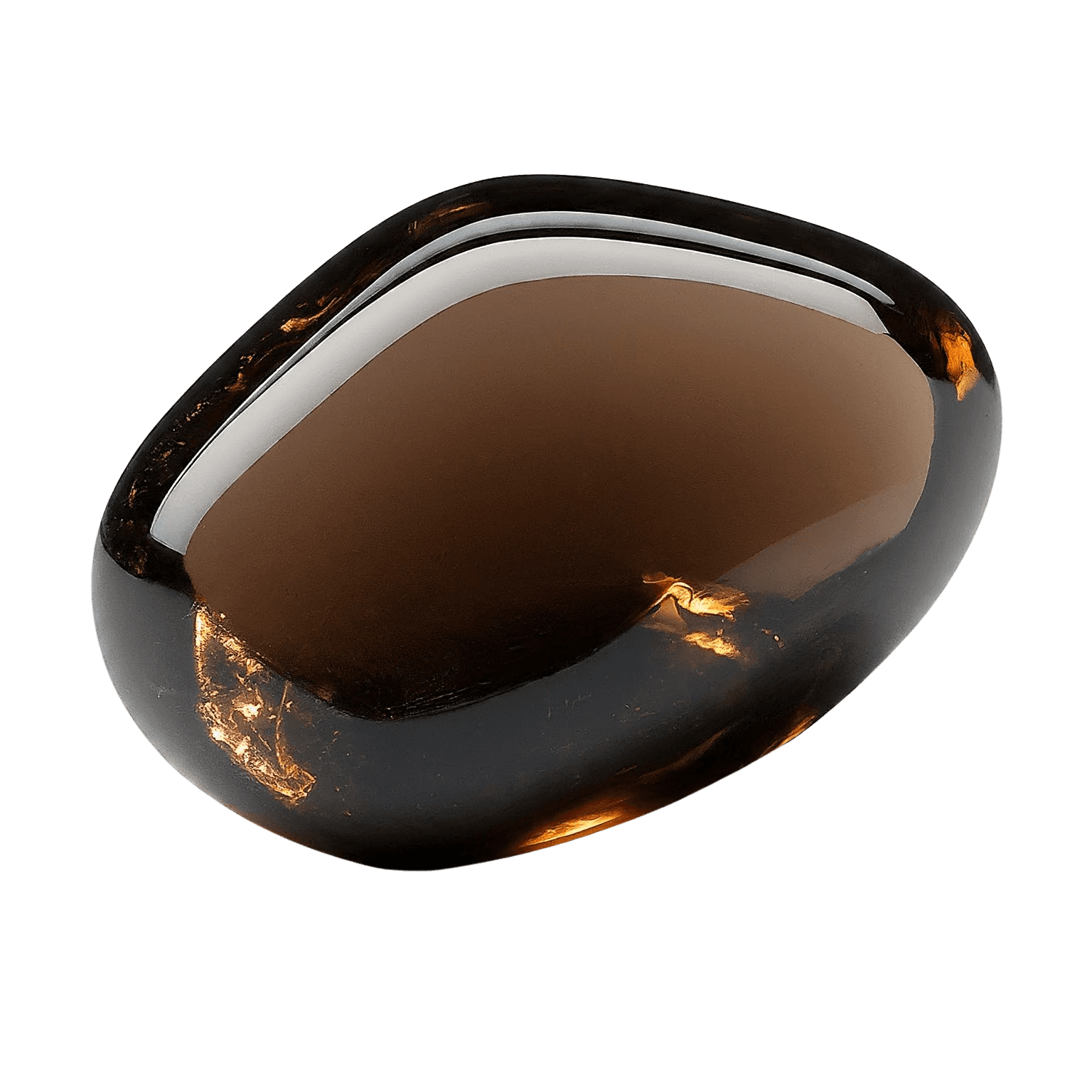
Smoky Quartz crystal
5

Smoky Quartz

Best when the unease will not stay in the head

Smoky Quartz is the stone I reach for when the day has stopped being a thought and has settled in, when no amount of thinking your way out of it works because the worry is no longer in the head. When you cup it in your palm, you feel a kind of weighted stillness that quartz crystals do not usually carry; Smoky Quartz has been likened to a 'storm drain' by Crystal Bible author Judy Hall, because of its traditional ability to draw stuck or excess energy downward and away. Author Melody (Love Is in the Earth) describes its energy as grounding without being dulling, which is the right balance for someone who wants to settle without feeling numb. According to metaphysical tradition, Smoky Quartz works on the root chakra, the traditional seat of foundation and belonging. Many people find that simply holding it in both palms at the end of a hard day gives them something solid to set the day down against.

Why this stone for anxiety

Root-chakra grounding stone traditionally used to draw scattered energy downward and settle it.

How to use it

Hold it in both palms at the end of the day. Place between your feet during seated meditation.

Pros

  • Traditionally chosen for restless, unsettled energy
  • Durable and water-safe
  • Affordable ($8-$18)
  • Pairs well with all the other stones here

Cons

  • Traditionally paired with mind-focused stones for busy thinking
  • Brown color may feel less appealing aesthetically
  • Effects can feel subtle to beginners
Decision matrix

Side-by-Side: Which Is Best for What?

If you are choosing between these five for a specific situation, here is the quick decision matrix. According to metaphysical tradition, the right stone is the one that matches your particular need.

If you want…Choose
Best for severe anxietyLepidolite
Best for beginnersAmethyst
Best on a budgetAmethyst
Best aestheticallyRose Quartz
Best to combine with othersSmoky Quartz
Practice

How to Combine These Crystals

Multi-crystal pairing is where this work gets interesting. The layout I return to most is what I call the three-stone palm grid: Lepidolite for steadiness, Smoky Quartz for grounding, and Amethyst for a quieter mind. Rest them on a cloth in front of where you sit, settle comfortably, and breathe at your own pace for as long as it suits you. According to metaphysical tradition, this layout is used because unease is rarely only mental or only physical, it moves between the two, and a three-stone approach meets it in more than one place.

For daily carry, pair Lepidolite (in your pocket) with Black Tourmaline (in your bag or at your desk). Lepidolite is the traditional companion for the inside weather; Black Tourmaline for the outside. Many people find that this two-stone combination suits them better than either stone alone, because unease usually has both an inside and an outside component.

If you only have room for one pairing, choose Rose Quartz plus Lepidolite. Lepidolite is the steadying stone; Rose Quartz is the one traditionally associated with quieting the inner critic. Hold one in each hand during a meditation, or wear them both as a layered bracelet stack.

Many people working with these stones also explore the Heart Chakra page for traditional pairings and balancing practices.

Safety

What to Avoid

Good to know

Frequently Asked Questions

What is the single best crystal for anxiety if I can only choose one?

Lepidolite is my first recommendation in traditional crystal healing, it is the stone most often named for ordinary, everyday unease and it is gentle enough to carry daily. If Lepidolite is unavailable or out of budget, Amethyst is the more accessible second choice and is traditionally kept close when the mind will not settle. Neither is a treatment, and neither replaces professional care.

Are these crystals safe to use alongside anxiety medication?

Crystals are a spiritual and reflective practice rather than a medical one, so many people keep them alongside whatever care they are already receiving. Never start, stop, or change any medication without talking to your prescriber, that decision belongs with them. Crystals complement professional care; they do not stand in for it.

How long does it take for an anxiety crystal to start working?

Many people report feeling some calming effect within minutes of holding the stone, but this is largely the result of the ritual itself, pausing, breathing, focusing. According to metaphysical tradition, deeper energetic work takes 2-4 weeks of consistent daily use to settle in.

Can I wear all 5 anxiety crystals at once?

You can, though many people find that fewer stones with more intention suits them better than wearing everything at once. Try Lepidolite + Black Tourmaline + Rose Quartz as a daily-wear bracelet stack, that combination covers the inside weather, the outside triggers, and the inner critic.

How do Lepidolite and Amethyst differ for anxiety?

Lepidolite and Amethyst are traditionally chosen for different moments rather than ranked against each other. Lepidolite is the stone named for diffuse, everyday unease and for daily carry. Amethyst is the one kept at the bedside for night-time worry-loops and a mind that will not settle. Many people end up keeping both.

Where should I keep my anxiety crystals?

Keep one on your person (pocket or jewelry) for daytime use, one on your nightstand for sleep, and one at your work desk or front door for environmental support. The most-used stone is the one within reach when you need it.

Should I cleanse my anxiety crystals?

Yes, after intense emotional use, many people find that cleansing restores the stone's clarity. Use moonlight (overnight on a windowsill) or selenite contact for all 5 stones on this list. Avoid water for Lepidolite, and avoid prolonged sun for Amethyst.

Can I give an anxiety crystal as a gift?

Yes, and Rose Quartz is traditionally the most-gifted of these five because it carries the gentlest energy and the most universally appealing color. Include a card explaining how to hold it, that small ritual is often where the real shift happens.

Keep exploring

What's Next?

Share Your Result

Vertical 9:16 format, perfect for Instagram Stories or TikTok. Opens in a new tab; long-press or right-click to save.

Free Guide

Where to start with crystals

Cassandra's free starter library covers the twelve stones that do most of the work, four cleansing methods and when each applies, and what the tradition says next to what the marketing says.

We respect your inbox. Unsubscribe anytime.