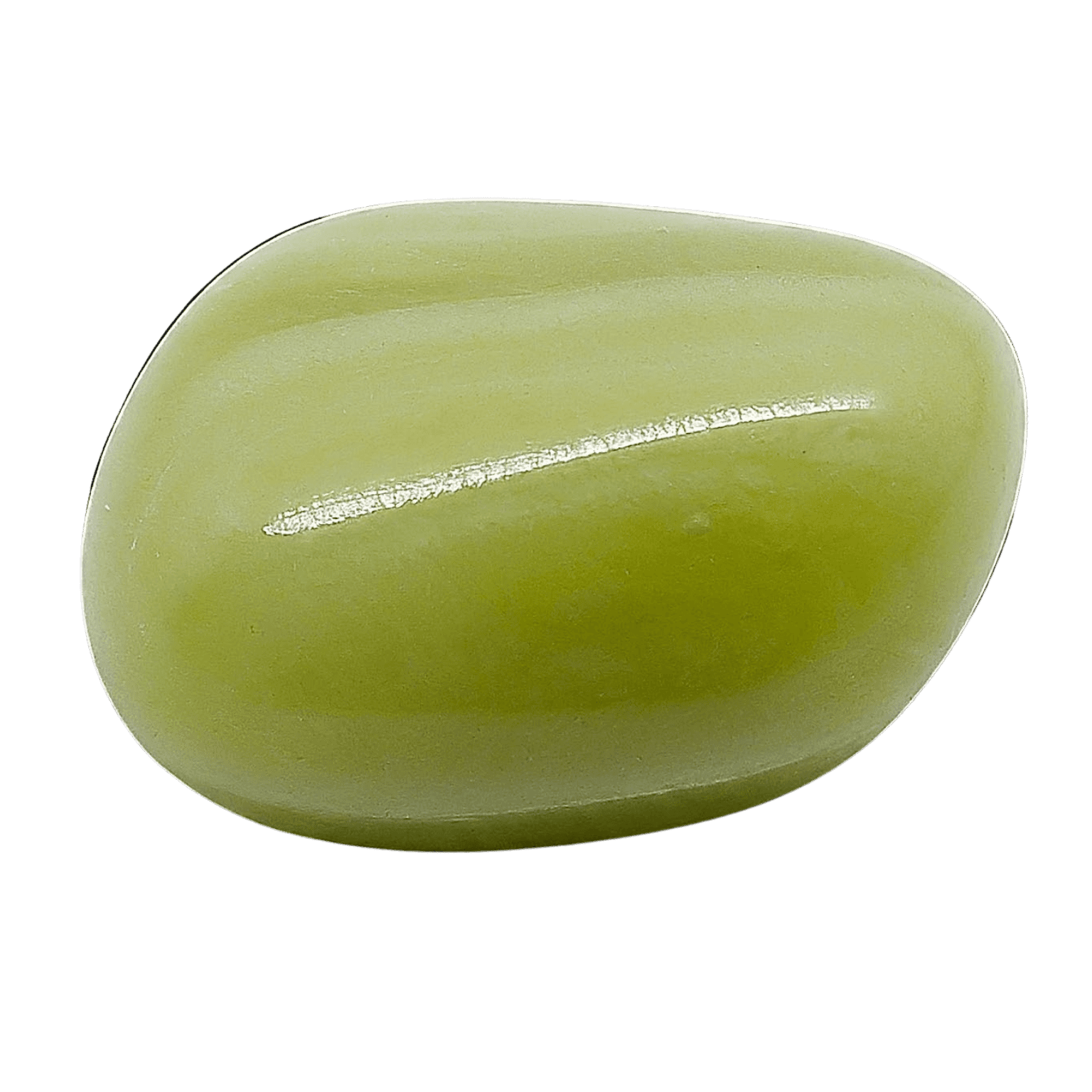

Quick Answer
Serpentine is a green crystal used in modern crystal healing for healing, grounding, and calm. It measures 3.5 on the Mohs hardness scale and typically costs $8 to $22 for a tumbled stone. In the chakra tradition, Serpentine is associated with the Heart and Root chakras.
Worth knowing: Serpentine, abundant in California's belts of altered ancient ocean floor, has been that state's official rock since 1965, when California became the first US state to designate one.
“A green-to-yellow serpentine of earth connection and kundalini activation; polished pieces only.”
- Chakra
- Heart (Anahata), Root (Muladhara)
- Zodiac
- Gemini ♊, Scorpio ♏
- Element
- Earth 🌍
- Planet
- Saturn ♄
- Hardness
- 3.5 / 10 (Mohs)
- Colors
- Green, Yellow-green, Olive
- Origin
- Afghanistan, China, USA
- Price Range
- 8 to 22
Care + Safety
Serpentine at a glance
- Water: avoid, may damage or leach
- Sun: tolerates sunlight charging
- Mohs hardness: 3.5 (display + meditation only)
What is Serpentine?
Serpentine minerals form when water hydrates olivine-rich mantle rock, a reaction called serpentinization that releases heat and hydrogen and figures in research on the chemistry of early life. The mottled, snakeskin-like green of the resulting stone gave the group its name, from the Latin serpens, meaning snake.
Serpentine measures 3.5 on the Mohs scale and shows green, yellow-green, or olive coloring. Change is its department: a threshold stone by family, kept close for healing, grounding, and calm and for the crossings they imply.
The stone connects primarily to the Heart (Anahata) and Root (Muladhara) chakras, carrying Earth energy. Sources include Afghanistan, China, and USA; deposit matters more than beginners expect, and collectors learn to recognize where a piece of Serpentine was mined by its color depth and pattern.
Serpentine is the parent group of many green-to-yellow magnesium silicates, including lizardite, antigorite, and chrysotile. Hold this stone and notice a slow, vegetative earth steadying. The classical sources describe Serpentine as a stone of kundalini activation and earth-connection; because the family can include fibrous habits, handle polished pieces only.
Also catalogued as New Jade and Bowenite, Serpentine earns its place in a working collection by being usable: start with healing, the job it is best known for, and let the stone widen its own brief from there.
History and Mythology
Serpentine is a modern entry in the crystal canon. Its mineral identity was established in the scientific era, the healing vocabulary around it dates to recent decades, and any claim of ancient ritual use should be met with a raised eyebrow. The stone itself, formed in deposits now mined in Afghanistan, China, and USA, is of course older than every book ever written about it.
The correspondence tables used by today's practitioners assign Serpentine to Gemini and Scorpio under the rulership of Saturn ♄. In that system, work centered on healing is said to land best while those signs are in season.
Hold the two timescales side by side, centuries of human use at most against epochs of formation behind every Mohs 3.5 specimen of Serpentine; the deep time is the one part no marketing can inflate.
Serpentine Meaning and Metaphysical Properties
What the Hand Learns First
The hand learns Serpentine fast: a Mohs 3.5 stone whose green face warms readily and carries a soft luster that invites the thumb to keep circling it. Mind what surfaces unbidden in the first quiet minute; threshold stones have a way of bringing up exactly what is half-finished, and the visit means something.
Primary Properties
Serpentine is counted among the threshold stones: healing, grounding, calm, and heart healing. This family attends endings and beginnings, the habit being set down, the season being stepped into. The stone marks the process; the crossing is yours to make.
How Crystal Energy Works
Serpentine works through the Heart center in the traditional map, the middle station where the lower and upper energies cross, and healing is its assignment there. Let the breath set the tempo, stone resting over the heart, healing, grounding, and calm held softly in mind, with nothing pushed. Melody's entries for the transformation stones circle one verb, release: what is carried out of the system so that something new can be carried in.
Amplification Through Intention
Earth stones such as Serpentine are traditionally treated as keel rather than sail; they hold a healing course. Give the assignment once, clearly, and then let routine carry it.
Healing Benefits
Emotional Support
Emotionally, Serpentine walks the harder passages: healing, grounding, and calm. Its traditional role is witness rather than fixer, a presence for grief, for endings, for the clear-eyed accounting, the kind of company that does not leave early. As with all crystal healing, healing support from a stone is reflective practice rather than medicine; significant emotional concerns deserve qualified human help.
Spiritual Connection
Spiritually, Serpentine attends the rites of ending well, the released page, the closing inventory, the farewell made deliberately. What the stone marks is the difference between finishing something with attention and simply walking away from it.
Physical Presence
Physically, Serpentine belongs to the slow systems: steady meals, regular sleep, the unglamorous maintenance that healing actually rests on. Keep it where the routines happen as a quiet vote for keeping them; anything clinical belongs with clinicians.
Chakra Connection
Serpentine resonates most strongly with the Heart (Anahata), the energy center traditionally drawn in green / pink and the traditional seat of this stone's healing work. When this center runs clear, the classical markers are warmth toward others, compassion that includes yourself, and an open emotional door; healing, grounding, and calm are what Serpentine is most often asked to bring to it.
Lie down with Serpentine at the heart center, letting the breath rock it; a quiet unmeasured stretch of that is the oldest heart-stone session in the book, and healing is the usual request.
Serpentine also keeps a working line to the Root (Muladhara), which widens its range in layouts; let the primary placement lead, and add the second position once the first feels familiar.
Zodiac and Astrological Connection
In the modern correspondence tables Serpentine is assigned to Gemini ♊ (May 21 to Jun 20) and Scorpio ♏ (Oct 23 to Nov 21); a Sun, Moon, or rising placement there is read as a head start with this stone, nothing more.
The gate, though, stands open: you do not need a Gemini Sun to work with Serpentine, and a genuine pull toward the stone outweighs its paper assignments.
The assigned ruler is Saturn ♄; in practice that means Serpentine comes out when that planet is prominent in the sky or in your chart, and healing is the work it is handed.
How to Use Serpentine
Five practices suit Serpentine especially well. Pick the one that fits the day you are actually having rather than the routine you think you should have.
- 1
Meditation Hold
Take up Serpentine as you settle in; at Mohs 3.5 it takes on your warmth within a minute or two, and that slow merge is a useful anchor whenever the mind wanders.
- 2
Body Placement
Heart-center layouts hand the pacing to the breath: Serpentine rides the rise and fall while you lie still. Watch the stone rise and settle, and let the watching be the entire practice. In my own sessions the noticing is what stays with me long after the stone has gone back on the shelf. The request the old charts attach here is healing.
- 3
Sleep Companion
At night, park Serpentine on the nightstand rather than working it; its job is the day's healing, and ending the day cleanly is how tomorrow's session starts well.
- 4
Carry With You
Through a season that is closing, Serpentine makes a good pocket companion: each time the old pattern knocks and you touch the stone instead, another small entry gets added to the healing ledger.
- 5
Crystal Grid Anchor
Use Serpentine as the heart of a small grid for healing, with Jade and Lizardite alternating on the spokes. Place the stones slowly and set the last one down with the healing intention named out loud.
How to Cleanse and Charge
Keeping Serpentine energetically clear is essential, a crystal that's holding too much absorbed energy becomes less effective, like a sponge that's full. For the full water-safe / sun-safe / salt-safe profile, the recommended cleansing cadence, and the hands-on storage instructions I give my clients, see the dedicated Serpentine care guide.
- 1
Moonlight
Set Serpentine on a windowsill or ledge under the full moon and collect it in the morning. Moonlight is the gentlest cleanse in the tradition, safe for every stone in the collection and impossible to overdo.
- 2
Selenite
Lay Serpentine on a selenite plate or alongside a selenite wand overnight; selenite is the tradition's self-cleaning shelf, no effort, no risk to the stone.
- 3
Sage
Pass Serpentine through the smoke of white sage or rosemary for about thirty seconds, turning it so the smoke wraps every face, while you hold a clear intention of release.
- 4
Sound
A minute inside strong, sustained tone, bowl, chime, even a steady hum, resets Serpentine without physical risk, which makes sound the safest deep cleanse for fragile stones.
How often to cleanse
I recommend cleansing Serpentine at least once a month, more frequently if you're using it daily or during emotionally intense periods. You'll also learn to feel when a stone needs cleansing; it may feel heavier, duller, or simply “off.”
Charging after cleansing
Follow every cleansing with a charge: for Serpentine that means placing it in morning sunlight for 30 minutes. A cleared stone is neutral, a charged one is ready.
Crystal Pairings
Anchor stones make the best company for Serpentine; something has to hold still while the moving happens. Tradition supplies partners that bring ground, heart, or light to healing, and it expects the lineup to change as the season does. Updating the pair is not a failure of loyalty; it is the practice working.
How to Spot Real vs Fake Serpentine
The market in Serpentine has grown faster than its honesty, and green pieces are easy to imitate on a screen. Here is how to check one before you pay for it:
Temperature: at Mohs 3.5, genuine Serpentine warms in the hand noticeably faster than glass; an imitation in glass stays cold and slick well past the first minute.
Weight: real Serpentine should feel like stone rather than plastic pretending; if a palm-sized piece feels nearly weightless, walk away from it.
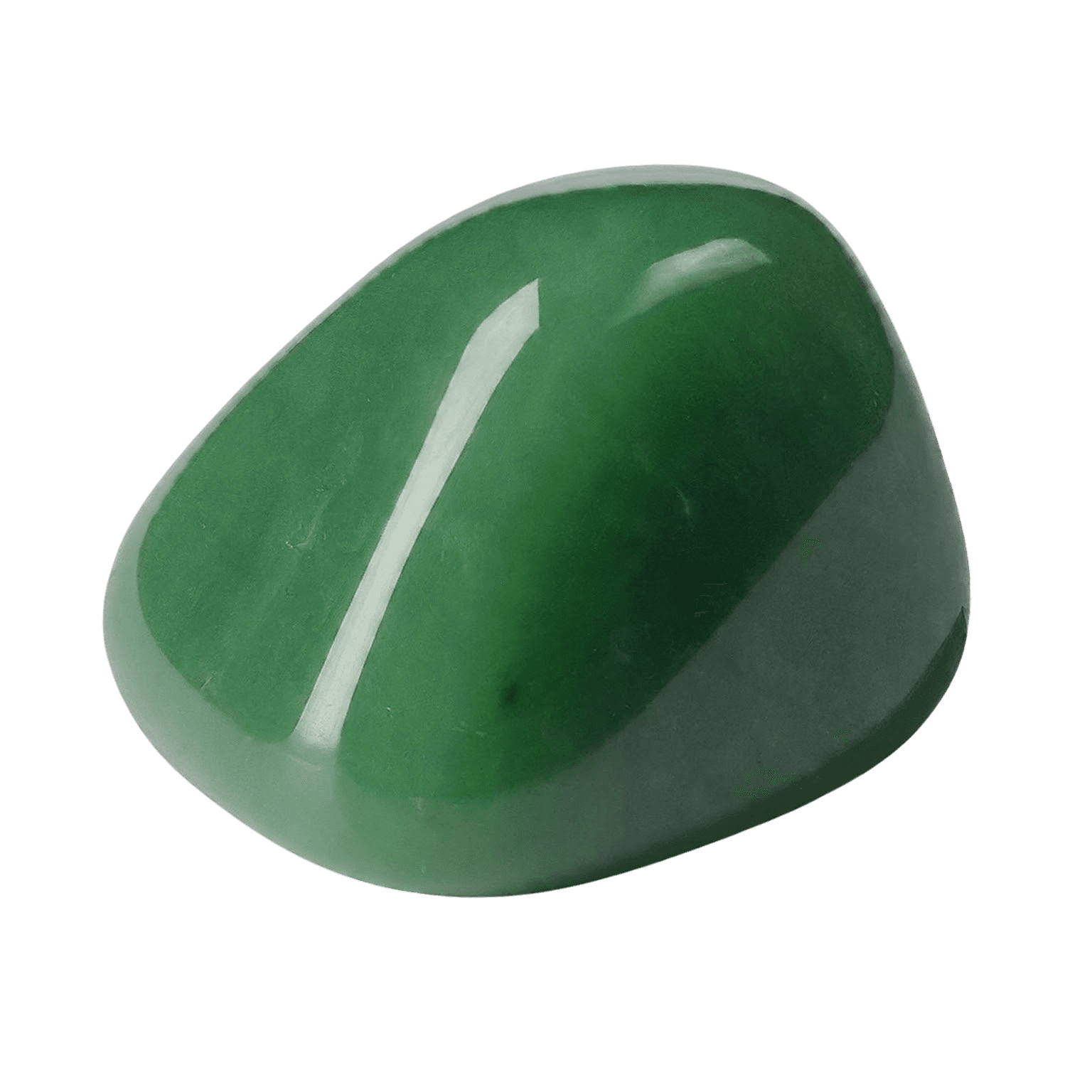
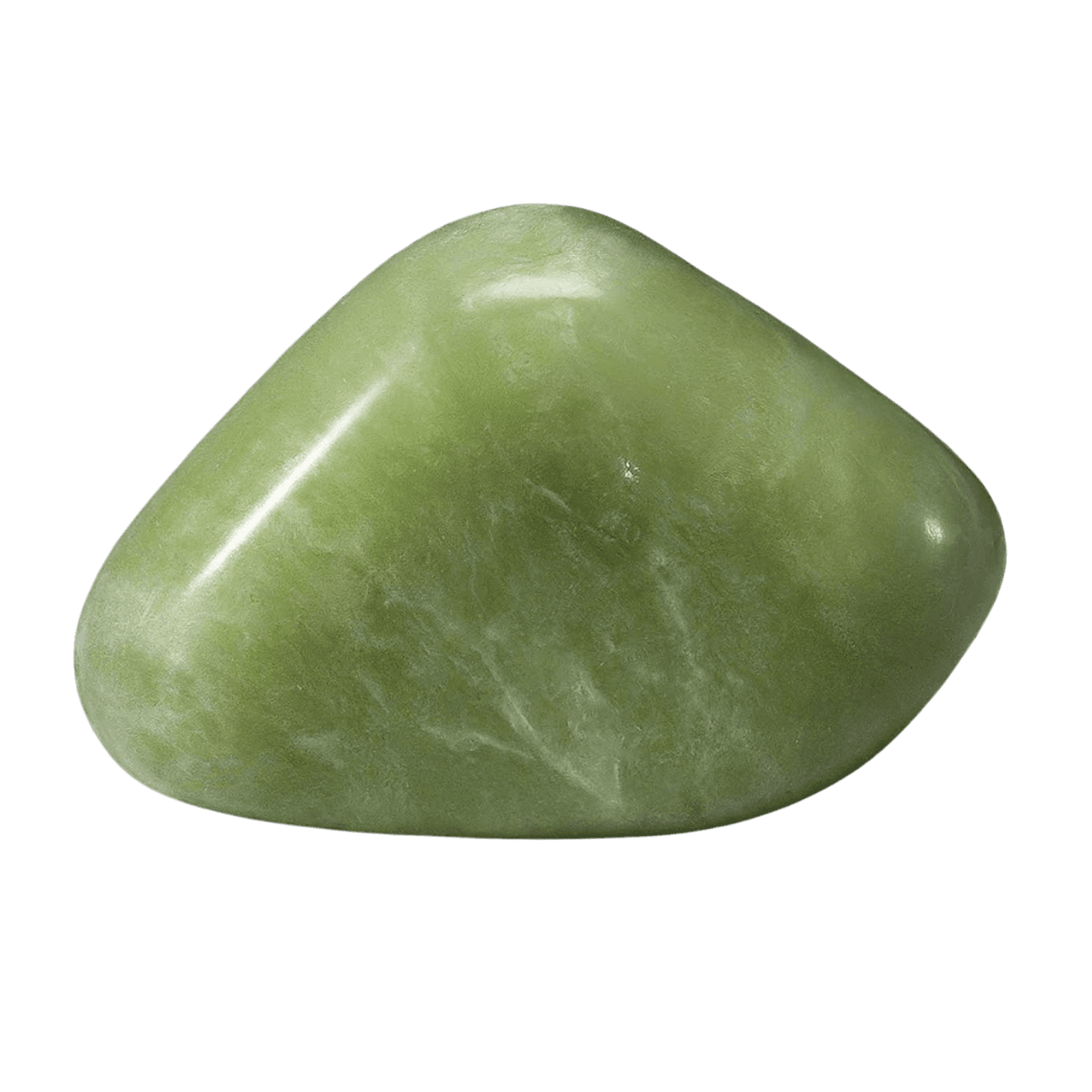
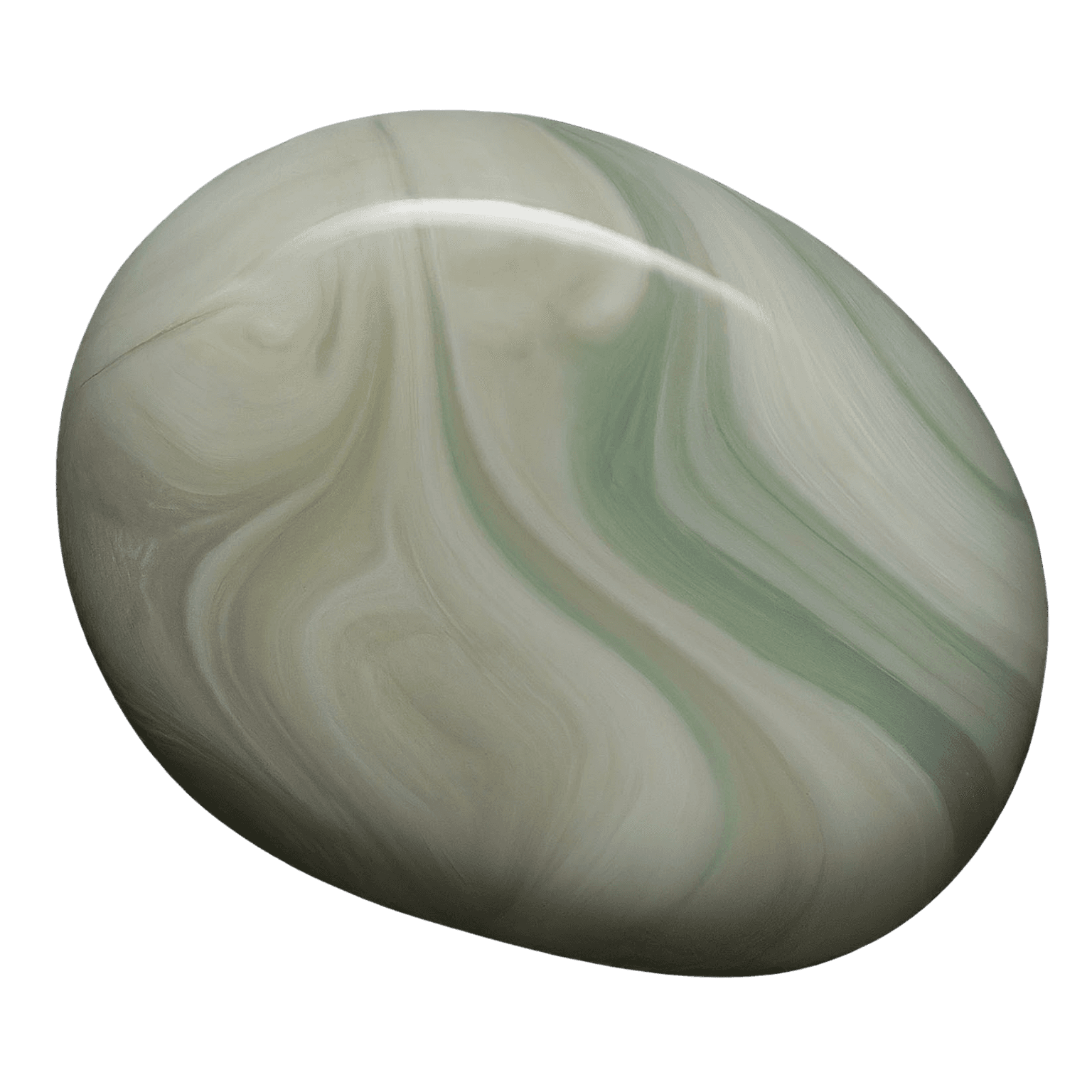
Color and pattern: the real range is green, yellow-green, or olive; treat neon saturation or flawless uniformity as a question for the seller, because nature rarely manages either.
Price: expect $8 to $22 for a decent tumbled or palm piece of Serpentine; dramatic discounts mean dye, resin, or mislabeling more often than they mean luck.
Trust your source: a seller who knows where a green stone like this came from and says so plainly is worth more than every test on this list; CrystalStones.com publishes provenance for each Serpentine piece for exactly that reason.
Bring it home
Shop Serpentine
Ethically sourced, hand-selected Serpentine starting from $8.
Shop SerpentineFrequently Asked Questions
What is Serpentine good for?
Serpentine is traditionally associated with healing, grounding, calm, and heart healing. Many people find it supportive for healing and for working with the Heart and Root chakras.
Can Serpentine go in water?
No. Serpentine should stay dry; cleanse it with Moonlight, Selenite, and Sage instead, and keep every wet method off the table.
Can Serpentine be in the sun?
Yes. Serpentine is one of the sun-tolerant stones, so use morning light freely to charge the green material; just bring it in rather than leaving it out for whole days at a time.
What chakra is Serpentine?
Serpentine is primarily associated with the Heart (Anahata) and Root (Muladhara) chakras. Let it ride at the heart center during lying-down practice, moved by the breath; that station is the traditional seat of its healing work.
What zodiac sign is Serpentine for?
Serpentine is traditionally connected to Gemini and Scorpio. That said, the zodiac correspondence is an invitation rather than a requirement; any chart can work with Serpentine, and attraction to the stone matters more than the calendar.
How do I cleanse Serpentine?
The best methods for Serpentine are Moonlight, Selenite, and Sage. Serpentine is safest as polished stock; do not grind, sand, or break it, and wash hands after extended handling.
Is Serpentine real or fake, how can I tell?
Genuine Serpentine warms quickly in the hand at Mohs 3.5, while glass imitations stay cold longer and feel slick rather than satiny. A fair tumbled piece sits near $8 to $22 and shows honest variation across the green range; flawless uniformity at a bargain price is the tell worth trusting.
What’s Next?
A few thoughtful next steps if Serpentine is calling to you.
The Crystal Starter Library
A free guide from Crystal Cassandra: the twelve stones that cover almost everything, a one page care matrix for water, sun and salt, and how to build a first intention practice.
We respect your inbox. Unsubscribe anytime.
Explore More Tools
Crystal Quiz
Discover which crystal matches your energy right now.
Open →Chakra Test
Find which chakras need attention and the crystals to balance them.
Open →Crystal Cleansing Guide
Learn how to safely cleanse and charge your crystals.
Open →Crystals by Intention
Find the perfect crystal for what you need right now.
Open →