Quick Answer
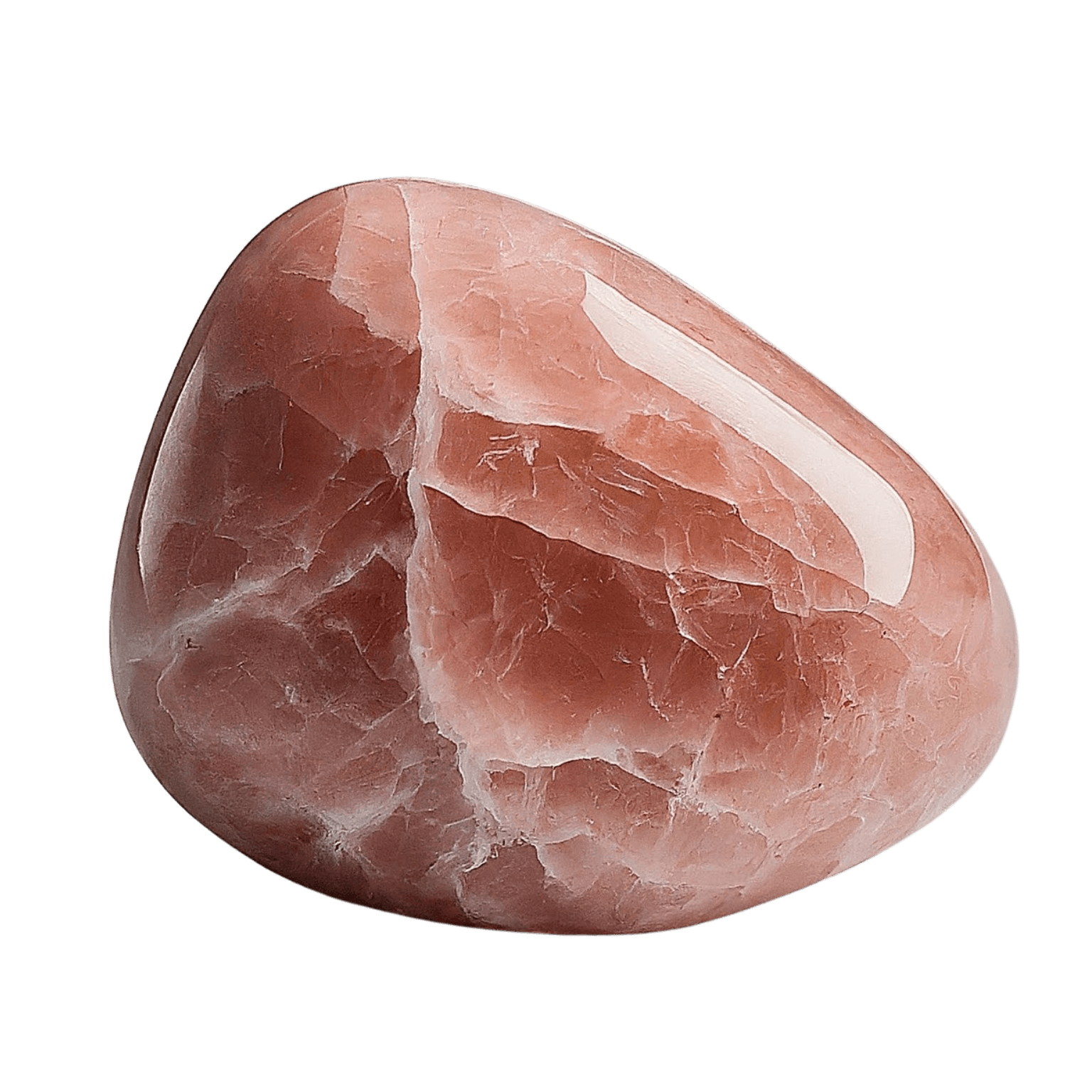
Pink Halite is a pale pink crystal used in modern crystal healing for release, calm, and stress relief. It measures 2.5 on the Mohs hardness scale and typically costs $8 to $22 for a tumbled stone. In the chakra tradition, Pink Halite is associated with the Root and Heart chakras.
Worth knowing: At Searles Lake in Trona, California, the Gem-O-Rama festival has let collectors pump brine and dig pink halite from the salt flats, a tradition run by the local gem society since the 1940s.
“A pale pink rock salt tinted by algae, of cleansing and heart-soft emotional clearing.”
- Chakra
- Root (Muladhara), Heart (Anahata)
- Zodiac
- Pisces ♓, Cancer ♋
- Element
- Earth 🌍, Water 💧
- Planet
- Moon 🌙
- Hardness
- 2.5 / 10 (Mohs)
- Colors
- Pale pink, Rose
- Origin
- USA (California, Searles Lake)
- Price Range
- 8 to 22
Care + Safety
Pink Halite at a glance
- Water: avoid, may damage or leach
- Sun: tolerates sunlight charging
- Mohs hardness: 2.5 (display + meditation only)
What is Pink Halite?
Pink halite is rock salt that grows from dense evaporating brine as stepped, skeletal hopper cubes, a habit produced when crystal edges outpace their faces. The color is biological: carotenoid pigments from salt-loving algae and haloarchaea that thrive where almost nothing else survives stain the crystals as they form.
Pink Halite measures 2.5 on the Mohs scale and shows pale pink or rose coloring. Change is its department: a threshold stone by family, kept close for release, calm, and stress relief and for the crossings they imply.
The stone connects primarily to the Root (Muladhara) and Heart (Anahata) chakras, carrying Earth and Water energy. Commercial material comes from USA (California, Searles Lake), and provenance shows: pieces from different deposits vary in saturation, veining, and clarity, which is why no two specimens of Pink Halite read quite alike.
Pink Halite is rock salt tinted pale pink by algae from California's Searles Lake. Hold this stone and notice the same cleansing quality of common halite paired with a soft heart-warmth. Like all halite, it dissolves in water and humidity, so dry cleanse only and store in airtight conditions.
Also catalogued as Searles Lake Halite and Algae-Pink Halite, this is a stone that rewards regular handling more than display. Give Pink Halite a week of release duty in the pocket before deciding what it is for.
History and Mythology
There is no credible ancient chapter to tell about Pink Halite. The species was described by modern science, and its associations with release were assigned by contemporary practitioners reading its color, structure, and feel. What the stone lacks in legend it makes up in geology, which asks for no embellishment; deposits worked today lie in USA (California, Searles Lake).
Astrologically minded practitioners file Pink Halite under Pisces and Cancer and give Moon 🌙 the rulership. The pairing is a 20th century convention rather than an ancient decree, and it is read as favoring release work.
Whatever the age of the name, the geology is patient: every piece of Pink Halite took shape over geological timescales, arriving at its Mohs 2.5 hardness through slow heat, pressure, and chemistry long before any hand reached for it.
Pink Halite Meaning and Metaphysical Properties
How It Feels in the Hand
The first physical fact of Pink Halite is gentleness: a Mohs 2.5 stone with a pale pink face that takes your warmth almost instantly and asks to be held loosely rather than gripped. Notice which memory arrives first while you hold it; the threshold stones tend to surface whatever is mid-release, and that arrival is information.
Primary Properties
Threshold work is the heading over the Pink Halite property list: release, calm, stress relief, and heart healing. Stones of this family sit with what ends and what begins, the habit released, the new season entered. Let the stone witness the process and keep the crossing for yourself.
How Crystal Energy Works
Ground is the keyword the tradition gives Pink Halite: a Root-center stone, asked above all for release. Work it the Root way, seated, slow, soles flat against the floor, holding release, calm, and stress relief as the quiet agenda. Release is the verb Melody keeps returning to in her entries for the transformation family, the carrying out of what is finished so that something new has room to arrive.
Amplification Through Intention
The Earth designation means Pink Halite favors repetition: daily handling, a fixed home on the shelf, the release intention restated in plain words. That steadiness is the whole method.
Healing Benefits
Emotional Support
Pink Halite accompanies the heavier passages: release, calm, and stress relief. It is traditionally a companion for grief, endings, and honest inventory, less a mood-lifter than a witness that stays. As with all crystal healing, release support from a stone is reflective practice rather than medicine; significant emotional concerns deserve qualified human help.
Spiritual Connection
Spiritually, Pink Halite attends the rites of ending well, the released page, the closing inventory, the farewell made deliberately. What the stone marks is the difference between finishing something with attention and simply walking away from it.
Physical Presence
Tradition reads Earth stones like Pink Halite through the soles of the feet: stance, weight, the felt fact of standing somewhere while you work on release. Try standing barefoot with the stone in hand when the day goes abstract; the practice is awareness, not medicine.
Chakra Connection
Pink Halite resonates most strongly with the Root (Muladhara), the energy center traditionally drawn in red and the traditional seat of this stone's release work. When this center runs clear, the classical markers are steadiness, physical security, and a settled sense of ground; release, calm, and stress relief are what Pink Halite is most often asked to bring to it.
Work it seated and slow; put Pink Halite on the floor where your gaze lands, feet flat, and breathe down toward it. Root work is the least dramatic chakra work there is, which is exactly why release grows well in it.
Because Pink Halite is also associated with the Heart (Anahata), it moves well in multi-stone layouts: one stone, two stations, worked on different days.
Zodiac and Astrological Connection
In the modern correspondence tables Pink Halite is assigned to Pisces ♓ (Feb 19 to Mar 20) and Cancer ♋ (Jun 21 to Jul 22); a Sun, Moon, or rising placement there is read as a head start with this stone, nothing more.
The gate, though, stands open: you do not need a Pisces Sun to work with Pink Halite, and a genuine pull toward the stone outweighs its paper assignments.
Moon 🌙 rules Pink Halite in this tradition, so practitioners time their longer sessions to that planet's active periods, especially for release.
How to Use Pink Halite
Here are five ways I recommend working with Pink Halite. Start with whichever feels most natural, there's no wrong entry point.
- 1
Meditation Hold
Hold Pink Halite with a light grip while you sit. At Mohs 2.5 it reaches body temperature almost instantly, so let the boundary between hand and stone blur and keep your attention on the breath.
- 2
Body Placement
Hip level when reclining, floor level when seated, that is where the chakra charts kept a Root stone like Pink Halite. Nothing here is meant to be strenuous. Set the stone down, stay a while, and see where your attention keeps going back to. The release heading belongs to the tradition, and it stays a tradition rather than a promise.
- 3
Sleep Companion
Pink Halite can still earn the nightstand even though its brief is release rather than rest: setting the stone down as you set the day down marks the switch from doing to sleeping.
- 4
Carry With You
Keep Pink Halite on you through the endings; when the old habit comes calling, a touch logs the refusal, and the stone becomes a running tally of the larger release.
- 5
Crystal Grid Anchor
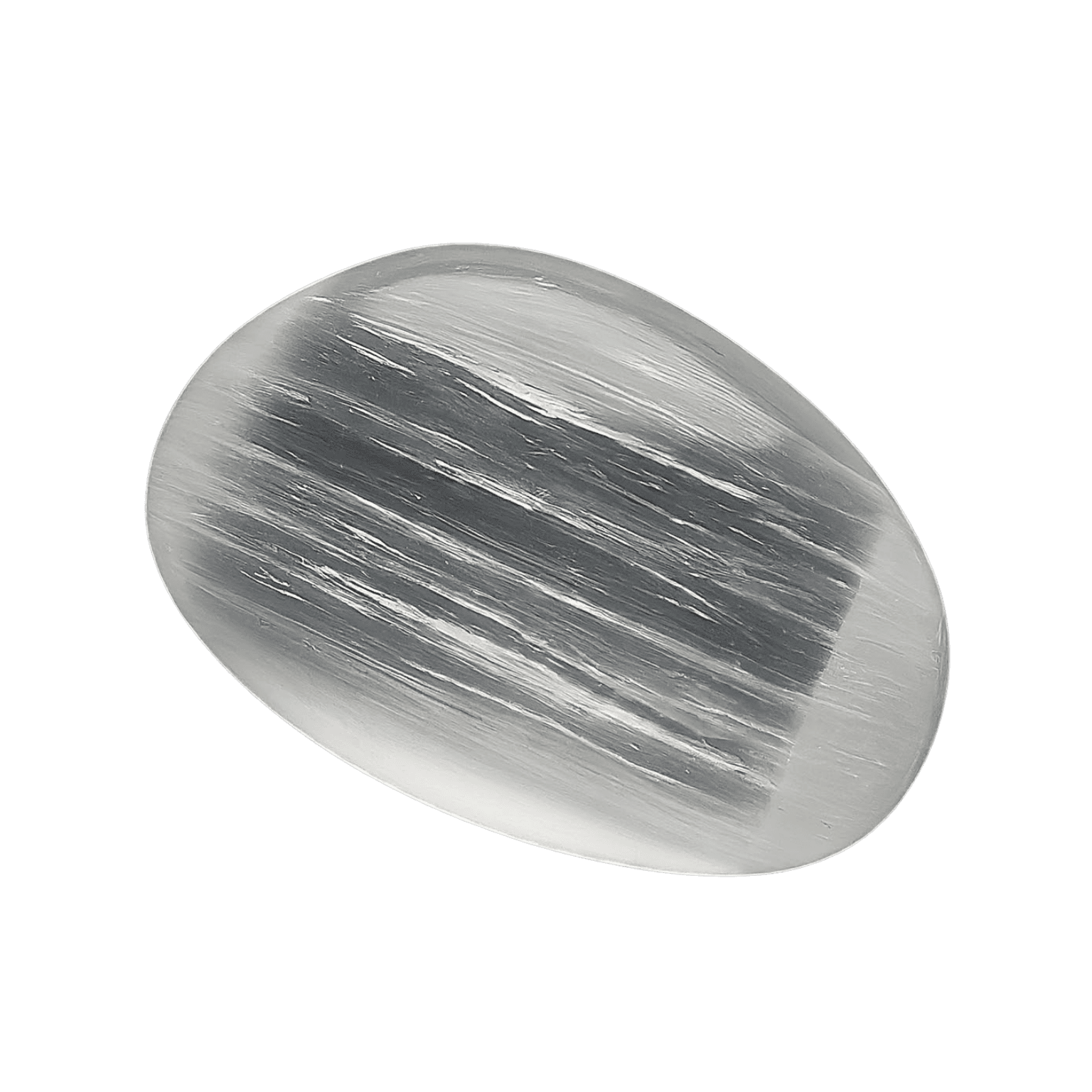
Use Pink Halite as the heart of a small grid for release, with Halite and Selenite alternating on the spokes. Place the stones slowly and set the last one down with the release intention named out loud.
How to Cleanse and Charge
Pink Halite works best when it is cleansed on a rhythm; tradition pictures a stone absorbing what it meets, and a saturated stone has nothing left to give. The complete water, sun, and salt safety profile, plus the storage instructions I give my clients, lives in the dedicated Pink Halite care guide.
- 1
Sage
Smoke-cleanse Pink Halite: light the sage, let it settle to a smolder, and move the stone through the rising smoke until your sense of it lightens, usually under a minute.
- 2
Sound
Sound-cleanse Pink Halite by striking a bowl or bell, letting each tone fade completely before the next; the vibration does the clearing, and no contact is needed.
- 3
Moonlight
Set Pink Halite on a windowsill or ledge under the full moon and collect it in the morning. Moonlight is the gentlest cleanse in the tradition, safe for every stone in the collection and impossible to overdo.
- 4
Selenite
Keep a selenite dish where you empty your pockets and drop Pink Halite there at day's end; the resting place does the cleansing while you sleep.
How often to cleanse
Monthly is the floor for Pink Halite; step the cadence up whenever the stone is in daily rotation or the season is emotionally loud. With practice you will feel the tell yourself, a worked stone reads heavier and flatter in the palm.
Charging after cleansing
Follow every cleansing with a charge: for Pink Halite that means placing it in morning sunlight for 30 minutes. A cleared stone is neutral, a charged one is ready.
Crystal Pairings
Pink Halite pairs with stones that hold steady while it moves things; threshold work wants an anchor. Its traditional partners supply ground, heart, or light to the release process. Change the pairing as the season changes; that is part of the practice.
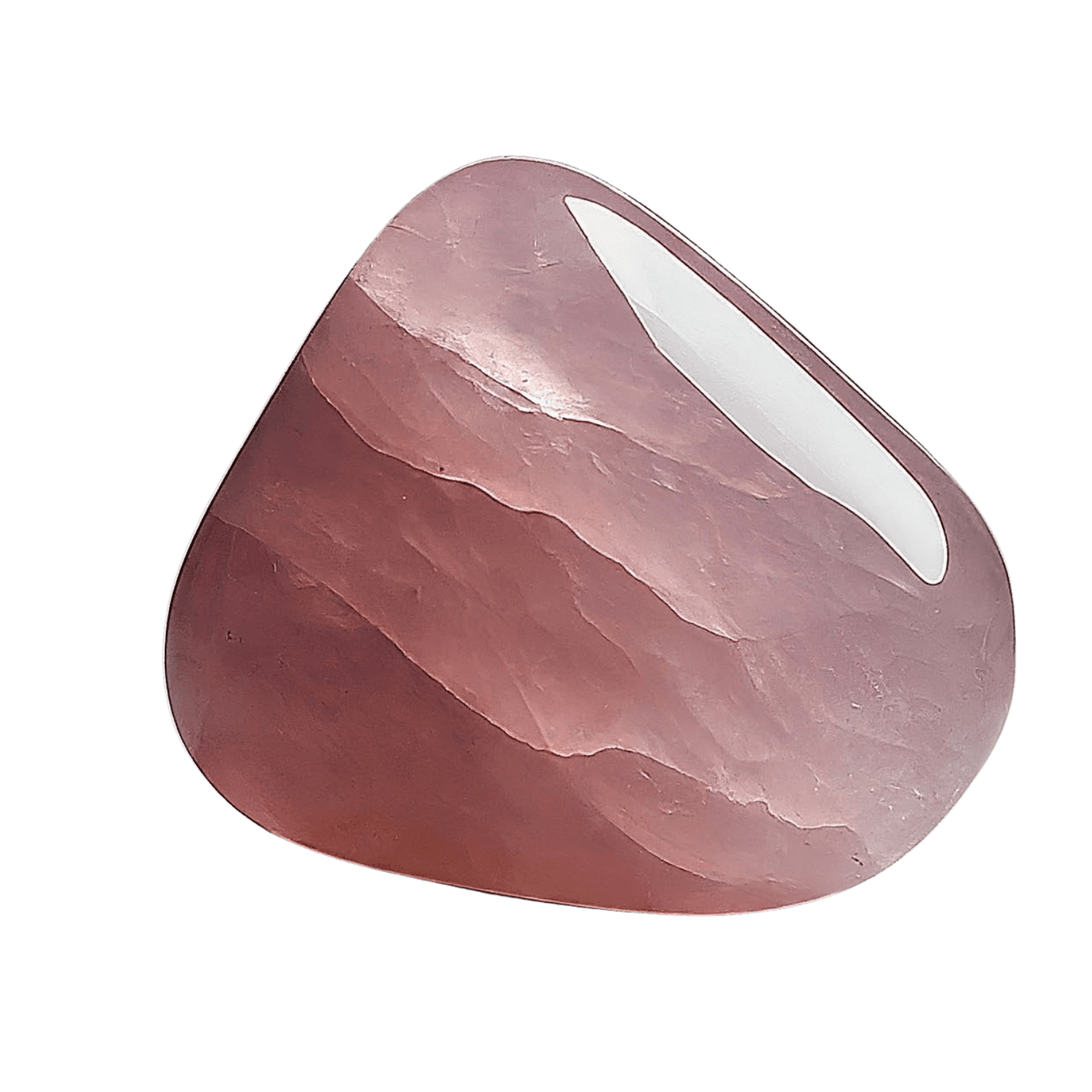
How to Spot Real vs Fake Pink Halite
The market in Pink Halite has grown faster than its honesty, and pale pink pieces are easy to imitate on a screen. Here is how to check one before you pay for it:
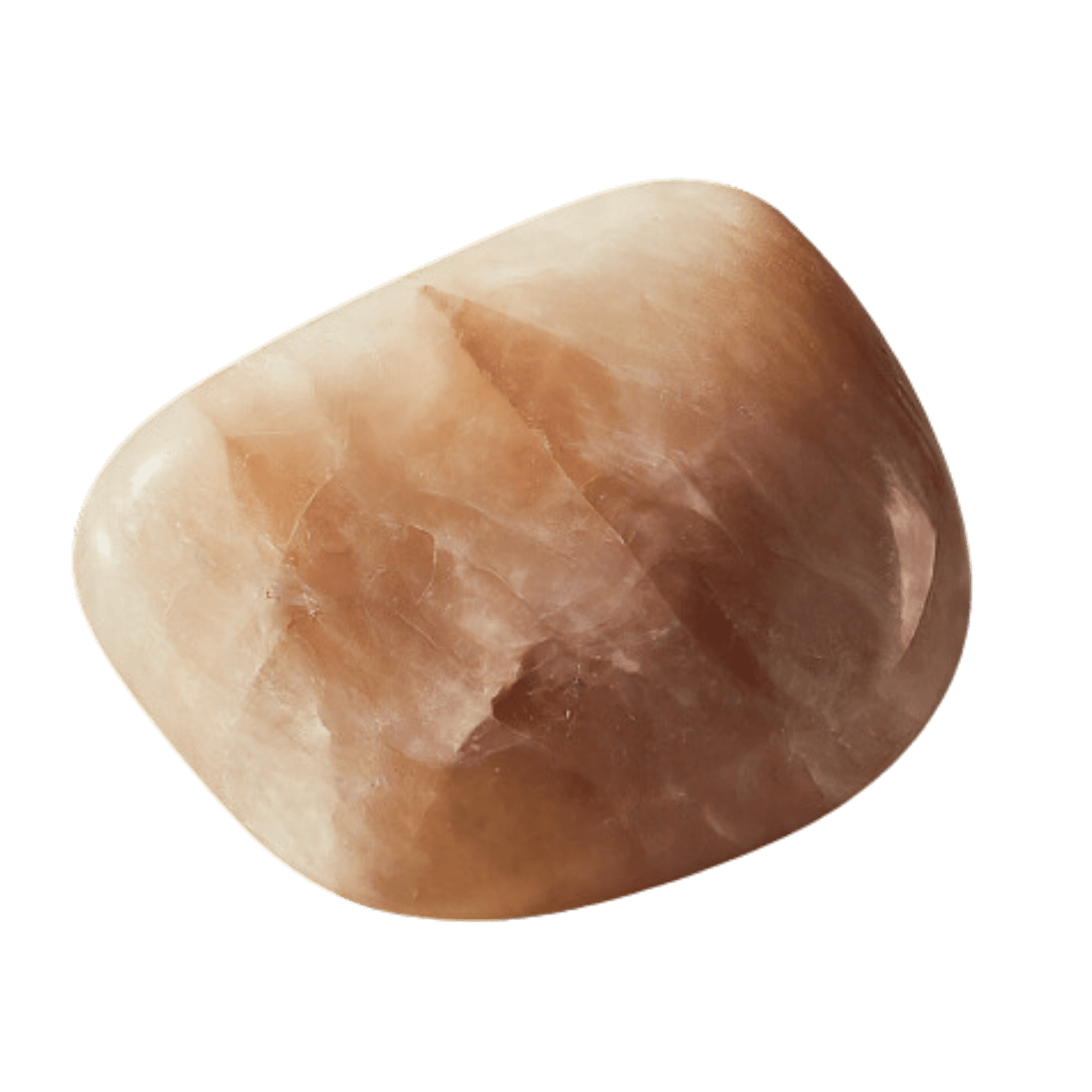
Touch and surface: real Pink Halite is genuinely soft, Mohs 2.5, so tumbled pieces show gentle rounding and tiny natural imperfections, while molded resin looks suspiciously flawless and feels faintly plastic under a fingernail.
Weight and density: resin fakes run light for their size, while genuine Pink Halite at Mohs 2.5 carries honest mineral density; weigh it in the palm against any real tumbled stone you own.
Color and pattern: the real range is pale pink or rose; treat neon saturation or flawless uniformity as a question for the seller, because nature rarely manages either.
Price reality: quality Pink Halite runs roughly $8 to $22 for palm-sized pieces from reputable sellers; a price far below that range is usually answering a question you should have asked.
Trust your source: a seller who knows where a pale pink stone like this came from and says so plainly is worth more than every test on this list; CrystalStones.com publishes provenance for each Pink Halite piece for exactly that reason.
Bring it home
Shop Pink Halite
Ethically sourced, hand-selected Pink Halite starting from $8.
Shop Pink HaliteFrequently Asked Questions
What is Pink Halite good for?
Pink Halite is traditionally associated with release, calm, stress relief, and heart healing. Many people find it supportive for release and for working with the Root and Heart chakras.
Can Pink Halite go in water?
Avoid it. Water can damage Pink Halite, so stay with the dry methods its care profile lists, Sage, Sound, and Moonlight, which cover everything this stone needs. DISSOLVES IN WATER AND HUMIDITY. Store in airtight container. Never wet, never elixir.
Can Pink Halite be in the sun?
Yes. Pink Halite is one of the sun-tolerant stones, so use morning light freely to charge the pale pink material; just bring it in rather than leaving it out for whole days at a time.
What chakra is Pink Halite?
Pink Halite is primarily associated with the Root (Muladhara) and Heart (Anahata) chakras. Low placements serve it best, the hips or the floor between seated feet, since that is where root-center release work traditionally happens.
What zodiac sign is Pink Halite for?
Pink Halite is traditionally connected to Pisces and Cancer. Astrological correspondence is one tradition among several, and nothing about your chart disqualifies you; people without a Pisces placement work with Pink Halite all the time.
How do I cleanse Pink Halite?
Stick to Sage, Sound, and Moonlight for Pink Halite; those are the methods its care profile recommends. Every method on that list is dry by design, which suits this stone's chemistry exactly.
Is Pink Halite real or fake, how can I tell?
Genuine Pink Halite is genuinely soft at Mohs 2.5, so real pieces show gentle wear and tiny imperfections while molded resin looks suspiciously perfect. Natural pale pink material varies piece to piece and runs about $8 to $22 tumbled, so perfectly matched stones at a suspicious discount deserve a second look.
What’s Next?
A few thoughtful next steps if Pink Halite is calling to you.
The Crystal Starter Library
A free guide from Crystal Cassandra: the twelve stones that cover almost everything, a one page care matrix for water, sun and salt, and how to build a first intention practice.
We respect your inbox. Unsubscribe anytime.
Explore More Tools
Crystal Quiz
Discover which crystal matches your energy right now.
Open →Chakra Test
Find which chakras need attention and the crystals to balance them.
Open →Crystal Cleansing Guide
Learn how to safely cleanse and charge your crystals.
Open →Crystals by Intention
Find the perfect crystal for what you need right now.
Open →