Quick Answer
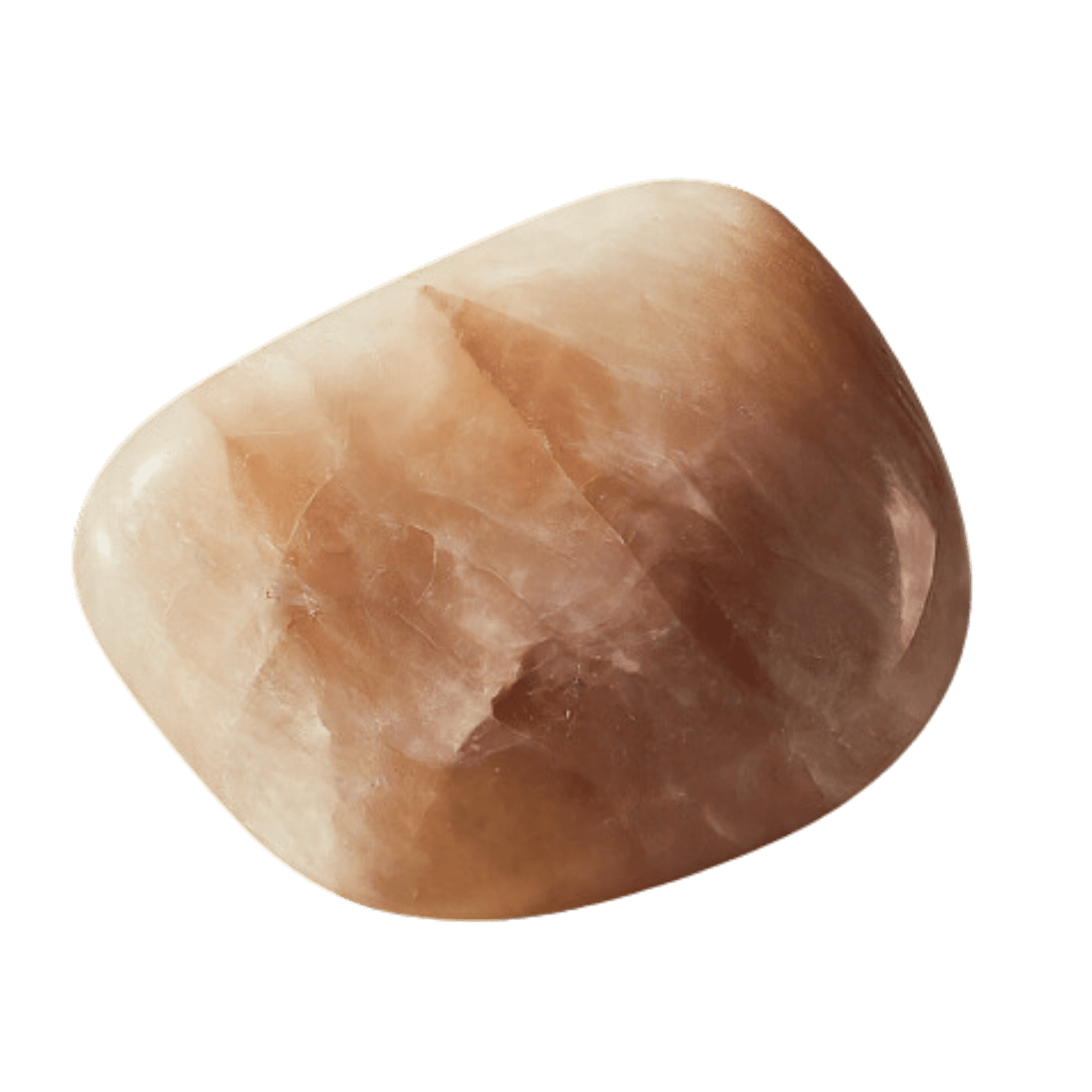
Halite is a pink crystal used in modern crystal healing for banishing negativity, release, and protection. It measures 2.5 on the Mohs hardness scale and typically costs $8 to $20 for a tumbled stone. In the chakra tradition, Halite is associated with the Root and Solar Plexus chakras.
Worth knowing: At Poland's Wieliczka Salt Mine, worked continuously from the thirteenth century, miners carved chapels, sculptures, and chandeliers entirely from halite, and the underground complex is now a UNESCO World Heritage Site.
“A cubic salt crystal of energetic cleansing, dissolves entirely in water and humidity.”
- Chakra
- Root (Muladhara), Solar Plexus (Manipura)
- Zodiac
- Cancer ♋, Pisces ♓
- Element
- Earth 🌍, Water 💧
- Planet
- Moon 🌙
- Hardness
- 2.5 / 10 (Mohs)
- Colors
- Pink, Orange, Clear, White, Blue (rare)
- Origin
- Pakistan (Himalayan), Iran, Poland, USA
- Price Range
- 8 to 20
Care + Safety
Halite at a glance
- Water: avoid, may damage or leach
- Sun: tolerates sunlight charging
- Mohs hardness: 2.5 (display + meditation only)
What is Halite?
Halite is sodium chloride crystallizing in the cubic system, often as perfect cubes or stepped hopper crystals that form when brine evaporates faster at a crystal's edges than at its faces. Because salt flows slowly under pressure, deeply buried halite layers can rise as domes that trap oil and gas above them.
Halite measures 2.5 on the Mohs scale and shows pink, orange, or clear coloring. By temperament it is a keeper stone, the guarding end of the collection, and banishing negativity, release, and protection are what it is most often handed.
The stone connects primarily to the Root (Muladhara) and Solar Plexus (Manipura) chakras, carrying Earth and Water energy. Sources include Pakistan (Himalayan), Iran, Poland, and USA; deposit matters more than beginners expect, and collectors learn to recognize where a piece of Halite was mined by its color depth and pattern.
Halite is mineralogically true rock salt, sodium chloride that crystallized out of evaporating ancient seas. The pink and orange varieties (Himalayan, Persian) are tinted by trace iron. Energetically, Halite is one of the most-used cleansing stones in folk practice: passively absorbs heavy energy and dissolves it back into the earth. The catch is that it ALSO dissolves into water, leave it in humidity, in salt water, or in an elixir, and you'll lose the stone. Use it for room-clearing, not for water work.
Also catalogued as Rock Salt, Salt Crystal, and Pink Himalayan Crystal, Halite earns its place in a working collection by being usable: start with banishing negativity, the job it is best known for, and let the stone widen its own brief from there.
History and Mythology
Halite was worked, worn, and traded in the pre-modern world, and that documented continuity is part of its character. Where most stones in the modern catalog were named in the last two centuries, this one carried meaning before the printing press. Sources from antiquity onward treat it as a stone worth setting, carving, and keeping, and today's pieces are sourced from Pakistan (Himalayan), Iran, and Poland.
The correspondence tables used by today's practitioners assign Halite to Cancer and Pisces under the rulership of Moon 🌙. In that system, work centered on banishing negativity is said to land best while those signs are in season.
Whatever the age of the name, the geology is patient: every piece of Halite took shape over geological timescales, arriving at its Mohs 2.5 hardness through slow heat, pressure, and chemistry long before any hand reached for it.
Halite Meaning and Metaphysical Properties
How It Feels in the Hand
At Mohs 2.5, Halite barely argues with the world. Expect a feather-light coolness that vanishes the moment skin touches the pink surface, and handle it like the delicate thing it is. Notice your weight while you hold it, feet on the floor, seat in the chair; with grounding stones the tradition points attention toward ballast rather than toward tingle.
Primary Properties
Protection is the through-line in the Halite properties: banishing negativity, release, protection, and grounding. Stones of this family work like good walls, defining rather than confining, and their gift is the slower breath of feeling contained. Treat the traditional list as a sketch; the steadiness you actually need is the version worth practicing.
How Crystal Energy Works
Halite belongs to the Root center in the traditional reading, the body's anchor point, where banishing negativity is the standing request. Sessions at this center stay low and slow-paced, seated comfortably, and banishing negativity, release, and protection name the long assignment. The image Melody uses for the grounding family in Love Is in the Earth is a rooted one, an energy cord running from the base of the spine into the earth itself.
Amplification Through Intention
Earth stones such as Halite are traditionally treated as keel rather than sail; they hold a banishing negativity course. Give the assignment once, clearly, and then let routine carry it.
Healing Benefits
Emotional Support
Halite works the defended-and-rooted layer of feeling: banishing negativity, release, and protection are its traditional emotional assignments. Keep it near on the porous days, the ones where every mood in the room seems to walk straight in. As with all crystal healing, banishing negativity support from a stone is reflective practice rather than medicine; significant emotional concerns deserve qualified human help.
Spiritual Connection
Halite holds the doorkeeper post in spiritual practice: tradition gives it the opening breath before inner work and the deliberate landing afterward. For this family, a well-kept boundary is itself a form of devotion.
Physical Presence
Physically, Halite belongs to the slow systems: steady meals, regular sleep, the unglamorous maintenance that banishing negativity actually rests on. Keep it where the routines happen as a quiet vote for keeping them; anything clinical belongs with clinicians.
Chakra Connection
Halite resonates most strongly with the Root (Muladhara), the energy center traditionally drawn in red and the traditional seat of this stone's banishing negativity work. When this center runs clear, the classical markers are rootedness, calm in the body, and trust in your own footing; banishing negativity, release, and protection are what Halite is most often asked to bring to it.
For placement, go low: lie down with Halite resting at the hip points, or sit on the floor and set it between your feet. Attention on weight and ground, for as long as that stays comfortable, is the classic root session the tradition records for banishing negativity.
Halite also keeps a working line to the Solar Plexus (Manipura), which widens its range in layouts; let the primary placement lead, and add the second position once the first feels familiar.
Zodiac and Astrological Connection
Astrological tradition links Halite with Cancer ♋ (Jun 21 to Jul 22) and Pisces ♓ (Feb 19 to Mar 20), and practitioners often suggest the stone meets Cancer placements with the least friction.
Correspondence is a suggestion, not a bouncer; plenty of devoted Halite keepers have no Cancer in their chart at all, and being drawn to the stone is the credential that matters.
Moon 🌙 rules Halite in this tradition, so practitioners time their longer sessions to that planet's active periods, especially for banishing negativity.
How to Use Halite
These are the five ways of working with Halite I suggest most often. Begin wherever your attention goes first; the sequence matters far less than starting.
- 1
Meditation Hold
Keep Halite loosely to hand during meditation; a stone this soft, Mohs 2.5, warms to skin temperature in moments, and that quick merging makes it easy to forget you are holding anything, which is the point.
- 2
Body Placement
Root layouts always ran downward, so Halite belongs at the hip line when you lie down, or on the floor between your feet when you sit. Let the breath do whatever it does, and give your attention to the weight of the stone rather than to any outcome; the old charts filed this position under banishing negativity.
- 3
Sleep Companion
At night, park Halite on the nightstand rather than working it; its job is the day's banishing negativity, and ending the day cleanly is how tomorrow's session starts well.
- 4
Carry With You
For the loud days, packed trains, hard meetings, difficult rooms, Halite earns its pocket space. The brief touch becomes a perimeter check, a reminder that banishing negativity is portable.
- 5
Crystal Grid Anchor
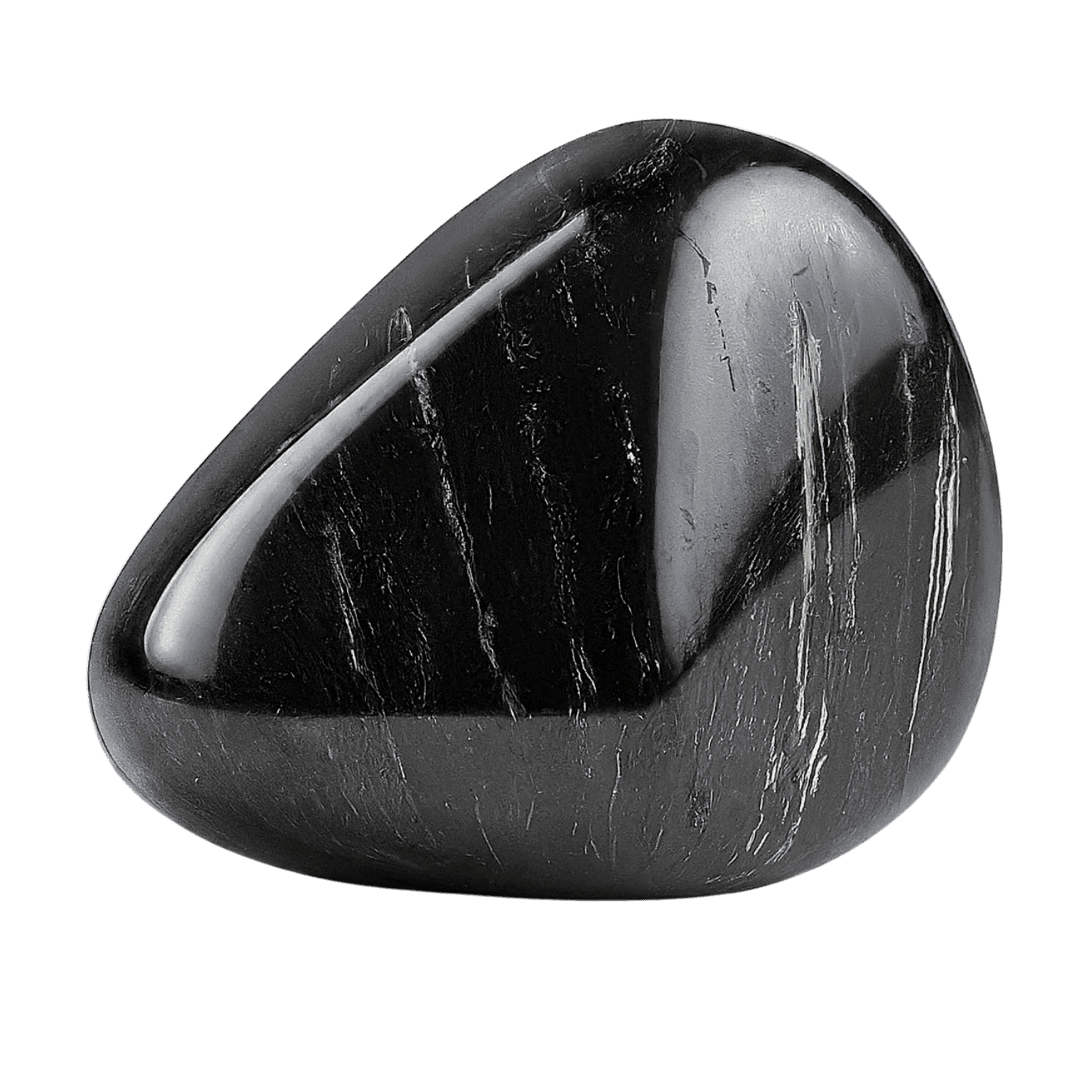
For grid work, give Halite the anchor position and run Selenite and Black Tourmaline on the outer points, all matched to a single banishing negativity intention. Rebuild it when it goes stale; a banishing negativity grid you have stopped seeing has stopped working.
How to Cleanse and Charge
Halite works best when it is cleansed on a rhythm; tradition pictures a stone absorbing what it meets, and a saturated stone has nothing left to give. The complete water, sun, and salt safety profile, plus the storage instructions I give my clients, lives in the dedicated Halite care guide.
- 1
Sage
Pass Halite through the smoke of white sage or rosemary for about thirty seconds, turning it so the smoke wraps every face, while you hold a clear intention of release.
- 2
Sound
A minute inside strong, sustained tone, bowl, chime, even a steady hum, resets Halite without physical risk, which makes sound the safest deep cleanse for fragile stones.
- 3
Moonlight
Set Halite on a windowsill or ledge under the full moon and collect it in the morning. Moonlight is the gentlest cleanse in the tradition, safe for every stone in the collection and impossible to overdo.
- 4
Selenite
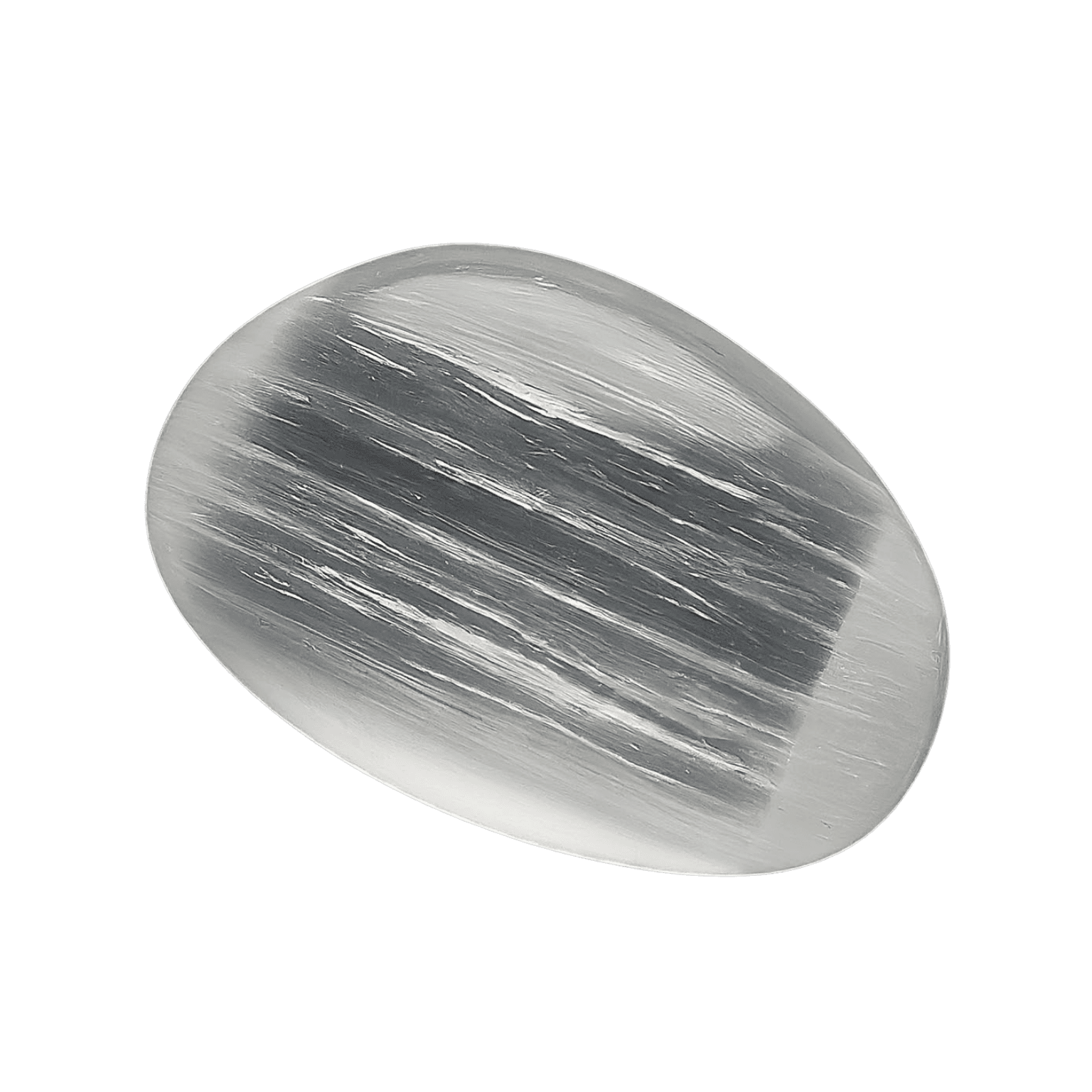
Lay Halite on a selenite plate or alongside a selenite wand overnight; selenite is the tradition's self-cleaning shelf, no effort, no risk to the stone.
How often to cleanse
Give Halite a clearing at least every month, and sooner after hard weeks or heavy daily use. The stone will teach you its own signal in time; most people describe it as dullness, weight, or a sense the stone has gone quiet.
Charging after cleansing
Once it is cleansed, recharge Halite by placing it in morning sunlight for 30 minutes; cleansing empties the stone, charging refills it.
Crystal Pairings
Wall-building is the right metaphor for pairing Halite: mass in one stone, lookout in the other. Tradition divides its partners along that line, the holders and the watchers. A brief two-stone hold before committing tells you what you need; ease is approval.
How to Spot Real vs Fake Halite
Imitations of Halite exist because demand does. A few hands-on checks separate genuine pink material from glass, resin, and dye:
Touch and surface: real Halite is genuinely soft, Mohs 2.5, so tumbled pieces show gentle rounding and tiny natural imperfections, while molded resin looks suspiciously flawless and feels faintly plastic under a fingernail.
Weight: real Halite should feel like stone rather than plastic pretending; if a palm-sized piece feels nearly weightless, walk away from it.
Color and pattern: natural Halite runs pink, orange, or clear, with variation from piece to piece; perfectly uniform color across a whole tray is the classic mark of dye or synthetics.
Price reality: the fair range for Halite sits near $8 to $20 at palm size; below that, assume treatment or imitation until the seller proves otherwise.
Trust your source: a seller who knows where a pink stone like this came from and says so plainly is worth more than every test on this list; CrystalStones.com publishes provenance for each Halite piece for exactly that reason.
Frequently Asked Questions
What is Halite good for?
Halite is traditionally associated with banishing negativity, release, protection, and grounding. Many people find it supportive for banishing negativity and for working with the Root and Solar Plexus chakras.
Can Halite go in water?
Avoid it. Water can damage Halite, so stay with the dry methods its care profile lists, Sage, Sound, and Moonlight, which cover everything this stone needs. DISSOLVES IN WATER. Never wash, never use in elixirs, never in humid environments. Salt-cleanse other stones AROUND Halite, not with it.
Can Halite be in the sun?
Yes. Halite is one of the sun-tolerant stones, so use morning light freely to charge the pink material; just bring it in rather than leaving it out for whole days at a time.
What chakra is Halite?
Halite is primarily associated with the Root (Muladhara) and Solar Plexus (Manipura) chakras. Work it low, at the hips or on the floor between the feet while seated, which is the traditional station for banishing negativity.
What zodiac sign is Halite for?
Halite is traditionally connected to Cancer and Pisces. If your signs differ, work with Halite anyway; resonance in the hand outranks resonance on paper in every practical tradition.
How do I cleanse Halite?
The best methods for Halite are Sage, Sound, and Moonlight. DISSOLVES IN WATER. Never wash, never use in elixirs, never in humid environments. Salt-cleanse other stones AROUND Halite, not with it.
Is Halite real or fake, how can I tell?
Genuine Halite is genuinely soft at Mohs 2.5, so real pieces show gentle wear and tiny imperfections while molded resin looks suspiciously perfect. Expect natural variation in its pink coloring and a price near $8 to $20 for tumbled pieces; uniform color at a bargain price is the classic warning sign.
What’s Next?
A few thoughtful next steps if Halite is calling to you.
The Crystal Starter Library
A free guide from Crystal Cassandra: the twelve stones that cover almost everything, a one page care matrix for water, sun and salt, and how to build a first intention practice.
We respect your inbox. Unsubscribe anytime.
Explore More Tools
Crystal Quiz
Discover which crystal matches your energy right now.
Open →Chakra Test
Find which chakras need attention and the crystals to balance them.
Open →Crystal Cleansing Guide
Learn how to safely cleanse and charge your crystals.
Open →Crystals by Intention
Find the perfect crystal for what you need right now.
Open →