By Crystal Cassandra · Updated August 3, 2026
Crystal Healing Expert
What crystals are in the Deep Meditation Kit?
The Deep Meditation Kit pairs Amethyst, Selenite, Labradorite, Clear Quartz, and Lapis Lazuli, five stones classical sources name for contemplative practice and third-eye work. In traditional crystal-healing practice, this combination supports established meditators in deepening their practice, exploring third-eye and crown-chakra work, and sustaining a contemplative life over years.
Key Takeaways
- Five stones traditionally associated with meditation, third-eye work, and contemplative depth
- Designed for established meditators, not beginners (the Deep Calm Ritual Kit is gentler for newcomers)
- Labradorite is described as a stone of magic for its iridescent flash; classical sources name it for inner work
- Lapis Lazuli adds the throat and third-eye dimension; classical sources call it 'the stone of truth'
- The kit supports established practice; meditation skill itself comes from the discipline of sitting
Suggested Bundle
Deep Meditation Kit
Five stones paired for advanced meditation practice, third-eye work, and the deepening of contemplative life.
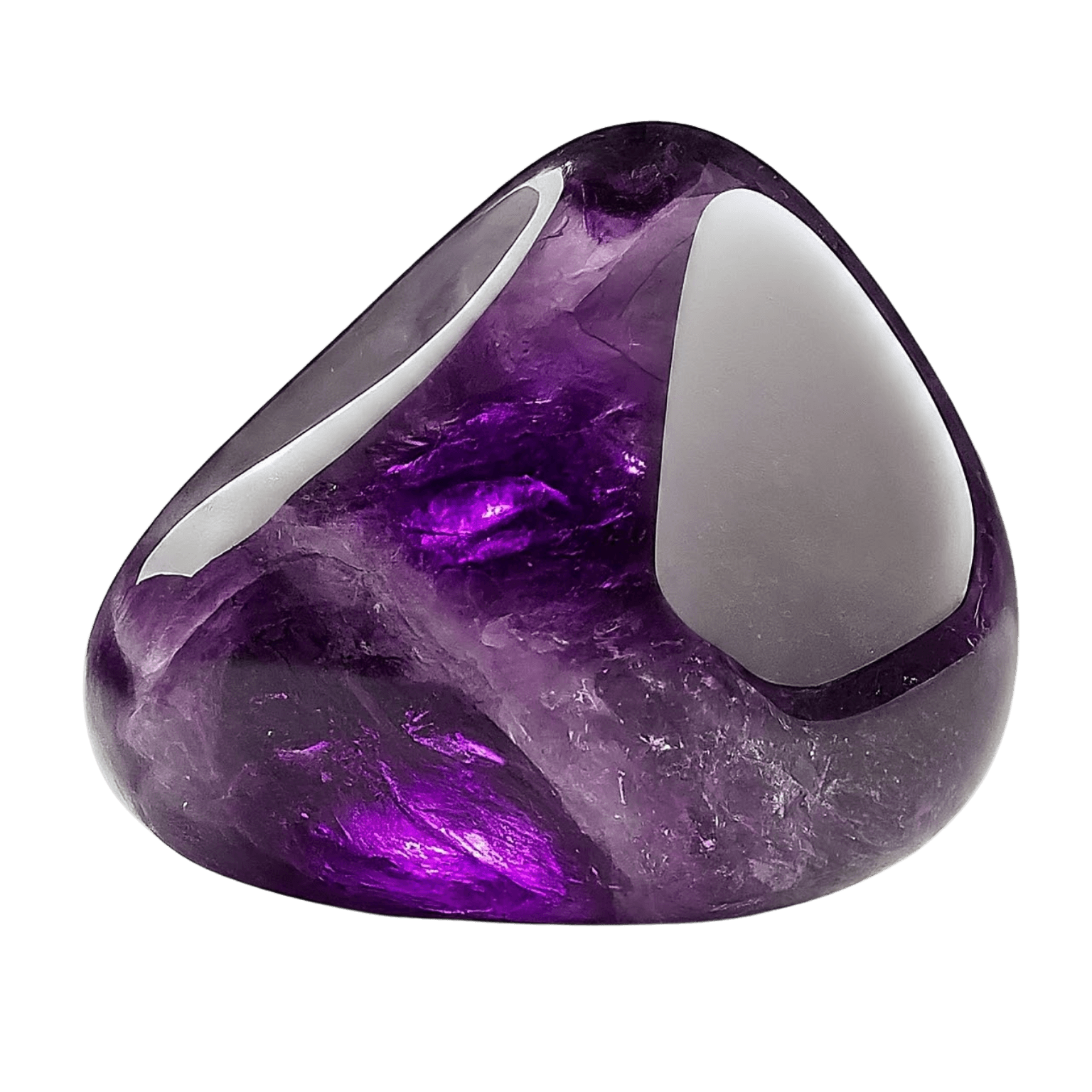
Amethyst
Primary meditation stone
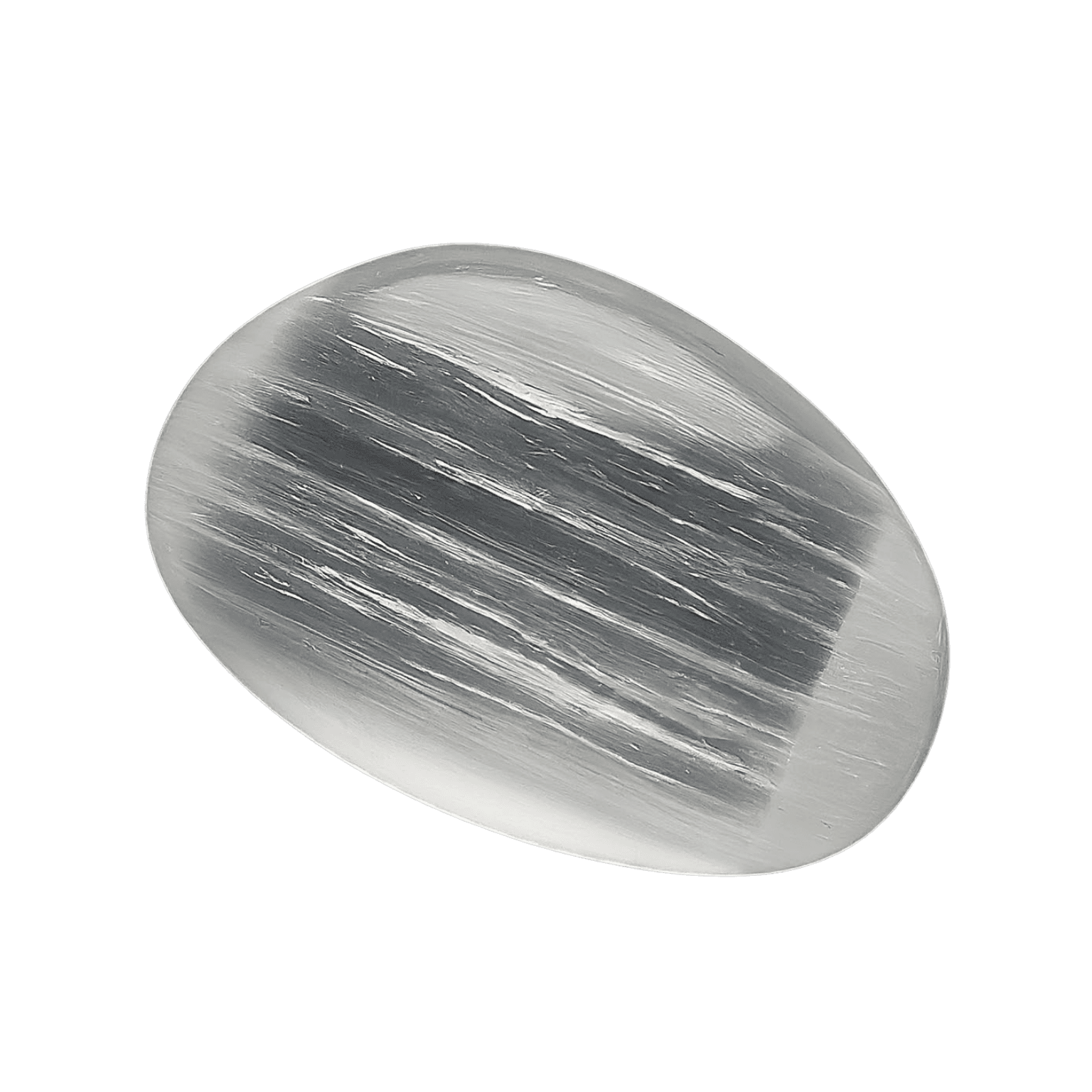
Selenite
High-frequency light stone
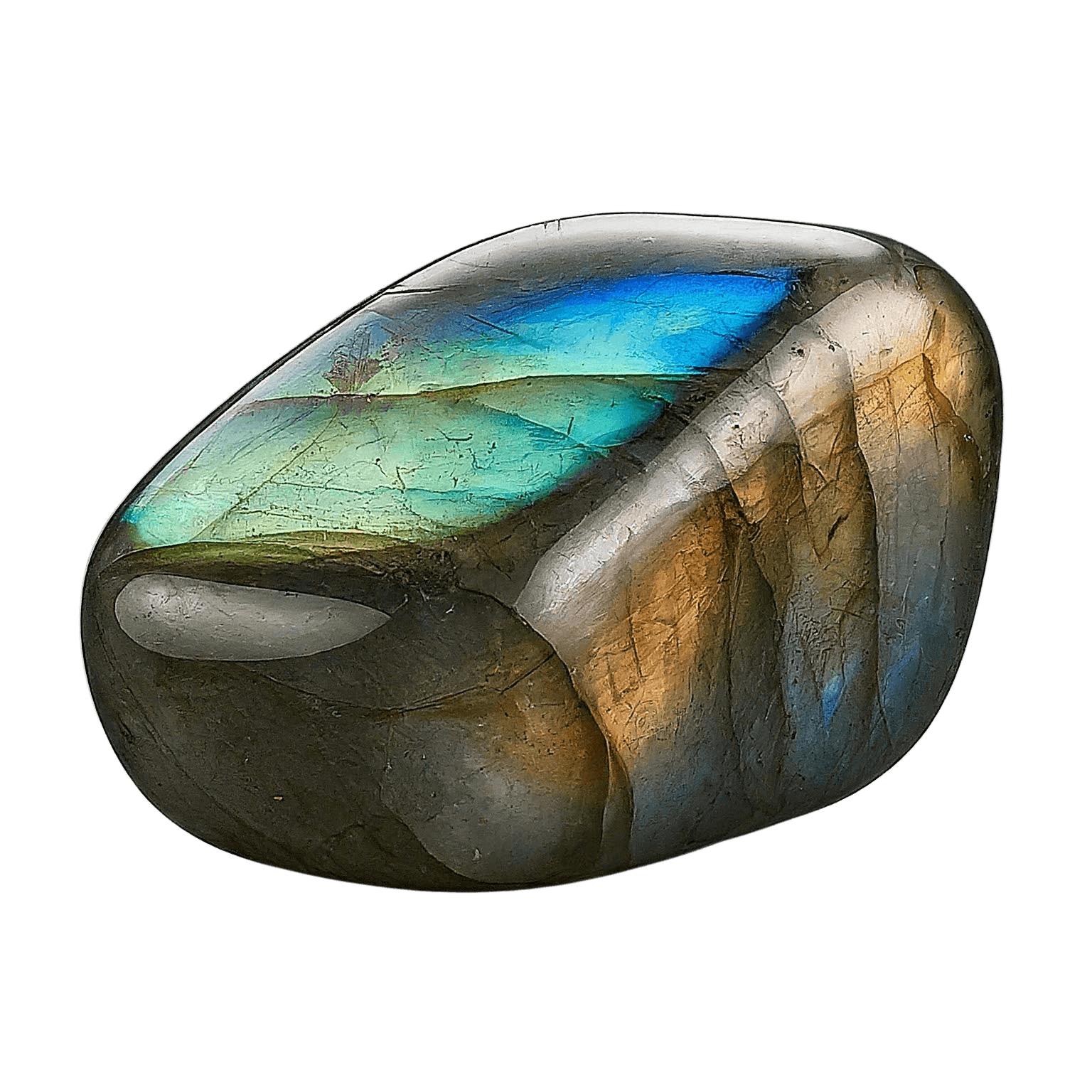
Labradorite
Inner-perception stone
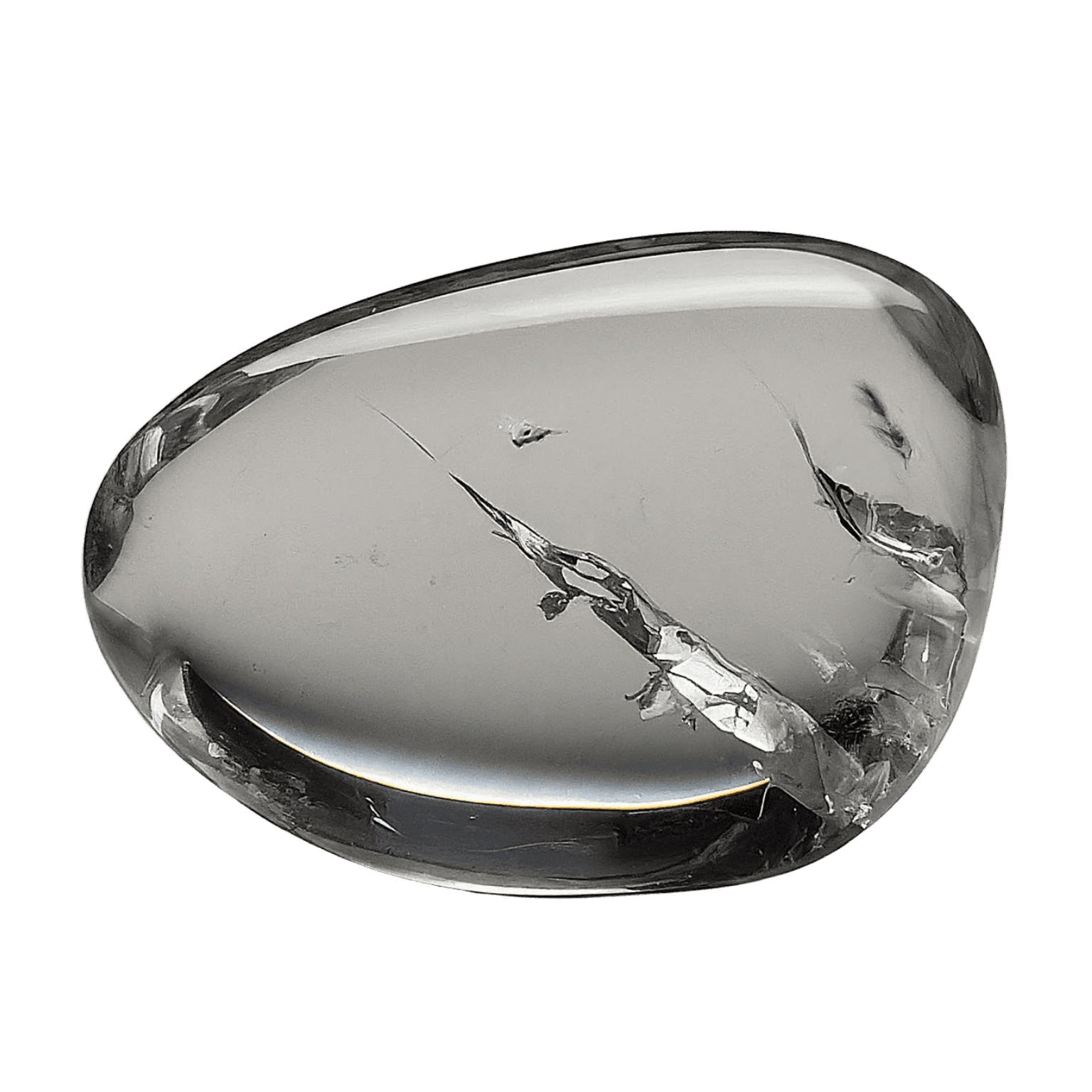
Clear Quartz
Master amplifier
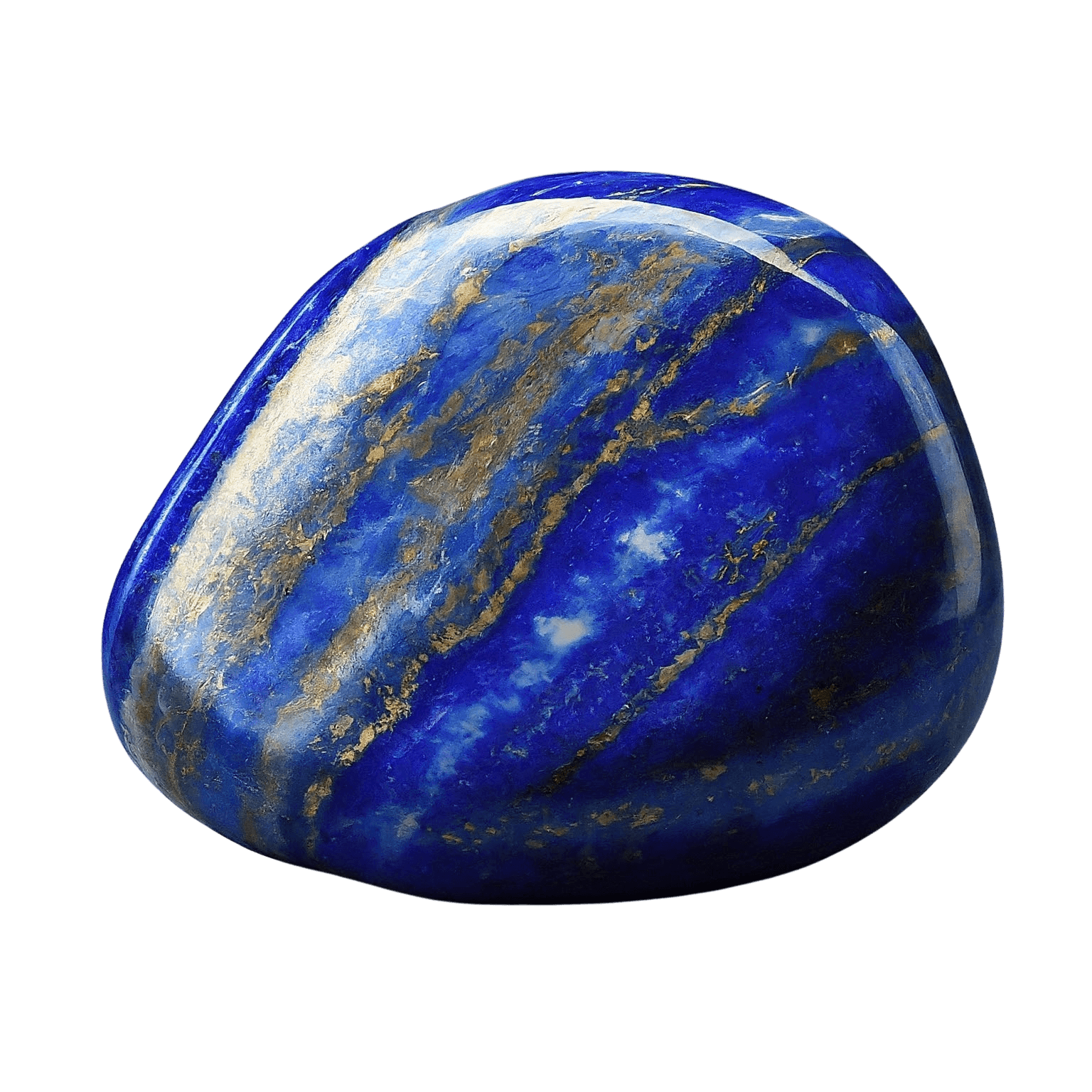
Lapis Lazuli
Truth and third-eye stone
This kit is being assembled. Join the waitlist and Cassandra will email you the moment it ships.
Why these crystals work together
Judy Hall's *The Crystal Bible* groups Amethyst with stones that work the third eye, crown, and etheric chakras, the classical primary stone for meditation work. Cassandra pairs it with Selenite, which Robert Simmons in *The Book of Stones* connects with high-frequency light, often placed at the meditation seat or held during practice to support contemplative clarity.
Labradorite contributes the dimension of inner mystery. Classical sources describe its iridescent flash as a window into the inner worlds, and Melody in *Love is in the Earth* connects it with magician and inner-perception imagery, for the practitioner working with subtle inner perception. Clear Quartz amplifies the meditation intention as it does any working, and Lapis Lazuli, the deep-blue stone of ancient Egyptian and Mesopotamian temples, adds the truth-speaking dimension that contemplative life often surfaces (the willingness to see what is actually true rather than what is comforting).
In my practice with clients in established meditation practice (those who have been sitting daily for at least a year), this five-stone combination is one of the kits I work with for the deepening phase. Each stone supports a different aspect: Amethyst for the mental quieting that lets contemplation begin, Selenite for the high-frequency light of opened practice, Labradorite for the inner perception work, Clear Quartz for amplification and clarity, Lapis Lazuli for the truth that often arrives in deep practice. The kit assumes the practitioner already has a sitting habit; the stones deepen it, they do not create it.
The 5 stones in this kit
Judy Hall's *The Crystal Bible* groups Amethyst with stones that work the third eye, crown, and etheric chakras. It is the classical primary stone for meditation work in nearly every Western tradition.
Robert Simmons connects Selenite with high-frequency light. Classical sources place it at the meditation seat to support contemplative clarity, particularly crown-chakra and breath-of-light practices.
Melody's *Love is in the Earth* connects Labradorite with magician and inner-perception imagery, for the practitioner working with subtle inner perception. Its iridescent flash is described in classical sources as a window into the inner worlds.
Clear Quartz amplifies the meditation intention as it amplifies any working. Classical sources describe it as the master crystal that supports whatever inner work is set with it.
Lapis Lazuli is the deep-blue stone of ancient temples in Egypt, Sumer, and the Indus Valley. Classical sources call it 'the stone of truth,' for the courage to see what contemplative life surfaces.
How to work with the Deep Meditation Kit
The ritual below is the one Cassandra uses in her own practice and recommends to clients new to bundle work. It can be done once as a setup ritual, then repeated weekly or aligned with the lunar cycle.
- 1
Build a meditation seat altar
Place the five stones together at your meditation seat: the cushion, the chair, the corner you sit in daily. Cassandra suggests arranging them on a small wooden surface or natural-fiber cloth in front of you, within sight when seated. Many practitioners find that the consistent visual presence of the stones becomes a meditation cue: sitting down, seeing them, the practice begins.
- 2
Hold Amethyst before each sit
Before beginning your meditation session, hold Amethyst in your hand for as long as the handover takes. Classical sources describe Amethyst as preparing the mind for contemplation. Cassandra suggests this not as a forced ritual but as a transitional gesture, the small moment that says: I am leaving everything else now and entering the seat. Place the stone back when the sit is ready to begin.
- 3
Place Selenite at the crown of the head
During seated meditation, a small Selenite wand placed at the back of the cushion or on a shelf above the head supports what classical sources call 'the crown opening.' Cassandra suggests this placement particularly for practitioners working with breath-of-light or crown-chakra practices. Selenite is light-imagery in stone form, the visual reminder of the inner light meditators often work toward.
- 4
Work with Labradorite for inner-perception practice
When meditation moves beyond breath into inner-perception work (visualization, energy body, subtle states), Labradorite is the kit's stone. Hold it during these sessions or place it directly in front of you so its iridescent flash catches light as you breathe. Classical sources describe Labradorite as a stone of inner sight, supporting the kind of practice that opens beyond ordinary mind.
- 5
Use Lapis Lazuli for truth-surfacing practice
Deep meditation often surfaces truths the practitioner has been avoiding. Lapis Lazuli is the kit's stone for that work. When something difficult arises in practice and you want to sit with it rather than turn away, hold Lapis Lazuli. Classical sources describe it as a stone that supports the courage to see clearly. Pair with one sentence: I am willing to see what is actually true here.
What to realistically expect
Many established meditators find that the kit's most consistent effect is a deepening of the existing practice rather than a dramatic shift. Sessions feel slightly cleaner, transitions slightly easier, the inner perception slightly more accessible. Classical sources describe this as the stones 'meeting the practitioner where they are' and supporting the next layer of the work.
In my practice with clients in long-established meditation practice, the kit tends to be most useful for the periods when the practice has plateaued or grown stale. A new arrangement of stones at the seat, a new ritual of holding Amethyst before sitting, can be the small change that reignites a practice that had become routine. Many practitioners cycle the stones in and out over years, finding that different stones meet different chapters of contemplative life.
Meditation skill itself comes from sitting, not from any external tool. The kit supports the sitting; the sitting is the practice. If you do not yet have a sitting habit, the Deep Calm Ritual Kit is a gentler entry point than this one, which assumes some contemplative ground already exists.
Browse crystals for these intentions
Other crystal kits to explore
Frequently asked questions
Is this kit appropriate for beginners?
Cassandra recommends established practice first. The Deep Calm Ritual Kit is gentler and more grounded for newcomers. The Deep Meditation Kit assumes the practitioner has a sitting habit and is working to deepen rather than build it. Some of the stones (Labradorite for inner-perception work, Lapis Lazuli for truth-surfacing) are intense for someone new to contemplative practice. Start with simpler practices and simpler stones; come to this kit when the foundation is in place.
How long should I sit when using this kit?
Whatever your established practice already is. The kit does not prescribe duration; it supports the duration you are already maintaining. A thirty to sixty minute sit is common in established practice, but nothing about the kit assumes it. The kit's value is in the deepening of whatever sit you are doing, not in adding minutes.
What if I have visions or unusual experiences during practice with this kit?
Classical sources describe contemplative life as sometimes opening into unusual states: visions, energy sensations, emotional surfacings, what some traditions call 'opening to the inner worlds.' If this happens and is meaningful and integrated, it can be part of the work. If it becomes overwhelming, frightening, or starts to interfere with daily function, please consult an experienced meditation teacher or, where appropriate, a mental-health professional. Some experiences require skilled human support; the kit cannot provide that.
Should I meditate with the stones in my hands?
Some practitioners keep a single stone with them throughout sitting; others place all five in front of them and do not touch them during practice. Cassandra suggests trying both and noticing which supports your sit. Holding Amethyst or Labradorite during the session can be useful; holding all five becomes physically distracting. Many practitioners use Amethyst as a pocket stone outside of sitting practice and have the other stones at the altar.
How do I integrate Lapis Lazuli truth-work without overwhelming myself?
Slowly. Lapis Lazuli surfaces what classical sources call 'the truth that has been waiting to be seen.' This can be difficult, particularly for practitioners who have been avoiding something specific. Cassandra suggests not forcing Lapis Lazuli sessions; bring the stone to practice when you feel ready to look at something honestly. If what surfaces is too heavy to hold alone, consult a therapist or experienced spiritual director. Truth-work in deep practice often benefits from companioned witness.
Can this kit help me with a specific spiritual question I am sitting with?
Classical sources describe meditation stones as supporting the practice of sitting with questions rather than answering them. Many spiritual traditions teach that the answer arrives through the sitting itself, not through any external tool. The kit can support the practice of bringing the question to the cushion, holding it gently, letting it ripen. If you are looking for a specific answer to a specific question, contemplation is patient work and the answer often arrives in its own time, frequently in a form you did not expect.
Share Your Result
Vertical 9:16 format, perfect for Instagram Stories or TikTok. Opens in a new tab; long-press or right-click to save.
Where to start with crystals
Cassandra's free starter library covers the twelve stones that do most of the work, four cleansing methods and when each applies, and what the tradition says next to what the marketing says.
We respect your inbox. Unsubscribe anytime.
Explore More Tools
Crystal Quiz
Find the right crystal for your energy.
Open →Crystal Care
Cleansing + charging guide for each crystal.
Open →Crystal Shapes
The 12 traditional crystal forms.
Open →Crystal Grid Designer
Build a sacred-geometry crystal grid.
Open →Crystals by Intention
Match crystals to what you need.
Open →