By Crystal Cassandra · Updated August 3, 2026
Crystal Healing Expert
Black Obsidian vs Black Tourmaline: which should you choose?
Black Obsidian and Black Tourmaline are both shadow work stones in the crystal-healing tradition. Choose Black Obsidian when the same relationship pattern just repeated and you want to know why; reach for Black Tourmaline when an open-plan office or shared apartment that drains you daily.
Hold Obsidian in one hand and Black Tourmaline in the other and notice which one you keep glancing at. Obsidian is glass, smooth and faintly reflective even unpolished, and it tends to pull the eye the way a mirror does. Black Tourmaline is matte, ridged, and oddly heavy, more wall than window. In shadow work those textures are the whole story: Obsidian suits the season when you are ready to look at what you have been avoiding, and Black Tourmaline suits the season when you have seen plenty and now need the boundary that lets you integrate it in peace.
Quick Comparison
| Property | Black Obsidian | Black Tourmaline |
|---|---|---|
| Chakra | Root | Root |
| Element | Fire, Earth | Earth |
| Primary Color | black, obsidian black | black |
| Hardness (Mohs) | 5 | 7 |
| Key Intentions | protection, shadow work, grounding | protection, grounding, banishing negativity |
About Black Obsidian
Obsidian is not technically a crystal at all: it is lava quenched so fast that no mineral lattice had time to form, a frozen moment of eruption. Judy Hall describes it as 'a stone without boundaries or limitations,' and that reads as warning as much as praise; the glass does not soften what it shows you. The cultures that worked Obsidian took the mirror literally: the Aztecs polished it into divination mirrors, and the famous spirit mirror of Elizabethan astrologer John Dee was traced in 2021 to Mexican obsidian.
In my practice, Obsidian is a session stone, not a daily companion. I bring it out for journaling nights, hard conversations with yourself, the moment after a pattern repeats and you finally want to know why. Many people find ten intentional minutes with it more useful than a week of wearing it, and the stone seems to prefer being put away afterward, wrapped in cloth like the mirror it is.
For a deeper profile of this stone, see the full Black Obsidian page.
About Black Tourmaline
Black Tourmaline is schorl, an iron-rich crystalline borosilicate, and the body reads it before the mind does: the prisms are striated like bark, matte rather than glassy, and heavier than they look. Dutch traders once called the family aschentrekker, the ash puller, because a warmed crystal genuinely attracts ash; tourmaline answers heat with real electrical charge. Melody's Love Is in the Earth files the black tourmalines among the great protectors, and the folk logic has hardly changed since.
In my practice, Black Tourmaline is the integration stone that follows Obsidian's revelations. Once you have seen the pattern, you need somewhere solid to stand while you change it: a piece by the front door, one in the coat pocket for draining rooms, one on the desk against the low-grade static of other people's moods. It asks nothing of you while it works, and that undemanding quality is precisely its gift.
For a deeper profile of this stone, see the full Black Tourmaline page.
Key Differences
- 1Obsidian is amorphous volcanic glass with no crystal lattice; Black Tourmaline is a fully crystalline borosilicate, and many people find the energies match the structures: open versus ordered.
- 2Obsidian initiates (it surfaces what you have been avoiding); Black Tourmaline consolidates (it holds the line while you do something about it).
- 3Obsidian is best in short intentional sessions; Black Tourmaline is built for always-on duty at doors, desks, and pockets.
- 4Both are inexpensive, but they fail differently: Obsidian chips into genuinely sharp edges, while brittle Tourmaline rough sheds dark grit on whatever it touches.
When to Use Them Together
In shadow work these two black stones make a sequence rather than a pair. Open a session holding Obsidian and name, out loud or on paper, the thing you keep stepping around. Close the same session with Black Tourmaline at your feet or in your left hand, and let the body register that the looking is over and the container is sealed. Many people keep Obsidian wrapped in cloth between sessions and leave Black Tourmaline standing watch by the door, two jobs, two posts.
Many people working with these stones also explore the Root Chakra page, which gathers traditional pairings and balancing practices in one place.
Which One Is Right for You?
In my practice, the right stone is almost always the one that matches your current need. Many people find that one of these scenarios maps closely to where they are right now:
The same relationship pattern just repeated and you want to know why
Obsidian is the mirror stone; it supports honest looking once you are finally ready.
An open-plan office or shared apartment that drains you daily
Black Tourmaline is built for always-on boundary duty in busy spaces.
Deep journaling or therapy-adjacent shadow sessions
Obsidian works best in contained, intentional sittings with a clear start and finish.
Your first black stone, with no shadow-work plans yet
Black Tourmaline asks nothing of you; Obsidian tends to start conversations you may not want yet.
Add These Stones to Your Practice
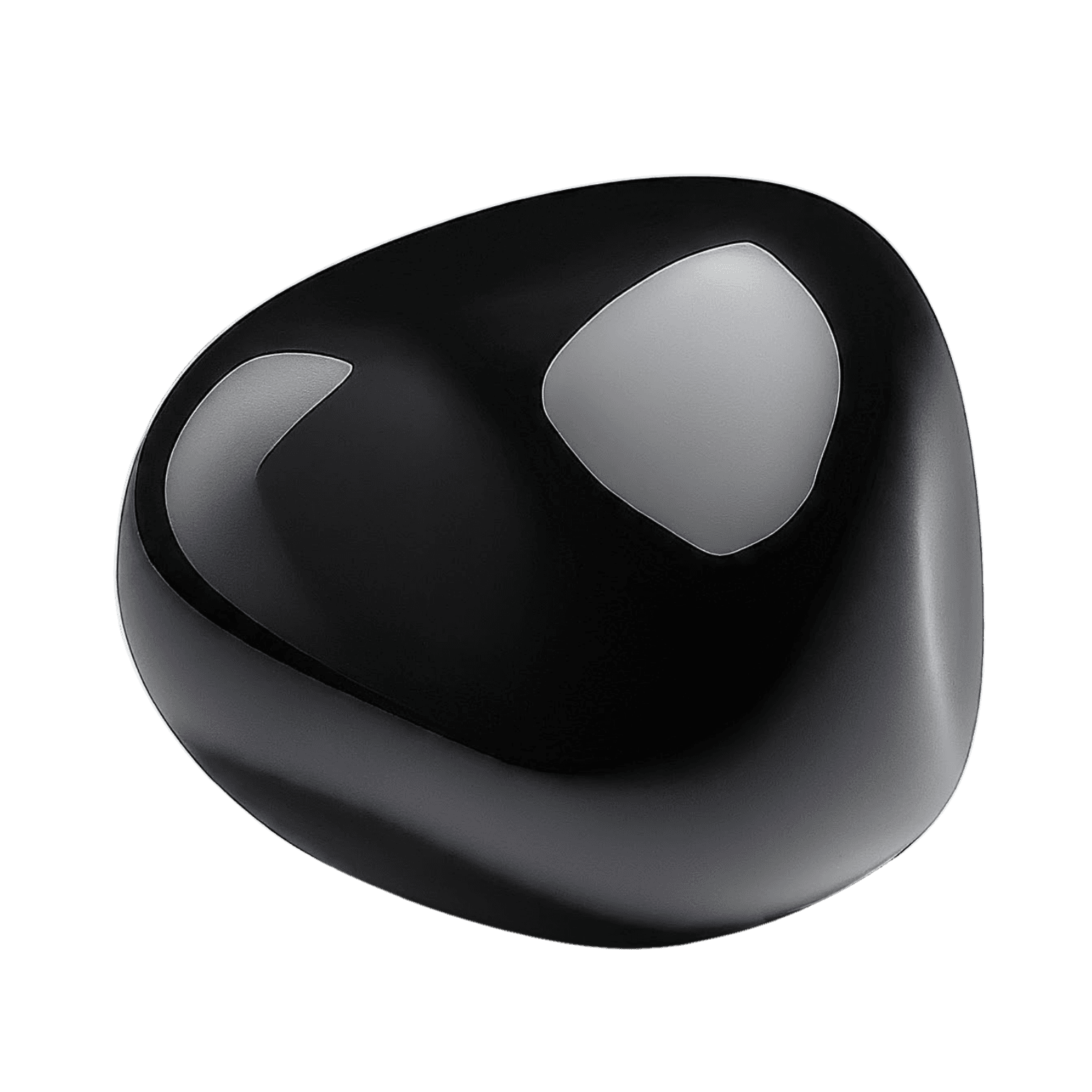
Black Obsidian
A powerful stone of truth, protection, and deep shadow work.
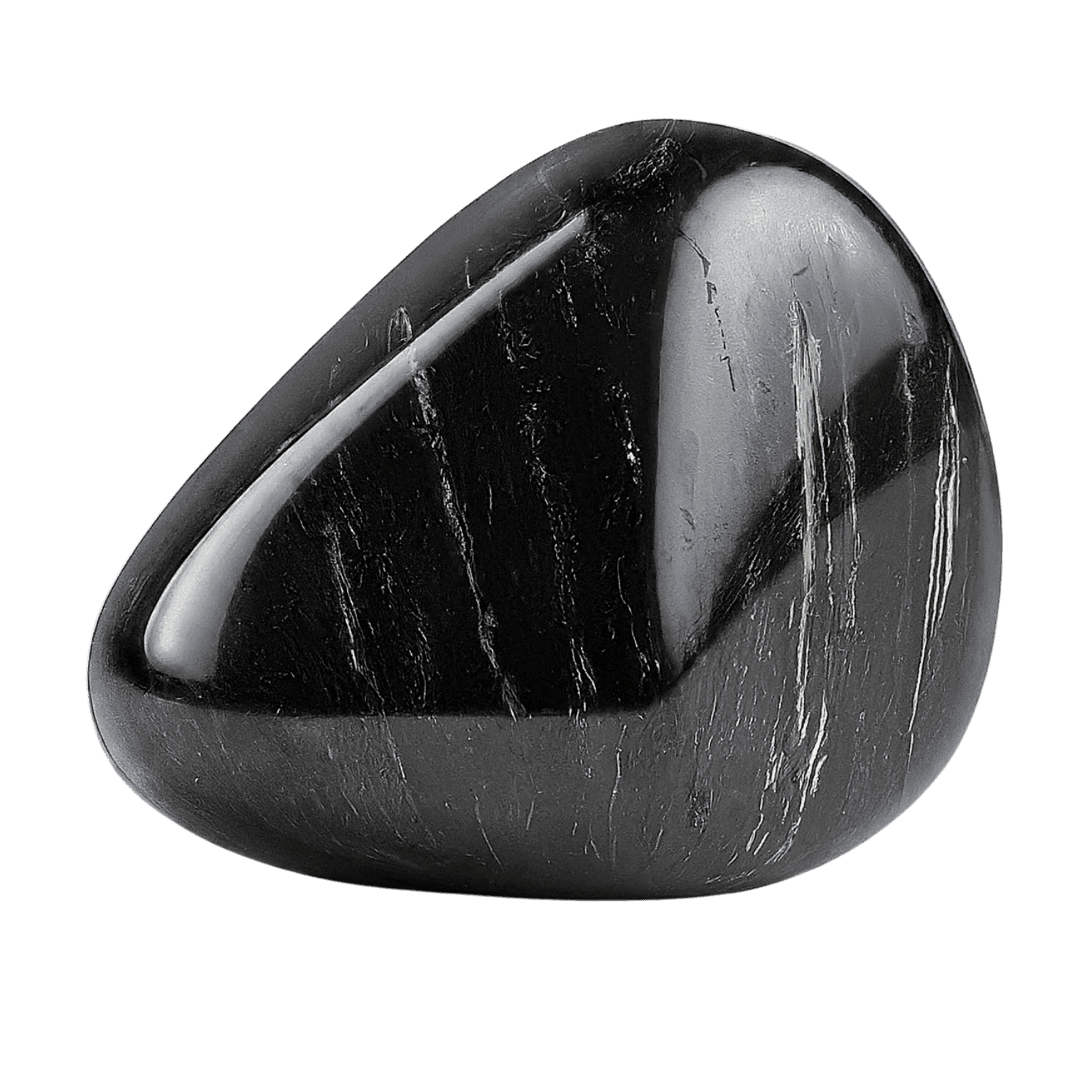
Black Tourmaline
The ultimate protection stone that absorbs and transmutes negative energy.
Still not sure which is right for you? Try the free Crystal Quiz for a personalized recommendation, or explore the crystal healing guide for foundational practice.
Frequently Asked Questions
Which should I buy first, Obsidian or Black Tourmaline?
Black Tourmaline is the safer first black stone for most people, because it grounds and shields without stirring anything up. Obsidian rewards you more once you actually want the deeper look it offers.
Is Obsidian too intense for beginners?
Obsidian is not dangerous, but it is direct: traditional practice treats it as a stone that surfaces avoided feelings. Beginners do well using it in short, intentional sessions rather than constant wear.
Do Obsidian and Black Tourmaline do the same job?
No, Obsidian and Black Tourmaline divide the work of shadow and protection: Obsidian reveals what needs attention, while Black Tourmaline maintains the energetic boundary afterward. Most practitioners eventually keep both.
Why does Black Tourmaline leave dark dust on my hands?
Black Tourmaline rough is brittle and naturally sheds fine dark grit from its striated surfaces, despite its decent hardness. The dust is harmless to touch; choose polished pieces or tumbled stones if it bothers you.
How do I cleanse Obsidian after shadow work?
Obsidian benefits from cleansing after intense sessions, because traditional practice treats it as a stone that absorbs heavy material. Moonlight, sage smoke, or resting it on selenite all work; it also tolerates water, though its edges deserve careful handling.
Where should Black Tourmaline go in a home?
Black Tourmaline traditionally goes at entry points: the front door, a windowsill facing a busy street, or the desk where outside demands arrive. One fist-size rough piece per doorway is the classic arrangement.
More Crystal Comparisons
Share Your Result
Vertical 9:16 format, perfect for Instagram Stories or TikTok. Opens in a new tab; long-press or right-click to save.
The Crystal Starter Library, free
Crystal Cassandra on choosing your first stones, keeping them safe, and building a practice around one intention rather than a shelf of good intentions.
We respect your inbox. Unsubscribe anytime.
Explore More Tools
Crystal Quiz
Find the perfect crystal for your current needs and intentions.
Open →Crystal Encyclopedia
Browse our complete library of 50+ healing crystals.
Open →Chakra Test
Discover which of your chakras are open, balanced, or blocked.
Open →Crystals by Intention
Find crystals matched to specific intentions and goals.
Open →Crystal Cleansing Guide
Learn how to cleanse and recharge your healing crystals.
Open →