By Crystal Cassandra · Updated August 3, 2026
Crystal Healing Expert
Lapis Lazuli vs Azurite: which should you choose?
Lapis Lazuli and Azurite are both third eye stones in the crystal-healing tradition. Choose Lapis Lazuli when you need to speak wisdom you have already received; reach for Azurite when you want to develop psychic vision and clairvoyance.
Lapis Lazuli and Azurite are both deep blue stones associated with the third eye, and many people confuse them, partly because they sometimes occur together in the same specimen. But their energies and uses differ. Lapis is the regal stone of authentic wisdom; Azurite is the stone of psychic insight and divinatory work. The choice depends on whether you want to speak truth or perceive it.
Quick Comparison
| Property | Lapis Lazuli | Azurite |
|---|---|---|
| Chakra | Throat, Third Eye | Third Eye |
| Element | Water | Air |
| Primary Color | deep blue, indigo | Vivid azure blue, deep electric blue |
| Hardness (Mohs) | 5.5 | 3.5-4 |
| Key Intentions | truth speaking, intuition, clarity | psychic insight, third eye opening, divination |
About Lapis Lazuli
Turn a piece of Lapis Lazuli under a lamp and notice the pyrite scattered like small gold weather through the blue, this is the stone that has been associated with royalty and wisdom for over six thousand years. In traditional crystal healing, Lapis Lazuli works on the third eye AND throat, bridging inner vision with the courage to speak it. Crystal Bible author Judy Hall describes Lapis as 'a stone of total awareness.'
In my practice, Lapis is for the wisdom that needs to be spoken, bringing inner knowing into the world. Author Melody describes Lapis as bringing 'objectivity, clarity, and mental endurance.' The way this stone meets you is regal and weighted; it asks you to take your insights seriously enough to express them.
For a deeper profile of this stone, see the full Lapis Lazuli page. If you're shopping, my Lapis Lazuli authenticity guide walks through the most common fakes and the hands-on tests that catch them.
About Azurite
Azurite is a vivid, almost electric blue, the most saturated natural blue in the mineral world. In traditional crystal healing, Azurite is the stone of psychic insight, often called 'the stone of heaven' by Native American traditions and 'the heaven stone' by ancient Chinese practitioners. Crystal Bible author Judy Hall describes Azurite as 'a high mystical stone' that 'guides spiritual development.'
In my practice, Azurite is for the receptive side of third-eye work, receiving psychic impressions, opening to visions, divinatory practice. Where Lapis speaks wisdom out, Azurite receives wisdom in. Author Melody notes that Azurite 'helps to release sorrow,' but its primary role is third-eye activation. The way this stone meets you can be intense, many people find that working with Azurite brings vivid dreams and unexpected insights. Note: Azurite is soft (Mohs 3.5-4) and reacts with acid, so handle with care.
Key Differences
- 1Lapis Lazuli is for wisdom-speaking (third eye + throat); Azurite is for psychic reception (pure third eye).
- 2Lapis is regal and weighty; Azurite is intense and electric.
- 3Lapis is more durable (5.5); Azurite is softer (3.5-4) and acid-sensitive.
- 4Lapis is for outer expression of inner truth; Azurite is for inner receiving of psychic impression.
When to Use Them Together
Lapis Lazuli and Azurite together create a complete third-eye practice, Azurite for receiving insight, Lapis for articulating it. They are sometimes found in the same specimen (azurite-lapis), which is considered especially powerful. Many practitioners use both during divination sessions.
Many people working with these stones also explore the Third Eye Chakra page, which gathers traditional pairings and balancing practices in one place.
Which One Is Right for You?
In my practice, the right stone is almost always the one that matches your current need. Many people find that one of these scenarios maps closely to where they are right now:
You want to develop psychic vision and clairvoyance
Azurite is the traditional psychic-insight stone.
You need to speak wisdom you have already received
Lapis bridges third eye and throat for articulated truth.
You are doing divinatory work (tarot, scrying)
Azurite supports the receptive side of divination.
You are sharing intuitive insights with others
Lapis gives weight and authority to spoken wisdom.
Add These Stones to Your Practice
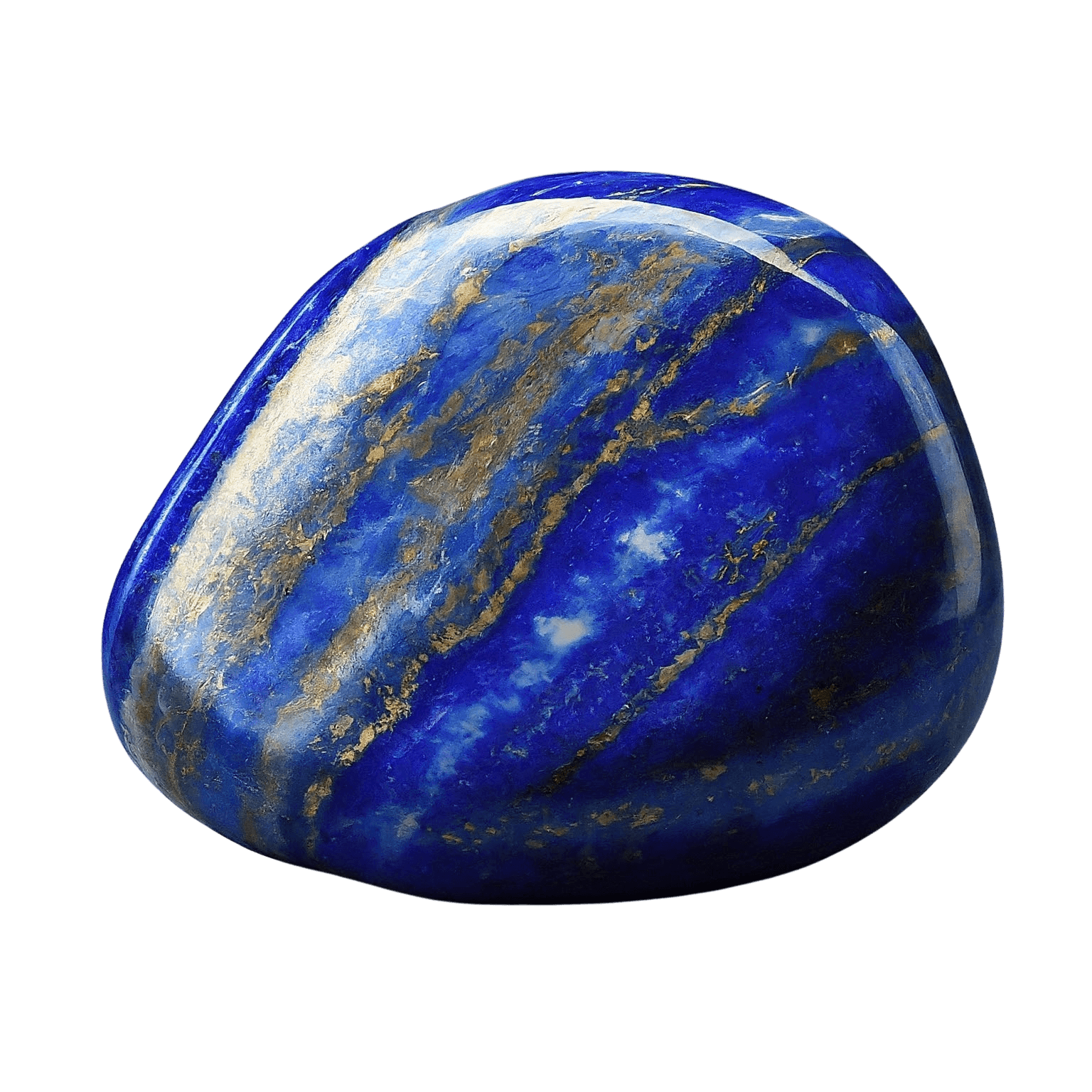
Lapis Lazuli
A deep blue stone of truth, wisdom, and inner vision.
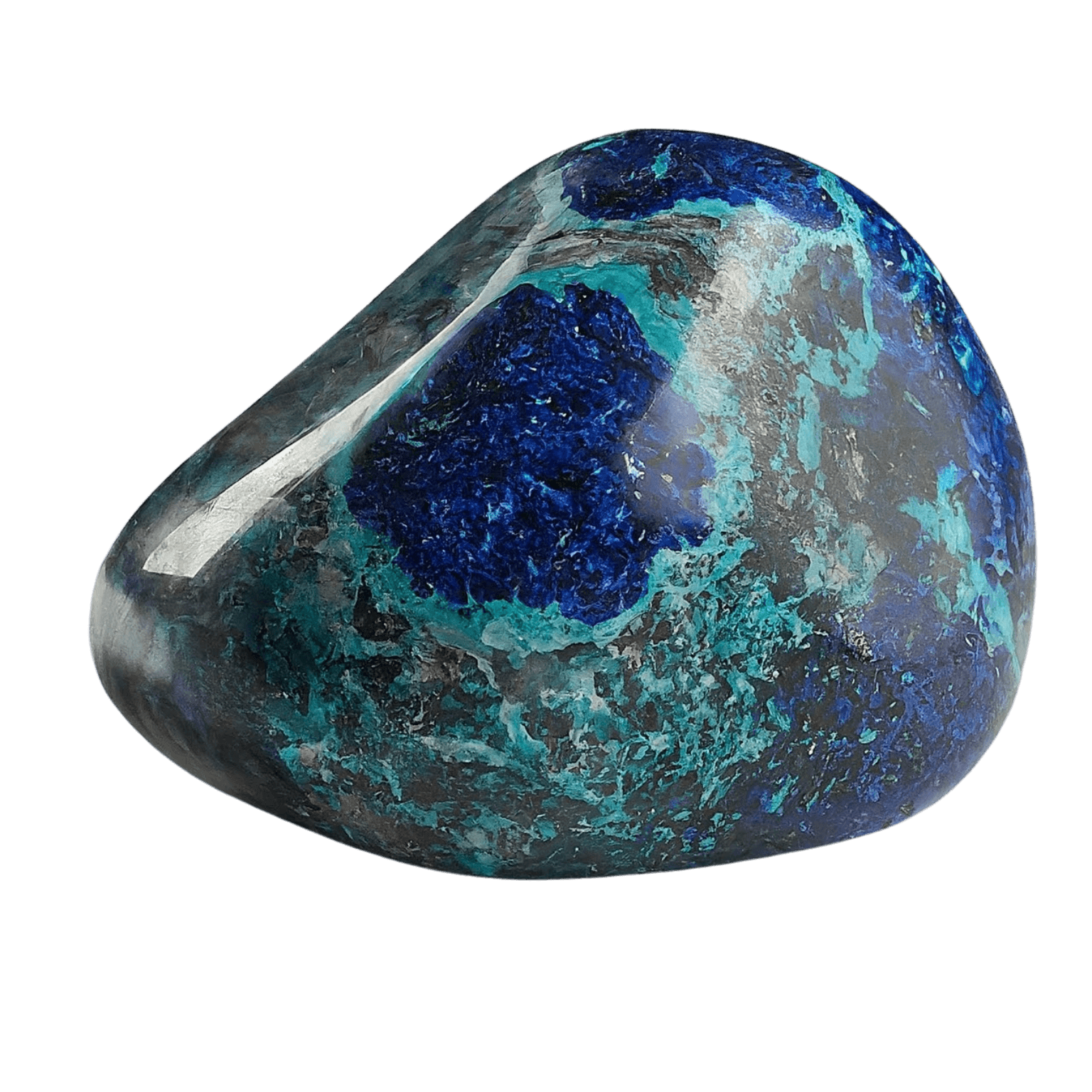
Azurite
A vivid azure-blue copper mineral traditionally used for psychic insight and divinatory work.
Still not sure which is right for you? Try the free Crystal Quiz for a personalized recommendation, or explore the crystal healing guide for foundational practice.
Frequently Asked Questions
Which is stronger for the third eye, Lapis Lazuli or Azurite?
Azurite is more intensely third-eye focused, many practitioners consider it more activating for psychic vision. Lapis is steadier but works on throat as well as third eye.
Are Lapis Lazuli and Azurite related?
Yes, sometimes they are found in the same specimen, called azurite-lapis or 'azurite-malachite-lapis' combinations. But they are distinct minerals.
Why is Azurite considered intense?
Azurite has a tradition of activating vivid dreams, unexpected insights, and intense third-eye experiences. Many practitioners advise working with it gradually. It is not typically a beginner's stone.
Can Azurite get wet?
No, Azurite is a copper mineral and reacts with water and acids. Use dry cleansing methods (sage, sound, selenite). Lapis is also water-sensitive (porous).
Which is more expensive?
Both are mid-to-high priced. Quality Lapis runs $15-30. Azurite is rarer and can be more expensive, especially for vivid specimens.
More Crystal Comparisons
Share Your Result
Vertical 9:16 format, perfect for Instagram Stories or TikTok. Opens in a new tab; long-press or right-click to save.
The Crystal Starter Library, free
Crystal Cassandra on choosing your first stones, keeping them safe, and building a practice around one intention rather than a shelf of good intentions.
We respect your inbox. Unsubscribe anytime.
Explore More Tools
Crystal Quiz
Find the perfect crystal for your current needs and intentions.
Open →Crystal Encyclopedia
Browse our complete library of 50+ healing crystals.
Open →Chakra Test
Discover which of your chakras are open, balanced, or blocked.
Open →Crystals by Intention
Find crystals matched to specific intentions and goals.
Open →Crystal Cleansing Guide
Learn how to cleanse and recharge your healing crystals.
Open →