Quick Answer
Zincite is a red crystal used in modern crystal healing for creativity, vitality, and energy. It measures 4 on the Mohs hardness scale and typically costs $9 to $34 for a tumbled stone. In the chakra tradition, Zincite is associated with the Sacral and Root chakras.
Worth knowing: The Franklin and Sterling Hill district that produced natural zincite is a mineralogical wonder credited with more than 300 mineral species, dozens found nowhere else, and bills itself the fluorescent mineral capital of the world.
“A fiery red-orange zinc oxide, mostly synthetic, for creativity and vitality.”
- Chakra
- Sacral (Svadhisthana), Root (Muladhara)
- Zodiac
- Aries ♈, Leo ♌
- Element
- Fire 🔥
- Planet
- Mars ♂
- Hardness
- 4 / 10 (Mohs)
- Colors
- Red, Orange, Yellow, Red-orange
- Origin
- Poland (synthetic), United States (natural)
- Price Range
- 9 to 34
Care + Safety
Zincite at a glance
- Water: avoid, may damage or leach
- Sun: tolerates sunlight charging
- Mohs hardness: 4 (display + meditation only)
What is Zincite?
Zincite is zinc oxide, hexagonal and fiery orange-red in nature, where manganese impurities supply the color. Natural crystals of any size are essentially confined to the Franklin and Sterling Hill zinc deposits of New Jersey, where zincite was smelted as ore together with franklinite and willemite.
Zincite measures 4 on the Mohs scale and shows red, orange, or yellow coloring. Collectors class it with the activating stones, the shelf consulted for creativity, vitality, and energy whenever a door needs walking through.
The stone connects primarily to the Sacral (Svadhisthana) and Root (Muladhara) chakras, carrying Fire energy. Today the material is drawn from Poland (synthetic) and United States (natural). Hold pieces from two different sources side by side and the differences in the red material, tone, translucency, pattern, become obvious fast.
Most Zincite on the market is synthetic, grown as a byproduct of zinc smelting (famously from Polish smelter flues), though rare natural zinc oxide exists at places like Franklin, New Jersey. Hold this stone and notice a bright, almost crackling warmth low in the belly. In my practice I use Zincite as a stone of creativity and vital spark, and I tell clients plainly when a piece is the common synthetic kind.
Also catalogued as Zinc Oxide and Polish Zincite, Zincite earns its place in a working collection by being usable: start with creativity, the job it is best known for, and let the stone widen its own brief from there.
History and Mythology
Zincite is a modern entry in the crystal canon. Its mineral identity was established in the scientific era, the healing vocabulary around it dates to recent decades, and any claim of ancient ritual use should be met with a raised eyebrow. The stone itself, formed in deposits now mined in Poland (synthetic) and United States (natural), is of course older than every book ever written about it.
The correspondence tables used by today's practitioners assign Zincite to Aries and Leo under the rulership of Mars ♂. In that system, work centered on creativity is said to land best while those signs are in season.
Whatever the age of the name, the geology is patient: every piece of Zincite took shape over geological timescales, arriving at its Mohs 4 hardness through slow heat, pressure, and chemistry long before any hand reached for it.
Zincite Meaning and Metaphysical Properties
What the Hand Learns First
In the hand Zincite reads as gentle before you know anything else about it. Mohs 4 hardness means it gives up its coolness quickly, and the red polish carries a waxy, candle-like glow. Posture is where the classical guidance points for an activating stone, shoulders and spine and the angle of the chin, so watch there rather than waiting on the hand.
Primary Properties
Momentum is the family business, and the Zincite property list reads accordingly: creativity, vitality, energy, and confidence. Tradition says to take the stone in hand just before the moments that ask for your full voltage, the audition, the opening day, the empty page. None of it is a guarantee; all of it is a prompt.
How Crystal Energy Works
Tradition reads Zincite through the Sacral center, the seat of appetite and creative water, where its creativity assignment naturally lives. Keep the sessions warm and low, hip-level carry, low-belly placements, with creativity, vitality, and energy named without ceremony. In both the Judy Hall and Melody catalogs the activating stones are tied to the lower three centers, where the traditional language is will and creative fire rather than luck.
Amplification Through Intention
Elementally this is Fire. Set Zincite where the work actually happens and let it mark the start of each session aimed at creativity; momentum, in this element, is the method.
Healing Benefits
Emotional Support
Confidence is where Zincite meets the emotional life: creativity, vitality, and energy. Tradition says to handle it ahead of the moments that ask you to be seen, and that small pocketing ritual carries more steadiness than its size suggests. Tradition, not treatment: creativity work with a stone sits beside professional support, never in place of it.
Spiritual Connection
Dedication is the spiritual work Zincite is built for: tradition has you hold it while speaking an intention aloud, the minor ceremony that converts wanting into committing. Beginnings are its season, new projects, new chapters, new moons.
Physical Presence
On the physical level, tradition reads Fire stones like Zincite through warmth and appetite: morning energy, circulation of effort, the body's readiness to move toward creativity. Carry it on active days and let it cue the stretch, the walk, the standing up from the desk; the awareness is the genuine benefit, and it is never a substitute for medical care.
Chakra Connection
Zincite resonates most strongly with the Sacral (Svadhisthana), the energy center traditionally drawn in orange and the traditional seat of this stone's creativity work. When this center runs clear, the classical markers are ease with pleasure, free-moving feeling, and a lively creative appetite; creativity, vitality, and energy are what Zincite is most often asked to bring to it.
Carry it at hip level, a front pocket works fine, and give Zincite a deliberate touch whenever creativity is the task at hand; sacral stones respond to rhythm more than ceremony.
Because Zincite is also associated with the Root (Muladhara), it moves well in multi-stone layouts: one stone, two stations, worked on different days.
Zodiac and Astrological Connection
In the modern correspondence tables Zincite is assigned to Aries ♈ (Mar 21 to Apr 19) and Leo ♌ (Jul 23 to Aug 22); a Sun, Moon, or rising placement there is read as a head start with this stone, nothing more.
The gate, though, stands open: you do not need a Aries Sun to work with Zincite, and a genuine pull toward the stone outweighs its paper assignments.
The assigned ruler is Mars ♂; in practice that means Zincite comes out when that planet is prominent in the sky or in your chart, and creativity is the work it is handed.
How to Use Zincite
These are the five ways of working with Zincite I suggest most often. Begin wherever your attention goes first; the sequence matters far less than starting.
- 1
Meditation Hold
Hold Zincite for the length of your sit and notice the moment it stops feeling like an object and starts feeling like part of the hand; for a Mohs 4 stone, that shift comes early.
- 2
Body Placement
Lying comfortably, taking as long as it takes: that is the whole of the Sacral practice the tradition describes for Zincite. There is nothing to audit yourself for. Watch the stone instead, its weight, its temperature, the way light sits on it, and let creativity stay the name of the practice rather than its guaranteed cargo.
- 3
Sleep Companion
Zincite can still earn the nightstand even though its brief is creativity rather than rest: setting the stone down as you set the day down marks the switch from doing to sleeping.
- 4
Carry With You
Doorways are where Zincite does its carrying work: pocket it for interviews, first days, and openings, and touch it on purpose as you cross in. The contact is a cue, and the posture it prompts is what creativity looks like from the outside.
- 5
Crystal Grid Anchor
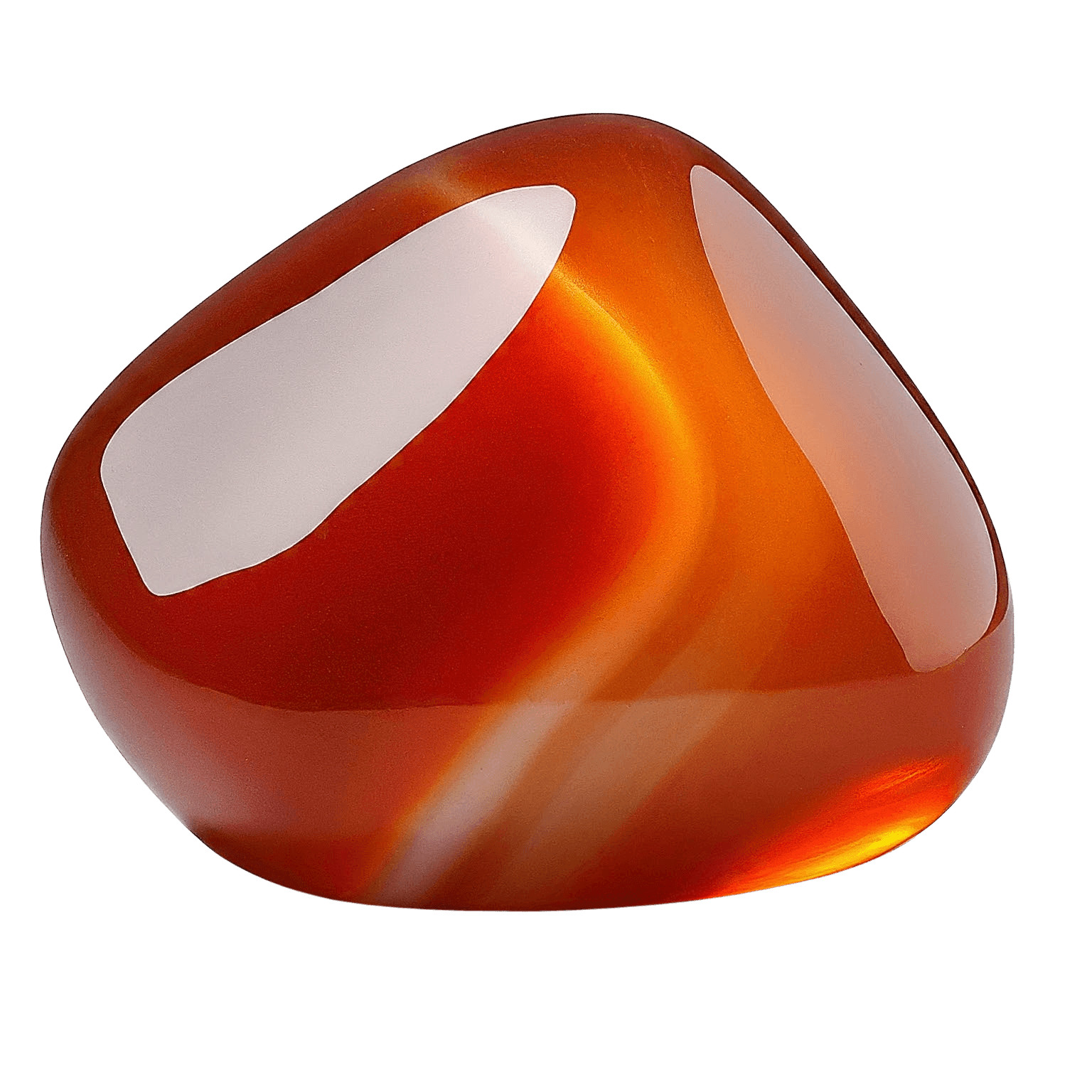
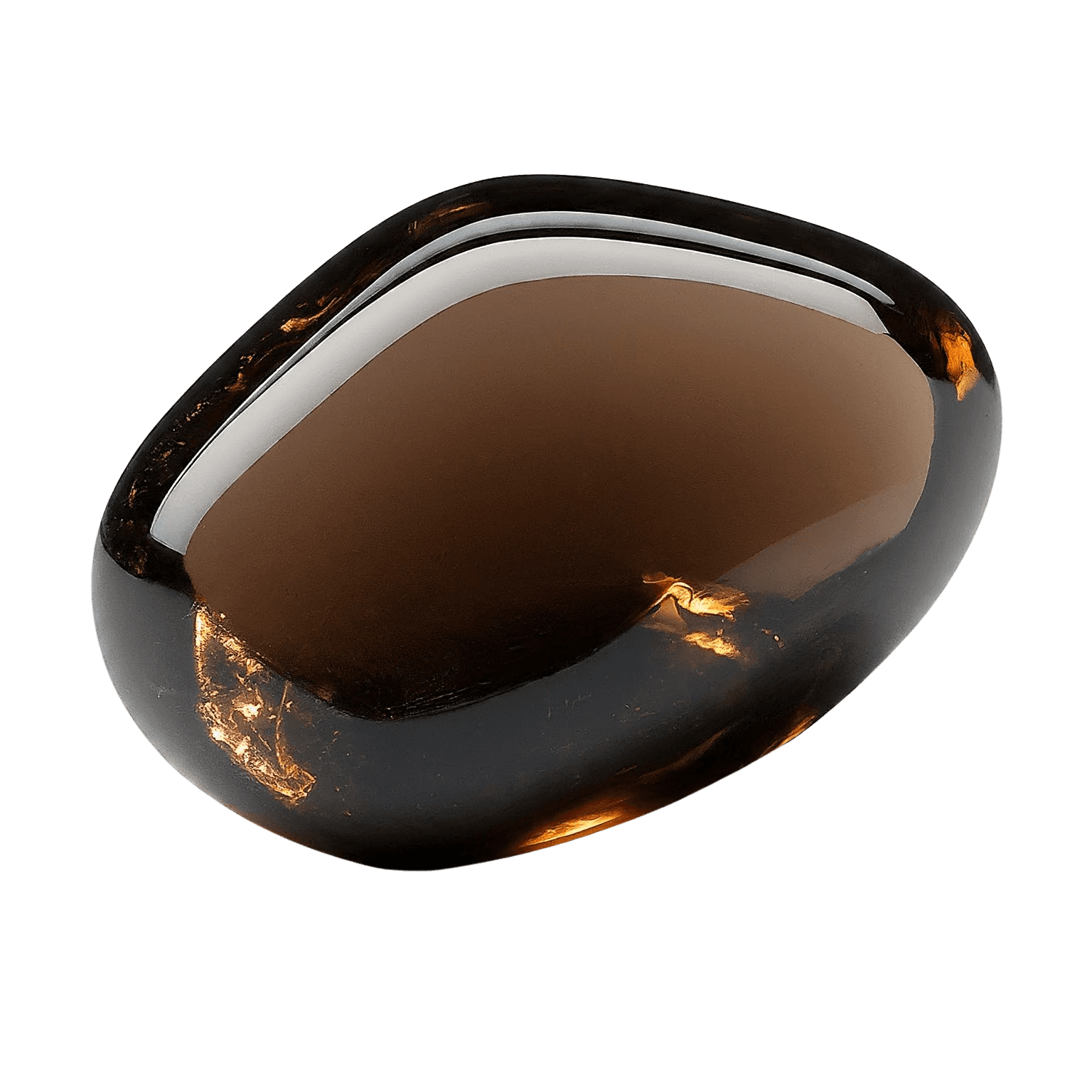
For grid work, give Zincite the anchor position and run Carnelian and Smoky Quartz on the outer points, all matched to a single creativity intention. Rebuild it when it goes stale; a creativity grid you have stopped seeing has stopped working.
How to Cleanse and Charge
Keeping Zincite energetically clear is essential, a crystal that's holding too much absorbed energy becomes less effective, like a sponge that's full. For the full water-safe / sun-safe / salt-safe profile, the recommended cleansing cadence, and the hands-on storage instructions I give my clients, see the dedicated Zincite care guide.
- 1
Sage
For a deeper reset, hold Zincite in sage smoke and name out loud what the stone has been carrying; the naming is half the cleanse.
- 2
Sound
Sound-cleanse Zincite by striking a bowl or bell, letting each tone fade completely before the next; the vibration does the clearing, and no contact is needed.
- 3
Moonlight
Set Zincite on a windowsill or ledge under the full moon and collect it in the morning. Moonlight is the gentlest cleanse in the tradition, safe for every stone in the collection and impossible to overdo.
- 4
Selenite
Keep a selenite dish where you empty your pockets and drop Zincite there at day's end; the resting place does the cleansing while you sleep.
How often to cleanse
I recommend cleansing Zincite at least once a month, more frequently if you're using it daily or during emotionally intense periods. You'll also learn to feel when a stone needs cleansing; it may feel heavier, duller, or simply “off.”
Charging after cleansing
After cleansing, charge Zincite by placing it in morning sunlight for 30 minutes. This restores its energetic vitality.
Crystal Pairings
Ignition without steering scatters, which is why Zincite pairs best with at least one grounding partner. The traditional companions alternate roles, throttle one day, brake the next. Trial any new pair on a single small creativity task and watch what happens to your focus.
How to Spot Real vs Fake Zincite
The market in Zincite has grown faster than its honesty, and red pieces are easy to imitate on a screen. Here is how to check one before you pay for it:
Temperature: at Mohs 4, genuine Zincite warms in the hand noticeably faster than glass; an imitation in glass stays cold and slick well past the first minute.
Weight and density: resin fakes run light for their size, while genuine Zincite at Mohs 4 carries honest mineral density; weigh it in the palm against any real tumbled stone you own.
Color and pattern: the real range is red, orange, or yellow; treat neon saturation or flawless uniformity as a question for the seller, because nature rarely manages either.
Price reality: the fair range for Zincite sits near $9 to $34 at palm size; below that, assume treatment or imitation until the seller proves otherwise.
Trust your source: provenance beats any hands-on check; ask where the Zincite was mined, whether the red material is treated, and expect straight answers. That standard is why CrystalStones.com ships every piece with its provenance.
Frequently Asked Questions
What is Zincite good for?
Zincite is traditionally associated with creativity, vitality, energy, and confidence. Many people find it supportive for creativity and for working with the Sacral and Root chakras.
Can Zincite go in water?
No, water and Zincite do not mix; moisture can compromise the surface or the structure itself. Zinc oxide, soft (Mohs 4). Avoid water and salt; wash hands after handling and do not make elixirs.
Can Zincite be in the sun?
Yes. Zincite is one of the sun-tolerant stones, so use morning light freely to charge the red material; just bring it in rather than leaving it out for whole days at a time.
What chakra is Zincite?
Zincite is primarily associated with the Sacral (Svadhisthana) and Root (Muladhara) chakras. The sacral area is the traditional spot during lying-down practice, with hip-level carry as the everyday alternative for creativity.
What zodiac sign is Zincite for?
Zincite is traditionally connected to Aries and Leo. That said, the zodiac correspondence is an invitation rather than a requirement; any chart can work with Zincite, and attraction to the stone matters more than the calendar.
How do I cleanse Zincite?
Stick to Sage, Sound, and Moonlight for Zincite; those are the methods its care profile recommends. Every method on that list is dry by design, which suits this stone's chemistry exactly.
Is Zincite real or fake, how can I tell?
Genuine Zincite warms quickly in the hand at Mohs 4, while glass imitations stay cold longer and feel slick rather than satiny. A fair tumbled piece sits near $9 to $34 and shows honest variation across the red range; flawless uniformity at a bargain price is the tell worth trusting.
What’s Next?
A few thoughtful next steps if Zincite is calling to you.
The Crystal Starter Library
A free guide from Crystal Cassandra: the twelve stones that cover almost everything, a one page care matrix for water, sun and salt, and how to build a first intention practice.
We respect your inbox. Unsubscribe anytime.
Explore More Tools
Crystal Quiz
Discover which crystal matches your energy right now.
Open →Chakra Test
Find which chakras need attention and the crystals to balance them.
Open →Crystal Cleansing Guide
Learn how to safely cleanse and charge your crystals.
Open →Crystals by Intention
Find the perfect crystal for what you need right now.
Open →