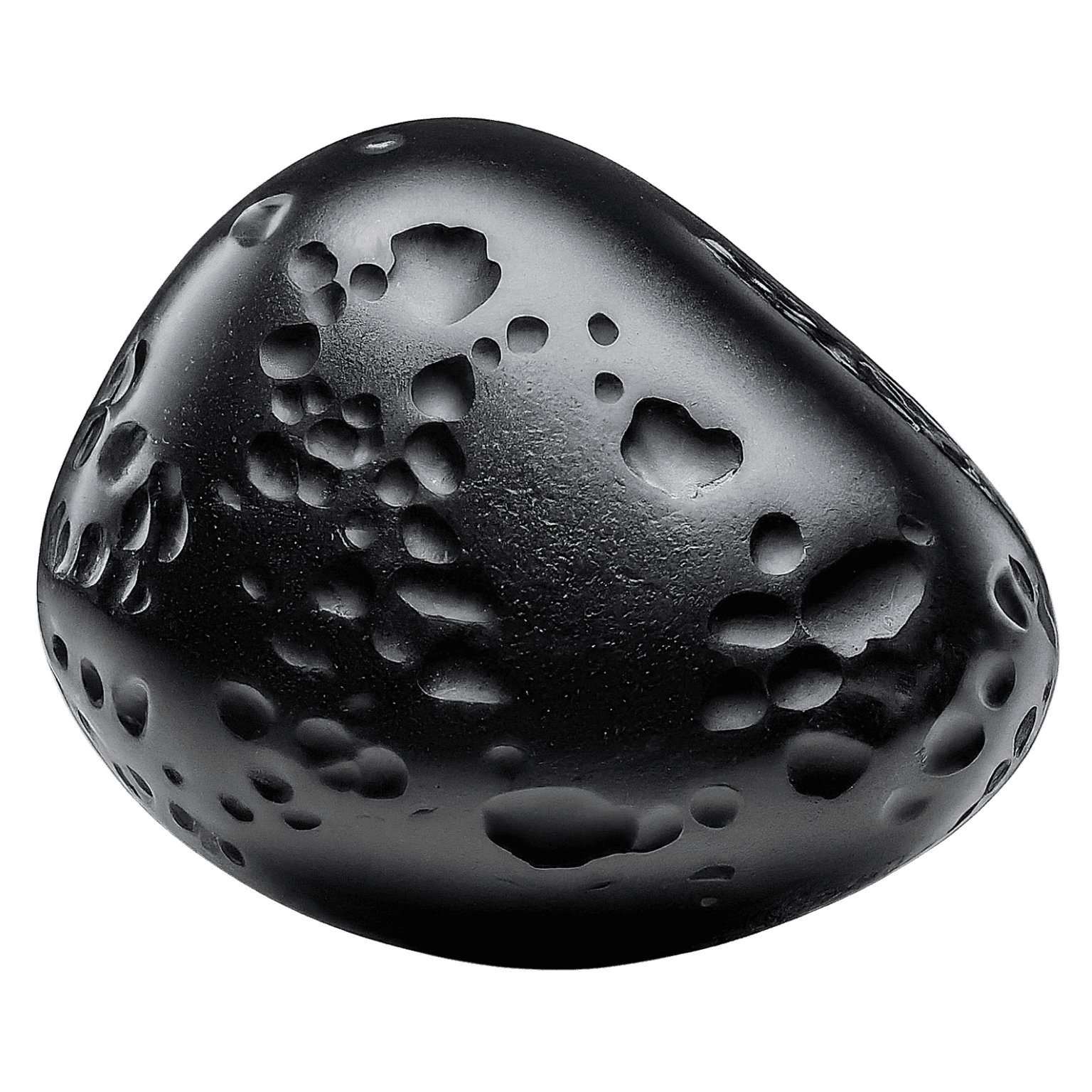

Quick Answer
Tektite is a black crystal used in modern crystal healing for transformation, spiritual awakening, and manifestation. It measures 5.5 on the Mohs hardness scale and typically costs $10 to $35 for a tumbled stone. In the chakra tradition, Tektite is associated with the Third Eye, Crown, and Root chakras.
Worth knowing: The Australasian tektite event about 790,000 years ago showered glass across roughly a tenth of Earth's surface, yet the crater stayed hidden; a 2020 study argued it lies buried beneath lava on the Bolaven Plateau in Laos.
“Black natural impact glass formed by meteoric impact, of cosmic perspective and acceleration.”
- Chakra
- Third Eye (Ajna), Crown (Sahasrara), Root (Muladhara)
- Zodiac
- Aquarius ♒, Aries ♈
- Element
- Fire 🔥, Spirit ✨
- Planet
- Uranus ♅
- Hardness
- 5.5 / 10 (Mohs)
- Colors
- Black, Dark brown
- Origin
- Indochina, Czech Republic (moldavite variant), Australia
- Price Range
- 10 to 35
Care + Safety
Tektite at a glance
- Water: brief rinse safe
- Sun: tolerates sunlight charging
- Mohs hardness: 5.5 (occasional wear only)
What is Tektite?
Tektites are natural glass launched by major asteroid or comet impacts, molten droplets of target rock flung above the atmosphere that froze into teardrops, dumbbells, and buttons before falling back. Most black tektites sold as specimens are indochinites, part of the vast Australasian strewn field blanketing Southeast Asia and Australia.
Tektite measures 5.5 on the Mohs scale and shows black or dark brown coloring. Change is its department: a threshold stone by family, kept close for transformation, spiritual awakening, and manifestation and for the crossings they imply.
The stone connects primarily to the Third Eye (Ajna) and Crown (Sahasrara) and Root (Muladhara) chakras, carrying Fire and Spirit energy. Today the material is drawn from Indochina, Czech Republic (moldavite variant), and Australia. Hold pieces from two different sources side by side and the differences in the black material, tone, translucency, pattern, become obvious fast.
Tektite is a natural impact glass formed when a meteorite strike vaporizes earth material and the cooling droplets fall back as glassy stones. Hold this stone and notice an accelerated, slightly buzzy quality, similar to but earthier than moldavite. The classical sources describe Tektite as a stone of cosmic perspective and the acceleration of inner work.
Also catalogued as Black Tektite and Indochinite, Tektite earns its place in a working collection by being usable: start with transformation, the job it is best known for, and let the stone widen its own brief from there.
History and Mythology
Be clear about what Tektite is: a commercial name from the modern lapidary market, not a classical mineral with centuries of documentation. Its workings, including the transformation association, were proposed by contemporary practitioners, which has an upside, the guidance is specific, current, and written for how people actually use stones today. Material is cut from deposits in Indochina, Czech Republic (moldavite variant), and Australia.
In modern astrological correspondence Tektite is linked with Aquarius and Aries, with Uranus ♅ named as its planetary ruler. Practitioners who keep these tables often work the stone hardest during those sun-sign seasons, especially for transformation.
Whatever the age of the name, the geology is patient: every piece of Tektite took shape over geological timescales, arriving at its Mohs 5.5 hardness through slow heat, pressure, and chemistry long before any hand reached for it.
Tektite Meaning and Metaphysical Properties
What the Hand Learns First
In the hand Tektite reads as gentle before you know anything else about it. Mohs 5.5 hardness means it gives up its coolness quickly, and the black polish carries a waxy, candle-like glow. Mind what surfaces unbidden in the first quiet minute; threshold stones have a way of bringing up exactly what is half-finished, and the visit means something.
Primary Properties
Threshold work is the heading over the Tektite property list: transformation, spiritual awakening, manifestation, and intuition. Stones of this family sit with what ends and what begins, the habit released, the new season entered. Let the stone witness the process and keep the crossing for yourself.
How Crystal Energy Works
The brow center, the Third Eye, is where the tradition seats Tektite, and the standing request there is transformation. Short sessions serve best, soft gaze, no straining, letting transformation, spiritual awakening, and manifestation drift up in their own time. Melody's entries for the transformation stones circle one verb, release: what is carried out of the system so that something new can be carried in.
Amplification Through Intention
Elementally this is Fire. Set Tektite where the work actually happens and let it mark the start of each session aimed at transformation; momentum, in this element, is the method.
Healing Benefits
Emotional Support
Tektite accompanies the heavier passages: transformation, spiritual awakening, and manifestation. It is traditionally a companion for grief, endings, and honest inventory, less a mood-lifter than a witness that stays. Tradition, not treatment: transformation work with a stone sits beside professional support, never in place of it.
Spiritual Connection
Spiritually, Tektite attends the rites of ending well, the released page, the closing inventory, the farewell made deliberately. What the stone marks is the difference between finishing something with attention and simply walking away from it.
Physical Presence
On the physical level, tradition reads Fire stones like Tektite through warmth and appetite: morning energy, circulation of effort, the body's readiness to move toward transformation. Carry it on active days and let it cue the stretch, the walk, the standing up from the desk; the awareness is the genuine benefit, and it is never a substitute for medical care.
Chakra Connection
Tektite resonates most strongly with the Third Eye (Ajna), the energy center traditionally drawn in indigo and the traditional seat of this stone's transformation work. When this center runs clear, the classical markers are a quiet knowing, sharp inner sight, and perception that trusts itself; transformation, spiritual awakening, and manifestation are what Tektite is most often asked to bring to it.
Keep sessions with Tektite brief and unforced: stone at the brow, eyes closed, attention loose. The third eye responds to invitation rather than pressure, and that is the posture transformation asks for too.
Because Tektite is also associated with the Crown (Sahasrara) and Root (Muladhara), it moves well in multi-stone layouts: one stone, two stations, worked on different days.
Zodiac and Astrological Connection
In the modern correspondence tables Tektite is assigned to Aquarius ♒ (Jan 20 to Feb 18) and Aries ♈ (Mar 21 to Apr 19); a Sun, Moon, or rising placement there is read as a head start with this stone, nothing more.
The gate, though, stands open: you do not need a Aquarius Sun to work with Tektite, and a genuine pull toward the stone outweighs its paper assignments.
Uranus ♅ rules Tektite in this tradition, so practitioners time their longer sessions to that planet's active periods, especially for transformation.
How to Use Tektite
These are the five ways of working with Tektite I suggest most often. Begin wherever your attention goes first; the sequence matters far less than starting.
- 1
Meditation Hold
Hold Tektite for the length of your sit and notice the moment it stops feeling like an object and starts feeling like part of the hand; for a Mohs 5.5 stone, that shift comes early.
- 2
Body Placement
Rest Tektite at the brow point while lying back, eyes closed, gaze soft, and finish the sit before it turns into concentration. Short is the standing convention here. Practitioners point third-eye work of this kind toward transformation.
- 3
Sleep Companion
Tektite can still earn the nightstand even though its brief is transformation rather than rest: setting the stone down as you set the day down marks the switch from doing to sleeping.
- 4
Carry With You
Keep Tektite on you through the endings; when the old habit comes calling, a touch logs the refusal, and the stone becomes a running tally of the larger transformation.
- 5
Crystal Grid Anchor
For grid work, give Tektite the anchor position and run Moldavite and Libyan Desert Glass on the outer points, all matched to a single transformation intention. Rebuild it when it goes stale; a transformation grid you have stopped seeing has stopped working.
How to Cleanse and Charge
A worked stone needs clearing, and Tektite is no exception; practitioners describe an uncleansed crystal as muffled, present but quieter than it should be. For the full safety profile and the cadence I recommend, see the dedicated Tektite care guide.
- 1
Sound
Hold Tektite near a singing bowl, bell, or tuning fork and let a full minute of tone wash over it; sound reaches stones that water, salt, and sun cannot safely touch.
- 2
Moonlight
Set Tektite on a windowsill or ledge under the full moon and collect it in the morning. Moonlight is the gentlest cleanse in the tradition, safe for every stone in the collection and impossible to overdo.
- 3
Sage
Pass Tektite through the smoke of white sage or rosemary for about thirty seconds, turning it so the smoke wraps every face, while you hold a clear intention of release.
- 4
Earth
Bury Tektite in clean garden soil or a pot of earth for a full day; the tradition holds burial to be the deepest reset, returning the stone to the element it came from.
How often to cleanse
Give Tektite a clearing at least every month, and sooner after hard weeks or heavy daily use. The stone will teach you its own signal in time; most people describe it as dullness, weight, or a sense the stone has gone quiet.
Charging after cleansing
Follow every cleansing with a charge: for Tektite that means placing it in morning sunlight for 30 minutes. A cleared stone is neutral, a charged one is ready.
Crystal Pairings
Tektite pairs with stones that hold steady while it moves things; threshold work wants an anchor. Its traditional partners supply ground, heart, or light to the transformation process. Change the pairing as the season changes; that is part of the practice.

How to Spot Real vs Fake Tektite
The market in Tektite has grown faster than its honesty, and black pieces are easy to imitate on a screen. Here is how to check one before you pay for it:
Temperature: at Mohs 5.5, genuine Tektite warms in the hand noticeably faster than glass; an imitation in glass stays cold and slick well past the first minute.
Weight and density: resin fakes run light for their size, while genuine Tektite at Mohs 5.5 carries honest mineral density; weigh it in the palm against any real tumbled stone you own.
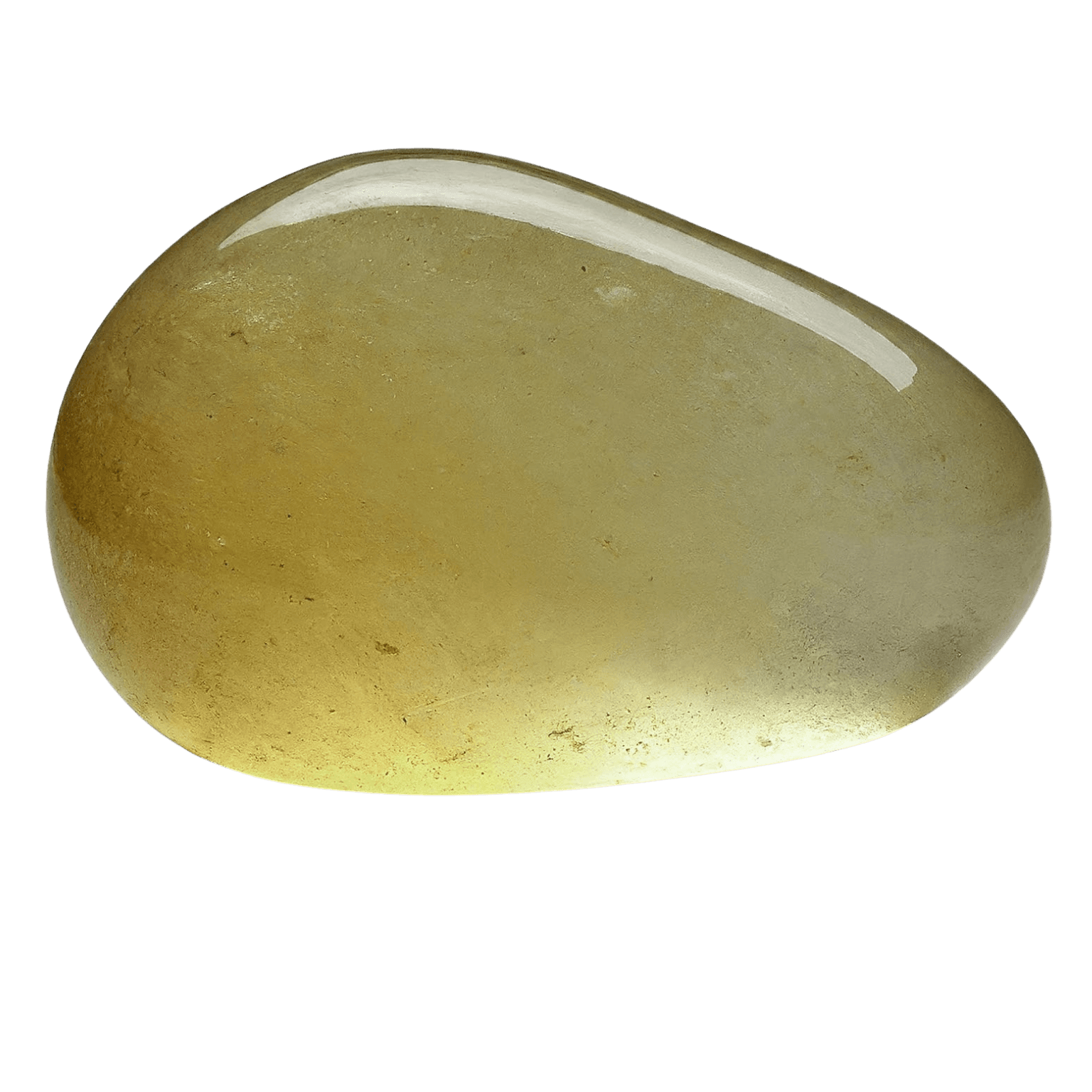
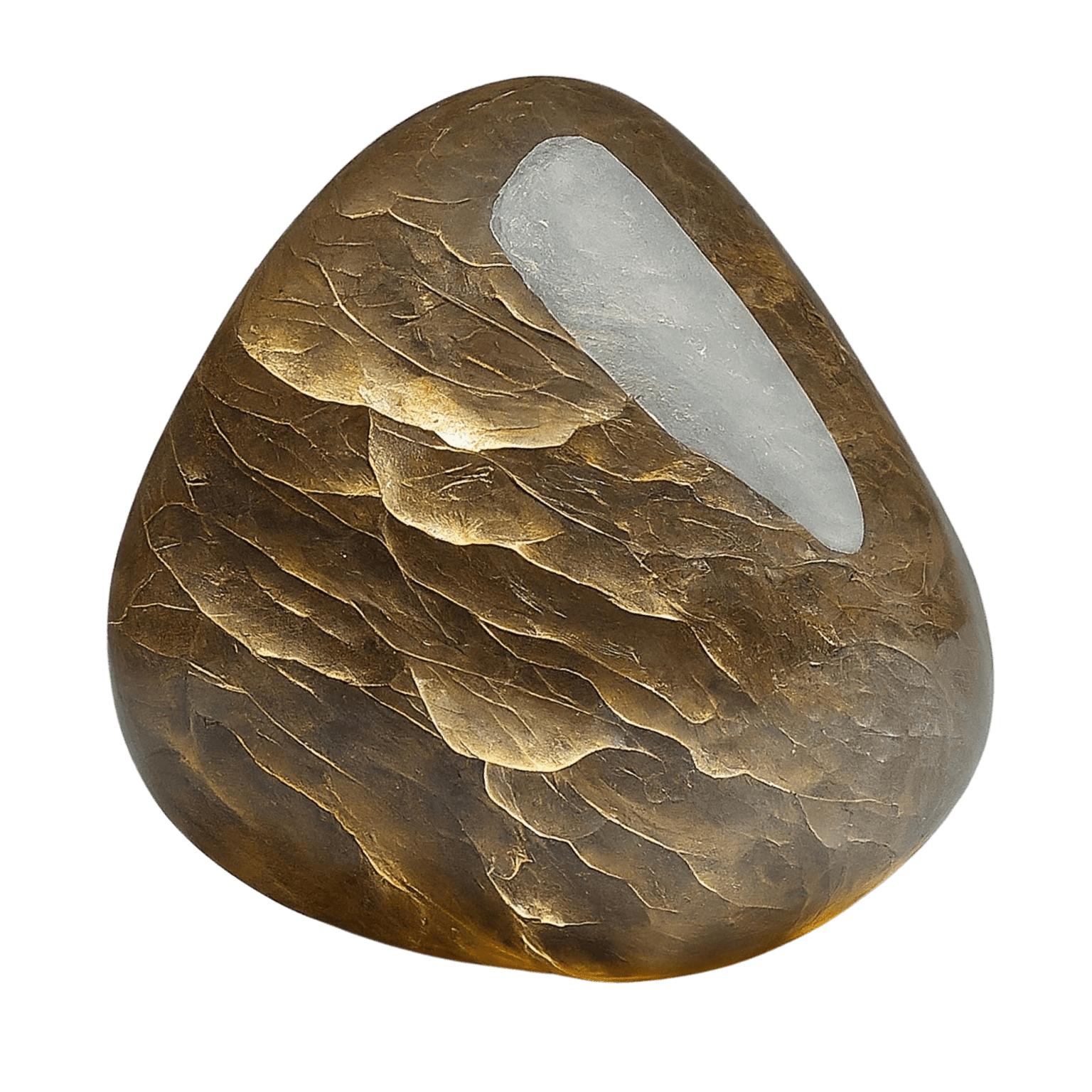
Color: expect black or dark brown with honest variation, banding, zoning, the odd inclusion; a batch where every stone matches exactly came out of a factory, not the ground.
Price reality: the fair range for Tektite sits near $10 to $35 at palm size; below that, assume treatment or imitation until the seller proves otherwise.
Trust your source: provenance beats any hands-on check; ask where the Tektite was mined, whether the black material is treated, and expect straight answers. That standard is why CrystalStones.com ships every piece with its provenance.
Frequently Asked Questions
What is Tektite good for?
Tektite is traditionally associated with transformation, spiritual awakening, manifestation, and intuition. Many people find it supportive for transformation and for working with the Third Eye, Crown, and Root chakras.
Can Tektite go in water?
It can. Tektite handles brief water contact without trouble at Mohs 5.5, and a short rinse under cool water makes a sound regular cleanse. Towel the stone off afterward and treat soaking as off the menu; brief contact is the whole agreement.
Can Tektite be in the sun?
Sun is fine for Tektite. A half hour of direct morning light both cleanses and charges it, and the black tones are stable enough to take it.
What chakra is Tektite?
Tektite is primarily associated with the Third Eye (Ajna) and Crown (Sahasrara) and Root (Muladhara) chakras. Lying back, rest it at the brow with the focus soft and end the sit while it is still easy; brief brow sessions are the tradition's preference for transformation.
What zodiac sign is Tektite for?
Tektite is traditionally connected to Aquarius and Aries. If your signs differ, work with Tektite anyway; resonance in the hand outranks resonance on paper in every practical tradition.
How do I cleanse Tektite?
Stick to Sound, Moonlight, and Sage for Tektite; those are the methods its care profile recommends. Water stays available for a quick rinse at Mohs 5.5, though the listed methods carry the monthly routine.
Is Tektite real or fake, how can I tell?
Genuine Tektite warms quickly in the hand at Mohs 5.5, while glass imitations stay cold longer and feel slick rather than satiny. Expect natural variation in its black coloring and a price near $10 to $35 for tumbled pieces; uniform color at a bargain price is the classic warning sign.
What’s Next?
A few thoughtful next steps if Tektite is calling to you.
The Crystal Starter Library
A free guide from Crystal Cassandra: the twelve stones that cover almost everything, a one page care matrix for water, sun and salt, and how to build a first intention practice.
We respect your inbox. Unsubscribe anytime.
Explore More Tools
Crystal Quiz
Discover which crystal matches your energy right now.
Open →Chakra Test
Find which chakras need attention and the crystals to balance them.
Open →Crystal Cleansing Guide
Learn how to safely cleanse and charge your crystals.
Open →Crystals by Intention
Find the perfect crystal for what you need right now.
Open →