Quick Answer
Stibnite is a silver-grey crystal used in modern crystal healing for protection, transformation, and courage. It measures 2 on the Mohs hardness scale and typically costs $25 to $60 for a tumbled stone. In the chakra tradition, Stibnite is associated with the Root and Solar Plexus chakras.
Worth knowing: The Ichinokawa mine on Japan's Shikoku Island produced stibnite blades more than half a meter long in the late nineteenth century, sword-like crystals now held as trophies by major natural history museums.
“A silver-grey bladed sulfide of fierce energetic boundaries and shamanic protection.”
- Chakra
- Root (Muladhara), Solar Plexus (Manipura)
- Zodiac
- Capricorn ♑, Scorpio ♏
- Element
- Earth 🌍, Fire 🔥
- Planet
- Pluto ♇
- Hardness
- 2 / 10 (Mohs)
- Colors
- Silver-grey, Metallic grey, Lead-colored
- Origin
- China, Romania, Japan
- Availability
- Reference only, not sold
Care + Safety
Stibnite at a glance
- Water: avoid, may damage or leach
- Sun: fades in prolonged direct sun
- Mohs hardness: 2 (display + meditation only)
What is Stibnite?
Stibnite is antimony sulfide, the principal ore of antimony, forming brilliant lead-grey blades whose metallic luster belies a softness of about 2 on the Mohs scale. Its powder served as eye paint in the ancient Near East, a use remembered in antimony's chemical symbol Sb, from the Latin stibium.
Stibnite measures 2 on the Mohs scale and shows silver-grey, metallic grey, or lead-colored coloring. By temperament it is a keeper stone, the guarding end of the collection, and protection, transformation, and courage are what it is most often handed.
The stone connects primarily to the Root (Muladhara) and Solar Plexus (Manipura) chakras, carrying Earth and Fire energy. Today the material is drawn from China, Romania, and Japan. Hold pieces from two different sources side by side and the differences in the silver-grey material, tone, translucency, pattern, become obvious fast.
Stibnite grows in long silver-grey blades that look almost metallic, sometimes mistaken for sword tips. Energetically, this stone is fierce: it doesn't soften edges, it sharpens them. Use it for setting clear boundaries with situations or people who keep crossing them.
Also catalogued as Stone of Boundaries and Wolf Spirit Stone, Stibnite earns its place in a working collection by being usable: start with protection, the job it is best known for, and let the stone widen its own brief from there.
History and Mythology
Stibnite is a modern entry in the crystal canon. Its mineral identity was established in the scientific era, the healing vocabulary around it dates to recent decades, and any claim of ancient ritual use should be met with a raised eyebrow. The stone itself, formed in deposits now mined in China, Romania, and Japan, is of course older than every book ever written about it.
Astrologically minded practitioners file Stibnite under Capricorn and Scorpio and give Pluto ♇ the rulership. The pairing is a 20th century convention rather than an ancient decree, and it is read as favoring protection work.
However young or old the human story, the stone outruns it: Stibnite formed over deep time, and the Mohs 2 piece on your shelf is the newest chapter of a very old book.
Stibnite Meaning and Metaphysical Properties
How It Feels in the Hand
At Mohs 2, Stibnite barely argues with the world. Expect a feather-light coolness that vanishes the moment skin touches the silver-grey surface, and handle it like the delicate thing it is. It is also conspicuously heavy for its size, the honest density of a metal-rich mineral. Attend to heaviness rather than to tingling. Ballast is the quality this family is traditionally read for, so that is the thing worth giving your attention to.
Primary Properties
Stibnite keeps a guard-duty property list: protection, transformation, courage, and banishing negativity. What the protective family teaches is edges, where you stop, where the room starts, and the settled breath that comes from knowing the difference. Take the list as shorthand from tradition and let your own steadiness define the assignment.
How Crystal Energy Works
Stibnite belongs to the Root center in the traditional reading, the body's anchor point, where protection is the standing request. Sessions at this center stay low and slow-paced, seated comfortably, and protection, transformation, and courage name the long assignment. Melody's Love Is in the Earth describes the grounding stones through the root connection, the energetic cord she pictures running from the base of the spine into the earth itself.
Amplification Through Intention
Stibnite is classed as an Earth stone, patient, bodily, hard to knock over, which sets the pace of its protection work. Prefer routines over ceremonies, the same pocket, the same desk corner, and let consistency do for protection, transformation, and courage what intensity cannot.
Healing Benefits
Emotional Support
On the emotional level, tradition hands Stibnite the boundary work: protection, transformation, and courage, the felt sense of having walls that hold. It earns its keep on the days when other people's storms blow through you too easily. These are traditional protection associations rather than medical claims; for anything heavy or persistent, a qualified professional belongs in the picture alongside any stone.
Spiritual Connection
Stibnite holds the doorkeeper post in spiritual practice: tradition gives it the opening breath before inner work and the deliberate landing afterward. For this family, a well-kept boundary is itself a form of devotion.
Physical Presence
Tradition reads Earth stones like Stibnite through the soles of the feet: stance, weight, the felt fact of standing somewhere while you work on protection. Try standing barefoot with the stone in hand when the day goes abstract; the practice is awareness, not medicine.
Chakra Connection
Stibnite resonates most strongly with the Root (Muladhara), the energy center traditionally drawn in red and the traditional seat of this stone's protection work. When this center runs clear, the classical markers are steadiness, physical security, and a settled sense of ground; protection, transformation, and courage are what Stibnite is most often asked to bring to it.
Work it seated and slow; put Stibnite on the floor where your gaze lands, feet flat, and breathe down toward it. Root work is the least dramatic chakra work there is, which is exactly why protection grows well in it.
Because Stibnite is also associated with the Solar Plexus (Manipura), it moves well in multi-stone layouts: one stone, two stations, worked on different days.
Zodiac and Astrological Connection
In the modern correspondence tables Stibnite is assigned to Capricorn ♑ (Dec 22 to Jan 19) and Scorpio ♏ (Oct 23 to Nov 21); a Sun, Moon, or rising placement there is read as a head start with this stone, nothing more.
Correspondence is a suggestion, not a bouncer; plenty of devoted Stibnite keepers have no Capricorn in their chart at all, and being drawn to the stone is the credential that matters.
The assigned ruler is Pluto ♇; in practice that means Stibnite comes out when that planet is prominent in the sky or in your chart, and protection is the work it is handed.
How to Use Stibnite
These are the five ways of working with Stibnite I suggest most often. Begin wherever your attention goes first; the sequence matters far less than starting.
- 1
Meditation Hold
Hold Stibnite with a light grip while you sit. At Mohs 2 it reaches body temperature almost instantly, so let the boundary between hand and stone blur and keep your attention on the breath.
- 2
Body Placement
Hip level when reclining, floor level when seated, that is where the chakra charts kept a Root stone like Stibnite. Nothing here is meant to be strenuous. Set the stone down, stay a while, and see where your attention keeps going back to. The protection heading belongs to the tradition, and it stays a tradition rather than a promise.
- 3
Sleep Companion
Stibnite can still earn the nightstand even though its brief is protection rather than rest: setting the stone down as you set the day down marks the switch from doing to sleeping.
- 4
Carry With You
Carry Stibnite on the days you expect crowds, noise, or difficult rooms. The touch-check becomes a boundary ritual, a two-second reminder that protection is something you bring with you.
- 5
Crystal Grid Anchor
For grid work, give Stibnite the anchor position and run Black Tourmaline and Obsidian on the outer points, all matched to a single protection intention. Rebuild it when it goes stale; a protection grid you have stopped seeing has stopped working.
How to Cleanse and Charge
A worked stone needs clearing, and Stibnite is no exception; practitioners describe an uncleansed crystal as muffled, present but quieter than it should be. For the full safety profile and the cadence I recommend, see the dedicated Stibnite care guide.
- 1
Sage
For a deeper reset, hold Stibnite in sage smoke and name out loud what the stone has been carrying; the naming is half the cleanse.
- 2
Sound
A minute inside strong, sustained tone, bowl, chime, even a steady hum, resets Stibnite without physical risk, which makes sound the safest deep cleanse for fragile stones.
- 3
Moonlight
Once a month, let Stibnite sit overnight in moonlight, on the full moon if you can manage it. Nothing in the cabinet is harmed by this method, which is why it anchors most cleansing routines.
- 4
Selenite
Overnight on selenite is the lowest-maintenance cleanse Stibnite can get: set it down at bedtime, pick it up cleared in the morning.
How often to cleanse
I recommend cleansing Stibnite at least once a month, more frequently if you're using it daily or during emotionally intense periods. You'll also learn to feel when a stone needs cleansing; it may feel heavier, duller, or simply “off.”
Charging after cleansing
Once it is cleansed, recharge Stibnite by setting it on a selenite plate overnight or bathing it in full moonlight; cleansing empties the stone, charging refills it.
Crystal Pairings
Wall-building is the right metaphor for pairing Stibnite: mass in one stone, lookout in the other. Tradition divides its partners along that line, the holders and the watchers. A brief two-stone hold before committing tells you what you need; ease is approval.
How to Spot Real vs Fake Stibnite
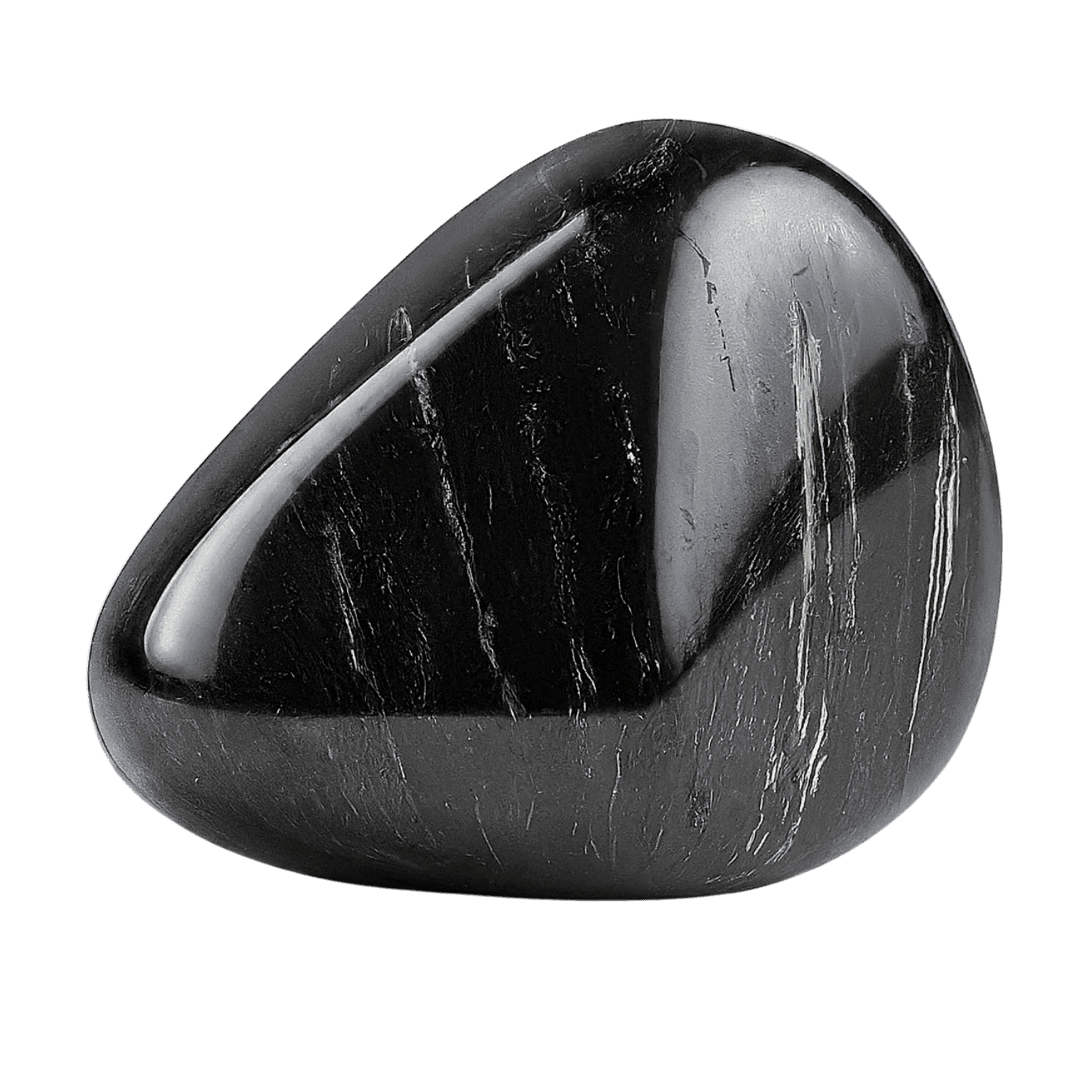
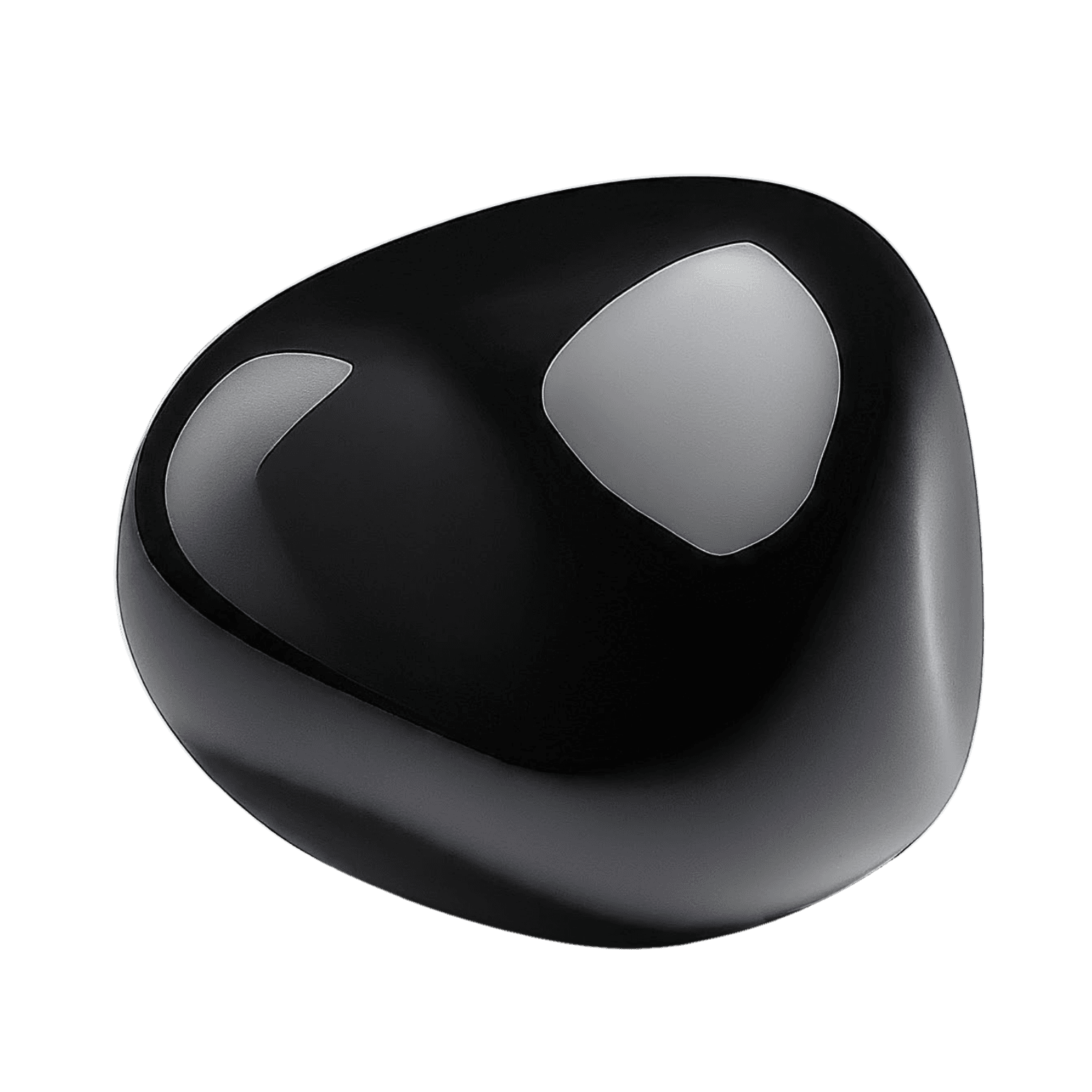
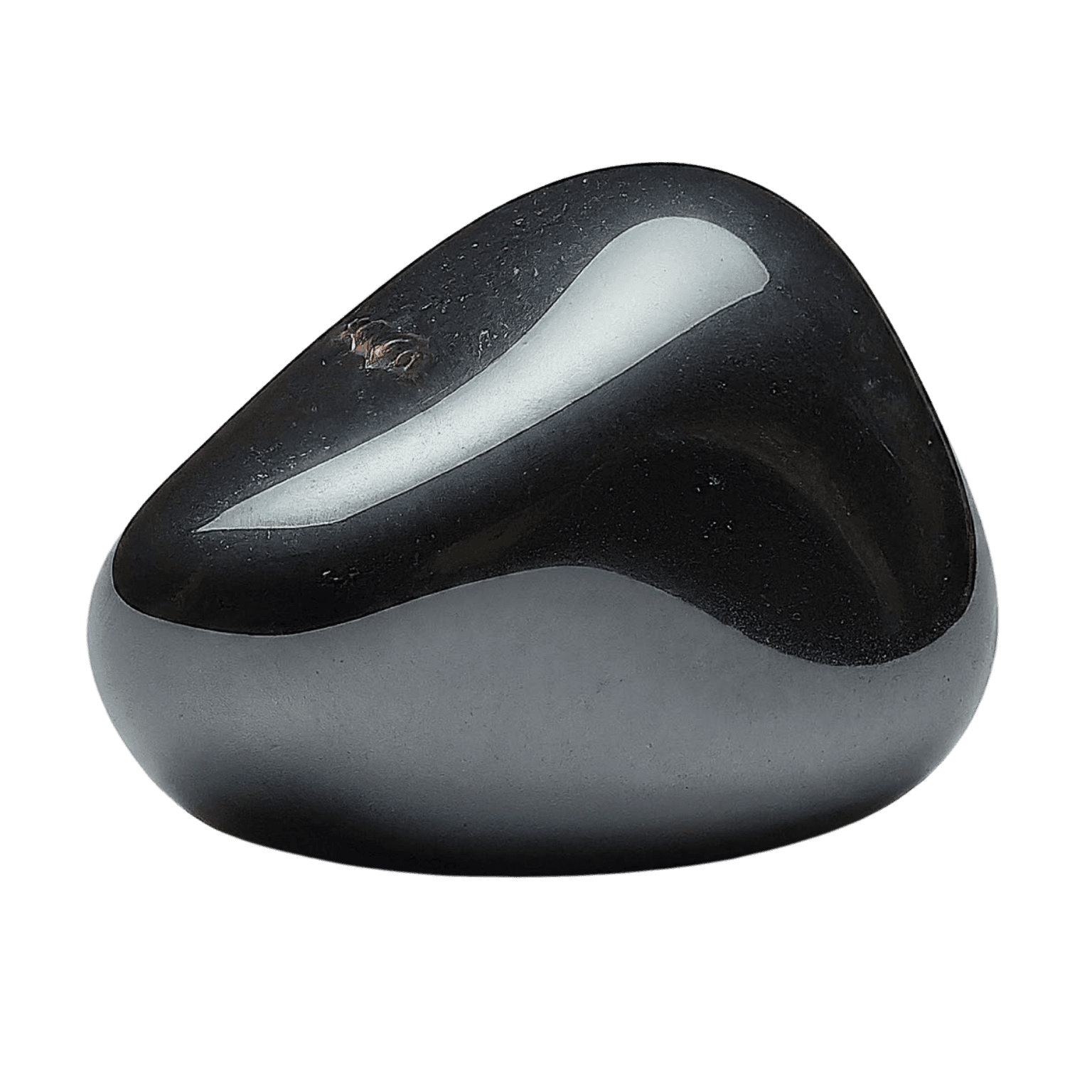
Imitations of Stibnite exist because demand does. A few hands-on checks separate genuine silver-grey material from glass, resin, and dye:
Touch and surface: real Stibnite is genuinely soft, Mohs 2, so tumbled pieces show gentle rounding and tiny natural imperfections, while molded resin looks suspiciously flawless and feels faintly plastic under a fingernail.
Weight: density is the signature here, genuine Stibnite is conspicuously heavy for its size, and any piece that feels light is wrong on arrival.
Color and pattern: the real range is silver-grey, metallic grey, or lead-colored; treat neon saturation or flawless uniformity as a question for the seller, because nature rarely manages either.
A note on sourcing: Stibnite is a hazardous mineral CrystalStones.com does not sell, so treat any specimen as a labeled reference or study piece from a mineral dealer, not a stone to carry, wear, or make elixirs from, and handle it according to its safety profile.
Frequently Asked Questions
What is Stibnite good for?
Stibnite is traditionally associated with protection, transformation, courage, and banishing negativity. Many people find it supportive for protection and for working with the Root and Solar Plexus chakras.
Can Stibnite go in water?
No, water and Stibnite do not mix; moisture can compromise the surface or the structure itself. Toxic, contains antimony. Wash hands after handling. NEVER use water, salt, or elixirs. Very soft and fragile.
Can Stibnite be in the sun?
Not for long. Stibnite holds delicate silver-grey color that extended sun exposure can bleach; charge it overnight in moonlight or on selenite instead.
What chakra is Stibnite?
Stibnite is primarily associated with the Root (Muladhara) and Solar Plexus (Manipura) chakras. Work it low, at the hips or on the floor between the feet while seated, which is the traditional station for protection.
What zodiac sign is Stibnite for?
Stibnite is traditionally connected to Capricorn and Scorpio. That said, the zodiac correspondence is an invitation rather than a requirement; any chart can work with Stibnite, and attraction to the stone matters more than the calendar.
How do I cleanse Stibnite?
Stick to Sage, Sound, and Moonlight for Stibnite; those are the methods its care profile recommends. Every method on that list is dry by design, which suits this stone's chemistry exactly.
Is Stibnite real or fake, how can I tell?
Genuine Stibnite is genuinely soft at Mohs 2, so real pieces show gentle wear and tiny imperfections while molded resin looks suspiciously perfect. Genuine material shows uneven silver-grey coloring and natural texture; verify it through a mineral dealer's identification and locality rather than a price tag, since this specimen is for reference, not purchase.
What’s Next?
A few thoughtful next steps if Stibnite is calling to you.
The Crystal Starter Library
A free guide from Crystal Cassandra: the twelve stones that cover almost everything, a one page care matrix for water, sun and salt, and how to build a first intention practice.
We respect your inbox. Unsubscribe anytime.
Explore More Tools
Crystal Quiz
Discover which crystal matches your energy right now.
Open →Chakra Test
Find which chakras need attention and the crystals to balance them.
Open →Crystal Cleansing Guide
Learn how to safely cleanse and charge your crystals.
Open →Crystals by Intention
Find the perfect crystal for what you need right now.
Open →