
Quick Answer
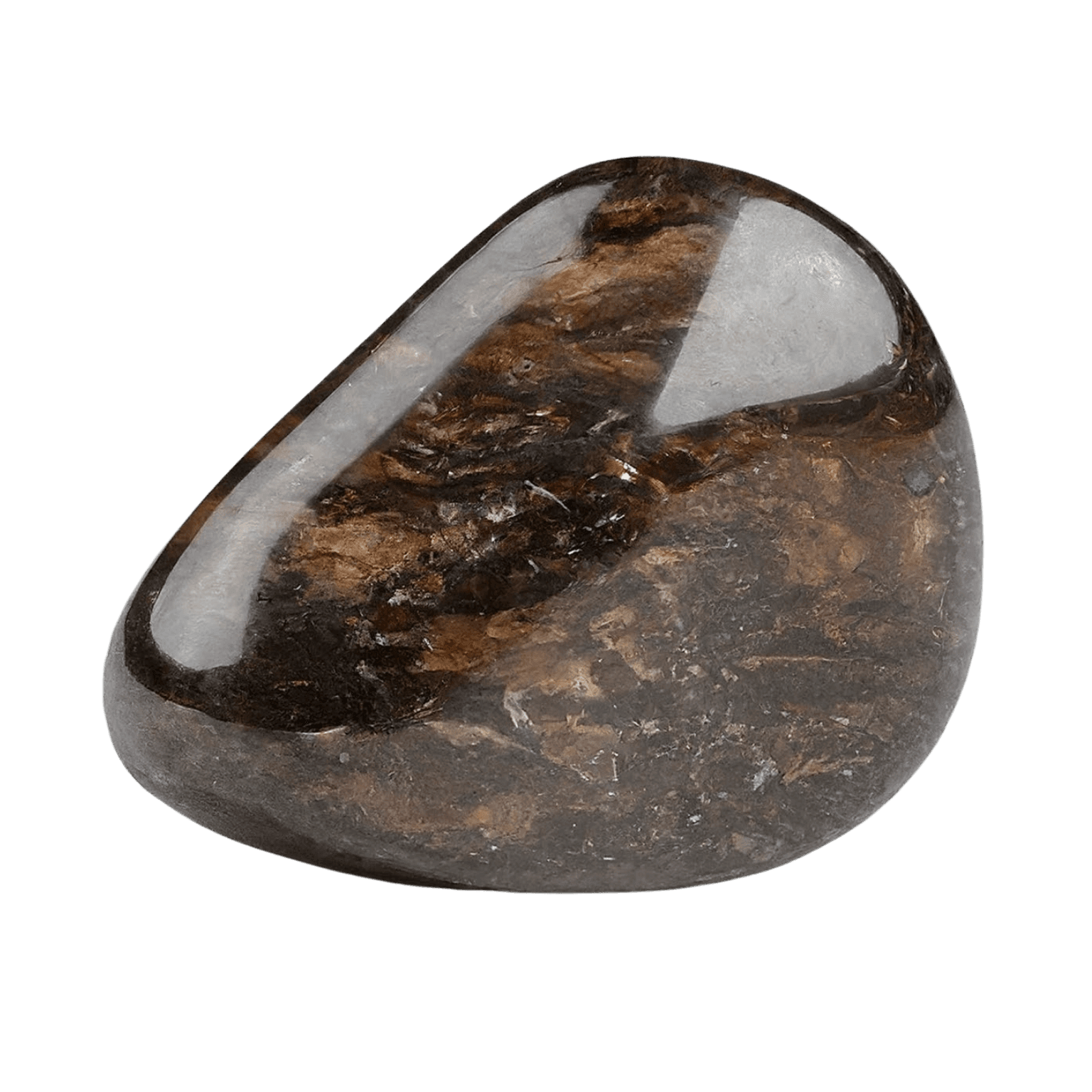
Sphalerite is a black crystal used in modern crystal healing for grounding, vitality, and courage. It measures 3.75 on the Mohs hardness scale and typically costs $14 to $45 for a tumbled stone. In the chakra tradition, Sphalerite is associated with the Root and Sacral chakras.
Worth knowing: Faceted sphalerite throws more than three times the fire of diamond, dispersion 0.156 against diamond's 0.044, but at hardness 3.5 to 4 it remains strictly a collector's gem, far too soft for jewelry.
“A black to honey zinc sulfide of grounded vitality; trace sulfur and cadmium, dry handling.”
- Chakra
- Root (Muladhara), Sacral (Svadhisthana)
- Zodiac
- Aries ♈, Scorpio ♏
- Element
- Earth 🌍
- Planet
- Mars ♂
- Hardness
- 3.75 / 10 (Mohs)
- Colors
- Black, Honey, Brown, Red
- Origin
- Spain, Mexico, Bulgaria
- Price Range
- 14 to 45
Care + Safety
Sphalerite at a glance
- Water: avoid, may damage or leach
- Sun: tolerates sunlight charging
- Mohs hardness: 3.75 (display + meditation only)
What is Sphalerite?
Sphalerite is zinc sulfide whose iron content steers its appearance from pale honey gem clarity to opaque black marmatite; the name, from the Greek sphaleros, treacherous, records how often miners mistook it for ore of lead that yielded none. German miners called it blende, the blinder or deceiver, for the same reason.
Sphalerite measures 3.75 on the Mohs scale and shows black, honey, or brown coloring. Practitioners shelve it with the keeper stones at the protective end of the catalog, where grounding, vitality, and courage are the standing requests.
The stone connects primarily to the Root (Muladhara) and Sacral (Svadhisthana) chakras, carrying Earth energy. Commercial material comes from Spain, Mexico, and Bulgaria, and provenance shows: pieces from different deposits vary in saturation, veining, and clarity, which is why no two specimens of Sphalerite read quite alike.
Sphalerite is the principal ore of zinc, ranging from black through brown to honey-yellow and red. Hold this stone and notice a steady, almost root-anchor vitality. The classical sources describe Sphalerite as a stone of grounded vitality and balance between physical and energetic; because it is a zinc sulfide, handle dry and wash hands after.
Also catalogued as Zinc Sulfide and Zinc Blende, whether it is your first stone or your fiftieth, Sphalerite tends to find its role quickly, and grounding is the natural place to begin.
History and Mythology
There is no credible ancient chapter to tell about Sphalerite. The species was described by modern science, and its associations with grounding were assigned by contemporary practitioners reading its color, structure, and feel. What the stone lacks in legend it makes up in geology, which asks for no embellishment; deposits worked today lie in Spain, Mexico, and Bulgaria.
Astrologically minded practitioners file Sphalerite under Aries and Scorpio and give Mars ♂ the rulership. The pairing is a 20th century convention rather than an ancient decree, and it is read as favoring grounding work.
Whatever the age of the name, the geology is patient: every piece of Sphalerite took shape over geological timescales, arriving at its Mohs 3.75 hardness through slow heat, pressure, and chemistry long before any hand reached for it.
Sphalerite Meaning and Metaphysical Properties
What the Hand Learns First
Pick up Sphalerite and warmth is the first report: at Mohs 3.75 it is a mid-soft mineral that takes body heat within a minute, and its black surface polishes to a satin sheen rather than a hard glitter. While it rests in your hand, let attention drop to wherever your body meets the floor; the grounding stones speak in weight first and words never.
Primary Properties
Protection is the through-line in the Sphalerite properties: grounding, vitality, courage, and energy. Stones of this family work like good walls, defining rather than confining, and their gift is the slower breath of feeling contained. Treat the traditional list as a sketch; the steadiness you actually need is the version worth practicing.
How Crystal Energy Works
Ground is the keyword the tradition gives Sphalerite: a Root-center stone, asked above all for grounding. Work it the Root way, seated, slow, soles flat against the floor, holding grounding, vitality, and courage as the quiet agenda. In Melody's Love Is in the Earth the grounding family is framed through the root connection, an energetic cord imagined running from the spine's base down into the earth.
Amplification Through Intention
Earth stones such as Sphalerite are traditionally treated as keel rather than sail; they hold a grounding course. Give the assignment once, clearly, and then let routine carry it.
Healing Benefits
Emotional Support
Sphalerite works the defended-and-rooted layer of feeling: grounding, vitality, and courage are its traditional emotional assignments. Keep it near on the porous days, the ones where every mood in the room seems to walk straight in. As with all crystal healing, grounding support from a stone is reflective practice rather than medicine; significant emotional concerns deserve qualified human help.
Spiritual Connection
Every practice has a threshold, and Sphalerite is traditionally stationed at it, marking the grounding breath that begins inner work and the deliberate return that ends it. The protective family treats boundaries as their own quiet liturgy.
Physical Presence
Physically, Sphalerite belongs to the slow systems: steady meals, regular sleep, the unglamorous maintenance that grounding actually rests on. Keep it where the routines happen as a quiet vote for keeping them; anything clinical belongs with clinicians.
Chakra Connection
Sphalerite resonates most strongly with the Root (Muladhara), the energy center traditionally drawn in red and the traditional seat of this stone's grounding work. When this center runs clear, the classical markers are safety, stability, and groundedness; grounding, vitality, and courage are what Sphalerite is most often asked to bring to it.
For placement, go low: lie down with Sphalerite resting at the hip points, or sit on the floor and set it between your feet. Attention on weight and ground, for as long as that stays comfortable, is the classic root session the tradition records for grounding.
Sphalerite also keeps a working line to the Sacral (Svadhisthana), which widens its range in layouts; let the primary placement lead, and add the second position once the first feels familiar.
Zodiac and Astrological Connection
Astrological tradition links Sphalerite with Aries ♈ (Mar 21 to Apr 19) and Scorpio ♏ (Oct 23 to Nov 21), and practitioners often suggest the stone meets Aries placements with the least friction.
Correspondence is a suggestion, not a bouncer; plenty of devoted Sphalerite keepers have no Aries in their chart at all, and being drawn to the stone is the credential that matters.
In the planetary layer of the system, Mars ♂ holds the rulership, and that planet's prominent transits are the traditional windows for deeper grounding work with Sphalerite.
How to Use Sphalerite
Here are five ways I recommend working with Sphalerite. Start with whichever feels most natural, there's no wrong entry point.
- 1
Meditation Hold
Take up Sphalerite as you settle in; at Mohs 3.75 it takes on your warmth within a minute or two, and that slow merge is a useful anchor whenever the mind wanders.
- 2
Body Placement
Hip level when reclining, floor level when seated, that is where the chakra charts kept a Root stone like Sphalerite. Nothing here is meant to be strenuous. Set the stone down, stay a while, and see where your attention keeps going back to. The grounding heading belongs to the tradition, and it stays a tradition rather than a promise.
- 3
Sleep Companion
At night, park Sphalerite on the nightstand rather than working it; its job is the day's grounding, and ending the day cleanly is how tomorrow's session starts well.
- 4
Carry With You
Bring Sphalerite along when the calendar promises crowds, noise, or rooms you would rather skip. Each touch-check restates the boundary, two seconds of contact saying that grounding travels with you.
- 5
Crystal Grid Anchor
For grid work, give Sphalerite the anchor position and run Galena and Pyrite on the outer points, all matched to a single grounding intention. Rebuild it when it goes stale; a grounding grid you have stopped seeing has stopped working.
How to Cleanse and Charge
Keeping Sphalerite energetically clear is essential, a crystal that's holding too much absorbed energy becomes less effective, like a sponge that's full. For the full water-safe / sun-safe / salt-safe profile, the recommended cleansing cadence, and the hands-on storage instructions I give my clients, see the dedicated Sphalerite care guide.
- 1
Sage
For a deeper reset, hold Sphalerite in sage smoke and name out loud what the stone has been carrying; the naming is half the cleanse.
- 2
Sound
A minute inside strong, sustained tone, bowl, chime, even a steady hum, resets Sphalerite without physical risk, which makes sound the safest deep cleanse for fragile stones.
- 3
Moonlight
Give Sphalerite a night outdoors or at the glass under a bright moon; the tradition holds moonlight to be the universal reset, slow, cool, and risk-free.
How often to cleanse
Give Sphalerite a clearing at least every month, and sooner after hard weeks or heavy daily use. The stone will teach you its own signal in time; most people describe it as dullness, weight, or a sense the stone has gone quiet.
Charging after cleansing
Once it is cleansed, recharge Sphalerite by placing it in morning sunlight for 30 minutes; cleansing empties the stone, charging refills it.
Crystal Pairings
Pair Sphalerite the way you would build a wall: one stone for mass, one for watch. Its traditional partners divide that labor, boundary-holding on one side, alertness on the other. Hold any two together briefly before committing; ease in the hand is the green light.
How to Spot Real vs Fake Sphalerite
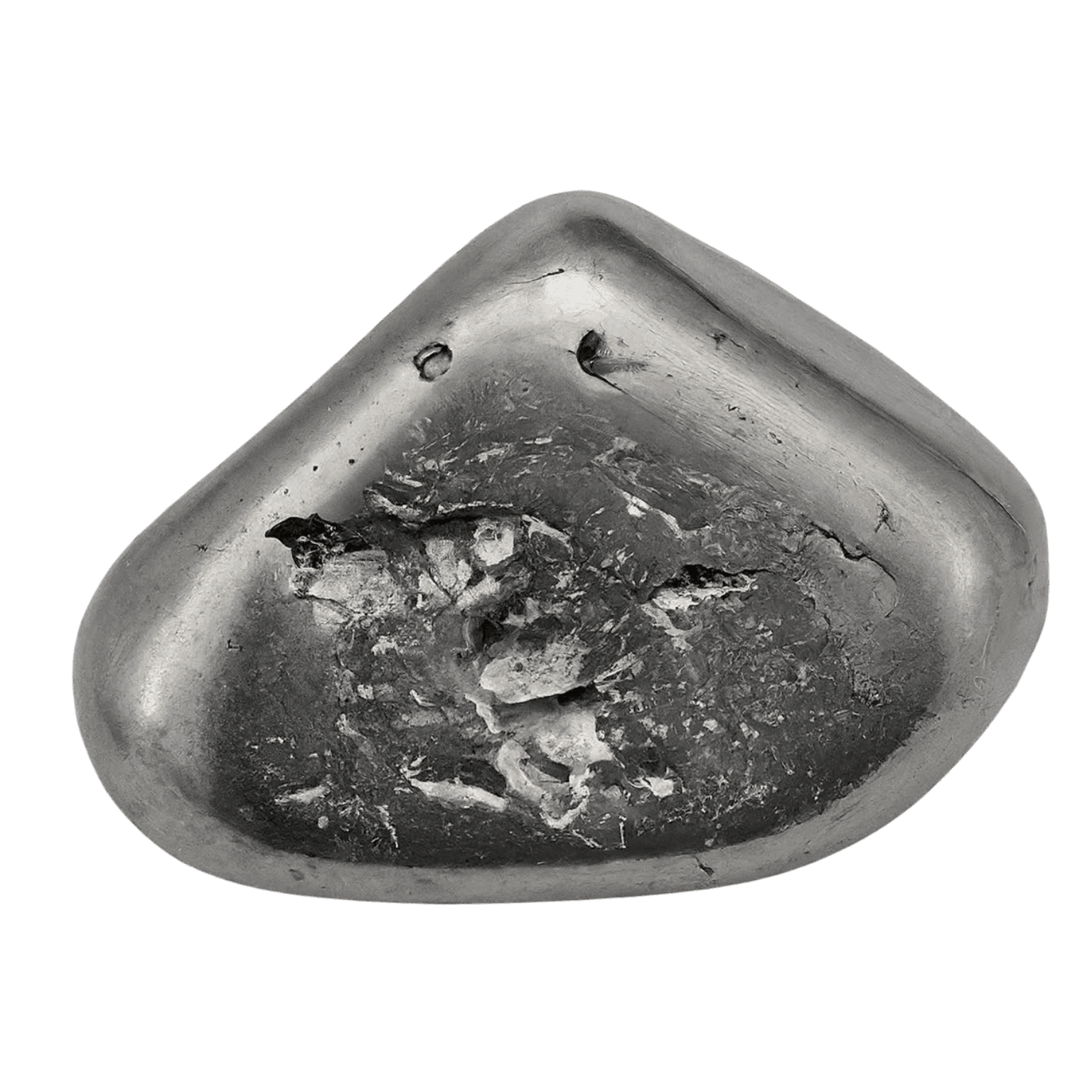
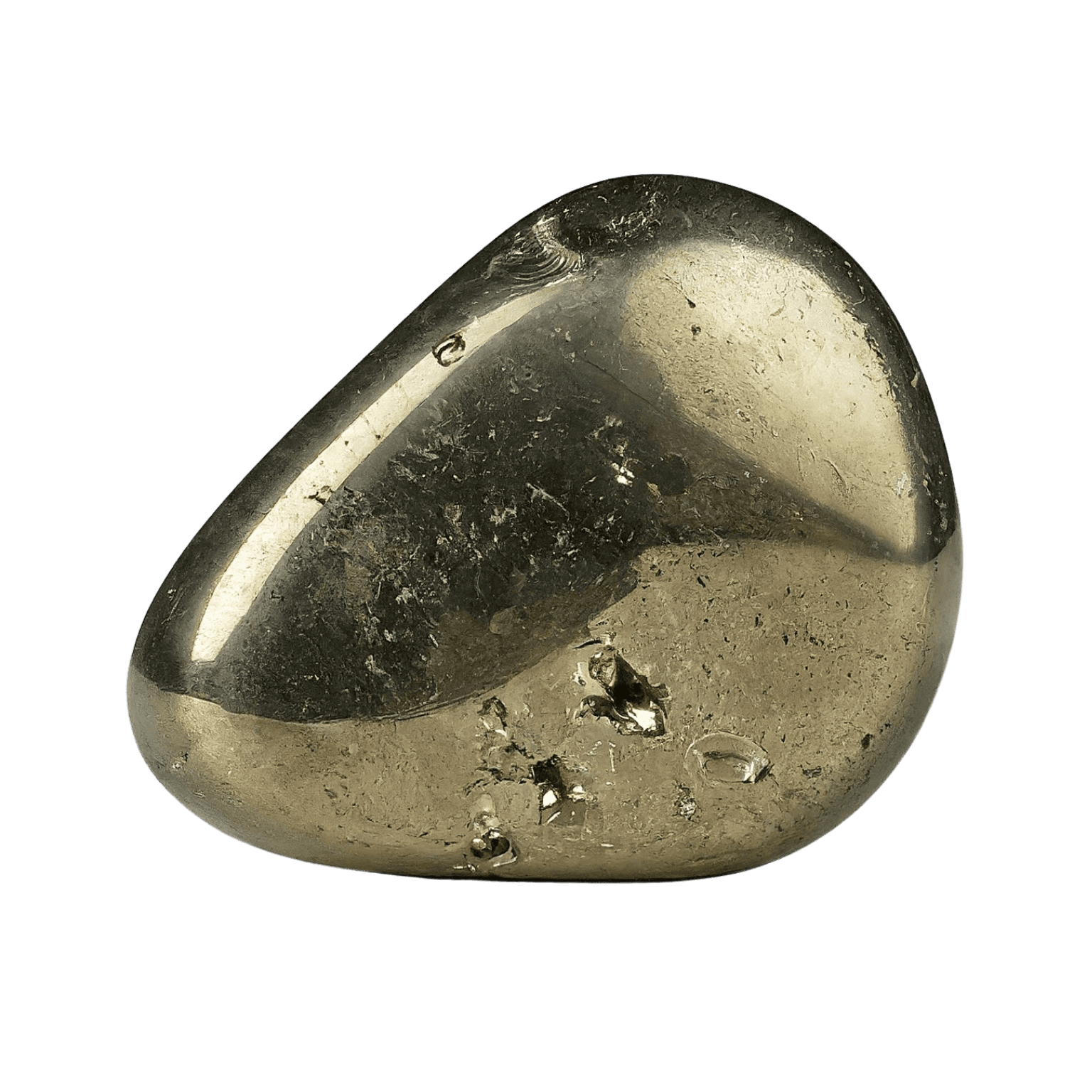
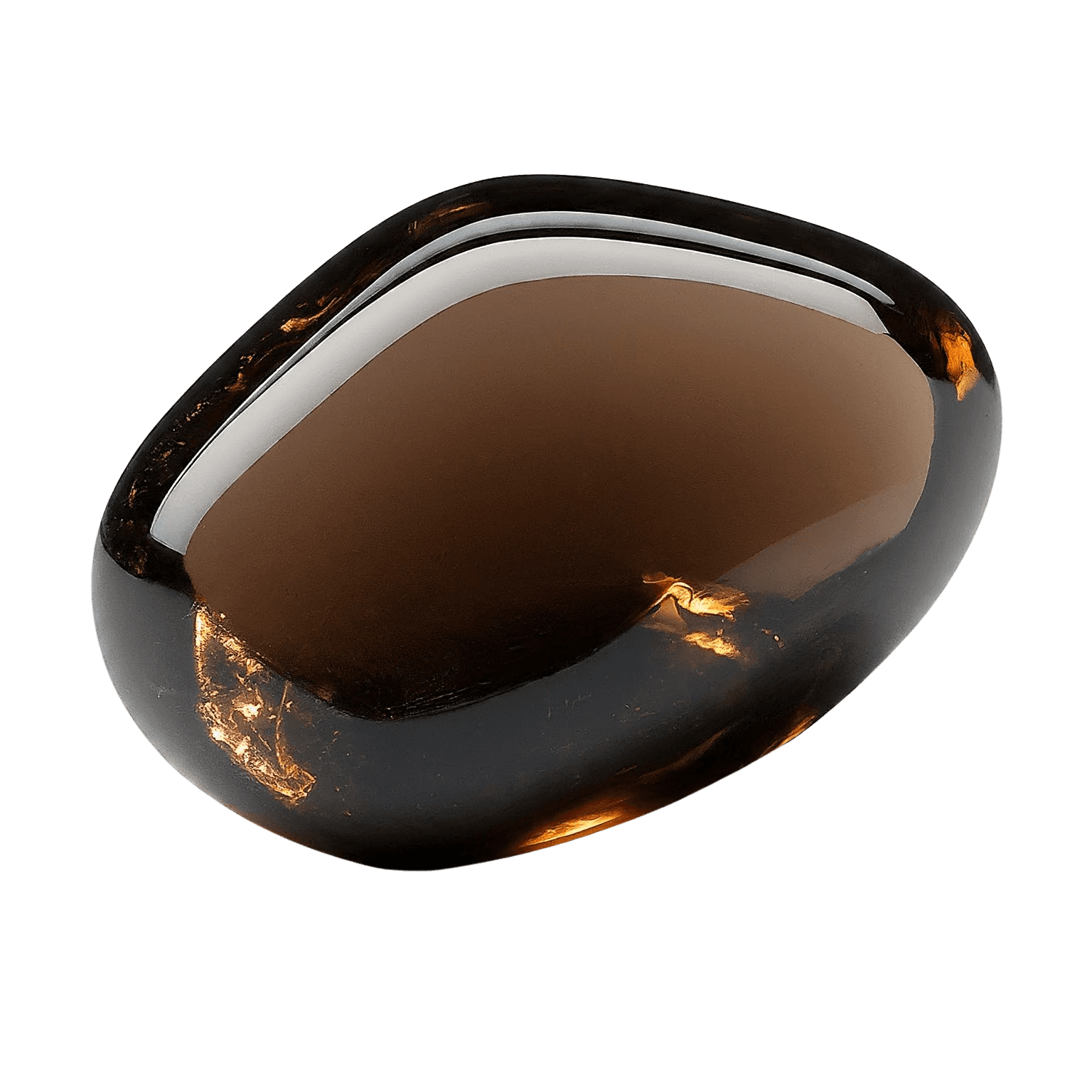
The market in Sphalerite has grown faster than its honesty, and black pieces are easy to imitate on a screen. Here is how to check one before you pay for it:
Temperature: at Mohs 3.75, genuine Sphalerite warms in the hand noticeably faster than glass; an imitation in glass stays cold and slick well past the first minute.
Weight: real Sphalerite should feel like stone rather than plastic pretending; if a palm-sized piece feels nearly weightless, walk away from it.
Color and pattern: the real range is black, honey, or brown; treat neon saturation or flawless uniformity as a question for the seller, because nature rarely manages either.
Price reality: the fair range for Sphalerite sits near $14 to $45 at palm size; below that, assume treatment or imitation until the seller proves otherwise.
Trust your source: a seller who knows where a black stone like this came from and says so plainly is worth more than every test on this list; CrystalStones.com publishes provenance for each Sphalerite piece for exactly that reason.
Bring it home
Shop Sphalerite
Ethically sourced, hand-selected Sphalerite starting from $14.
Shop SphaleriteFrequently Asked Questions
What is Sphalerite good for?
Sphalerite is traditionally associated with grounding, vitality, courage, and energy. Many people find it supportive for grounding and for working with the Root and Sacral chakras.
Can Sphalerite go in water?
No, water and Sphalerite do not mix; moisture can compromise the surface or the structure itself. Zinc sulfide with trace cadmium. Never water, never elixir, wash hands after handling raw specimens.
Can Sphalerite be in the sun?
Yes. Sphalerite is one of the sun-tolerant stones, so use morning light freely to charge the black material; just bring it in rather than leaving it out for whole days at a time.
What chakra is Sphalerite?
Sphalerite is primarily associated with the Root (Muladhara) and Sacral (Svadhisthana) chakras. Low placements serve it best, the hips or the floor between seated feet, since that is where root-center grounding work traditionally happens.
What zodiac sign is Sphalerite for?
Sphalerite is traditionally connected to Aries and Scorpio. That said, the zodiac correspondence is an invitation rather than a requirement; any chart can work with Sphalerite, and attraction to the stone matters more than the calendar.
How do I cleanse Sphalerite?
The best methods for Sphalerite are Sage, Sound, and Moonlight. Zinc sulfide with trace cadmium. Never water, never elixir, wash hands after handling raw specimens.
Is Sphalerite real or fake, how can I tell?
Genuine Sphalerite warms quickly in the hand at Mohs 3.75, while glass imitations stay cold longer and feel slick rather than satiny. Natural black material varies piece to piece and runs about $14 to $45 tumbled, so perfectly matched stones at a suspicious discount deserve a second look.
What’s Next?
A few thoughtful next steps if Sphalerite is calling to you.
The Crystal Starter Library
A free guide from Crystal Cassandra: the twelve stones that cover almost everything, a one page care matrix for water, sun and salt, and how to build a first intention practice.
We respect your inbox. Unsubscribe anytime.
Explore More Tools
Crystal Quiz
Discover which crystal matches your energy right now.
Open →Chakra Test
Find which chakras need attention and the crystals to balance them.
Open →Crystal Cleansing Guide
Learn how to safely cleanse and charge your crystals.
Open →Crystals by Intention
Find the perfect crystal for what you need right now.
Open →