
Quick Answer
Red Aventurine is a red-brown crystal used in modern crystal healing for vitality, energy, and grounding. It measures 7 on the Mohs hardness scale and typically costs $6 to $24 for a tumbled stone. In the chakra tradition, Red Aventurine is associated with the Root and Sacral chakras.
Worth knowing: Aventurine carries a glassmaker's name: Murano artisans created sparkling avventurina glass by accident, a ventura, by chance, in the seventeenth century, and the look-alike natural stone inherited the name afterward.
“A warm red-brown quartz with glittering inclusions, used for grounded vitality and renewed action.”
- Chakra
- Root (Muladhara), Sacral (Svadhisthana)
- Zodiac
- Aries ♈, Taurus ♉
- Element
- Earth 🌍, Fire 🔥
- Planet
- Mars ♂
- Hardness
- 7 / 10 (Mohs)
- Colors
- Red-brown, Russet, Red, Glittering
- Origin
- India, Brazil, Russia
- Price Range
- 6 to 24
Care + Safety
Red Aventurine at a glance
- Water: brief rinse safe
- Sun: tolerates sunlight charging
- Mohs hardness: 7 (durable for daily-wear jewelry)
What is Red Aventurine?
Red aventurine is technically quartzite, a granular rock of fused quartz grains rather than a single crystal, its spangle produced by myriad aligned iron-oxide platelets reflecting in unison. Most commercial rough comes from Brazil and India, and unlike many red stones its color is integral, needing no dye or heat.
Red Aventurine measures 7 on the Mohs scale and shows red-brown, russet, or red coloring. Collectors class it with the activating stones, the shelf consulted for vitality, energy, and grounding whenever a door needs walking through.
The stone connects primarily to the Root (Muladhara) and Sacral (Svadhisthana) chakras, carrying Earth and Fire energy. Sources include India, Brazil, and Russia; deposit matters more than beginners expect, and collectors learn to recognize where a piece of Red Aventurine was mined by its color depth and pattern.
Red Aventurine is a quartz colored red-brown by tiny inclusions of hematite or goethite, which give it a soft glittering shimmer called aventurescence. Hold this stone and notice a grounded, encouraging warmth, energy steadied by the earth. In the crystal-healing tradition Red Aventurine is used for renewed vitality, motivation, and turning good intentions into sustained action. As a quartz it is durable, safe with a brief rinse and tolerant of sun.
Also catalogued as Brown Aventurine and Hematite Aventurine, Red Aventurine earns its place in a working collection by being usable: start with vitality, the job it is best known for, and let the stone widen its own brief from there.
History and Mythology
Red Aventurine entered the record through mineralogy rather than mythology: the species was identified and named in the modern era, and its healing use begins with the 20th and 21st century crystal literature rather than any ancient source. That recency is worth stating plainly, because honest provenance is rarer than it should be in this field. The material itself is sourced today from India, Brazil, and Russia.
Astrologically minded practitioners file Red Aventurine under Aries and Taurus and give Mars ♂ the rulership. The pairing is a 20th century convention rather than an ancient decree, and it is read as favoring vitality work.
Hold the two timescales side by side, centuries of human use at most against epochs of formation behind every Mohs 7 specimen of Red Aventurine; the deep time is the one part no marketing can inflate.
Red Aventurine Meaning and Metaphysical Properties
First Touch
Red Aventurine meets the hand cool and composed: at Mohs 7 it takes a glass-bright polish, and that first chill lingers a while before your warmth wins. Posture is where the classical guidance points for an activating stone, shoulders and spine and the angle of the chin, so watch there rather than waiting on the hand.
Primary Properties
Momentum is the family business, and the Red Aventurine property list reads accordingly: vitality, energy, grounding, and confidence. Tradition says to take the stone in hand just before the moments that ask for your full voltage, the audition, the opening day, the empty page. None of it is a guarantee; all of it is a prompt.
How Crystal Energy Works
Red Aventurine belongs to the Root center in the traditional reading, the body's anchor point, where vitality is the standing request. Sessions at this center stay low and slow-paced, seated comfortably, and vitality, energy, and grounding name the long assignment. Both of the modern handbooks, Hall's and Melody's, station the activating stones at the lower three centers and describe them in the language of will and creative fire, never luck.
Amplification Through Intention
The Earth designation means Red Aventurine favors repetition: daily handling, a fixed home on the shelf, the vitality intention restated in plain words. That steadiness is the whole method.
Healing Benefits
Emotional Support
Red Aventurine meets emotion at the confidence layer: vitality, energy, and grounding. It is traditionally handled before the moments that ask you to take up space, and the small ritual of pocketing it steadies more than you might expect. These are traditional vitality associations rather than medical claims; for anything heavy or persistent, a qualified professional belongs in the picture alongside any stone.
Spiritual Connection
Dedication is the spiritual work Red Aventurine is built for: tradition has you hold it while speaking an intention aloud, the minor ceremony that converts wanting into committing. Beginnings are its season, new projects, new chapters, new moons.
Physical Presence
Physically, Red Aventurine belongs to the slow systems: steady meals, regular sleep, the unglamorous maintenance that vitality actually rests on. Keep it where the routines happen as a quiet vote for keeping them; anything clinical belongs with clinicians.
Chakra Connection
Red Aventurine resonates most strongly with the Root (Muladhara), the energy center traditionally drawn in red and the traditional seat of this stone's vitality work. When this center runs clear, the classical markers are steadiness, physical security, and a settled sense of ground; vitality, energy, and grounding are what Red Aventurine is most often asked to bring to it.
For placement, go low: lie down with Red Aventurine resting at the hip points, or sit on the floor and set it between your feet. Attention on weight and ground, for as long as that stays comfortable, is the classic root session the tradition records for vitality.
Red Aventurine also keeps a working line to the Sacral (Svadhisthana), which widens its range in layouts; let the primary placement lead, and add the second position once the first feels familiar.
Zodiac and Astrological Connection
In the modern correspondence tables Red Aventurine is assigned to Aries ♈ (Mar 21 to Apr 19) and Taurus ♉ (Apr 20 to May 20); a Sun, Moon, or rising placement there is read as a head start with this stone, nothing more.
The gate, though, stands open: you do not need a Aries Sun to work with Red Aventurine, and a genuine pull toward the stone outweighs its paper assignments.
Mars ♂ rules Red Aventurine in this tradition, so practitioners time their longer sessions to that planet's active periods, especially for vitality.
How to Use Red Aventurine
Five practices suit Red Aventurine especially well. Pick the one that fits the day you are actually having rather than the routine you think you should have.
- 1
Meditation Hold
Take up Red Aventurine and register the first cool touch; a glassy stone at Mohs 7 warms slowly, and tracking that gradual change is a meditation in itself.
- 2
Body Placement
Root layouts always ran downward, so Red Aventurine belongs at the hip line when you lie down, or on the floor between your feet when you sit. Let the breath do whatever it does, and give your attention to the weight of the stone rather than to any outcome; the old charts filed this position under vitality.
- 3
Sleep Companion
At night, park Red Aventurine on the nightstand rather than working it; its job is the day's vitality, and ending the day cleanly is how tomorrow's session starts well.
- 4
Carry With You
Bring Red Aventurine to the threshold moments: interviews, first days, openings. Touch it once at the door, on purpose, and let it cue the posture that vitality actually looks like.
- 5
Crystal Grid Anchor
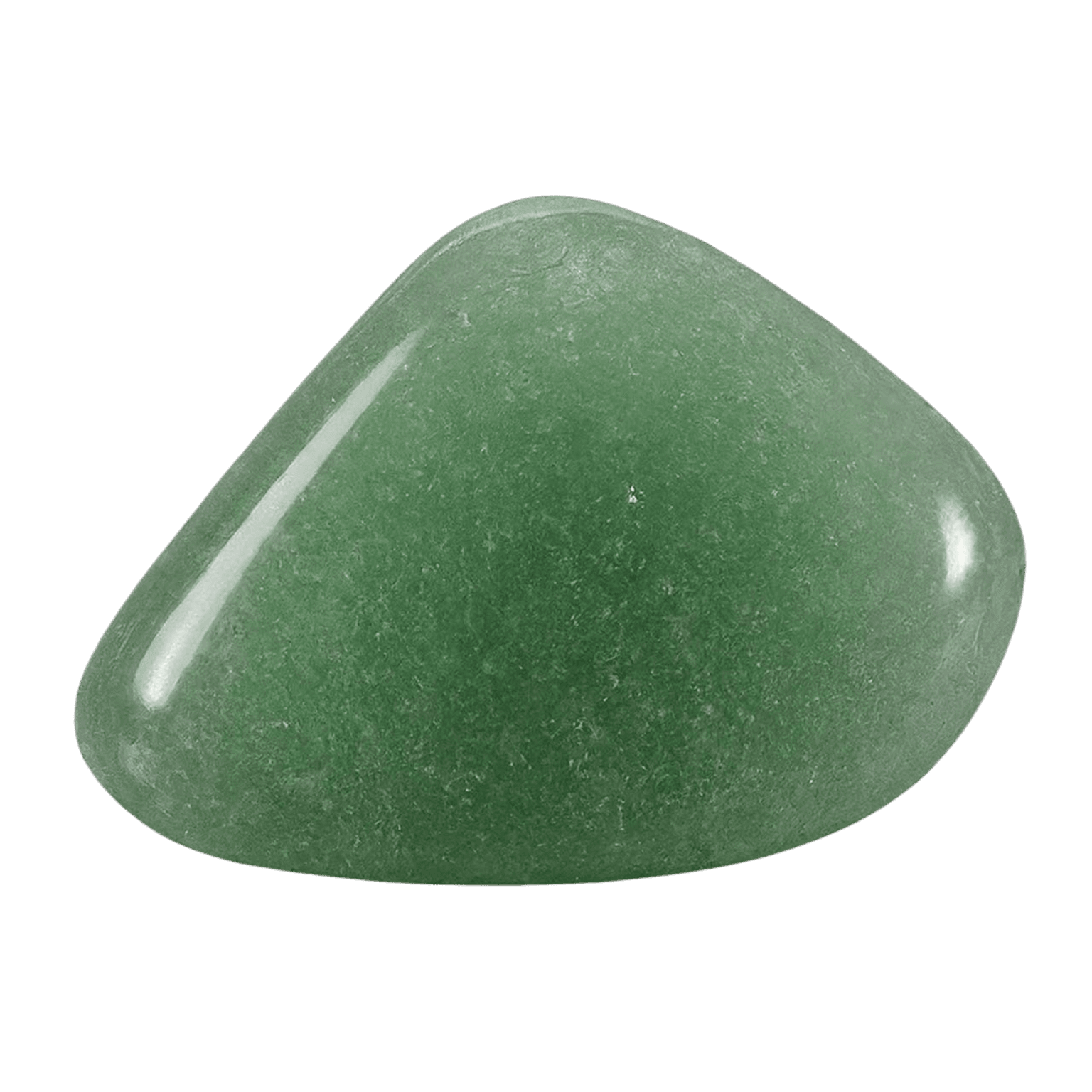
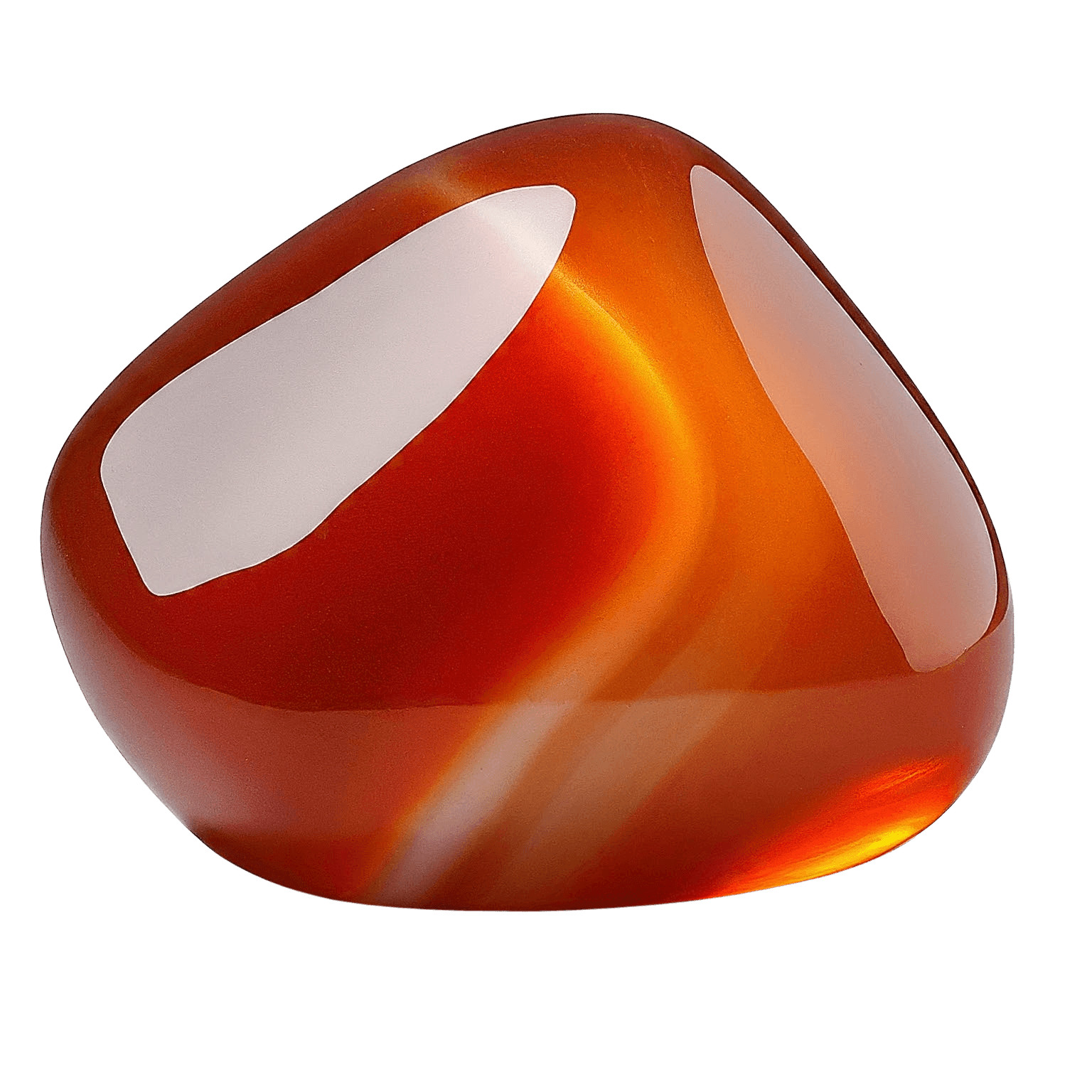
For grid work, give Red Aventurine the anchor position and run Green Aventurine and Carnelian on the outer points, all matched to a single vitality intention. Rebuild it when it goes stale; a vitality grid you have stopped seeing has stopped working.
How to Cleanse and Charge
Red Aventurine works best when it is cleansed on a rhythm; tradition pictures a stone absorbing what it meets, and a saturated stone has nothing left to give. The complete water, sun, and salt safety profile, plus the storage instructions I give my clients, lives in the dedicated Red Aventurine care guide.
- 1
Moonlight
Once a month, let Red Aventurine sit overnight in moonlight, on the full moon if you can manage it. Nothing in the cabinet is harmed by this method, which is why it anchors most cleansing routines.
- 2
Selenite
Overnight on selenite is the lowest-maintenance cleanse Red Aventurine can get: set it down at bedtime, pick it up cleared in the morning.
- 3
Sage
For a deeper reset, hold Red Aventurine in sage smoke and name out loud what the stone has been carrying; the naming is half the cleanse.
- 4
Sound
Sound-cleanse Red Aventurine by striking a bowl or bell, letting each tone fade completely before the next; the vibration does the clearing, and no contact is needed.
- 5
Water
Run cool water over Red Aventurine while turning it slowly; when the surface feels fresh under the thumb, dry it well and let it rest before its next use.
How often to cleanse
Give Red Aventurine a clearing at least every month, and sooner after hard weeks or heavy daily use. The stone will teach you its own signal in time; most people describe it as dullness, weight, or a sense the stone has gone quiet.
Charging after cleansing
Once it is cleansed, recharge Red Aventurine by placing it in morning sunlight for 30 minutes; cleansing empties the stone, charging refills it.
Crystal Pairings
Pair Red Aventurine for ignition and steering both: an activator needs a grounding partner or the spark scatters. Its traditional companions act as governor and amplifier in turn. Run a new pair on one small vitality task first and watch what your focus does.
How to Spot Real vs Fake Red Aventurine
The market in Red Aventurine has grown faster than its honesty, and red-brown pieces are easy to imitate on a screen. Here is how to check one before you pay for it:
Temperature: genuine Red Aventurine feels distinctly cool at first touch and gives that coolness up slowly; resin copies feel warm almost immediately, which is the quickest tell there is.
Weight: real Red Aventurine should feel like stone rather than plastic pretending; if a palm-sized piece feels nearly weightless, walk away from it.
Color: expect red-brown, russet, or red with honest variation, banding, zoning, the odd inclusion; a batch where every stone matches exactly came out of a factory, not the ground.
Price reality: the fair range for Red Aventurine sits near $6 to $24 at palm size; below that, assume treatment or imitation until the seller proves otherwise.
Trust your source: provenance beats any hands-on check; ask where the Red Aventurine was mined, whether the red-brown material is treated, and expect straight answers. That standard is why CrystalStones.com ships every piece with its provenance.
Bring it home
Shop Red Aventurine
Ethically sourced, hand-selected Red Aventurine starting from $6.
Shop Red AventurineFrequently Asked Questions
What is Red Aventurine good for?
Red Aventurine is traditionally associated with vitality, energy, grounding, and confidence. Many people find it supportive for vitality and for working with the Root and Sacral chakras.
Can Red Aventurine go in water?
It can. Red Aventurine handles brief water contact without trouble at Mohs 7, and a short rinse under cool water makes a sound regular cleanse. Towel the stone off afterward and treat soaking as off the menu; brief contact is the whole agreement.
Can Red Aventurine be in the sun?
Sun is fine for Red Aventurine. A half hour of direct morning light both cleanses and charges it, and the red-brown tones are stable enough to take it.
What chakra is Red Aventurine?
Red Aventurine is primarily associated with the Root (Muladhara) and Sacral (Svadhisthana) chakras. Traditional use keeps it near the ground: at the hips, or set between the feet during seated practice, the root station for vitality.
What zodiac sign is Red Aventurine for?
Red Aventurine is traditionally connected to Aries and Taurus. If your signs differ, work with Red Aventurine anyway; resonance in the hand outranks resonance on paper in every practical tradition.
How do I cleanse Red Aventurine?
The best methods for Red Aventurine are Moonlight, Selenite, and Sage. Red aventurine is quartz flecked with hematite; brief water, sun, and salt cleansing are all safe.
Is Red Aventurine real or fake, how can I tell?
Genuine Red Aventurine feels cool at first touch and warms slowly; at Mohs 7 it also resists the pocket scratches that mark softer fakes. A fair tumbled piece sits near $6 to $24 and shows honest variation across the red-brown range; flawless uniformity at a bargain price is the tell worth trusting.
What’s Next?
A few thoughtful next steps if Red Aventurine is calling to you.
The Crystal Starter Library
A free guide from Crystal Cassandra: the twelve stones that cover almost everything, a one page care matrix for water, sun and salt, and how to build a first intention practice.
We respect your inbox. Unsubscribe anytime.
Explore More Tools
Crystal Quiz
Discover which crystal matches your energy right now.
Open →Chakra Test
Find which chakras need attention and the crystals to balance them.
Open →Crystal Cleansing Guide
Learn how to safely cleanse and charge your crystals.
Open →Crystals by Intention
Find the perfect crystal for what you need right now.
Open →