Quick Answer
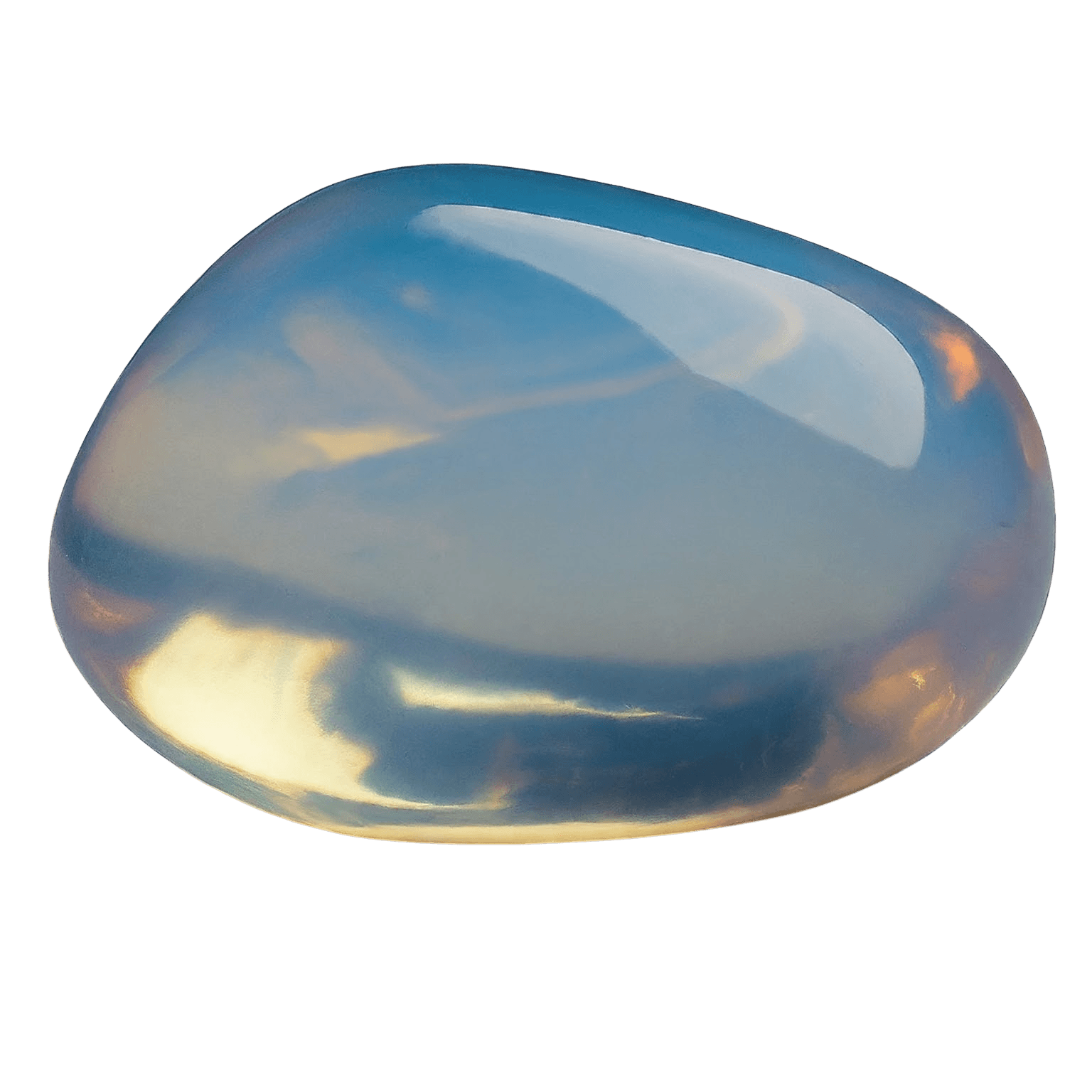
Opalite is a milky white crystal used in modern crystal healing for calm, stress relief, and transformation. It measures 5.5 on the Mohs hardness scale and typically costs $6 to $22 for a tumbled stone. In the chakra tradition, Opalite is associated with the Crown and Third Eye chakras.
Worth knowing: Under a loupe, opalite betrays its furnace origin with round gas bubbles, a feature no natural opal or moonstone shows, making it one of the easiest imitations in gemology to unmask.
“A milky, opalescent man-made glass used for gentle calm and easy emotional transitions.”
- Chakra
- Crown (Sahasrara), Third Eye (Ajna)
- Zodiac
- Cancer ♋, Pisces ♓
- Element
- Water 💧, Spirit ✨
- Planet
- Moon 🌙
- Hardness
- 5.5 / 10 (Mohs)
- Colors
- Milky white, Opalescent, Pale blue, Amber glow
- Origin
- man-made glass
- Price Range
- 6 to 22
Care + Safety
Opalite at a glance
- Water: brief rinse safe
- Sun: tolerates sunlight charging
- Mohs hardness: 5.5 (occasional wear only)
What is Opalite?
Opalite as sold today is an opalescent glass made by dispersing ultrafine particles through the melt; the particles scatter short blue wavelengths back to the eye while letting warm orange light pass through, the same physics that blues the daytime sky. Mineralogically the word once labeled impure common opal, so the name straddles two materials.
Opalite measures 5.5 on the Mohs scale and shows milky white, opalescent, or pale blue coloring. It belongs to the quieting shelf of the catalog, the stones reached for around calm, stress relief, and transformation.
The stone connects primarily to the Crown (Sahasrara) and Third Eye (Ajna) chakras, carrying Water and Spirit energy. Sources include man-made glass; deposit matters more than beginners expect, and collectors learn to recognize where a piece of Opalite was mined by its color depth and pattern.
Opalite is usually a man-made opalescent glass, milky white with a soft blue glow in some light and a warm amber flash in others, and I always say so, it is not natural opal or moonstone, though it is sometimes mislabeled as both. Hold it and notice a light, soothing softness. In my practice many people find Opalite a gentle helper for calm, smooth transitions, and easing into new chapters. As a glass it is durable but can chip, so I avoid hard knocks and abrasives.
Also catalogued as Opalized Glass, Sea Opal Glass, and Argenon, this is a stone that rewards regular handling more than display. Give Opalite a week of calm duty in the pocket before deciding what it is for.
History and Mythology
Opalite entered the record through mineralogy rather than mythology: the species was identified and named in the modern era, and its healing use begins with the 20th and 21st century crystal literature rather than any ancient source. That recency is worth stating plainly, because honest provenance is rarer than it should be in this field. The material itself is sourced today from man-made glass.
Astrologically minded practitioners file Opalite under Cancer and Pisces and give Moon 🌙 the rulership. The pairing is a 20th century convention rather than an ancient decree, and it is read as favoring calm work.
Hold the two timescales side by side, centuries of human use at most against epochs of formation behind every Mohs 5.5 specimen of Opalite; the deep time is the one part no marketing can inflate.
Opalite Meaning and Metaphysical Properties
What the Hand Learns First
Pick up Opalite and warmth is the first report: at Mohs 5.5 it is a mid-soft mineral that takes body heat within a minute, and its milky white surface polishes to a satin sheen rather than a hard glitter. Give the first half minute to your breathing and to nothing else. Whatever the exhale is doing, let it do that; the noticing is the whole of the practice.
Primary Properties
Quiet runs through every association Opalite holds: calm, stress relief, transformation, and self-love. These are the properties of the slow hours, before sleep, between tasks, after difficulty, and their evidence is gentle by nature. Many people find the work almost too subtle to name at first, which is exactly the family style.
How Crystal Energy Works
In traditional practice Opalite belongs to the Crown, the gate where personal energy meets the larger field, and calm is what practitioners ask of it there. Crown stones are used lightly, brief sessions and soft attention, with calm, stress relief, and transformation as the long arc rather than the day's demand. Placement over promises is how Judy Hall handles the calming family; her entries point to the nightstand, the meditation corner, the hard-day pocket, and stop short of guarantees.
Amplification Through Intention
The Water designation on Opalite is permission to go slowly; this element does its calm work through feeling rather than effort. Hold the stone when emotions need room, not fixing.
Healing Benefits
Emotional Support
Soothing is the emotional job of Opalite: calm, stress relief, and transformation. Many people keep it for the jagged stretches, the overwhelm that builds by late afternoon, the thoughts that race after lights-out, letting the stone's heft offer the spiral a landing place. Tradition, not treatment: calm work with a stone sits beside professional support, never in place of it.
Spiritual Connection
Rest is the spiritual discipline this family keeps, and Opalite attends it: the evening review, the slow body scan, the loosening that lets the quieter knowing through. The stillness is the practice; the stone just holds the page open.
Physical Presence
Tradition pairs Water stones like Opalite with the body's tides: rest, hydration, the wind-down hour that makes room for calm. Let it sit on the night table as a cue for the evening glass of water and the earlier lights-out; gentle cues, never medicine.
Chakra Connection
Opalite resonates most strongly with the Crown (Sahasrara), the energy center traditionally drawn in violet / white and the traditional seat of this stone's calm work. When this center runs clear, the classical markers are a felt connection to something larger, quiet wisdom, and the sense of belonging to a whole; calm, stress relief, and transformation are what Opalite is most often asked to bring to it.
Use Opalite at the bookends of practice: a moment of contact before you begin and another after you end. Crown stones mark the opening and closing of sacred time, which is most of what calm needs.
Because Opalite is also associated with the Third Eye (Ajna), it moves well in multi-stone layouts: one stone, two stations, worked on different days.
Zodiac and Astrological Connection
In the modern correspondence tables Opalite is assigned to Cancer ♋ (Jun 21 to Jul 22) and Pisces ♓ (Feb 19 to Mar 20); a Sun, Moon, or rising placement there is read as a head start with this stone, nothing more.
Correspondence is a suggestion, not a bouncer; plenty of devoted Opalite keepers have no Cancer in their chart at all, and being drawn to the stone is the credential that matters.
The assigned ruler is Moon 🌙; in practice that means Opalite comes out when that planet is prominent in the sky or in your chart, and calm is the work it is handed.
How to Use Opalite
These are the five ways of working with Opalite I suggest most often. Begin wherever your attention goes first; the sequence matters far less than starting.
- 1
Meditation Hold
Hold Opalite for the length of your sit and notice the moment it stops feeling like an object and starts feeling like part of the hand; for a Mohs 5.5 stone, that shift comes early.
- 2
Body Placement
Above the head, not on it, is where Opalite belongs in a crown session: lie down, position the stone just clear of the crown of the head, and keep the attention gentle. Nothing about this station rewards effort. The old charts assign it to calm.
- 3
Sleep Companion
Opalite can still earn the nightstand even though its brief is calm rather than rest: setting the stone down as you set the day down marks the switch from doing to sleeping.
- 4
Carry With You
On the days that will not let up, give Opalite a spot within arm's reach and touch it slowly once an hour or so; each contact is a thirty-second stand-in for the break that is not coming, and that is how calm travels.
- 5
Crystal Grid Anchor
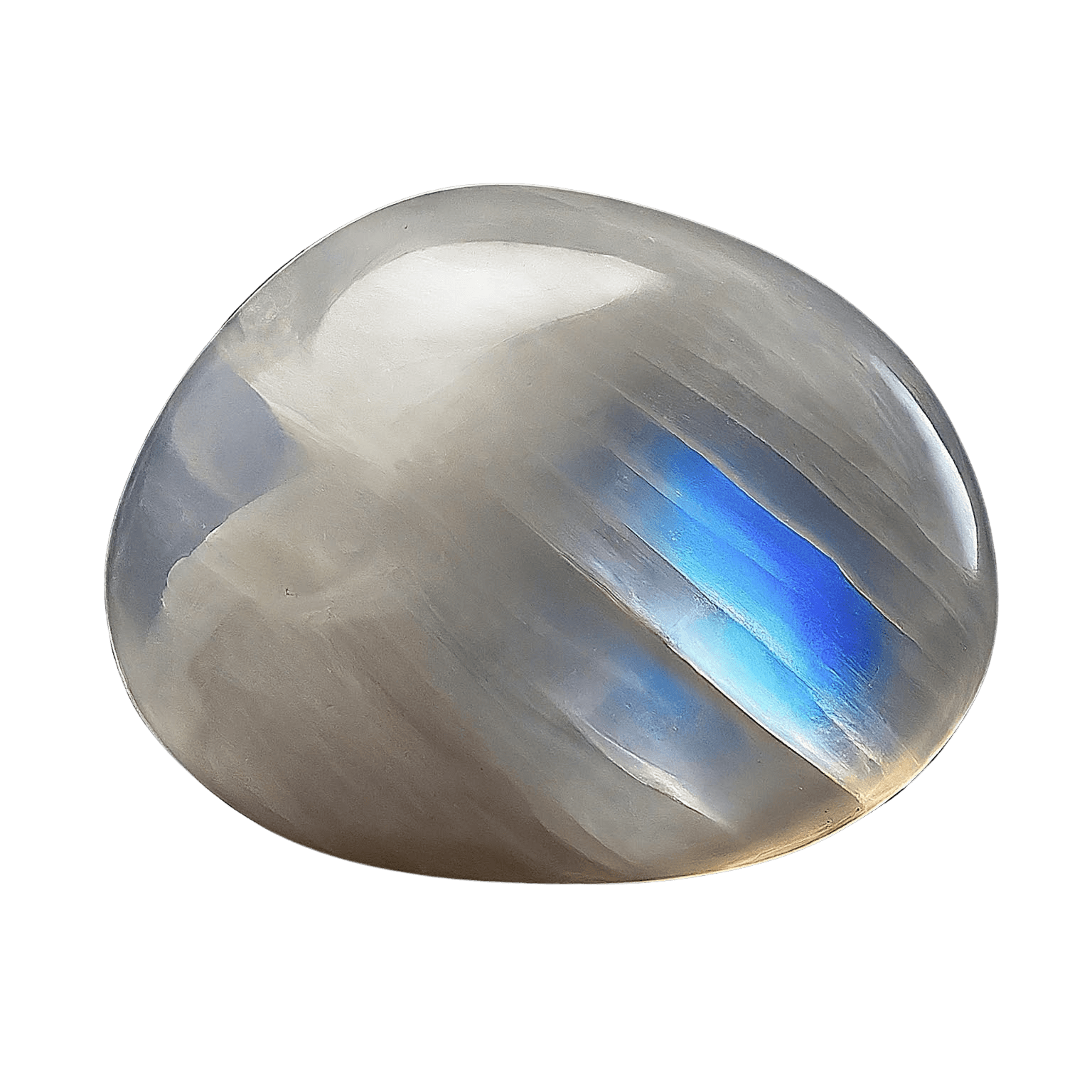
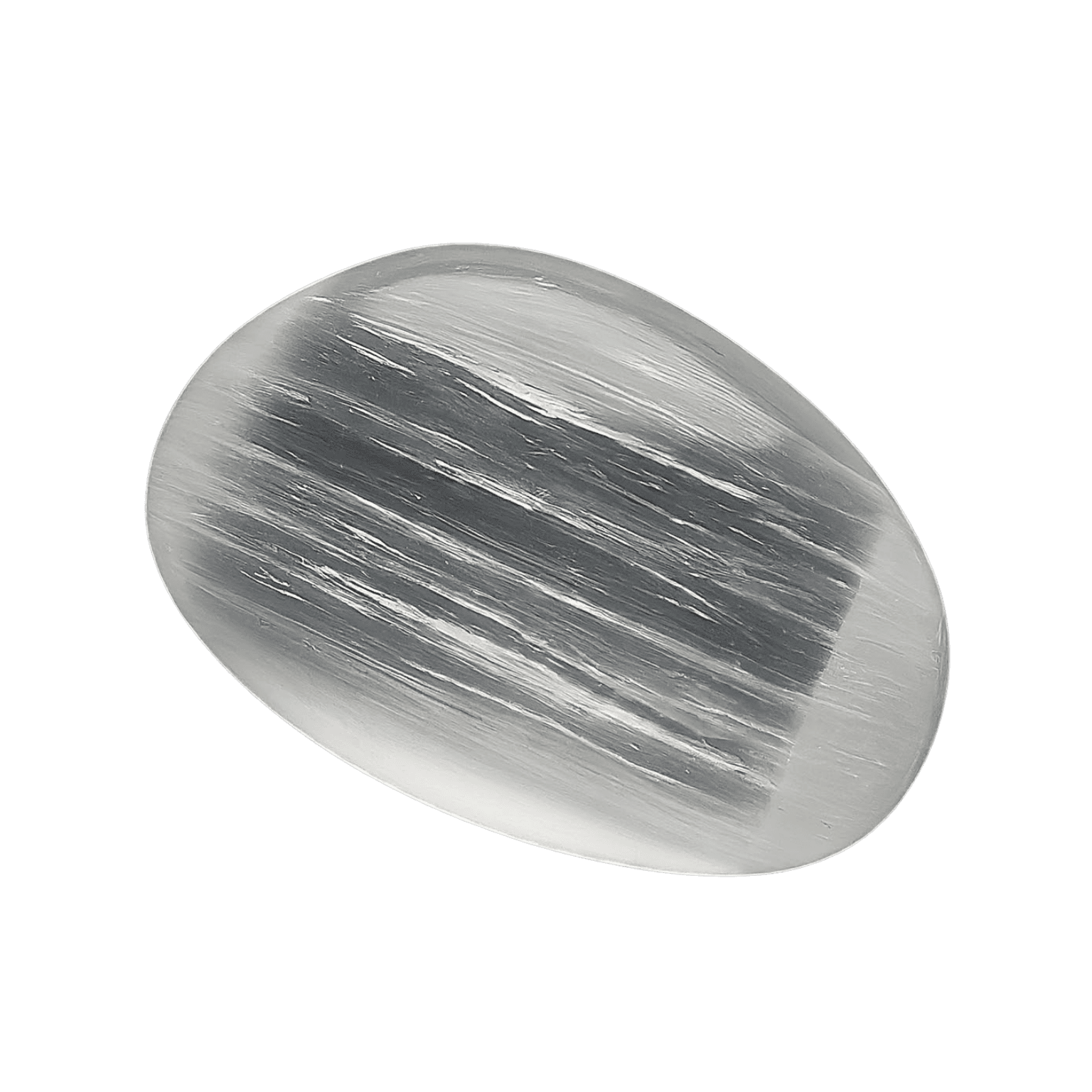
Set Opalite at the center of a grid built for calm and ring it with Moonstone and Selenite at the points. Speak the intention once as you place each stone; a grid is a sentence written in minerals, and saying the calm aloud is the punctuation.
How to Cleanse and Charge
Keeping Opalite energetically clear is essential, a crystal that's holding too much absorbed energy becomes less effective, like a sponge that's full. For the full water-safe / sun-safe / salt-safe profile, the recommended cleansing cadence, and the hands-on storage instructions I give my clients, see the dedicated Opalite care guide.
- 1
Moonlight
Once a month, let Opalite sit overnight in moonlight, on the full moon if you can manage it. Nothing in the cabinet is harmed by this method, which is why it anchors most cleansing routines.
- 2
Sound
Hold Opalite near a singing bowl, bell, or tuning fork and let a full minute of tone wash over it; sound reaches stones that water, salt, and sun cannot safely touch.
- 3
Sage
Smoke-cleanse Opalite: light the sage, let it settle to a smolder, and move the stone through the rising smoke until your sense of it lightens, usually under a minute.
- 4
Selenite
Keep a selenite dish where you empty your pockets and drop Opalite there at day's end; the resting place does the cleansing while you sleep.
How often to cleanse
I recommend cleansing Opalite at least once a month, more frequently if you're using it daily or during emotionally intense periods. You'll also learn to feel when a stone needs cleansing; it may feel heavier, duller, or simply “off.”
Charging after cleansing
After cleansing, charge Opalite by placing it in morning sunlight for 30 minutes. This restores its energetic vitality.
Crystal Pairings
Match Opalite only with stones that can hold a hush. The traditional partners keep everything low-key and slow, since calm is slow-register work by nature. When a combination starts to feel crowded rather than calming, believe the feeling and retire it.
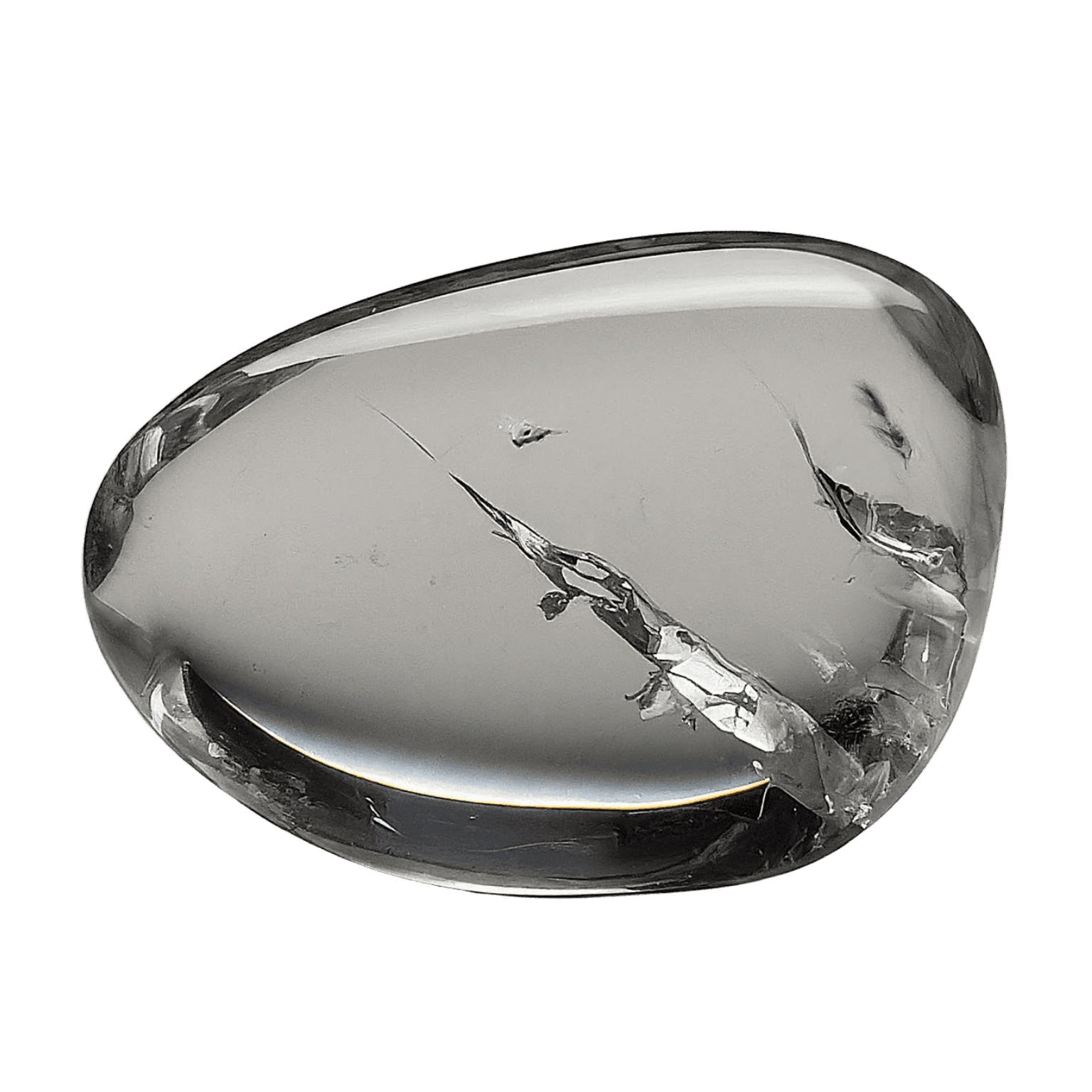
How to Spot Real vs Fake Opalite
Imitations of Opalite exist because demand does. A few hands-on checks separate genuine milky white material from glass, resin, and dye:
Temperature: at Mohs 5.5, genuine Opalite warms in the hand noticeably faster than glass; an imitation in glass stays cold and slick well past the first minute.
Weight and density: resin fakes run light for their size, while genuine Opalite at Mohs 5.5 carries honest mineral density; weigh it in the palm against any real tumbled stone you own.
Color and pattern: natural Opalite runs milky white, opalescent, or pale blue, with variation from piece to piece; perfectly uniform color across a whole tray is the classic mark of dye or synthetics.
Price reality: quality Opalite runs roughly $6 to $22 for palm-sized pieces from reputable sellers; a price far below that range is usually answering a question you should have asked.
Trust your source: a seller who knows where a milky white stone like this came from and says so plainly is worth more than every test on this list; CrystalStones.com publishes provenance for each Opalite piece for exactly that reason.
Frequently Asked Questions
What is Opalite good for?
Opalite is traditionally associated with calm, stress relief, transformation, and self-love. Many people find it supportive for calm and for working with the Crown and Third Eye chakras.
Can Opalite go in water?
Yes. Opalite is water-safe at Mohs 5.5, so a brief rinse under cool running water is a perfectly good cleanse. Dry it afterward and skip long soaks, which no tumbled stone loves.
Can Opalite be in the sun?
Yes, Opalite can sit in sunlight safely; its milky white coloring holds up, and thirty minutes of morning sun is the traditional charge.
What chakra is Opalite?
Opalite is primarily associated with the Crown (Sahasrara) and Third Eye (Ajna) chakras. Position it clear of the head rather than on the body, seated or lying down; edge placement is the crown convention for calm work.
What zodiac sign is Opalite for?
Opalite is traditionally connected to Cancer and Pisces. That said, the zodiac correspondence is an invitation rather than a requirement; any chart can work with Opalite, and attraction to the stone matters more than the calendar.
How do I cleanse Opalite?
Stick to Moonlight, Sound, and Sage for Opalite; those are the methods its care profile recommends. Because the stone is water-tolerant at Mohs 5.5, an occasional rinse can supplement the list, with the named methods doing the steady monthly work.
Is Opalite real or fake, how can I tell?
Genuine Opalite warms quickly in the hand at Mohs 5.5, while glass imitations stay cold longer and feel slick rather than satiny. Natural milky white material varies piece to piece and runs about $6 to $22 tumbled, so perfectly matched stones at a suspicious discount deserve a second look.
What’s Next?
A few thoughtful next steps if Opalite is calling to you.
The Crystal Starter Library
A free guide from Crystal Cassandra: the twelve stones that cover almost everything, a one page care matrix for water, sun and salt, and how to build a first intention practice.
We respect your inbox. Unsubscribe anytime.
Explore More Tools
Crystal Quiz
Discover which crystal matches your energy right now.
Open →Chakra Test
Find which chakras need attention and the crystals to balance them.
Open →Crystal Cleansing Guide
Learn how to safely cleanse and charge your crystals.
Open →Crystals by Intention
Find the perfect crystal for what you need right now.
Open →