Quick Answer
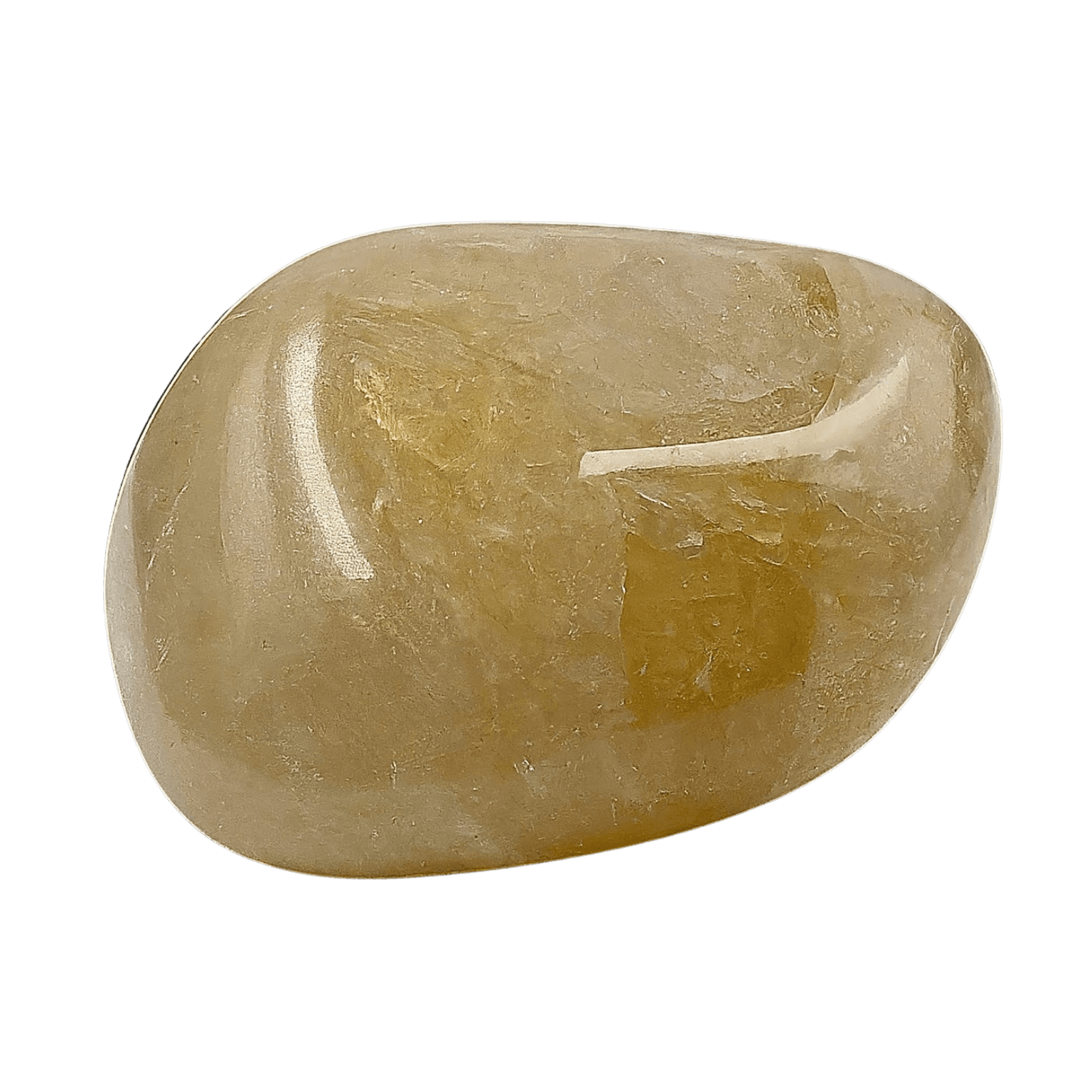
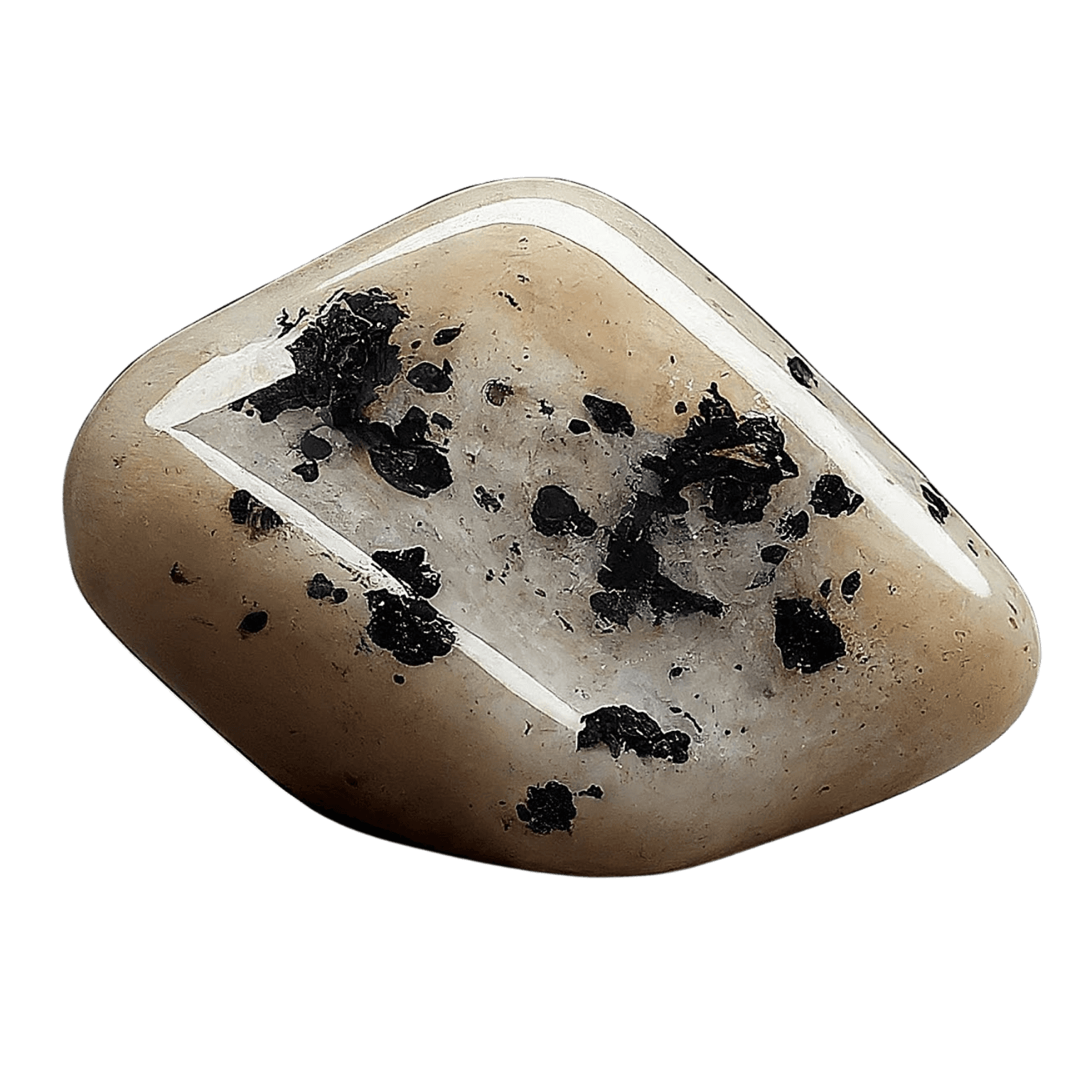
Monazite is a yellow-brown crystal used in modern crystal healing for focus and clarity. It measures 5.25 on the Mohs hardness scale and typically costs $20 to $90 for a tumbled stone. In the chakra tradition, Monazite is associated with the Root and Third Eye chakras.
Worth knowing: For decades around 1900, monazite sand was mined chiefly for thorium, the element that made Welsbach gas mantles glow white-hot in street lamps before electric lighting displaced them.
“A yellow-brown rare-earth phosphate of grounded inquiry; mildly radioactive. Display only.”
- Chakra
- Root (Muladhara), Third Eye (Ajna)
- Zodiac
- Capricorn ♑
- Element
- Earth 🌍
- Planet
- Saturn ♄
- Hardness
- 5.25 / 10 (Mohs)
- Colors
- Yellow-brown, Amber, Reddish-brown
- Origin
- Brazil, India, Australia
- Price Range
- 20 to 90
Care + Safety
Monazite at a glance
- Water: avoid, may damage or leach
- Sun: tolerates sunlight charging
- Mohs hardness: 5.25 (occasional wear only)
What is Monazite?
Monazite is a phosphate of cerium and the other light rare-earth elements, named from the Greek monazein, to live alone, for its sparse solitary crystals in granite. Dense and resistant to weathering, it concentrates in river and beach sands, and placer deposits in India and Brazil became its chief commercial source.
Monazite measures 5.25 on the Mohs scale and shows yellow-brown, amber, or reddish-brown coloring. Call it a desk stone: the catalog assigns it focus and clarity, the work of lifting fog before words or decisions land.
The stone connects primarily to the Root (Muladhara) and Third Eye (Ajna) chakras, carrying Earth energy. Sources include Brazil, India, and Australia; deposit matters more than beginners expect, and collectors learn to recognize where a piece of Monazite was mined by its color depth and pattern.
Monazite is a yellow-brown rare-earth phosphate that contains thorium and small amounts of uranium, making it mildly radioactive. Treat this stone as a sealed display specimen rather than a working stone. The classical sources occasionally describe it as a stone of grounded inquiry; its radioactivity, while low, recommends caution.
Also catalogued as Rare Earth Phosphate, this is a stone that rewards regular handling more than display. Give Monazite a week of focus duty in the pocket before deciding what it is for.
History and Mythology
Monazite entered the record through mineralogy rather than mythology: the species was identified and named in the modern era, and its healing use begins with the 20th and 21st century crystal literature rather than any ancient source. That recency is worth stating plainly, because honest provenance is rarer than it should be in this field. The material itself is sourced today from Brazil, India, and Australia.
Astrologically minded practitioners file Monazite under Capricorn and give Saturn ♄ the rulership. The pairing is a 20th century convention rather than an ancient decree, and it is read as favoring focus work.
Hold the two timescales side by side, centuries of human use at most against epochs of formation behind every Mohs 5.25 specimen of Monazite; the deep time is the one part no marketing can inflate.
Monazite Meaning and Metaphysical Properties
What the Hand Learns First
The hand learns Monazite fast: a Mohs 5.25 stone whose yellow-brown face warms readily and carries a soft luster that invites the thumb to keep circling it. Notice the visual field; people working with the clarity stones often describe the room sharpening slightly, attention gathering to a point.
Primary Properties
Monazite comes with a working mind's property list: focus and clarity. Desks and difficult conversations are the family territory, every place where fog has to clear before anything useful gets said. Make the stone a fixture of the session, one spot, one task, and let the habit do the building.
How Crystal Energy Works
In traditional crystal healing Monazite is read through the Root center, the body's claim to ground, and focus is the quality it is most often asked to bring there. Root work is low and slow, seated practice, feet flat, with focus and clarity as the standing assignment. Judy Hall groups the clarity stones with the throat and brow centers, and her entries for the family read like study aids: focus, articulation, honest speech.
Amplification Through Intention
Monazite is classed as an Earth stone, patient, bodily, hard to knock over, which sets the pace of its focus work. Prefer routines over ceremonies, the same pocket, the same desk corner, and let consistency do for focus and clarity what intensity cannot.
Healing Benefits
Emotional Support
Monazite steadies the emotional weather around focus and clarity. It suits the days when the thread keeps knotting, when what you feel is perfectly real and what to call it keeps escaping. These are traditional focus associations rather than medical claims; for anything heavy or persistent, a qualified professional belongs in the picture alongside any stone.
Spiritual Connection
Monazite belongs to the truth-telling line of spiritual work: the journal that does not flinch, the conversation finally had. Tradition places it with practices of honest speech and honest seeing, with the Root center as the working site.
Physical Presence
Physically, Monazite belongs to the slow systems: steady meals, regular sleep, the unglamorous maintenance that focus actually rests on. Keep it where the routines happen as a quiet vote for keeping them; anything clinical belongs with clinicians.
Chakra Connection
Monazite resonates most strongly with the Root (Muladhara), the energy center traditionally drawn in red and the traditional seat of this stone's focus work. When this center runs clear, the classical markers are safety, stability, and groundedness; focus and clarity are what Monazite is most often asked to bring to it.
For placement, go low: lie down with Monazite resting at the hip points, or sit on the floor and set it between your feet. Attention on weight and ground, for as long as that stays comfortable, is the classic root session the tradition records for focus.
Monazite also keeps a working line to the Third Eye (Ajna), which widens its range in layouts; let the primary placement lead, and add the second position once the first feels familiar.
Zodiac and Astrological Connection
Monazite appears under Capricorn ♑ (Dec 22 to Jan 19) in the standard correspondence tables; if those signs are loud in your chart, expect the introduction to feel familiar.
The gate, though, stands open: you do not need a Capricorn Sun to work with Monazite, and a genuine pull toward the stone outweighs its paper assignments.
The assigned ruler is Saturn ♄; in practice that means Monazite comes out when that planet is prominent in the sky or in your chart, and focus is the work it is handed.
How to Use Monazite
Five practices suit Monazite especially well. Pick the one that fits the day you are actually having rather than the routine you think you should have.
- 1
Meditation Hold
Take up Monazite as you settle in; at Mohs 5.25 it takes on your warmth within a minute or two, and that slow merge is a useful anchor whenever the mind wanders.
- 2
Body Placement
Hip level when reclining, floor level when seated, that is where the chakra charts kept a Root stone like Monazite. Nothing here is meant to be strenuous. Set the stone down, stay a while, and see where your attention keeps going back to. The focus heading belongs to the tradition, and it stays a tradition rather than a promise.
- 3
Sleep Companion
At night, park Monazite on the nightstand rather than working it; its job is the day's focus, and ending the day cleanly is how tomorrow's session starts well.
- 4
Carry With You
Take Monazite into the marathon meetings and the stubborn drafts, and touch it deliberately whenever the thread knots; the two-second reset compounds, and in a few weeks it has become a working focus habit.
- 5
Crystal Grid Anchor
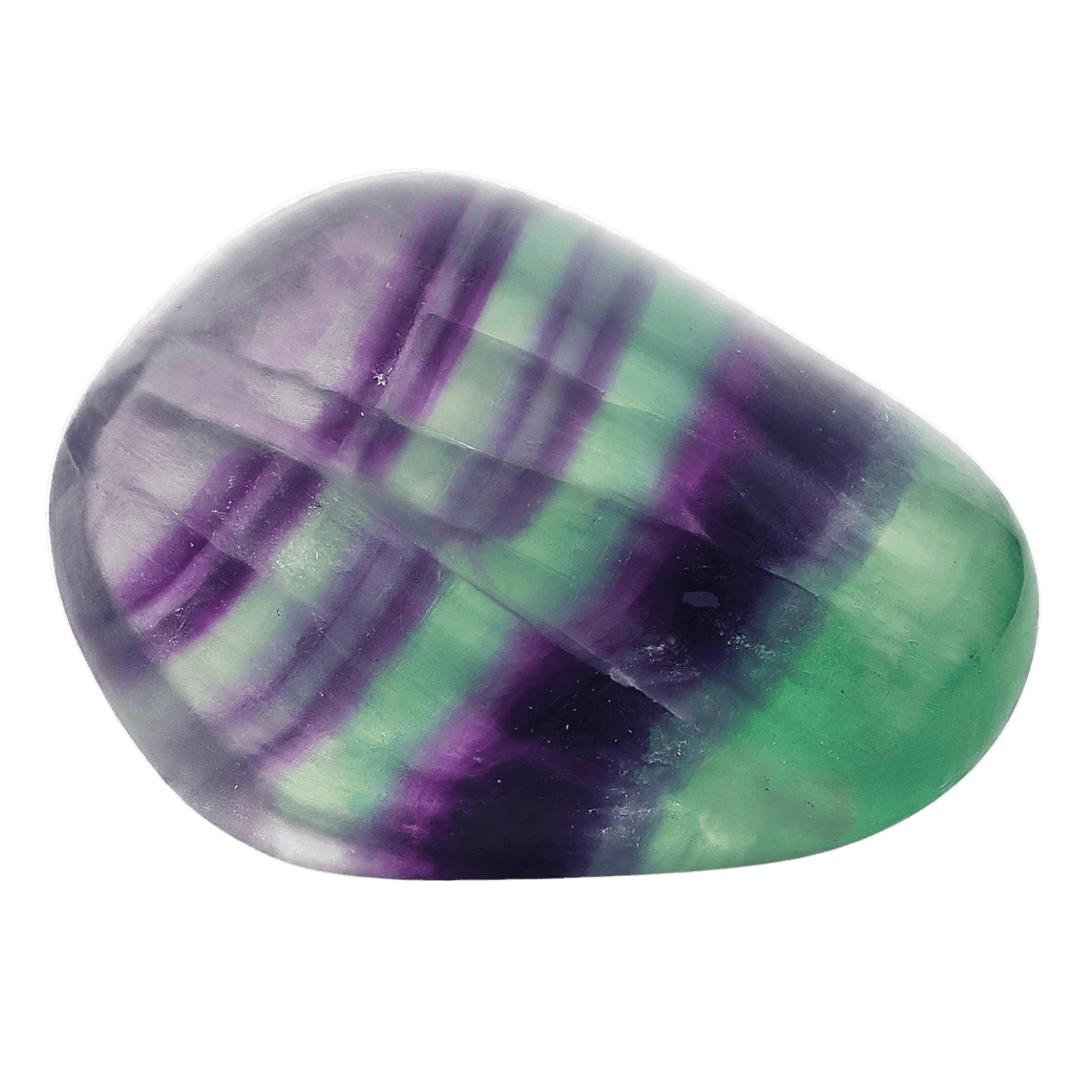
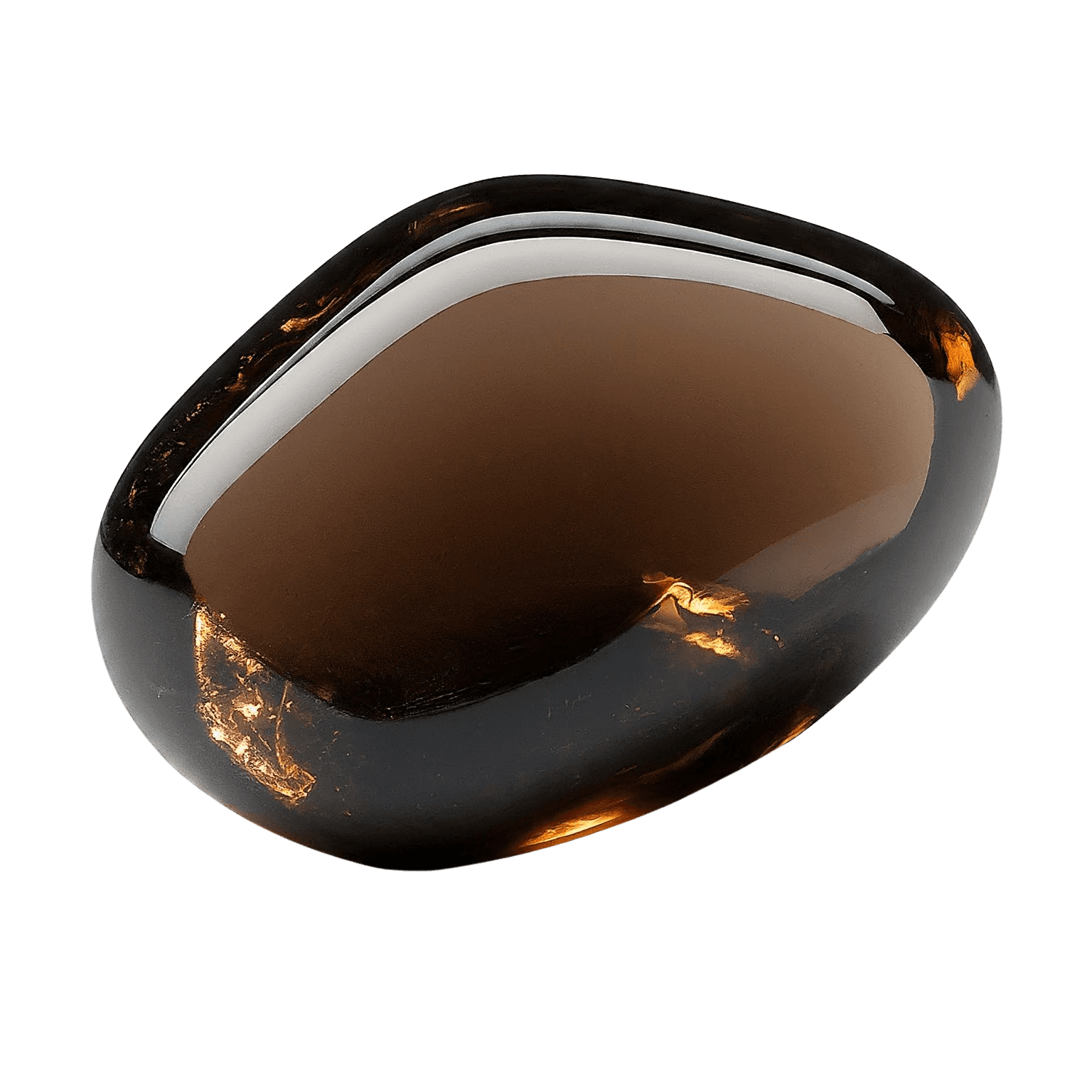
Set Monazite at the center of a grid built for focus and ring it with Fluorite and Smoky Quartz at the points. Speak the intention once as you place each stone; a grid is a sentence written in minerals, and saying the focus aloud is the punctuation.
How to Cleanse and Charge
A worked stone needs clearing, and Monazite is no exception; practitioners describe an uncleansed crystal as muffled, present but quieter than it should be. For the full safety profile and the cadence I recommend, see the dedicated Monazite care guide.
- 1
Sound
A minute inside strong, sustained tone, bowl, chime, even a steady hum, resets Monazite without physical risk, which makes sound the safest deep cleanse for fragile stones.
- 2
Moonlight
Set Monazite on a windowsill or ledge under the full moon and collect it in the morning. Moonlight is the gentlest cleanse in the tradition, safe for every stone in the collection and impossible to overdo.
How often to cleanse
Monthly is the floor for Monazite; step the cadence up whenever the stone is in daily rotation or the season is emotionally loud. With practice you will feel the tell yourself, a worked stone reads heavier and flatter in the palm.
Charging after cleansing
After cleansing, charge Monazite by placing it in morning sunlight for 30 minutes. This restores its energetic vitality.
Crystal Pairings
Monazite pairs functionally: think desk set, not jewelry box. Partners are chosen the way tools are chosen, one for focus, one for voice, one for nerve. Two stones to one focus task is the working maximum; clarity hates clutter.
How to Spot Real vs Fake Monazite
Before buying Monazite, run the piece through these checks; nothing here needs equipment, just your hands, the yellow-brown stone in question, and a healthy skepticism:
Temperature: at Mohs 5.25, genuine Monazite warms in the hand noticeably faster than glass; an imitation in glass stays cold and slick well past the first minute.
Weight: real Monazite should feel like stone rather than plastic pretending; if a palm-sized piece feels nearly weightless, walk away from it.
Color and pattern: natural Monazite runs yellow-brown, amber, or reddish-brown, with variation from piece to piece; perfectly uniform color across a whole tray is the classic mark of dye or synthetics.
Price reality: quality Monazite runs roughly $20 to $90 for palm-sized pieces from reputable sellers; a price far below that range is usually answering a question you should have asked.
Trust your source: buy Monazite from sellers who can name the mine or region behind their yellow-brown stock and disclose treatments without being chased. At CrystalStones.com every piece is ethically sourced with full provenance.
Frequently Asked Questions
What is Monazite good for?
Monazite is traditionally associated with focus and clarity. Many people find it supportive for focus and for working with the Root and Third Eye chakras.
Can Monazite go in water?
No. Monazite should stay dry; cleanse it with Sound and Moonlight instead, and keep every wet method off the table.
Can Monazite be in the sun?
Yes. Monazite is one of the sun-tolerant stones, so use morning light freely to charge the yellow-brown material; just bring it in rather than leaving it out for whole days at a time.
What chakra is Monazite?
Monazite is primarily associated with the Root (Muladhara) and Third Eye (Ajna) chakras. Traditional use keeps it near the ground: at the hips, or set between the feet during seated practice, the root station for focus.
What zodiac sign is Monazite for?
Monazite is traditionally connected to Capricorn. Astrological correspondence is one tradition among several, and nothing about your chart disqualifies you; people without a Capricorn placement work with Monazite all the time.
How do I cleanse Monazite?
The best methods for Monazite are Sound and Moonlight. MILDLY RADIOACTIVE (thorium content). Sealed display only. Wash hands after any contact. Never water, never elixir, never carry in pockets.
Is Monazite real or fake, how can I tell?
Genuine Monazite warms quickly in the hand at Mohs 5.25, while glass imitations stay cold longer and feel slick rather than satiny. A fair tumbled piece sits near $20 to $90 and shows honest variation across the yellow-brown range; flawless uniformity at a bargain price is the tell worth trusting.
What’s Next?
A few thoughtful next steps if Monazite is calling to you.
The Crystal Starter Library
A free guide from Crystal Cassandra: the twelve stones that cover almost everything, a one page care matrix for water, sun and salt, and how to build a first intention practice.
We respect your inbox. Unsubscribe anytime.
Explore More Tools
Crystal Quiz
Discover which crystal matches your energy right now.
Open →Chakra Test
Find which chakras need attention and the crystals to balance them.
Open →Crystal Cleansing Guide
Learn how to safely cleanse and charge your crystals.
Open →Crystals by Intention
Find the perfect crystal for what you need right now.
Open →