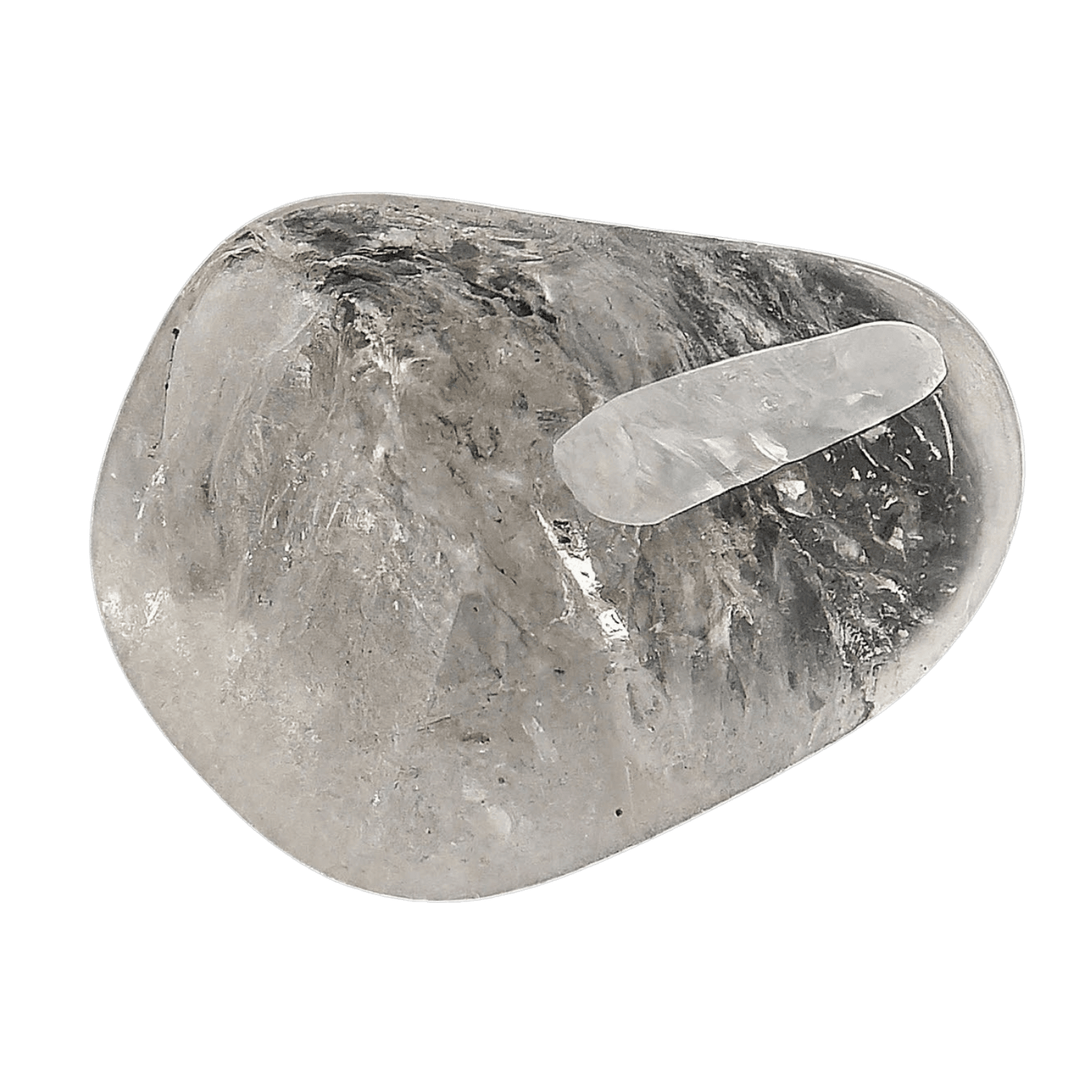

Quick Answer
Danburite is a clear crystal used in modern crystal healing for calm, healing, and spiritual awakening. It measures 7 on the Mohs hardness scale and typically costs $25 to $60 for a tumbled stone. In the chakra tradition, Danburite is associated with the Heart and Crown chakras.
Worth knowing: Its type locality at Danbury, Connecticut now lies beneath the modern city, so the mineral named for the town in 1839 can no longer be collected at the spot where it was first found.
“A clear-to-pink calcium borate of angelic communication and lightness of being.”
- Chakra
- Heart (Anahata), Crown (Sahasrara)
- Zodiac
- Leo ♌
- Element
- Air 💨, Spirit ✨
- Planet
- Venus ♀
- Hardness
- 7 / 10 (Mohs)
- Colors
- Clear, Pink, Yellow, Lilac
- Origin
- Mexico, Russia, Madagascar
- Price Range
- 25 to 60
Care + Safety
Danburite at a glance
- Water: brief rinse safe
- Sun: tolerates sunlight charging
- Mohs hardness: 7 (durable for daily-wear jewelry)
What is Danburite?
Danburite is a calcium borosilicate that crystallizes in glassy orthorhombic prisms with a distinctive wedge-shaped, chisel-like termination, close enough to topaz that the two were historically confused. It was discovered in 1839 by mineralogist Charles Upham Shepard at Danbury, Connecticut, and today the finest crystals come from Charcas in Mexico.
Danburite measures 7 on the Mohs scale and shows clear, pink, or yellow coloring. Within the catalog it sits on the quieting shelf, among the stones brought out for calm, healing, and spiritual awakening.
The stone connects primarily to the Heart (Anahata) and Crown (Sahasrara) chakras, carrying Air and Spirit energy. Today the material is drawn from Mexico, Russia, and Madagascar. Hold pieces from two different sources side by side and the differences in the clear material, tone, translucency, pattern, become obvious fast.
Danburite often grows in long prismatic crystals that look like sharper, cleaner versions of clear quartz, but its energy is distinctly different. Where quartz is amplifying, danburite is uplifting. Hold it after a heavy day and notice the buoyant quality. This stone is traditionally associated with angelic frequencies and a felt sense of unconditional support.
Also catalogued as Angel Stone and Stone of Lightness, Danburite earns its place in a working collection by being usable: start with calm, the job it is best known for, and let the stone widen its own brief from there.
History and Mythology
Danburite is a modern entry in the crystal canon. Its mineral identity was established in the scientific era, the healing vocabulary around it dates to recent decades, and any claim of ancient ritual use should be met with a raised eyebrow. The stone itself, formed in deposits now mined in Mexico, Russia, and Madagascar, is of course older than every book ever written about it.
The correspondence tables used by today's practitioners assign Danburite to Leo under the rulership of Venus ♀. In that system, work centered on calm is said to land best while those signs are in season.
However young or old the human story, the stone outruns it: Danburite formed over deep time, and the Mohs 7 piece on your shelf is the newest chapter of a very old book.
Danburite Meaning and Metaphysical Properties
First Touch
Danburite announces itself through temperature: a cool, clear, glass-polished weight at Mohs 7 that warms deliberately, not instantly, inside a closed palm. Pay attention to the out-breath as you settle. Classical practice reads the quieting family at the exhale, so that is where to put your listening first.
Primary Properties
Quiet runs through every association Danburite holds: calm, healing, spiritual awakening, and heart healing. These are the properties of the slow hours, before sleep, between tasks, after difficulty, and their evidence is gentle by nature. Many people find the work almost too subtle to name at first, which is exactly the family style.
How Crystal Energy Works
At the center of the chakra map sits the Heart, and that crossroads is where tradition places Danburite for its calm work. Practice here follows the breath rather than the clock: the stone at the chest, attention settling on calm, healing, and spiritual awakening, force left at the door. Judy Hall's entries for the calming stones lean on placement rather than promises, the nightstand, the meditation corner, the pocket on a hard day, and that modesty is worth keeping.
Amplification Through Intention
Air stones like Danburite move with attention; the tradition puts them to work as study and speech companions with calm as the brief. A short breathing pause with the stone before calm, healing, and spiritual awakening work is the classic use.
Healing Benefits
Emotional Support
Danburite speaks quietly on the emotional level: calm, healing, and spiritual awakening are its register. It suits the frayed hours best, the late-afternoon overload, the mind that will not stop at midnight, when a steady weight in the hand gives the spinning somewhere to set down. As with all crystal healing, calm support from a stone is reflective practice rather than medicine; significant emotional concerns deserve qualified human help.
Spiritual Connection
Spiritually, Danburite belongs to the practices of winding down, the before-sleep review, the head-to-toe scan, the gradual unclenching that makes room for subtler knowing. In this family the quiet itself is the devotion, and the stone is simply its anchor on the nightstand.
Physical Presence
Tradition reads Air stones like Danburite through the breath: hold it whenever the pace of calm work gets ahead of you, and let a few long exhales go by uncounted. The stone's role is to make you notice breathing at all; the noticing is the benefit, and no mineral substitutes for medical care.
Chakra Connection
Danburite resonates most strongly with the Heart (Anahata), the energy center traditionally drawn in green / pink and the traditional seat of this stone's calm work. When this center runs clear, the classical markers are warmth toward others, compassion that includes yourself, and an open emotional door; calm, healing, and spiritual awakening are what Danburite is most often asked to bring to it.
Worn over the heart on a longer chain, or held flat to the chest before hard conversations, Danburite keeps the heart center company through the day's calm work.
Because Danburite is also associated with the Crown (Sahasrara), it moves well in multi-stone layouts: one stone, two stations, worked on different days.
Zodiac and Astrological Connection
In the modern correspondence tables Danburite is assigned to Leo ♌ (Jul 23 to Aug 22); a Sun, Moon, or rising placement there is read as a head start with this stone, nothing more.
The gate, though, stands open: you do not need a Leo Sun to work with Danburite, and a genuine pull toward the stone outweighs its paper assignments.
Venus ♀ rules Danburite in this tradition, so practitioners time their longer sessions to that planet's active periods, especially for calm.
How to Use Danburite
These are the five ways of working with Danburite I suggest most often. Begin wherever your attention goes first; the sequence matters far less than starting.
- 1
Meditation Hold
Begin the sit with Danburite against the skin and use its coolness as the focus; at Mohs 7 it holds that freshness for a while before giving in to body heat.
- 2
Body Placement
Heart-center layouts hand the pacing to the breath: Danburite rides the rise and fall while you lie still. Watch the stone rise and settle, and let the watching be the entire practice. In my own sessions the noticing is what stays with me long after the stone has gone back on the shelf. The request the old charts attach here is calm.
- 3
Sleep Companion
Danburite can still earn the nightstand even though its brief is calm rather than rest: setting the stone down as you set the day down marks the switch from doing to sleeping.
- 4
Carry With You
Stash Danburite where the overloaded day can reach it, the coat pocket, the desk's edge, the corner of the bag, and let a single slow touch substitute for the pause you are not getting; calm, carried this way, arrives in small repeated doses.
- 5
Crystal Grid Anchor
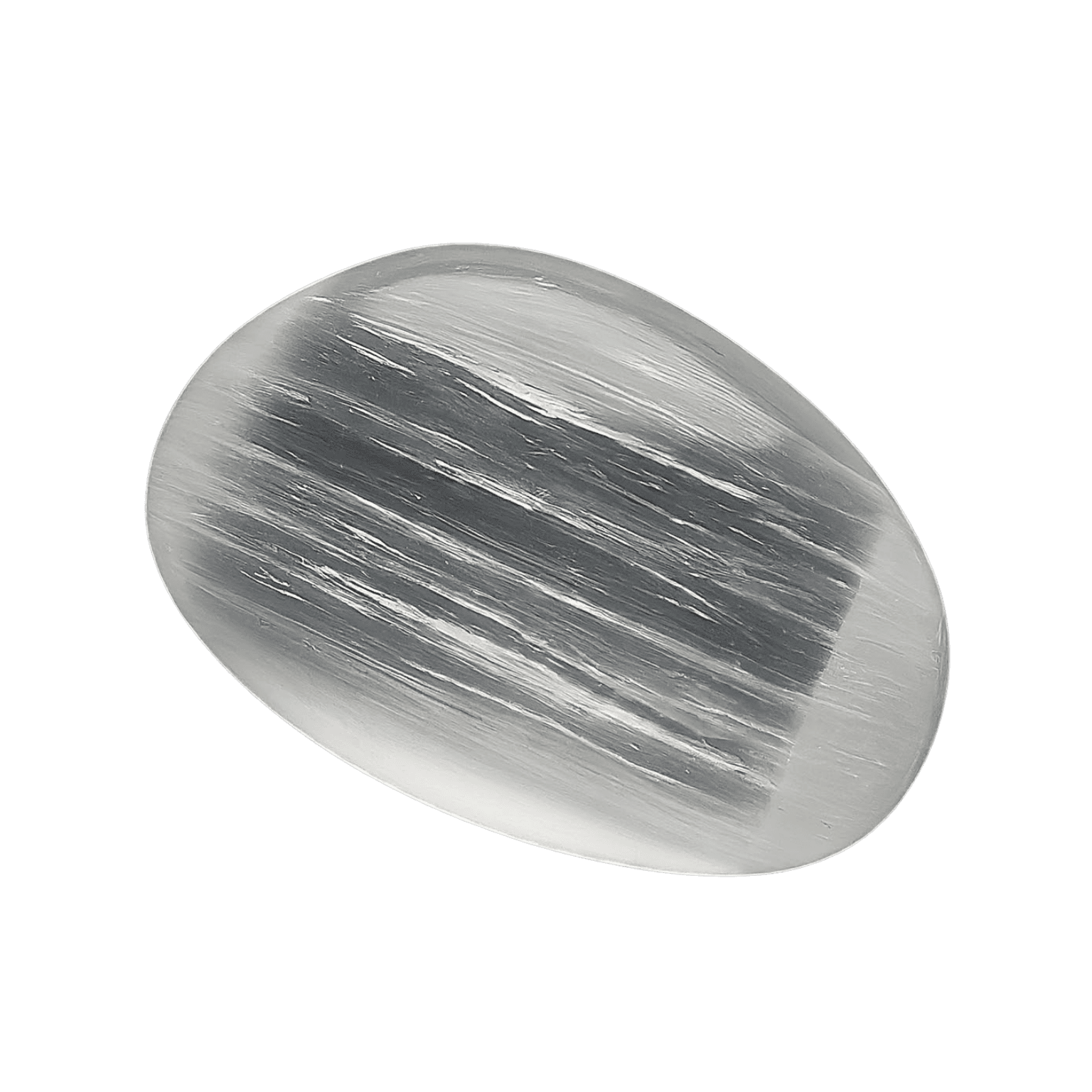
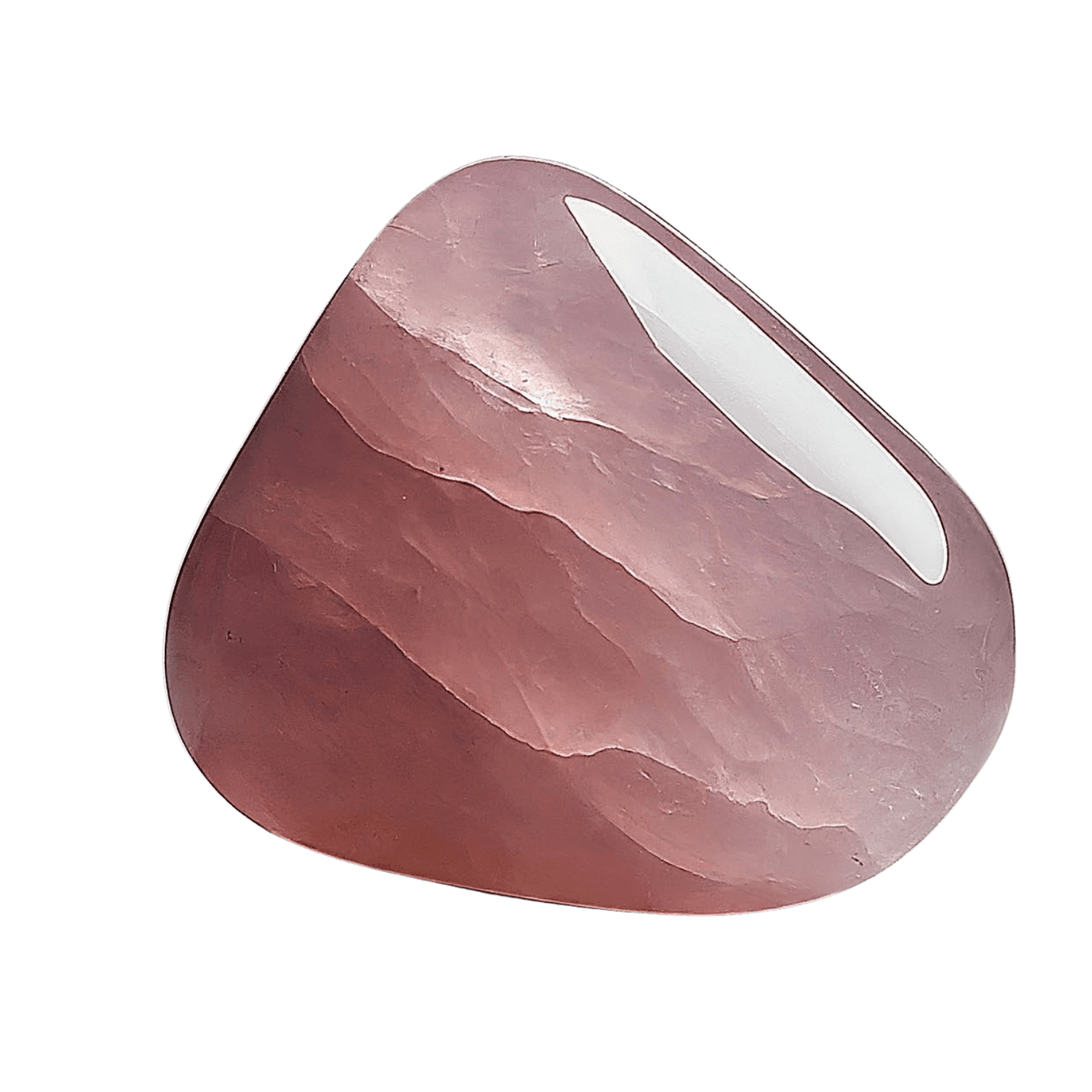
Use Danburite as the heart of a small grid for calm, with Selenite and Rose Quartz alternating on the spokes. Place the stones slowly and set the last one down with the calm intention named out loud.
How to Cleanse and Charge
A worked stone needs clearing, and Danburite is no exception; practitioners describe an uncleansed crystal as muffled, present but quieter than it should be. For the full safety profile and the cadence I recommend, see the dedicated Danburite care guide.
- 1
Moonlight
Set Danburite on a windowsill or ledge under the full moon and collect it in the morning. Moonlight is the gentlest cleanse in the tradition, safe for every stone in the collection and impossible to overdo.
- 2
Selenite
Keep a selenite dish where you empty your pockets and drop Danburite there at day's end; the resting place does the cleansing while you sleep.
- 3
Sound
Hold Danburite near a singing bowl, bell, or tuning fork and let a full minute of tone wash over it; sound reaches stones that water, salt, and sun cannot safely touch.
- 4
Sage
Smoke-cleanse Danburite: light the sage, let it settle to a smolder, and move the stone through the rising smoke until your sense of it lightens, usually under a minute.
How often to cleanse
I recommend cleansing Danburite at least once a month, more frequently if you're using it daily or during emotionally intense periods. You'll also learn to feel when a stone needs cleansing; it may feel heavier, duller, or simply “off.”
Charging after cleansing
After cleansing, charge Danburite by placing it in morning sunlight for 30 minutes. This restores its energetic vitality.
Crystal Pairings
Match Danburite only with stones that can hold a hush. The traditional partners keep everything low-key and slow, since calm is slow-register work by nature. When a combination starts to feel crowded rather than calming, believe the feeling and retire it.

How to Spot Real vs Fake Danburite
Imitations of Danburite exist because demand does. A few hands-on checks separate genuine clear material from glass, resin, and dye:
Temperature: genuine Danburite feels distinctly cool at first touch and gives that coolness up slowly; resin copies feel warm almost immediately, which is the quickest tell there is.
Weight and density: resin fakes run light for their size, while genuine Danburite at Mohs 7 carries honest mineral density; weigh it in the palm against any real tumbled stone you own.
Color and pattern: the real range is clear, pink, or yellow; treat neon saturation or flawless uniformity as a question for the seller, because nature rarely manages either.
Price reality: quality Danburite runs roughly $25 to $60 for palm-sized pieces from reputable sellers; a price far below that range is usually answering a question you should have asked.
Trust your source: provenance beats any hands-on check; ask where the Danburite was mined, whether the clear material is treated, and expect straight answers. That standard is why CrystalStones.com ships every piece with its provenance.
Bring it home
Shop Danburite
Ethically sourced, hand-selected Danburite starting from $25.
Shop DanburiteFrequently Asked Questions
What is Danburite good for?
Danburite is traditionally associated with calm, healing, spiritual awakening, and heart healing. Many people find it supportive for calm and for working with the Heart and Crown chakras.
Can Danburite go in water?
Yes. Danburite is water-safe at Mohs 7, so a brief rinse under cool running water is a perfectly good cleanse. Dry it afterward and skip long soaks, which no tumbled stone loves.
Can Danburite be in the sun?
Yes. Danburite is one of the sun-tolerant stones, so use morning light freely to charge the clear material; just bring it in rather than leaving it out for whole days at a time.
What chakra is Danburite?
Danburite is primarily associated with the Heart (Anahata) and Crown (Sahasrara) chakras. Let it ride at the heart center during lying-down practice, moved by the breath; that station is the traditional seat of its calm work.
What zodiac sign is Danburite for?
Danburite is traditionally connected to Leo. That said, the zodiac correspondence is an invitation rather than a requirement; any chart can work with Danburite, and attraction to the stone matters more than the calendar.
How do I cleanse Danburite?
Stick to Moonlight, Selenite, and Sound for Danburite; those are the methods its care profile recommends. A quick rinse remains an option at Mohs 7, but the listed methods are the ones that should carry the regular routine.
Is Danburite real or fake, how can I tell?
Genuine Danburite feels cool at first touch and warms slowly; at Mohs 7 it also resists the pocket scratches that mark softer fakes. A fair tumbled piece sits near $25 to $60 and shows honest variation across the clear range; flawless uniformity at a bargain price is the tell worth trusting.
What’s Next?
A few thoughtful next steps if Danburite is calling to you.
The Crystal Starter Library
A free guide from Crystal Cassandra: the twelve stones that cover almost everything, a one page care matrix for water, sun and salt, and how to build a first intention practice.
We respect your inbox. Unsubscribe anytime.
Explore More Tools
Crystal Quiz
Discover which crystal matches your energy right now.
Open →Chakra Test
Find which chakras need attention and the crystals to balance them.
Open →Crystal Cleansing Guide
Learn how to safely cleanse and charge your crystals.
Open →Crystals by Intention
Find the perfect crystal for what you need right now.
Open →