Quick Answer
Coral is a red crystal used in modern crystal healing for vitality, protection, and creativity. It measures 3.5 on the Mohs hardness scale and typically costs $15 to $80 for a tumbled stone. In the chakra tradition, Coral is associated with the Root and Sacral chakras.
Worth knowing: Torre del Greco, a town in the shadow of Vesuvius near Naples, has dominated coral carving and trade since the early nineteenth century, and its workshops still process much of the world's precious coral.
“An organic calcium carbonate from marine coral skeletons, of vitality, protection, and life-flow.”
- Chakra
- Root (Muladhara), Sacral (Svadhisthana)
- Zodiac
- Taurus ♉, Pisces ♓
- Element
- Water 💧, Earth 🌍
- Planet
- Mars ♂
- Hardness
- 3.5 / 10 (Mohs)
- Colors
- Red, Pink, Orange, White
- Origin
- Mediterranean, Pacific, Indian Ocean
- Price Range
- 15 to 80
Care + Safety
Coral at a glance
- Water: avoid, may damage or leach
- Sun: fades in prolonged direct sun
- Mohs hardness: 3.5 (display + meditation only)
What is Coral?
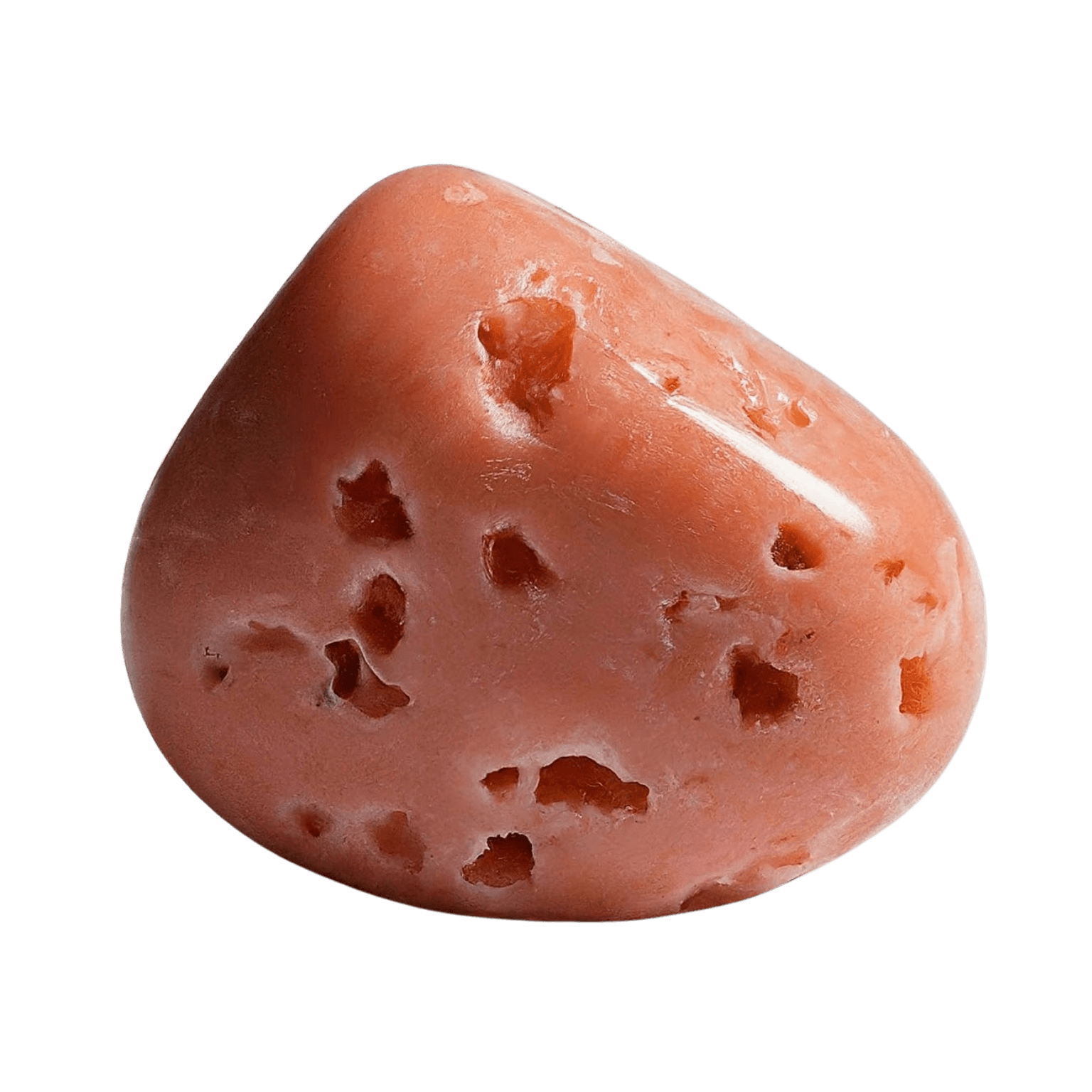
Precious coral is no mineral but the skeleton of colonial marine animals, chiefly Corallium rubrum of the Mediterranean, whose branches are built of fine-grained magnesium-rich calcite colored by carotenoid pigments. It registers only about 3.5 on the Mohs scale, takes a silky polish, and has been fished for jewelry since antiquity.
Coral measures 3.5 on the Mohs scale and shows red, pink, or orange coloring. It sits with the activating stones, the ones brought out for vitality, protection, and creativity when a threshold needs crossing.
The stone connects primarily to the Root (Muladhara) and Sacral (Svadhisthana) chakras, carrying Water and Earth energy. Sources include Mediterranean, Pacific, and Indian Ocean; deposit matters more than beginners expect, and collectors learn to recognize where a piece of Coral was mined by its color depth and pattern.
Coral is organic, the calcified skeleton of marine coral colonies, used for adornment and amulet for thousands of years across Mediterranean, Tibetan, and Indigenous traditions. Hold this stone and notice a warm, almost watery vitality. Because coral is endangered in many forms, prioritize ethically harvested or vintage pieces, and treat all coral as dry and acid-sensitive.
Also catalogued as Red Coral and Precious Coral, Coral earns its place in a working collection by being usable: start with vitality, the job it is best known for, and let the stone widen its own brief from there.
History and Mythology
The human relationship with Coral predates chemistry. Classical sources describe it by appearance and use rather than formula, and it moved along trade routes as a valued material centuries before anyone could say what it was made of. The modern metaphysical vocabulary around vitality is younger, but the habit of keeping this stone close is not; present-day material comes from Mediterranean, Pacific, and Indian Ocean.
Astrologically minded practitioners file Coral under Taurus and Pisces and give Mars ♂ the rulership. The pairing is a 20th century convention rather than an ancient decree, and it is read as favoring vitality work.
However young or old the human story, the stone outruns it: Coral formed over deep time, and the Mohs 3.5 piece on your shelf is the newest chapter of a very old book.
Coral Meaning and Metaphysical Properties
What the Hand Learns First
Pick up Coral and warmth is the first report: at Mohs 3.5 it is a mid-soft mineral that takes body heat within a minute, and its red surface polishes to a satin sheen rather than a hard glitter. Posture is where the classical guidance points for an activating stone, shoulders and spine and the angle of the chin, so watch there rather than waiting on the hand.
Primary Properties
The properties filed under Coral all lean forward: vitality, protection, creativity, and energy. Activating stones belong to thresholds, and the old instruction is simple, touch the stone before the door opens, not after. Read each property as a cue card rather than a contract.
How Crystal Energy Works
Ground is the keyword the tradition gives Coral: a Root-center stone, asked above all for vitality. Work it the Root way, seated, slow, soles flat against the floor, holding vitality, protection, and creativity as the quiet agenda. In both the Judy Hall and Melody catalogs the activating stones are tied to the lower three centers, where the traditional language is will and creative fire rather than luck.
Amplification Through Intention
Water stones such as Coral are traditionally read as tide-workers: they suit cyclical practice, the same small ritual repeated weekly, and they pair vitality with patience rather than push.
Healing Benefits
Emotional Support
Coral meets emotion at the confidence layer: vitality, protection, and creativity. It is traditionally handled before the moments that ask you to take up space, and the small ritual of pocketing it steadies more than you might expect. These are traditional vitality associations rather than medical claims; for anything heavy or persistent, a qualified professional belongs in the picture alongside any stone.
Spiritual Connection
Coral attends the spiritual act of beginning. The traditional use is simple, take the stone in hand and say the intention out loud, letting that small rite turn a wish into a promise, and repeat it at the starts, new work, new chapters, new moons.
Physical Presence
Physically, Coral keeps company with the soft systems, rest and recovery, the long exhale after effort toward vitality. Its honest job is reminding you to downshift; anything medical belongs with medical professionals.
Chakra Connection
Coral resonates most strongly with the Root (Muladhara), the energy center traditionally drawn in red and the traditional seat of this stone's vitality work. When this center runs clear, the classical markers are rootedness, calm in the body, and trust in your own footing; vitality, protection, and creativity are what Coral is most often asked to bring to it.
For placement, go low: lie down with Coral resting at the hip points, or sit on the floor and set it between your feet. Attention on weight and ground, for as long as that stays comfortable, is the classic root session the tradition records for vitality.
Coral also keeps a working line to the Sacral (Svadhisthana), which widens its range in layouts; let the primary placement lead, and add the second position once the first feels familiar.
Zodiac and Astrological Connection
Astrological tradition links Coral with Taurus ♉ (Apr 20 to May 20) and Pisces ♓ (Feb 19 to Mar 20), and practitioners often suggest the stone meets Taurus placements with the least friction.
Correspondence is a suggestion, not a bouncer; plenty of devoted Coral keepers have no Taurus in their chart at all, and being drawn to the stone is the credential that matters.
Mars ♂ rules Coral in this tradition, so practitioners time their longer sessions to that planet's active periods, especially for vitality.
How to Use Coral
Here are five ways I recommend working with Coral. Start with whichever feels most natural, there's no wrong entry point.
- 1
Meditation Hold
Take up Coral as you settle in; at Mohs 3.5 it takes on your warmth within a minute or two, and that slow merge is a useful anchor whenever the mind wanders.
- 2
Body Placement
Root layouts always ran downward, so Coral belongs at the hip line when you lie down, or on the floor between your feet when you sit. Let the breath do whatever it does, and give your attention to the weight of the stone rather than to any outcome; the old charts filed this position under vitality.
- 3
Sleep Companion
At night, park Coral on the nightstand rather than working it; its job is the day's vitality, and ending the day cleanly is how tomorrow's session starts well.
- 4
Carry With You
Doorways are where Coral does its carrying work: pocket it for interviews, first days, and openings, and touch it on purpose as you cross in. The contact is a cue, and the posture it prompts is what vitality looks like from the outside.
- 5
Crystal Grid Anchor
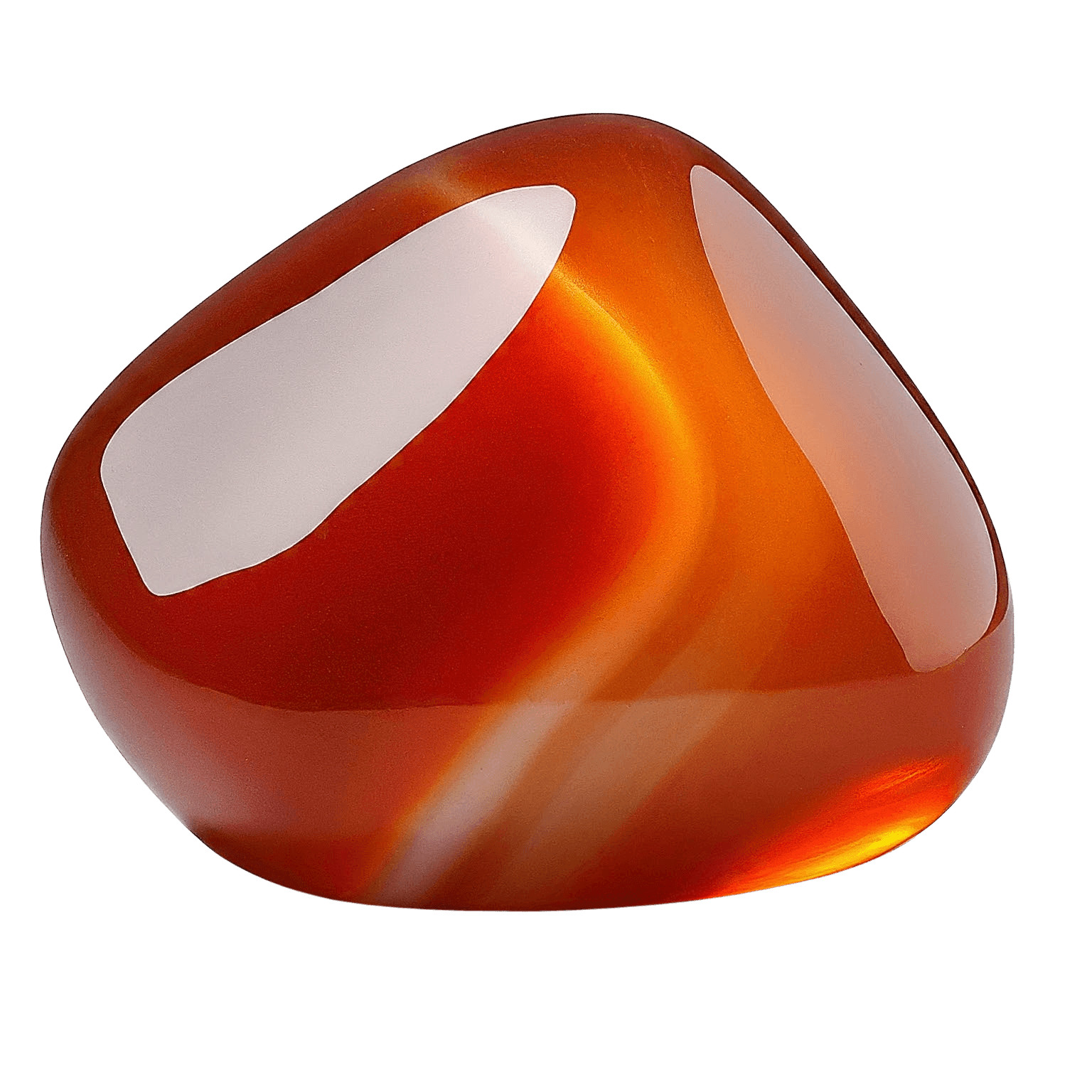
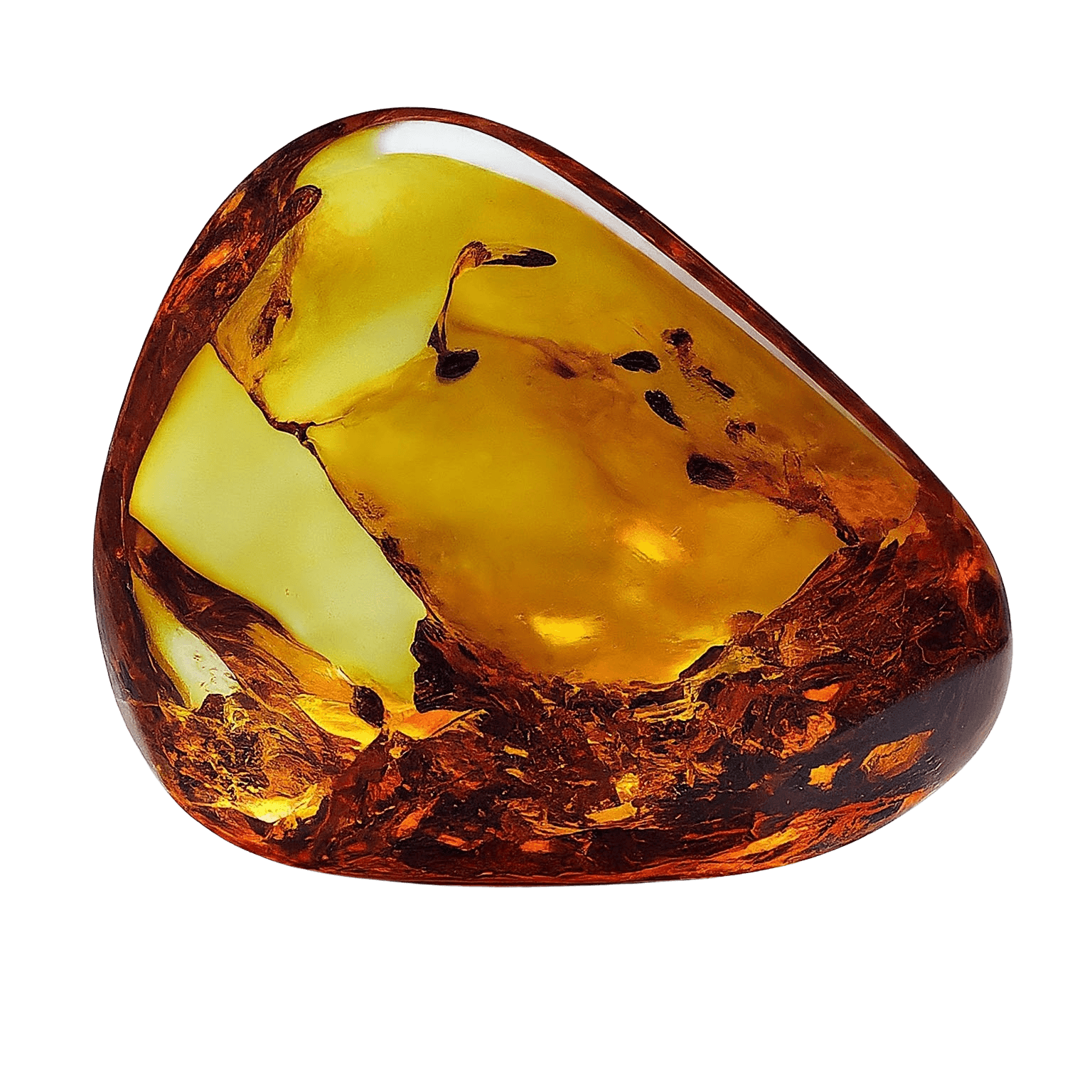
Use Coral as the heart of a small grid for vitality, with Carnelian and Amber alternating on the spokes. Place the stones slowly and set the last one down with the vitality intention named out loud.
How to Cleanse and Charge
Keeping Coral energetically clear is essential, a crystal that's holding too much absorbed energy becomes less effective, like a sponge that's full. For the full water-safe / sun-safe / salt-safe profile, the recommended cleansing cadence, and the hands-on storage instructions I give my clients, see the dedicated Coral care guide.
- 1
Moonlight
Once a month, let Coral sit overnight in moonlight, on the full moon if you can manage it. Nothing in the cabinet is harmed by this method, which is why it anchors most cleansing routines.
- 2
Sage
Smoke-cleanse Coral: light the sage, let it settle to a smolder, and move the stone through the rising smoke until your sense of it lightens, usually under a minute.
- 3
Sound
Hold Coral near a singing bowl, bell, or tuning fork and let a full minute of tone wash over it; sound reaches stones that water, salt, and sun cannot safely touch.
How often to cleanse
Give Coral a clearing at least every month, and sooner after hard weeks or heavy daily use. The stone will teach you its own signal in time; most people describe it as dullness, weight, or a sense the stone has gone quiet.
Charging after cleansing
Follow every cleansing with a charge: for Coral that means setting it on a selenite plate overnight or bathing it in full moonlight. A cleared stone is neutral, a charged one is ready.
Crystal Pairings
Pair Coral for ignition and steering both: an activator needs a grounding partner or the spark scatters. Its traditional companions act as governor and amplifier in turn. Run a new pair on one small vitality task first and watch what your focus does.
How to Spot Real vs Fake Coral
Before buying Coral, run the piece through these checks; nothing here needs equipment, just your hands, the red stone in question, and a healthy skepticism:
Temperature: at Mohs 3.5, genuine Coral warms in the hand noticeably faster than glass; an imitation in glass stays cold and slick well past the first minute.
Weight: real Coral should feel like stone rather than plastic pretending; if a palm-sized piece feels nearly weightless, walk away from it.
Color and pattern: natural Coral runs red, pink, or orange, with variation from piece to piece; perfectly uniform color across a whole tray is the classic mark of dye or synthetics.
Price: expect $15 to $80 for a decent tumbled or palm piece of Coral; dramatic discounts mean dye, resin, or mislabeling more often than they mean luck.
Trust your source: provenance beats any hands-on check; ask where the Coral was mined, whether the red material is treated, and expect straight answers. That standard is why CrystalStones.com ships every piece with its provenance.
Frequently Asked Questions
What is Coral good for?
Coral is traditionally associated with vitality, protection, creativity, and energy. Many people find it supportive for vitality and for working with the Root and Sacral chakras.
Can Coral go in water?
Avoid it. Water can damage Coral, so stay with the dry methods its care profile lists, Moonlight, Sage, and Sound, which cover everything this stone needs. Organic and acid-sensitive. No water, salt, perfumes, or alcohol. Soft (Mohs 3.5) and fragile.
Can Coral be in the sun?
Treat sun as a risk for Coral: short incidental light does no harm, but hours of direct exposure will cost the red tones their depth. Default to moonlight.
What chakra is Coral?
Coral is primarily associated with the Root (Muladhara) and Sacral (Svadhisthana) chakras. Traditional use keeps it near the ground: at the hips, or set between the feet during seated practice, the root station for vitality.
What zodiac sign is Coral for?
Coral is traditionally connected to Taurus and Pisces. That said, the zodiac correspondence is an invitation rather than a requirement; any chart can work with Coral, and attraction to the stone matters more than the calendar.
How do I cleanse Coral?
The best methods for Coral are Moonlight, Sage, and Sound. Organic and acid-sensitive. No water, salt, perfumes, or alcohol. Soft (Mohs 3.5) and fragile.
Is Coral real or fake, how can I tell?
Genuine Coral warms quickly in the hand at Mohs 3.5, while glass imitations stay cold longer and feel slick rather than satiny. Natural red material varies piece to piece and runs about $15 to $80 tumbled, so perfectly matched stones at a suspicious discount deserve a second look.
What’s Next?
A few thoughtful next steps if Coral is calling to you.
The Crystal Starter Library
A free guide from Crystal Cassandra: the twelve stones that cover almost everything, a one page care matrix for water, sun and salt, and how to build a first intention practice.
We respect your inbox. Unsubscribe anytime.
Explore More Tools
Crystal Quiz
Discover which crystal matches your energy right now.
Open →Chakra Test
Find which chakras need attention and the crystals to balance them.
Open →Crystal Cleansing Guide
Learn how to safely cleanse and charge your crystals.
Open →Crystals by Intention
Find the perfect crystal for what you need right now.
Open →