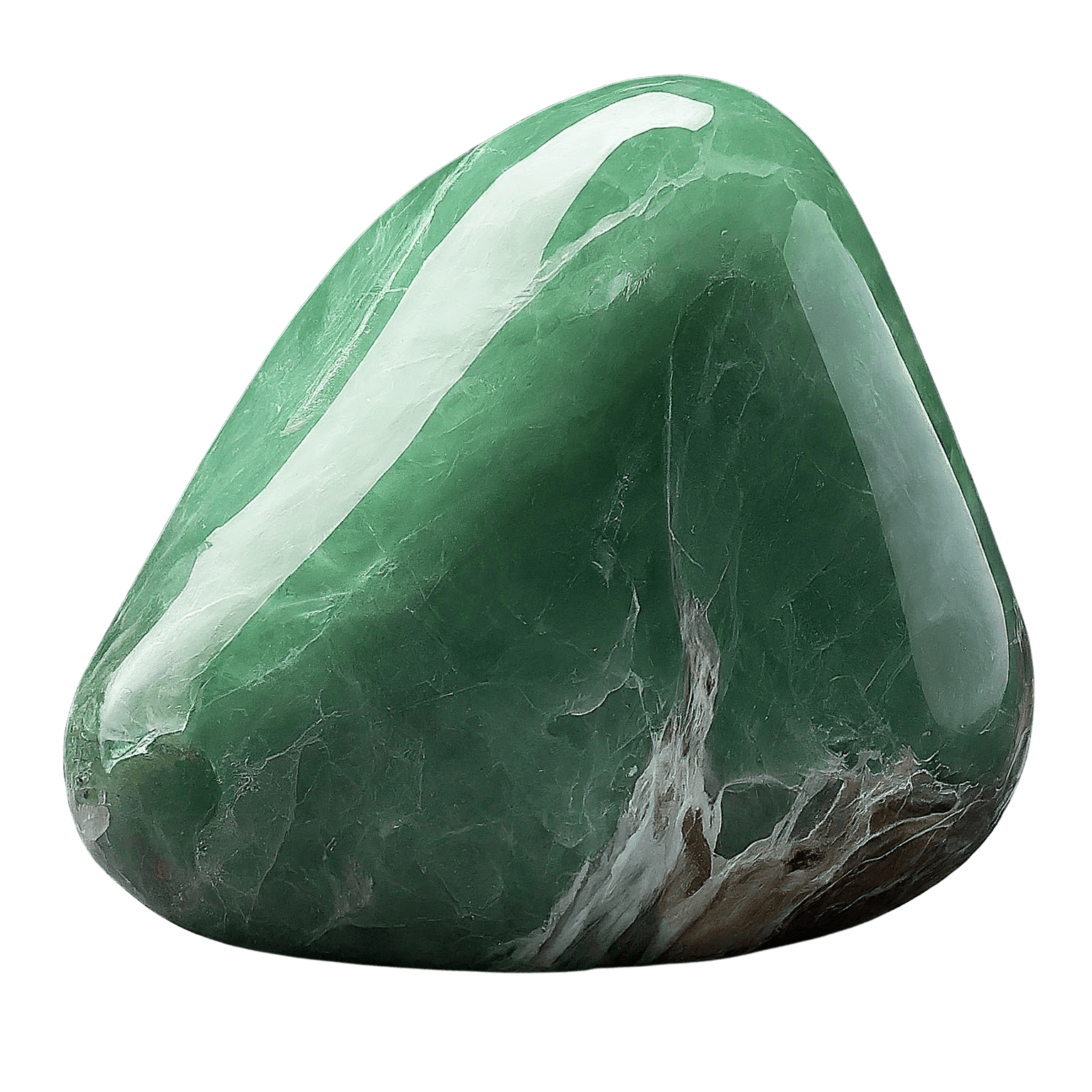
Quick Answer
Conichalcite is a apple green crystal used in modern crystal healing for release, transformation, and shadow work. It measures 4.5 on the Mohs hardness scale and typically costs $25 to $90 for a tumbled stone. In the chakra tradition, Conichalcite is associated with the Heart and Solar Plexus chakras.
Worth knowing: Described in 1849 from Hinojosa del Duque in Andalusia, Spain, its name fuses the Greek words for powder and copper, a nod to the powdery green crusts it forms on oxidized ore.
“A bright apple-green copper-arsenic mineral of insight and clearing; display only. ARSENIC CONTENT.”
- Chakra
- Heart (Anahata), Solar Plexus (Manipura)
- Zodiac
- Scorpio ♏, Capricorn ♑
- Element
- Earth 🌍
- Planet
- Pluto ♇
- Hardness
- 4.5 / 10 (Mohs)
- Colors
- Apple green, Yellow-green
- Origin
- Mexico, USA (Nevada), Spain
- Price Range
- 25 to 90
Care + Safety
Conichalcite at a glance
- Water: avoid, may damage or leach
- Sun: tolerates sunlight charging
- Mohs hardness: 4.5 (display + meditation only)
What is Conichalcite?
Conichalcite is a calcium copper arsenate that never grows large crystals, instead coating fractured rock in vivid apple-green botryoidal crusts. It is a secondary mineral, formed where oxygen-rich water alters primary copper and arsenic ores, so collectors find it in the weathered upper zones of mines like Ojuela in Durango, Mexico.
Conichalcite measures 4.5 on the Mohs scale and shows apple green or yellow-green coloring. Change is its department: a threshold stone by family, kept close for release, transformation, and shadow work and for the crossings they imply.
The stone connects primarily to the Heart (Anahata) and Solar Plexus (Manipura) chakras, carrying Earth energy. Today the material is drawn from Mexico, USA (Nevada), and Spain. Hold pieces from two different sources side by side and the differences in the apple green material, tone, translucency, pattern, become obvious fast.
Conichalcite is a vivid apple-green calcium copper arsenate, beautiful in specimen form but firmly toxic because of its copper and arsenic content. Hold this stone visually only. The classical sources describe it as a stone of insight and unblocking, used as a display specimen for clearing stagnant energy in a room.
Also catalogued as Copper Arsenate Stone, Conichalcite earns its place in a working collection by being usable: start with release, the job it is best known for, and let the stone widen its own brief from there.
History and Mythology
Conichalcite entered the record through mineralogy rather than mythology: the species was identified and named in the modern era, and its healing use begins with the 20th and 21st century crystal literature rather than any ancient source. That recency is worth stating plainly, because honest provenance is rarer than it should be in this field. The material itself is sourced today from Mexico, USA (Nevada), and Spain.
The correspondence tables used by today's practitioners assign Conichalcite to Scorpio and Capricorn under the rulership of Pluto ♇. In that system, work centered on release is said to land best while those signs are in season.
Whatever the age of the name, the geology is patient: every piece of Conichalcite took shape over geological timescales, arriving at its Mohs 4.5 hardness through slow heat, pressure, and chemistry long before any hand reached for it.
Conichalcite Meaning and Metaphysical Properties
What the Hand Learns First
Pick up Conichalcite and warmth is the first report: at Mohs 4.5 it is a mid-soft mineral that takes body heat within a minute, and its apple green surface polishes to a satin sheen rather than a hard glitter. Whatever memory walks in while the stone is in your hand, let it; the threshold family tends to retrieve what is already loosening, and that retrieval is the signal.
Primary Properties
Threshold work is the heading over the Conichalcite property list: release, transformation, shadow work, and clarity. Stones of this family sit with what ends and what begins, the habit released, the new season entered. Let the stone witness the process and keep the crossing for yourself.
How Crystal Energy Works
Conichalcite works through the Heart center in the traditional map, the middle station where the lower and upper energies cross, and release is its assignment there. Let the breath set the tempo, stone resting over the heart, release, transformation, and shadow work held softly in mind, with nothing pushed. In Melody's catalog the transformation stones share a single center of gravity, release, the old carried out of the system to make space for what comes next.
Amplification Through Intention
Conichalcite is classed as an Earth stone, patient, bodily, hard to knock over, which sets the pace of its release work. Prefer routines over ceremonies, the same pocket, the same desk corner, and let consistency do for release, transformation, and shadow work what intensity cannot.
Healing Benefits
Emotional Support
Conichalcite accompanies the heavier passages: release, transformation, and shadow work. It is traditionally a companion for grief, endings, and honest inventory, less a mood-lifter than a witness that stays. Tradition, not treatment: release work with a stone sits beside professional support, never in place of it.
Spiritual Connection
Threshold rituals are where Conichalcite earns its spiritual keep: the page written and burned, the inventory taken at season's end, the goodbye said on purpose. Its presence marks a completion handled with care instead of left to trail off.
Physical Presence
Tradition reads Earth stones like Conichalcite through the soles of the feet: stance, weight, the felt fact of standing somewhere while you work on release. Try standing barefoot with the stone in hand when the day goes abstract; the practice is awareness, not medicine.
Chakra Connection
Conichalcite resonates most strongly with the Heart (Anahata), the energy center traditionally drawn in green / pink and the traditional seat of this stone's release work. When this center runs clear, the classical markers are softness without collapse, generosity of feeling, and ease in giving and receiving love; release, transformation, and shadow work are what Conichalcite is most often asked to bring to it.
Worn over the heart on a longer chain, or held flat to the chest before hard conversations, Conichalcite keeps the heart center company through the day's release work.
Because Conichalcite is also associated with the Solar Plexus (Manipura), it moves well in multi-stone layouts: one stone, two stations, worked on different days.
Zodiac and Astrological Connection
In the modern correspondence tables Conichalcite is assigned to Scorpio ♏ (Oct 23 to Nov 21) and Capricorn ♑ (Dec 22 to Jan 19); a Sun, Moon, or rising placement there is read as a head start with this stone, nothing more.
The gate, though, stands open: you do not need a Scorpio Sun to work with Conichalcite, and a genuine pull toward the stone outweighs its paper assignments.
Pluto ♇ rules Conichalcite in this tradition, so practitioners time their longer sessions to that planet's active periods, especially for release.
How to Use Conichalcite
Here are five ways I recommend working with Conichalcite. Start with whichever feels most natural, there's no wrong entry point.
- 1
Meditation Hold
Hold Conichalcite for the length of your sit and notice the moment it stops feeling like an object and starts feeling like part of the hand; for a Mohs 4.5 stone, that shift comes early.
- 2
Body Placement
Set Conichalcite down within reach during a lying-down session and hand the pacing over to the breath. The slow lift and settle is the whole technique; there is nothing to add to it and nothing to measure. Traditional practice offers the position toward release and makes no claim about what follows.
- 3
Sleep Companion
Conichalcite can still earn the nightstand even though its brief is release rather than rest: setting the stone down as you set the day down marks the switch from doing to sleeping.
- 4
Carry With You
Carry Conichalcite through the seasons that are ending; touch it when the old habit calls, and let the stone mark each small refusal as part of the larger release.
- 5
Crystal Grid Anchor
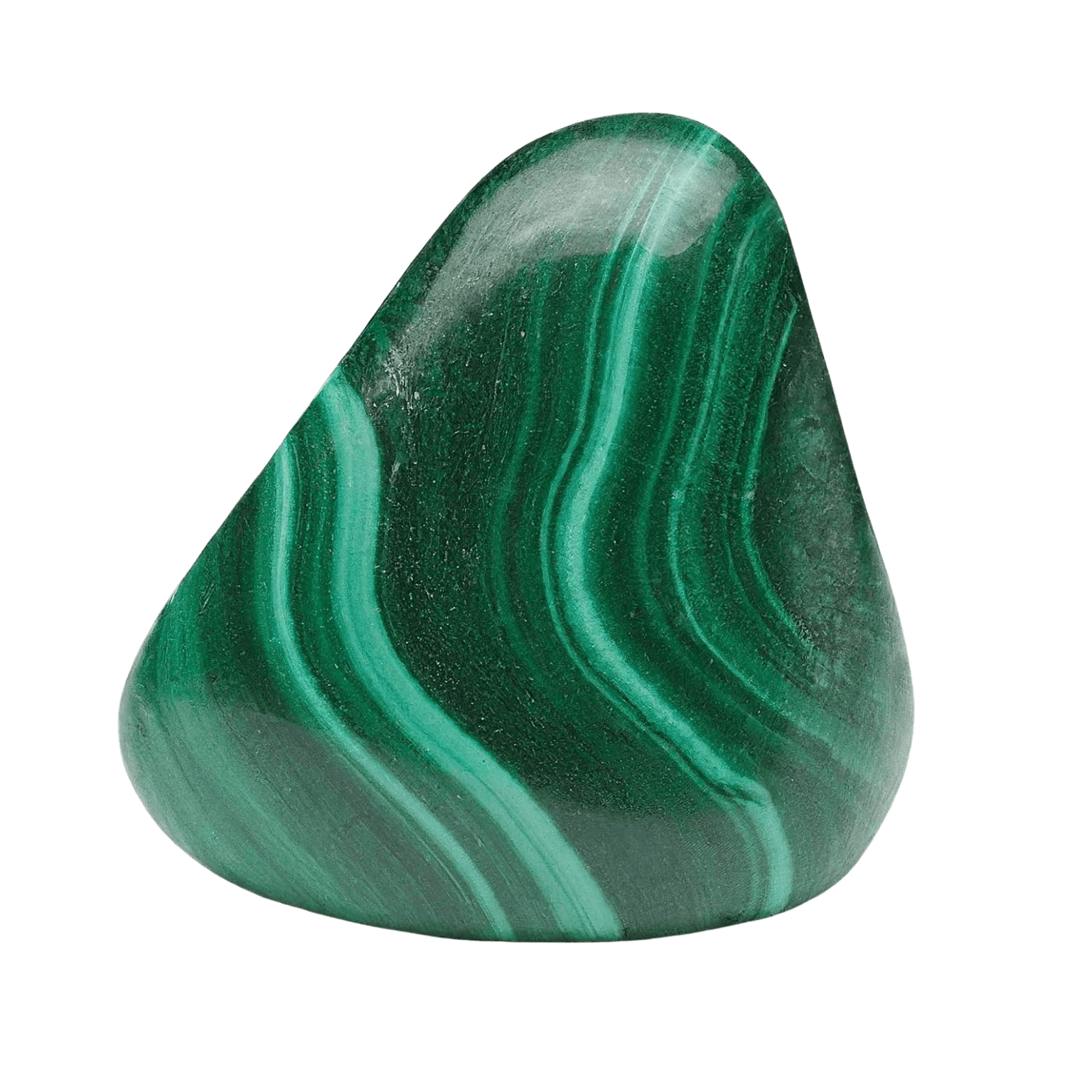
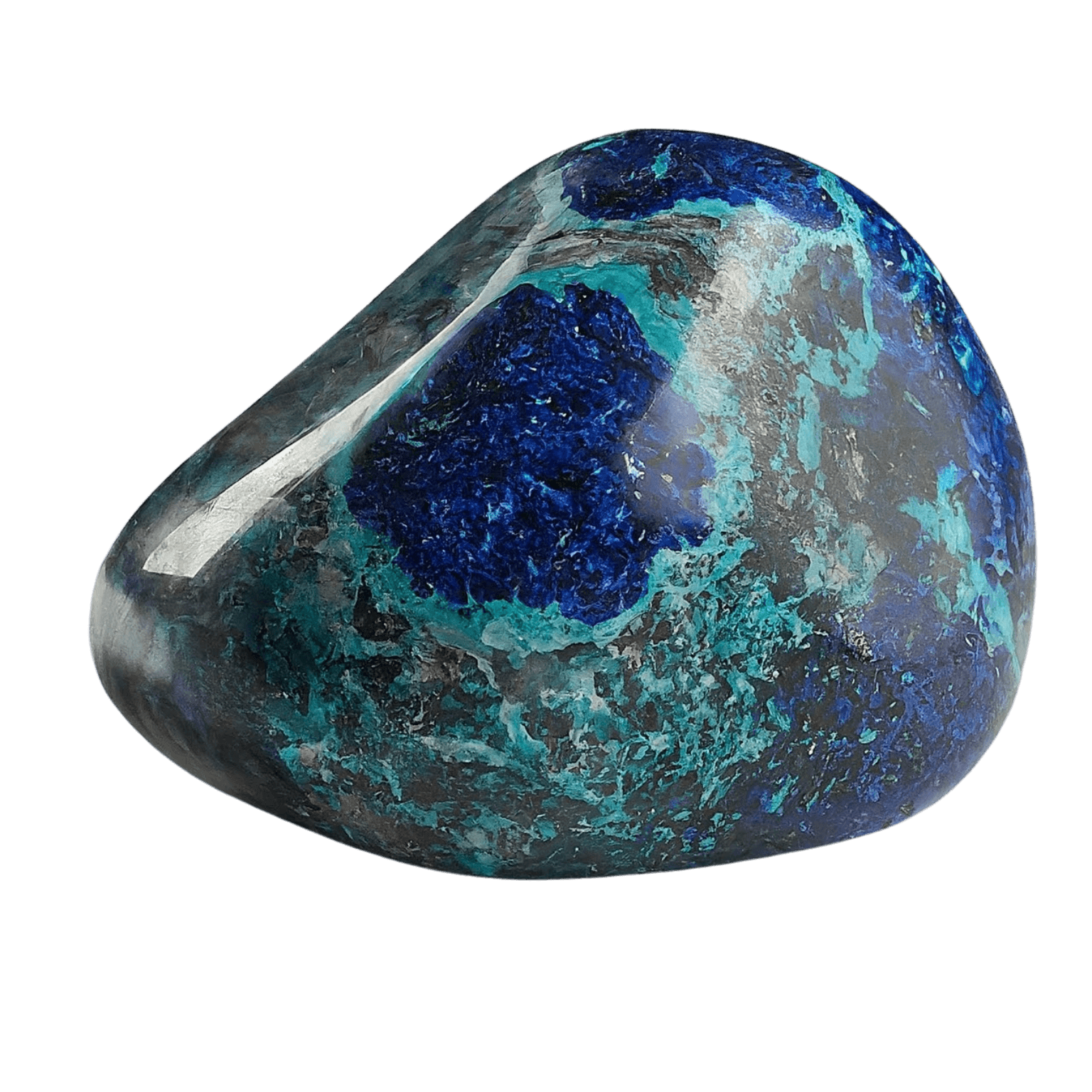
Use Conichalcite as the heart of a small grid for release, with Malachite and Azurite alternating on the spokes. Place the stones slowly and set the last one down with the release intention named out loud.
How to Cleanse and Charge
Conichalcite works best when it is cleansed on a rhythm; tradition pictures a stone absorbing what it meets, and a saturated stone has nothing left to give. The complete water, sun, and salt safety profile, plus the storage instructions I give my clients, lives in the dedicated Conichalcite care guide.
- 1
Sound
A minute inside strong, sustained tone, bowl, chime, even a steady hum, resets Conichalcite without physical risk, which makes sound the safest deep cleanse for fragile stones.
- 2
Moonlight
Give Conichalcite a night outdoors or at the glass under a bright moon; the tradition holds moonlight to be the universal reset, slow, cool, and risk-free.
- 3
Sage
For a deeper reset, hold Conichalcite in sage smoke and name out loud what the stone has been carrying; the naming is half the cleanse.
How often to cleanse
Monthly is the floor for Conichalcite; step the cadence up whenever the stone is in daily rotation or the season is emotionally loud. With practice you will feel the tell yourself, a worked stone reads heavier and flatter in the palm.
Charging after cleansing
After cleansing, charge Conichalcite by placing it in morning sunlight for 30 minutes. This restores its energetic vitality.
Crystal Pairings
Steadiness is what Conichalcite looks for in a partner, since threshold work needs an anchor while things move. The traditional companions contribute ground, heart, or light to the release process, each in its own register. Rotate the pairing when the season turns; the rotation is itself part of the practice.
How to Spot Real vs Fake Conichalcite
Before buying Conichalcite, run the piece through these checks; nothing here needs equipment, just your hands, the apple green stone in question, and a healthy skepticism:
Temperature: at Mohs 4.5, genuine Conichalcite warms in the hand noticeably faster than glass; an imitation in glass stays cold and slick well past the first minute.
Weight and density: resin fakes run light for their size, while genuine Conichalcite at Mohs 4.5 carries honest mineral density; weigh it in the palm against any real tumbled stone you own.
Color and pattern: natural Conichalcite runs apple green or yellow-green, with variation from piece to piece; perfectly uniform color across a whole tray is the classic mark of dye or synthetics.
Price: expect $25 to $90 for a decent tumbled or palm piece of Conichalcite; dramatic discounts mean dye, resin, or mislabeling more often than they mean luck.
Trust your source: buy Conichalcite from sellers who can name the mine or region behind their apple green stock and disclose treatments without being chased. At CrystalStones.com every piece is ethically sourced with full provenance.
Bring it home
Shop Conichalcite
Ethically sourced, hand-selected Conichalcite starting from $25.
Shop ConichalciteFrequently Asked Questions
What is Conichalcite good for?
Conichalcite is traditionally associated with release, transformation, shadow work, and clarity. Many people find it supportive for release and for working with the Heart and Solar Plexus chakras.
Can Conichalcite go in water?
Avoid it. Water can damage Conichalcite, so stay with the dry methods its care profile lists, Sound, Moonlight, and Sage, which cover everything this stone needs. COPPER ARSENATE. Display only behind glass. Wash hands after handling. Never water, never elixir, never near food or pets.
Can Conichalcite be in the sun?
Yes, Conichalcite can sit in sunlight safely; its apple green coloring holds up, and thirty minutes of morning sun is the traditional charge.
What chakra is Conichalcite?
Conichalcite is primarily associated with the Heart (Anahata) and Solar Plexus (Manipura) chakras. In placement practice it belongs over the heart center, rocked gently by the breath while you lie still, the station tradition reserves for release.
What zodiac sign is Conichalcite for?
Conichalcite is traditionally connected to Scorpio and Capricorn. That said, the zodiac correspondence is an invitation rather than a requirement; any chart can work with Conichalcite, and attraction to the stone matters more than the calendar.
How do I cleanse Conichalcite?
Stick to Sound, Moonlight, and Sage for Conichalcite; those are the methods its care profile recommends. Every method on that list is dry by design, which suits this stone's chemistry exactly.
Is Conichalcite real or fake, how can I tell?
Genuine Conichalcite warms quickly in the hand at Mohs 4.5, while glass imitations stay cold longer and feel slick rather than satiny. Natural apple green material varies piece to piece and runs about $25 to $90 tumbled, so perfectly matched stones at a suspicious discount deserve a second look.
What’s Next?
A few thoughtful next steps if Conichalcite is calling to you.
The Crystal Starter Library
A free guide from Crystal Cassandra: the twelve stones that cover almost everything, a one page care matrix for water, sun and salt, and how to build a first intention practice.
We respect your inbox. Unsubscribe anytime.
Explore More Tools
Crystal Quiz
Discover which crystal matches your energy right now.
Open →Chakra Test
Find which chakras need attention and the crystals to balance them.
Open →Crystal Cleansing Guide
Learn how to safely cleanse and charge your crystals.
Open →Crystals by Intention
Find the perfect crystal for what you need right now.
Open →