
Quick Answer
Apricot Agate is a apricot crystal used in modern crystal healing for calm, self-love, and stress relief. It measures 7 on the Mohs hardness scale and typically costs $7 to $26 for a tumbled stone. In the chakra tradition, Apricot Agate is associated with the Sacral and Heart chakras.
Worth knowing: The apricot blush comes from finely dispersed iron oxides between the silica bands, the same trace chemistry that in heavier doses turns chalcedony into carnelian.
“A warm peach-orange banded agate of gentle nurturing, comfort, and emotional warmth.”
- Chakra
- Sacral (Svadhisthana), Heart (Anahata)
- Zodiac
- Cancer ♋, Taurus ♉
- Element
- Earth 🌍
- Planet
- Venus ♀
- Hardness
- 7 / 10 (Mohs)
- Colors
- Apricot, Peach, Cream, Soft orange
- Origin
- Botswana, Brazil, India
- Price Range
- 7 to 26
Care + Safety
Apricot Agate at a glance
- Water: brief rinse safe
- Sun: fades in prolonged direct sun
- Mohs hardness: 7 (durable for daily-wear jewelry)
What is Apricot Agate?
Apricot agate is a warmth-sorted trade grade of banded chalcedony rather than a formal variety, its peach and cream bands quartz hard at 7 and selected mostly from Botswana and Brazilian agate fields.
Apricot Agate measures 7 on the Mohs scale and shows apricot, peach, or cream coloring. It belongs to the quieting shelf of the catalog, the stones reached for around calm, self-love, and stress relief.
The stone connects primarily to the Sacral (Svadhisthana) and Heart (Anahata) chakras, carrying Earth energy. Commercial material comes from Botswana, Brazil, and India, and provenance shows: pieces from different deposits vary in saturation, veining, and clarity, which is why no two specimens of Apricot Agate read quite alike.
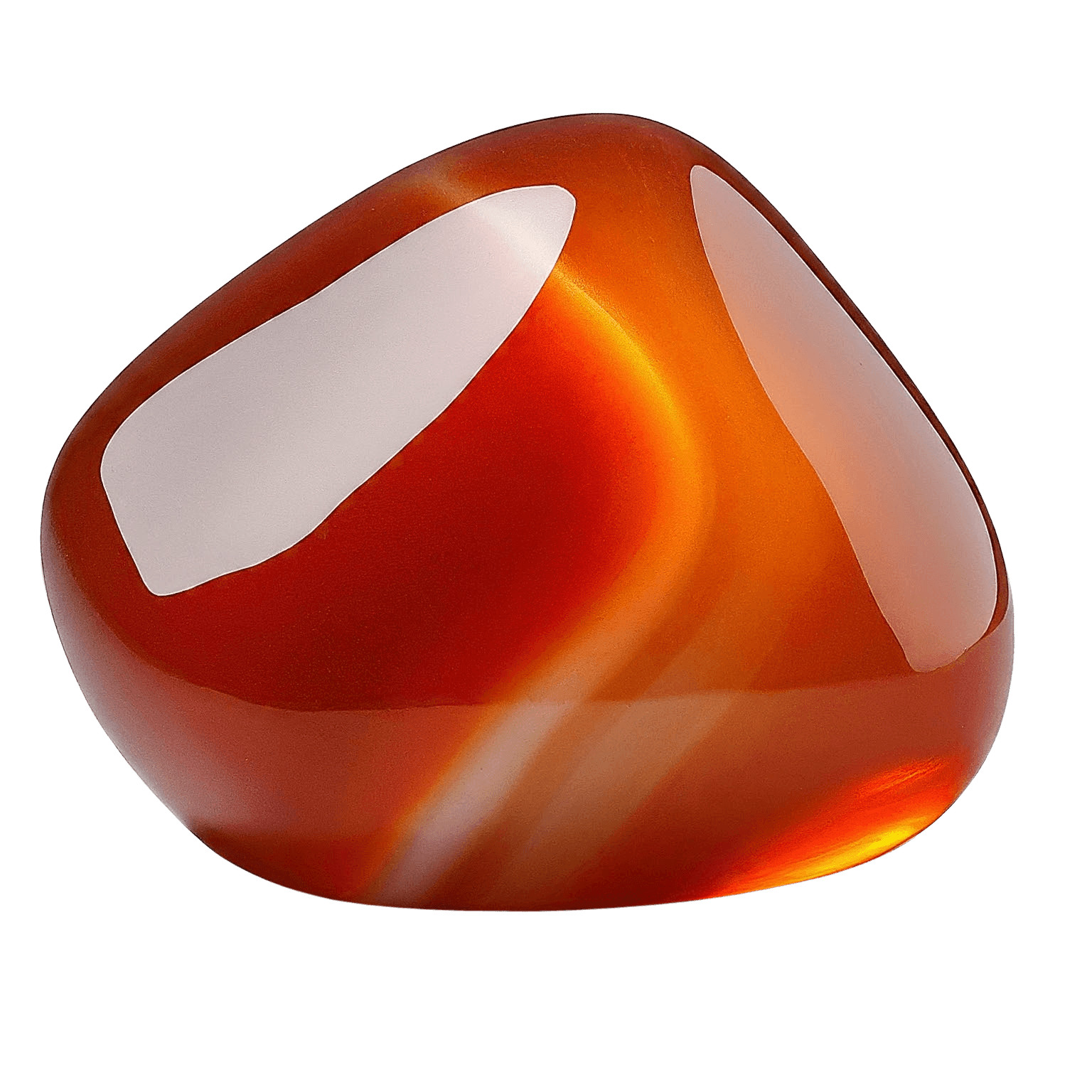
Apricot Agate is a banded chalcedony in soft peach, apricot, and cream tones, its warm color coming from a little iron in the silica layers. Hold this stone and notice a cozy, sun-warmed comfort, like late-afternoon light. In the crystal-healing tradition Apricot Agate is used for gentle nurturing, soothing worry, and warming the heart and sacral centers together. Like all agates it is a durable quartz, safe with a brief rinse, though I keep it out of very long sun to preserve the soft color.
Also catalogued as Peach Agate and Apricot Banded Agate, whether it is your first stone or your fiftieth, Apricot Agate tends to find its role quickly, and calm is the natural place to begin.
History and Mythology
Apricot Agate is a lapidary trade name, a label coined by the modern stone trade rather than a species recognized by mineralogy. The material is real and the minerals inside it are ancient, but the name and the lore both date to living memory. We flag that openly: a stone does not need a borrowed past to be worth working with, and this one, sourced from Botswana, Brazil, and India, stands on its own.
In modern astrological correspondence Apricot Agate is linked with Cancer and Taurus, with Venus ♀ named as its planetary ruler. Practitioners who keep these tables often work the stone hardest during those sun-sign seasons, especially for calm.
Whatever the age of the name, the geology is patient: every piece of Apricot Agate took shape over geological timescales, arriving at its Mohs 7 hardness through slow heat, pressure, and chemistry long before any hand reached for it.
Apricot Agate Meaning and Metaphysical Properties
First Touch
The first touch of Apricot Agate is cooler than you expect, and the apricot polish is slick as bottle glass. Mohs 7 stones hold their temperature, and that slow warming is part of their character. Give the first half minute to your breathing and to nothing else. Whatever the exhale is doing, let it do that; the noticing is the whole of the practice.
Primary Properties
Quiet runs through every association Apricot Agate holds: calm, self-love, stress relief, and heart healing. These are the properties of the slow hours, before sleep, between tasks, after difficulty, and their evidence is gentle by nature. Many people find the work almost too subtle to name at first, which is exactly the family style.
How Crystal Energy Works
The low belly is where tradition stations Apricot Agate: the Sacral center, home of appetite and creative current, with calm as its natural brief. Keep the work warm and informal, hip pockets and low-belly placements, naming calm, self-love, and stress relief without making a production of it. Placement over promises is how Judy Hall handles the calming family; her entries point to the nightstand, the meditation corner, the hard-day pocket, and stop short of guarantees.
Amplification Through Intention
The Earth designation means Apricot Agate favors repetition: daily handling, a fixed home on the shelf, the calm intention restated in plain words. That steadiness is the whole method.
Healing Benefits
Emotional Support
Apricot Agate speaks quietly on the emotional level: calm, self-love, and stress relief are its register. It suits the frayed hours best, the late-afternoon overload, the mind that will not stop at midnight, when a steady weight in the hand gives the spinning somewhere to set down. These are traditional calm associations rather than medical claims; for anything heavy or persistent, a qualified professional belongs in the picture alongside any stone.
Spiritual Connection
Apricot Agate serves the contemplative end of rest: the review before sleep, the body scan, the unclenching that lets quieter knowing surface. Tradition treats the stillness itself as the spiritual practice here, and the stone as its paperweight.
Physical Presence
Physically, Apricot Agate belongs to the slow systems: steady meals, regular sleep, the unglamorous maintenance that calm actually rests on. Keep it where the routines happen as a quiet vote for keeping them; anything clinical belongs with clinicians.
Chakra Connection
Apricot Agate resonates most strongly with the Sacral (Svadhisthana), the energy center traditionally drawn in orange and the traditional seat of this stone's calm work. When this center runs clear, the classical markers are warmth of feeling, comfort in the senses, and a ready creative current; calm, self-love, and stress relief are what Apricot Agate is most often asked to bring to it.
Lie down somewhere comfortable with Apricot Agate within reach and let the breath find its own pace; that unmeasured, uncounted sitting is the classic session recorded for calm.
Apricot Agate also keeps a working line to the Heart (Anahata), which widens its range in layouts; let the primary placement lead, and add the second position once the first feels familiar.
Zodiac and Astrological Connection
Astrological tradition links Apricot Agate with Cancer ♋ (Jun 21 to Jul 22) and Taurus ♉ (Apr 20 to May 20), and practitioners often suggest the stone meets Cancer placements with the least friction.
Correspondence is a suggestion, not a bouncer; plenty of devoted Apricot Agate keepers have no Cancer in their chart at all, and being drawn to the stone is the credential that matters.
Venus ♀ rules Apricot Agate in this tradition, so practitioners time their longer sessions to that planet's active periods, especially for calm.
How to Use Apricot Agate
These are the five ways of working with Apricot Agate I suggest most often. Begin wherever your attention goes first; the sequence matters far less than starting.
- 1
Meditation Hold
Take up Apricot Agate and register the first cool touch; a glassy stone at Mohs 7 warms slowly, and tracking that gradual change is a meditation in itself.
- 2
Body Placement
The Sacral center is where the chakra tradition stationed stones like Apricot Agate. Lie back, settle it at that seat, and hold the stone in your attention the way you would hold a piece of music you are still learning. Warmth and patience are what the old texts described as the method for calm, and they described nothing beyond it.
- 3
Sleep Companion
At night, park Apricot Agate on the nightstand rather than working it; its job is the day's calm, and ending the day cleanly is how tomorrow's session starts well.
- 4
Carry With You
On the days that will not let up, give Apricot Agate a spot within arm's reach and touch it slowly once an hour or so; each contact is a thirty-second stand-in for the break that is not coming, and that is how calm travels.
- 5
Crystal Grid Anchor
Set Apricot Agate at the center of a grid built for calm and ring it with Carnelian and Agate Moss at the points. Speak the intention once as you place each stone; a grid is a sentence written in minerals, and saying the calm aloud is the punctuation.
How to Cleanse and Charge
A worked stone needs clearing, and Apricot Agate is no exception; practitioners describe an uncleansed crystal as muffled, present but quieter than it should be. For the full safety profile and the cadence I recommend, see the dedicated Apricot Agate care guide.
- 1
Moonlight
Give Apricot Agate a night outdoors or at the glass under a bright moon; the tradition holds moonlight to be the universal reset, slow, cool, and risk-free.
- 2
Selenite
Lay Apricot Agate on a selenite plate or alongside a selenite wand overnight; selenite is the tradition's self-cleaning shelf, no effort, no risk to the stone.
- 3
Sage
Smoke-cleanse Apricot Agate: light the sage, let it settle to a smolder, and move the stone through the rising smoke until your sense of it lightens, usually under a minute.
- 4
Sound
Sound-cleanse Apricot Agate by striking a bowl or bell, letting each tone fade completely before the next; the vibration does the clearing, and no contact is needed.
- 5
Water
Run cool water over Apricot Agate while turning it slowly; when the surface feels fresh under the thumb, dry it well and let it rest before its next use.
How often to cleanse
I recommend cleansing Apricot Agate at least once a month, more frequently if you're using it daily or during emotionally intense periods. You'll also learn to feel when a stone needs cleansing; it may feel heavier, duller, or simply “off.”
Charging after cleansing
After cleansing, charge Apricot Agate by setting it on a selenite plate overnight or bathing it in full moonlight. This restores its energetic vitality.
Crystal Pairings
Apricot Agate pairs best with stones that respect its quiet; loud amplifiers defeat the point. The traditional combinations keep the register low and slow, which is where this stone does its calm work. If a pairing feels busy rather than restful, trust that and separate them.
How to Spot Real vs Fake Apricot Agate
Imitations of Apricot Agate exist because demand does. A few hands-on checks separate genuine apricot material from glass, resin, and dye:
Temperature: genuine Apricot Agate feels distinctly cool at first touch and gives that coolness up slowly; resin copies feel warm almost immediately, which is the quickest tell there is.
Weight: real Apricot Agate should feel like stone rather than plastic pretending; if a palm-sized piece feels nearly weightless, walk away from it.
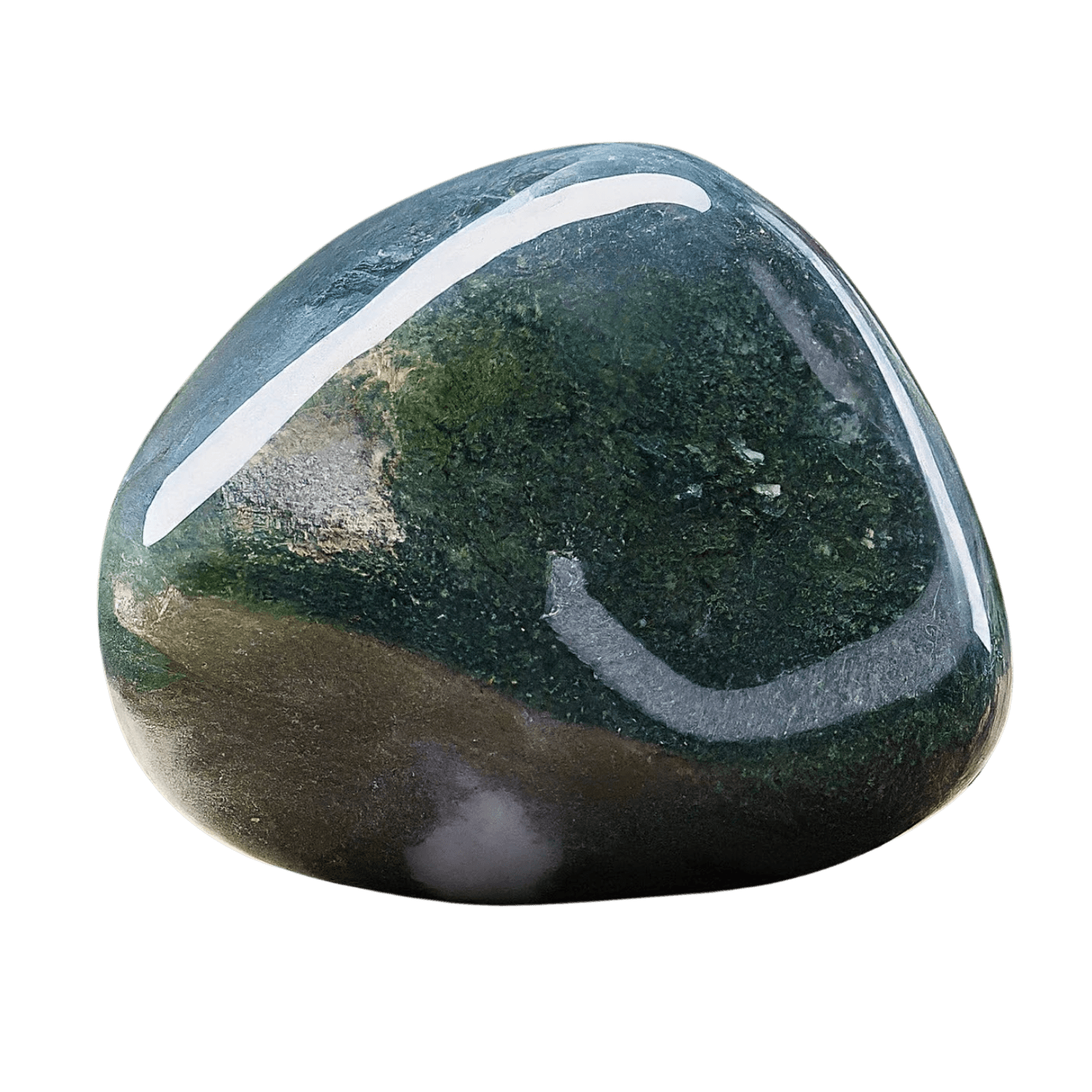
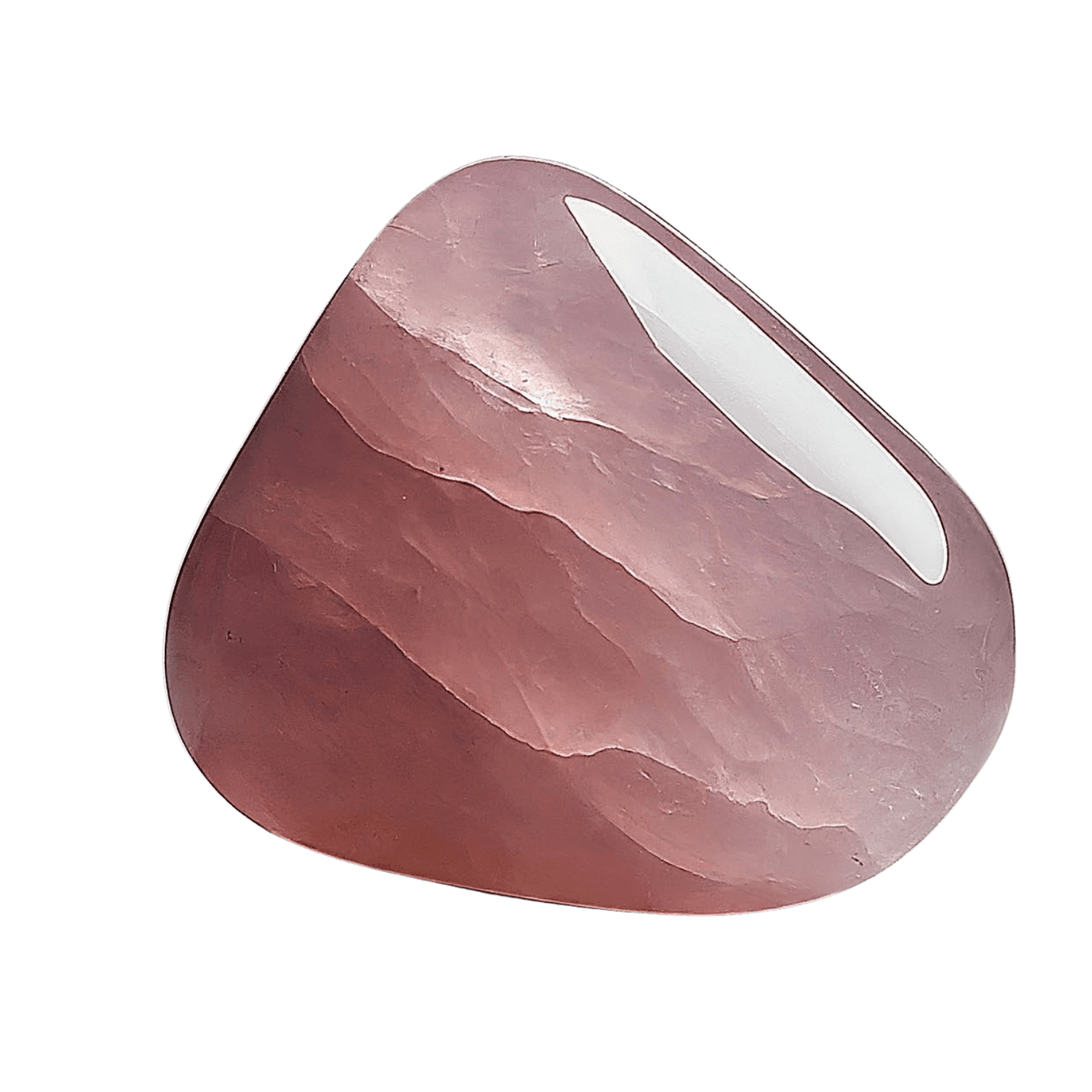
Color and pattern: natural Apricot Agate runs apricot, peach, or cream, with variation from piece to piece; perfectly uniform color across a whole tray is the classic mark of dye or synthetics.
Price reality: the fair range for Apricot Agate sits near $7 to $26 at palm size; below that, assume treatment or imitation until the seller proves otherwise.
Trust your source: provenance beats any hands-on check; ask where the Apricot Agate was mined, whether the apricot material is treated, and expect straight answers. That standard is why CrystalStones.com ships every piece with its provenance.
Bring it home
Shop Apricot Agate
Ethically sourced, hand-selected Apricot Agate starting from $7.
Shop Apricot AgateFrequently Asked Questions
What is Apricot Agate good for?
Apricot Agate is traditionally associated with calm, self-love, stress relief, and heart healing. Many people find it supportive for calm and for working with the Sacral and Heart chakras.
Can Apricot Agate go in water?
Yes, Apricot Agate tolerates water; at Mohs 7, a one to two minute rinse is fine. Dry it afterward and skip long soaks, which no tumbled stone loves.
Can Apricot Agate be in the sun?
Not for long. Apricot Agate holds delicate apricot color that extended sun exposure can bleach; charge it overnight in moonlight or on selenite instead.
What chakra is Apricot Agate?
Apricot Agate is primarily associated with the Sacral (Svadhisthana) and Heart (Anahata) chakras. Keep it at the sacral seat while lying down, or carry it at hip level; that station is where tradition aims its calm work.
What zodiac sign is Apricot Agate for?
Apricot Agate is traditionally connected to Cancer and Taurus. If your signs differ, work with Apricot Agate anyway; resonance in the hand outranks resonance on paper in every practical tradition.
How do I cleanse Apricot Agate?
The best methods for Apricot Agate are Moonlight, Selenite, and Sage. Durable agate (quartz). Brief rinse is fine; keep out of prolonged sun to protect the soft peach color.
Is Apricot Agate real or fake, how can I tell?
Genuine Apricot Agate feels cool at first touch and warms slowly; at Mohs 7 it also resists the pocket scratches that mark softer fakes. Expect natural variation in its apricot coloring and a price near $7 to $26 for tumbled pieces; uniform color at a bargain price is the classic warning sign.
What’s Next?
A few thoughtful next steps if Apricot Agate is calling to you.
The Crystal Starter Library
A free guide from Crystal Cassandra: the twelve stones that cover almost everything, a one page care matrix for water, sun and salt, and how to build a first intention practice.
We respect your inbox. Unsubscribe anytime.
Explore More Tools
Crystal Quiz
Discover which crystal matches your energy right now.
Open →Chakra Test
Find which chakras need attention and the crystals to balance them.
Open →Crystal Cleansing Guide
Learn how to safely cleanse and charge your crystals.
Open →Crystals by Intention
Find the perfect crystal for what you need right now.
Open →