
Quick Answer
Aegirine is a black crystal used in modern crystal healing for protection, grounding, and banishing negativity. It measures 6 on the Mohs hardness scale and typically costs $10 to $32 for a tumbled stone. In the chakra tradition, Aegirine is associated with the Root chakra.
Worth knowing: The Norwegian priest and mineralogist Hans Morten Thrane Esmark found it on the shore of the Langesundsfjord in the 1830s, and it was named for Aegir, the Norse god of the sea, because the discovery site lay at the water's edge.
“A dark sodium-iron pyroxene of grounding and protective focus.”
- Chakra
- Root (Muladhara)
- Zodiac
- Scorpio ♏, Capricorn ♑
- Element
- Earth 🌍
- Planet
- Saturn ♄
- Hardness
- 6 / 10 (Mohs)
- Colors
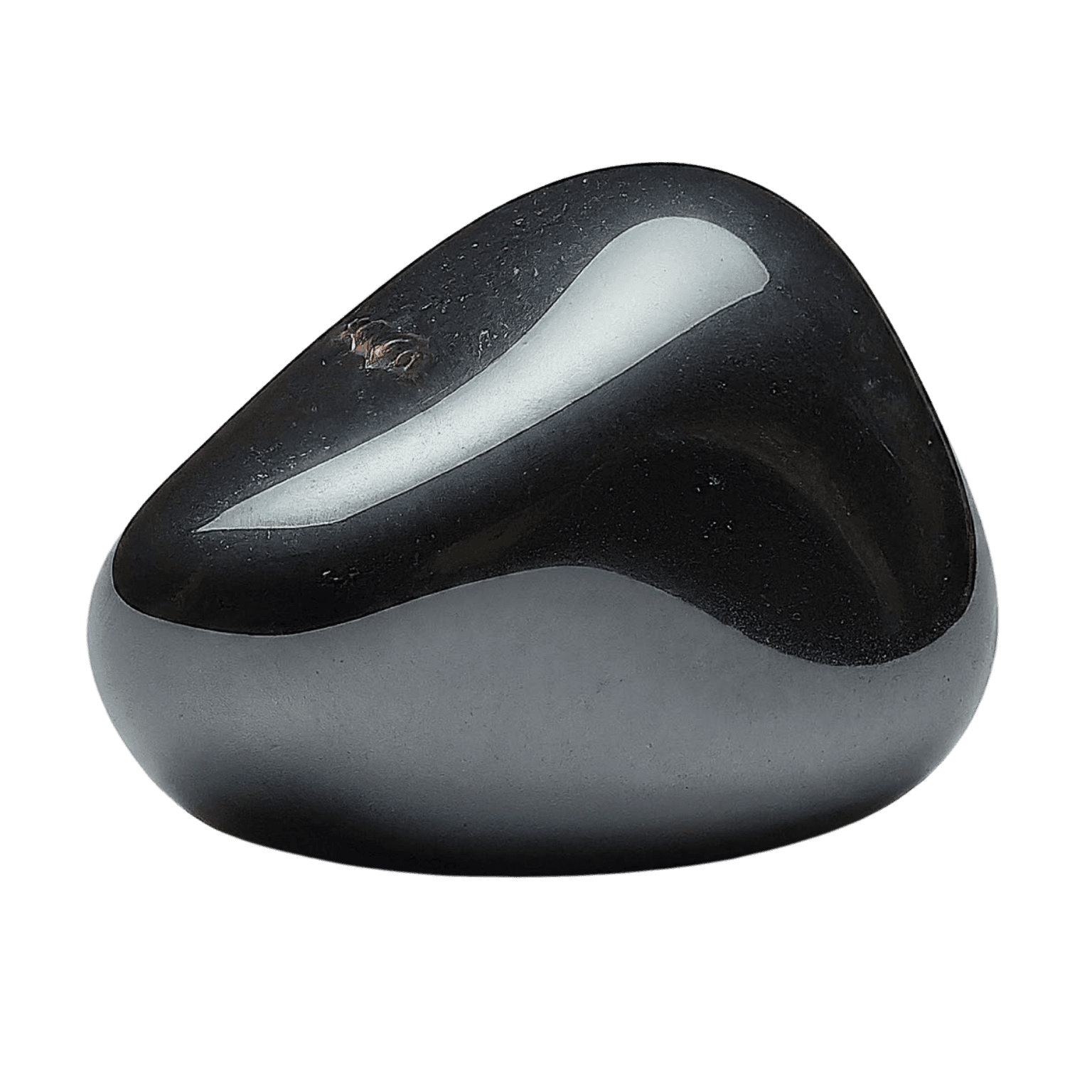
- Black, Dark green, Greenish black
- Origin
- Canada, Norway, Greenland, Russia
- Price Range
- 10 to 32
Care + Safety
Aegirine at a glance
- Water: brief rinse safe
- Sun: tolerates sunlight charging
- Mohs hardness: 6 (occasional wear only)
What is Aegirine?
Aegirine forms glossy blackish-green blades of sodium iron pyroxene, hardness about 6, grown in alkaline igneous rocks such as the syenites of Norway, Greenland, and Russia's Kola Peninsula.
Aegirine measures 6 on the Mohs scale and shows black, dark green, or greenish black coloring. Practitioners shelve it with the keeper stones at the protective end of the catalog, where protection, grounding, and banishing negativity are the standing requests.
The stone connects primarily to the Root (Muladhara) chakra, carrying Earth energy. Sources include Canada, Norway, Greenland, and Russia; deposit matters more than beginners expect, and collectors learn to recognize where a piece of Aegirine was mined by its color depth and pattern.
Aegirine is a sodium iron silicate of the pyroxene family, forming long, glassy black to greenish-black prisms. Hold this stone and notice how much scattered attention its weight alone can gather. In my practice I reach for Aegirine when someone needs a clear, grounded boundary around their own energy.
Also catalogued as Acmite, this is a stone that rewards regular handling more than display. Give Aegirine a week of protection duty in the pocket before deciding what it is for.
History and Mythology
There is no credible ancient chapter to tell about Aegirine. The species was described by modern science, and its associations with protection were assigned by contemporary practitioners reading its color, structure, and feel. What the stone lacks in legend it makes up in geology, which asks for no embellishment; deposits worked today lie in Canada, Norway, and Greenland.
The correspondence tables used by today's practitioners assign Aegirine to Scorpio and Capricorn under the rulership of Saturn ♄. In that system, work centered on protection is said to land best while those signs are in season.
Hold the two timescales side by side, centuries of human use at most against epochs of formation behind every Mohs 6 specimen of Aegirine; the deep time is the one part no marketing can inflate.
Aegirine Meaning and Metaphysical Properties
First Touch
The first touch of Aegirine is cooler than you expect, and the black polish is slick as bottle glass. Mohs 6 stones hold their temperature, and that slow warming is part of their character. While it rests in your hand, let attention drop to wherever your body meets the floor; the grounding stones speak in weight first and words never.
Primary Properties
Aegirine keeps a guard-duty property list: protection, grounding, banishing negativity, and focus. What the protective family teaches is edges, where you stop, where the room starts, and the settled breath that comes from knowing the difference. Take the list as shorthand from tradition and let your own steadiness define the assignment.
How Crystal Energy Works
Aegirine belongs to the Root center in the traditional reading, the body's anchor point, where protection is the standing request. Sessions at this center stay low and slow-paced, seated comfortably, and protection, grounding, and banishing negativity name the long assignment. Melody's Love Is in the Earth describes the grounding stones through the root connection, the energetic cord she pictures running from the base of the spine into the earth itself.
Amplification Through Intention
Earth stones such as Aegirine are traditionally treated as keel rather than sail; they hold a protection course. Give the assignment once, clearly, and then let routine carry it.
Healing Benefits
Emotional Support
On the emotional level, tradition hands Aegirine the boundary work: protection, grounding, and banishing negativity, the felt sense of having walls that hold. It earns its keep on the days when other people's storms blow through you too easily. As with all crystal healing, protection support from a stone is reflective practice rather than medicine; significant emotional concerns deserve qualified human help.
Spiritual Connection
In spiritual work Aegirine plays the doorkeeper: it is the stone tradition assigns to opening and closing practice, the grounding breath before inner work and the deliberate return after. Boundaries, in this family, are a devotion of their own.
Physical Presence
Tradition reads Earth stones like Aegirine through the soles of the feet: stance, weight, the felt fact of standing somewhere while you work on protection. Try standing barefoot with the stone in hand when the day goes abstract; the practice is awareness, not medicine.
Chakra Connection
Aegirine resonates most strongly with the Root (Muladhara), the energy center traditionally drawn in red and the traditional seat of this stone's protection work. When this center runs clear, the classical markers are safety, stability, and groundedness; protection, grounding, and banishing negativity are what Aegirine is most often asked to bring to it.
Work it seated and slow; put Aegirine on the floor where your gaze lands, feet flat, and breathe down toward it. Root work is the least dramatic chakra work there is, which is exactly why protection grows well in it.
Zodiac and Astrological Connection
In the modern correspondence tables Aegirine is assigned to Scorpio ♏ (Oct 23 to Nov 21) and Capricorn ♑ (Dec 22 to Jan 19); a Sun, Moon, or rising placement there is read as a head start with this stone, nothing more.
Correspondence is a suggestion, not a bouncer; plenty of devoted Aegirine keepers have no Scorpio in their chart at all, and being drawn to the stone is the credential that matters.
Saturn ♄ rules Aegirine in this tradition, so practitioners time their longer sessions to that planet's active periods, especially for protection.
How to Use Aegirine
Here are five ways I recommend working with Aegirine. Start with whichever feels most natural, there's no wrong entry point.
- 1
Meditation Hold
Begin the sit with Aegirine against the skin and use its coolness as the focus; at Mohs 6 it holds that freshness for a while before giving in to body heat.
- 2
Body Placement
Hip level when reclining, floor level when seated, that is where the chakra charts kept a Root stone like Aegirine. Nothing here is meant to be strenuous. Set the stone down, stay a while, and see where your attention keeps going back to. The protection heading belongs to the tradition, and it stays a tradition rather than a promise.
- 3
Sleep Companion
Aegirine can still earn the nightstand even though its brief is protection rather than rest: setting the stone down as you set the day down marks the switch from doing to sleeping.
- 4
Carry With You
For the loud days, packed trains, hard meetings, difficult rooms, Aegirine earns its pocket space. The brief touch becomes a perimeter check, a reminder that protection is portable.
- 5
Crystal Grid Anchor
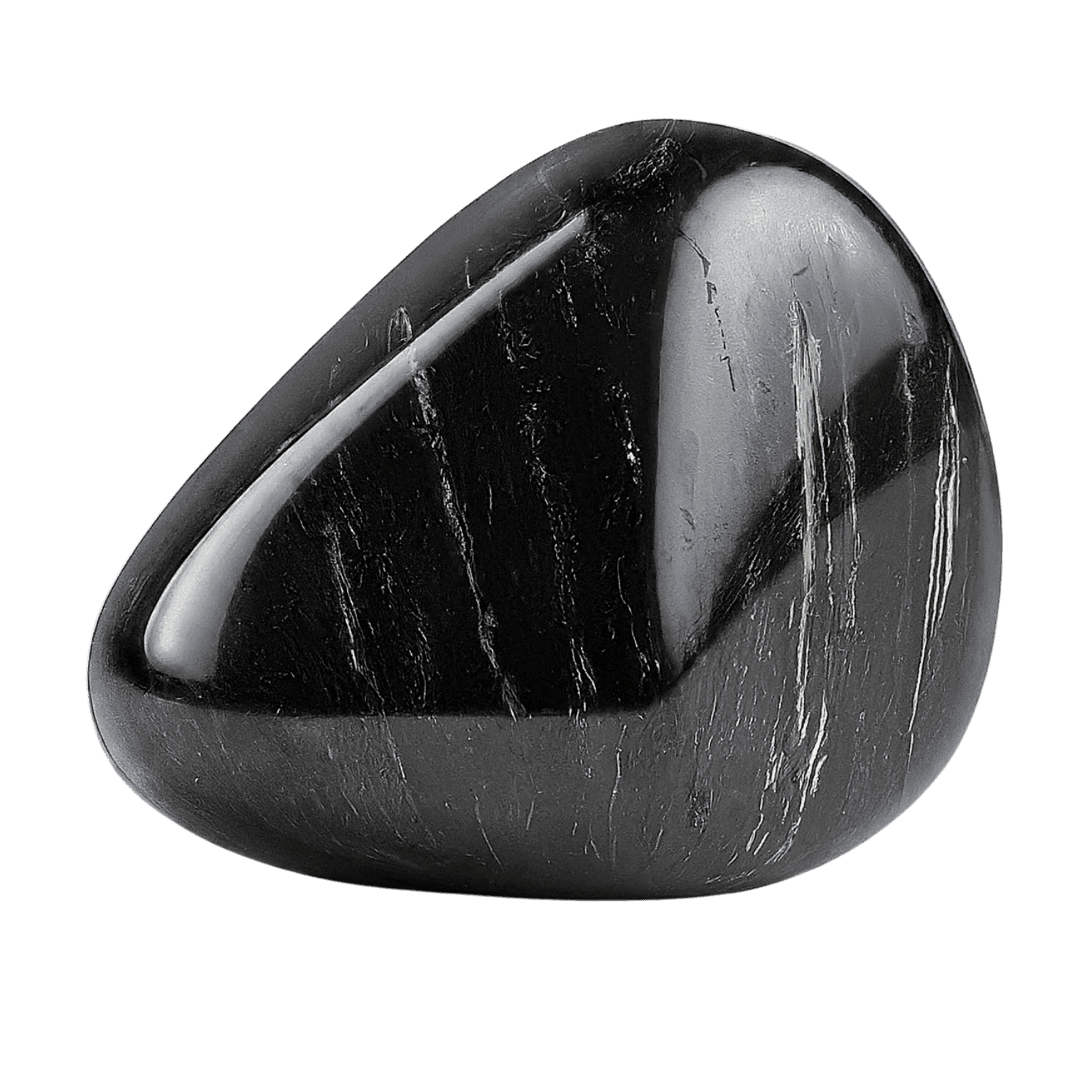
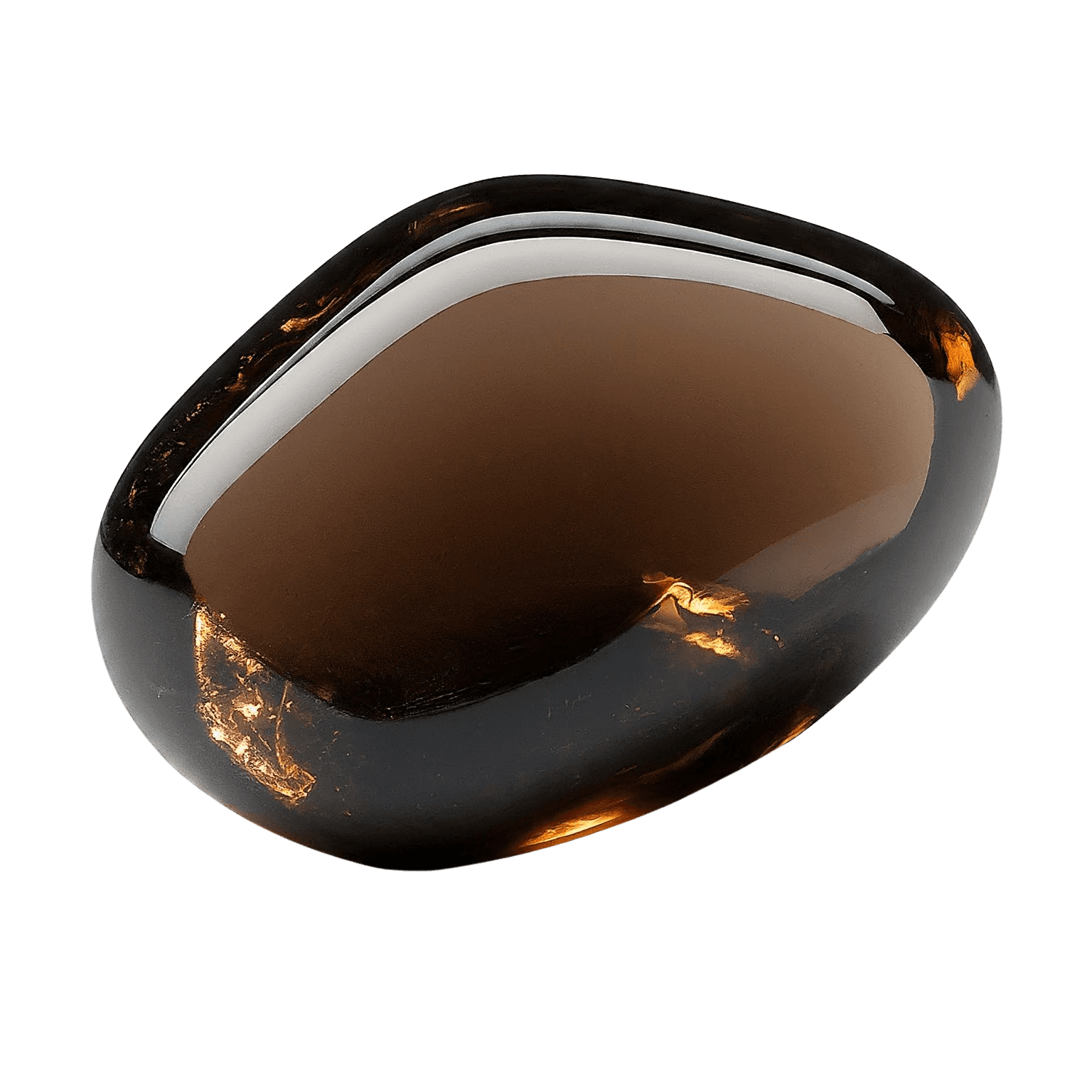
For grid work, give Aegirine the anchor position and run Black Tourmaline and Smoky Quartz on the outer points, all matched to a single protection intention. Rebuild it when it goes stale; a protection grid you have stopped seeing has stopped working.
How to Cleanse and Charge
Aegirine works best when it is cleansed on a rhythm; tradition pictures a stone absorbing what it meets, and a saturated stone has nothing left to give. The complete water, sun, and salt safety profile, plus the storage instructions I give my clients, lives in the dedicated Aegirine care guide.
- 1
Water
A short rinse cleanses Aegirine: cool water, gentle rotation, sixty seconds, towel dry. Keep it brief; even water-safe stones prefer not to soak.
- 2
Moonlight
Give Aegirine a night outdoors or at the glass under a bright moon; the tradition holds moonlight to be the universal reset, slow, cool, and risk-free.
- 3
Sage
Pass Aegirine through the smoke of white sage or rosemary for about thirty seconds, turning it so the smoke wraps every face, while you hold a clear intention of release.
- 4
Sound
Sound-cleanse Aegirine by striking a bowl or bell, letting each tone fade completely before the next; the vibration does the clearing, and no contact is needed.
- 5
Earth
Give Aegirine twenty-four hours in the ground, with the spot marked so you can find it again; earth burial is the slow, thorough cleanse for stones that feel truly saturated.
How often to cleanse
Give Aegirine a clearing at least every month, and sooner after hard weeks or heavy daily use. The stone will teach you its own signal in time; most people describe it as dullness, weight, or a sense the stone has gone quiet.
Charging after cleansing
Once it is cleansed, recharge Aegirine by placing it in morning sunlight for 30 minutes; cleansing empties the stone, charging refills it.
Crystal Pairings
Wall-building is the right metaphor for pairing Aegirine: mass in one stone, lookout in the other. Tradition divides its partners along that line, the holders and the watchers. A brief two-stone hold before committing tells you what you need; ease is approval.
How to Spot Real vs Fake Aegirine
Imitations of Aegirine exist because demand does. A few hands-on checks separate genuine black material from glass, resin, and dye:
Temperature: genuine Aegirine feels distinctly cool at first touch and gives that coolness up slowly; resin copies feel warm almost immediately, which is the quickest tell there is.
Weight and density: resin fakes run light for their size, while genuine Aegirine at Mohs 6 carries honest mineral density; weigh it in the palm against any real tumbled stone you own.
Color and pattern: the real range is black, dark green, or greenish black; treat neon saturation or flawless uniformity as a question for the seller, because nature rarely manages either.
Price: expect $10 to $32 for a decent tumbled or palm piece of Aegirine; dramatic discounts mean dye, resin, or mislabeling more often than they mean luck.
Trust your source: buy Aegirine from sellers who can name the mine or region behind their black stock and disclose treatments without being chased. At CrystalStones.com every piece is ethically sourced with full provenance.
Frequently Asked Questions
What is Aegirine good for?
Aegirine is traditionally associated with protection, grounding, banishing negativity, and focus. Many people find it supportive for protection and for working with the Root chakra.
Can Aegirine go in water?
It can. Aegirine handles brief water contact without trouble at Mohs 6, and a short rinse under cool water makes a sound regular cleanse. Dry it afterward and skip long soaks, which no tumbled stone loves.
Can Aegirine be in the sun?
Sun is fine for Aegirine. A half hour of direct morning light both cleanses and charges it, and the black tones are stable enough to take it.
What chakra is Aegirine?
Aegirine is primarily associated with the Root (Muladhara) chakra. Low placements serve it best, the hips or the floor between seated feet, since that is where root-center protection work traditionally happens.
What zodiac sign is Aegirine for?
Aegirine is traditionally connected to Scorpio and Capricorn. That said, the zodiac correspondence is an invitation rather than a requirement; any chart can work with Aegirine, and attraction to the stone matters more than the calendar.
How do I cleanse Aegirine?
Stick to Water, Moonlight, and Sage for Aegirine; those are the methods its care profile recommends. A quick rinse remains an option at Mohs 6, but the listed methods are the ones that should carry the regular routine.
Is Aegirine real or fake, how can I tell?
Genuine Aegirine feels cool at first touch and warms slowly; at Mohs 6 it also resists the pocket scratches that mark softer fakes. Expect natural variation in its black coloring and a price near $10 to $32 for tumbled pieces; uniform color at a bargain price is the classic warning sign.
What’s Next?
A few thoughtful next steps if Aegirine is calling to you.
The Crystal Starter Library
A free guide from Crystal Cassandra: the twelve stones that cover almost everything, a one page care matrix for water, sun and salt, and how to build a first intention practice.
We respect your inbox. Unsubscribe anytime.
Explore More Tools
Crystal Quiz
Discover which crystal matches your energy right now.
Open →Chakra Test
Find which chakras need attention and the crystals to balance them.
Open →Crystal Cleansing Guide
Learn how to safely cleanse and charge your crystals.
Open →Crystals by Intention
Find the perfect crystal for what you need right now.
Open →