By Crystal Cassandra · Updated August 3, 2026
Crystal Healing Expert
What crystals are in the Grief Healing Kit?
The Grief Healing Kit pairs Apache Tear (a form of Obsidian), Rose Quartz, Smoky Quartz, Lepidolite, and Rhodonite, five stones classical sources name for grief work and emotional repair after loss. In traditional crystal-healing practice, this combination supports the slow, non-linear journey through grief, including the grief of death, divorce, lost identity, or major life transition.
Key Takeaways
- Five stones traditionally associated with grief, loss, and slow emotional repair
- Apache Tear (a form of Obsidian) is classically named the grief stone in many traditions
- The kit honors grief as non-linear and patient, not something to push through quickly
- Crystals support the grief journey; they do not replace community, ritual, or professional bereavement care
- Many people find that different stones meet them on different days of the grief arc
Suggested Bundle
Grief Healing Kit
Five stones paired for grief work, loss, transition, and the slow emotional repair after major loss.
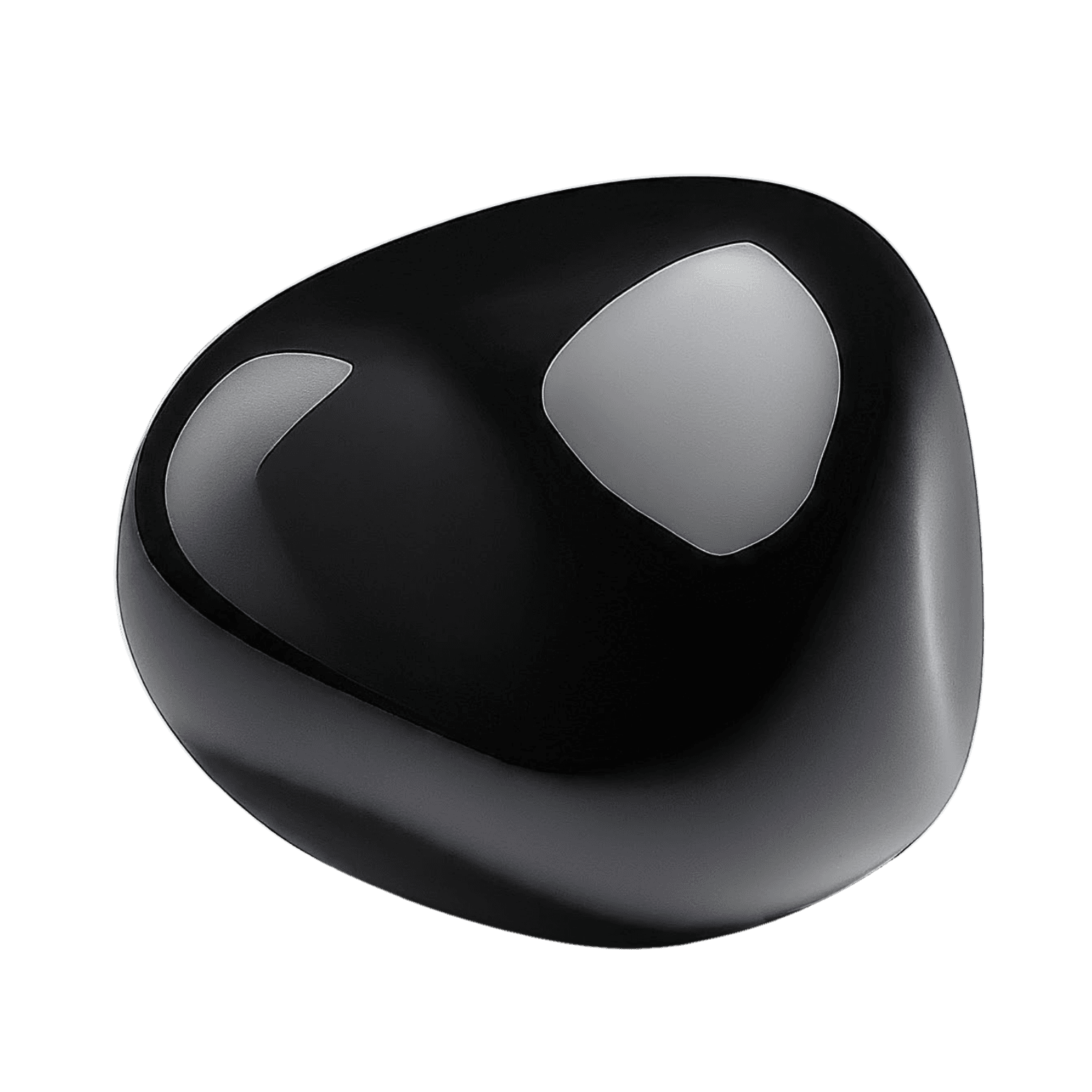
Apache Tear
Primary grief companion
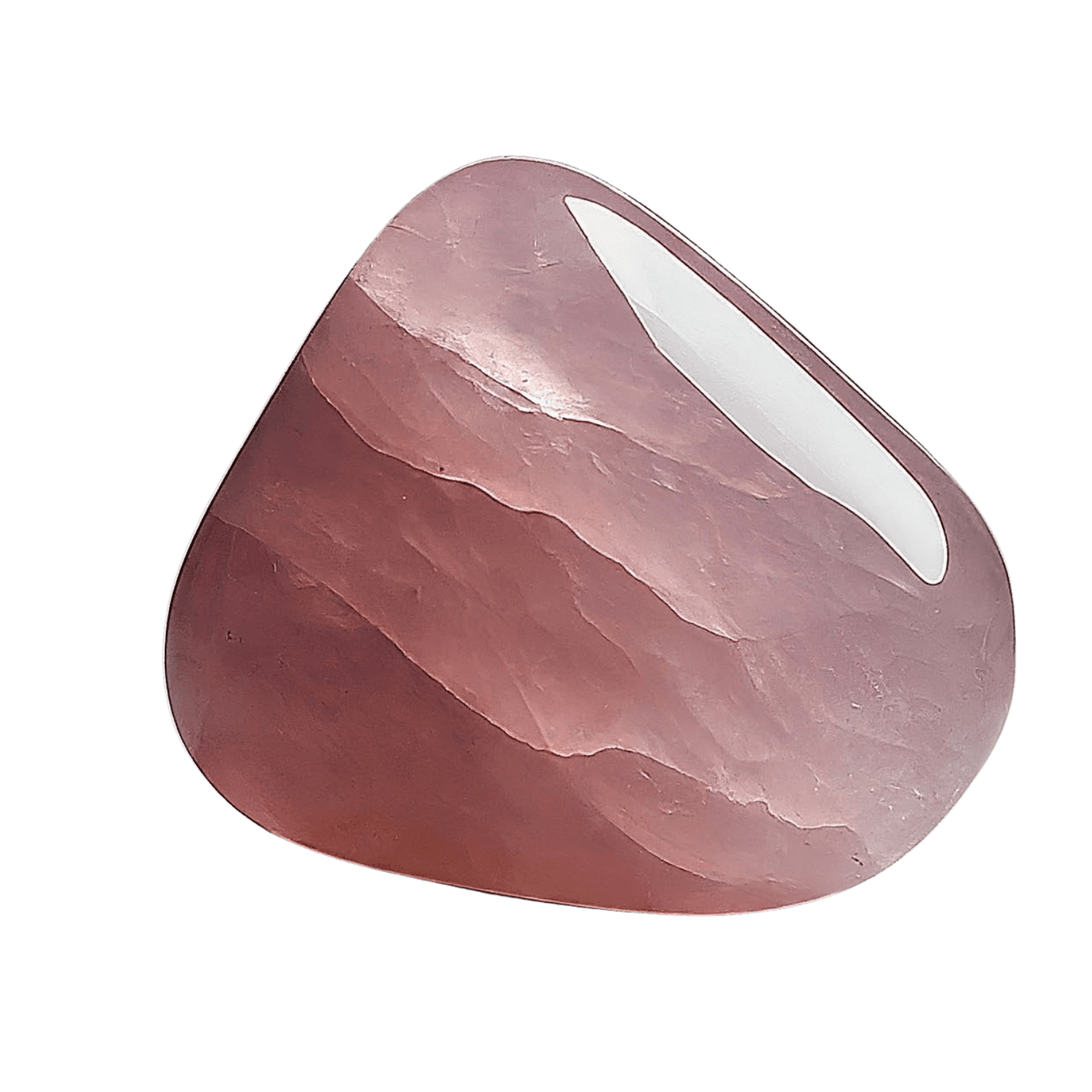
Rose Quartz
Self-compassion in grief
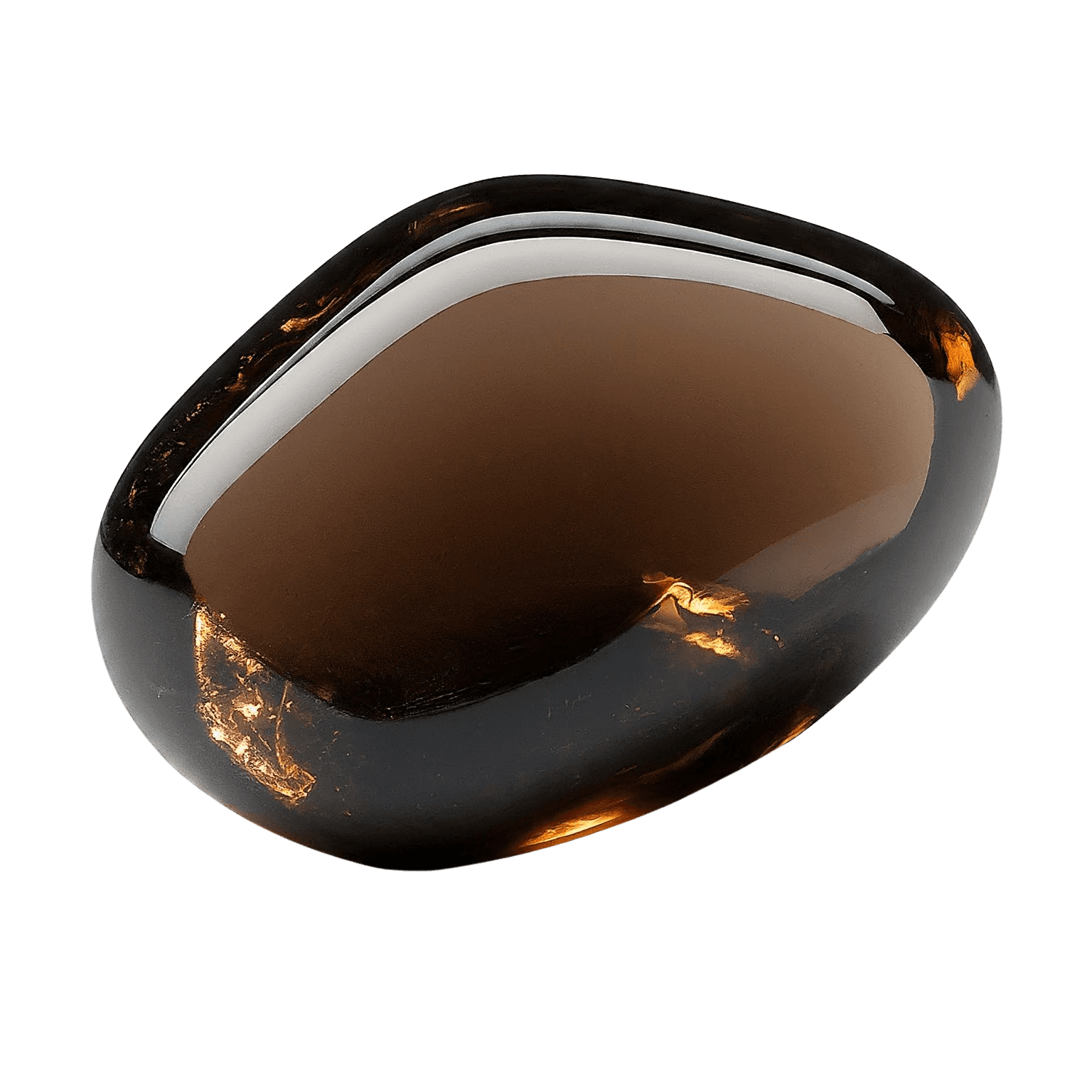
Smoky Quartz
Grounding-when-overwhelmed stone
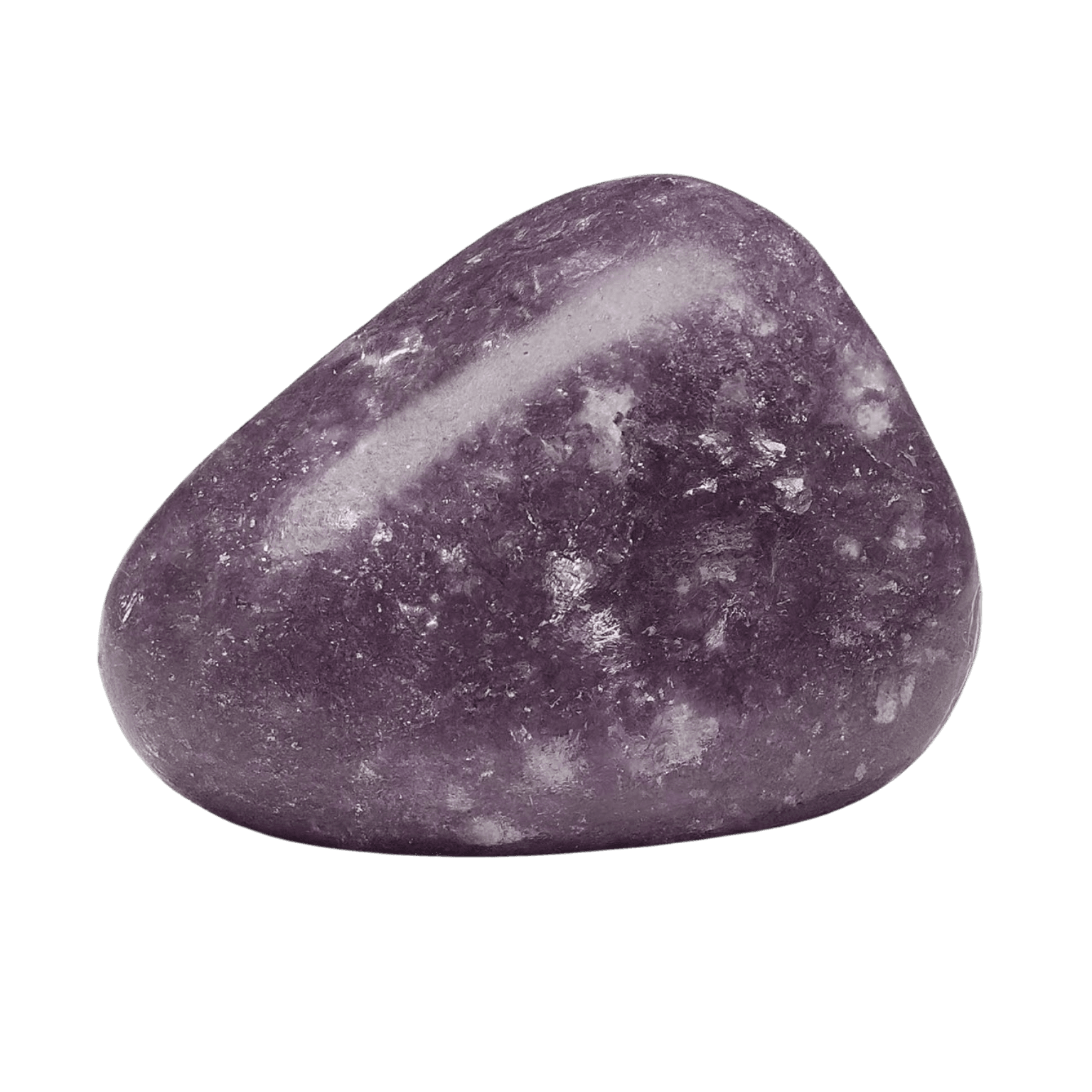
Lepidolite
Underlying calm current
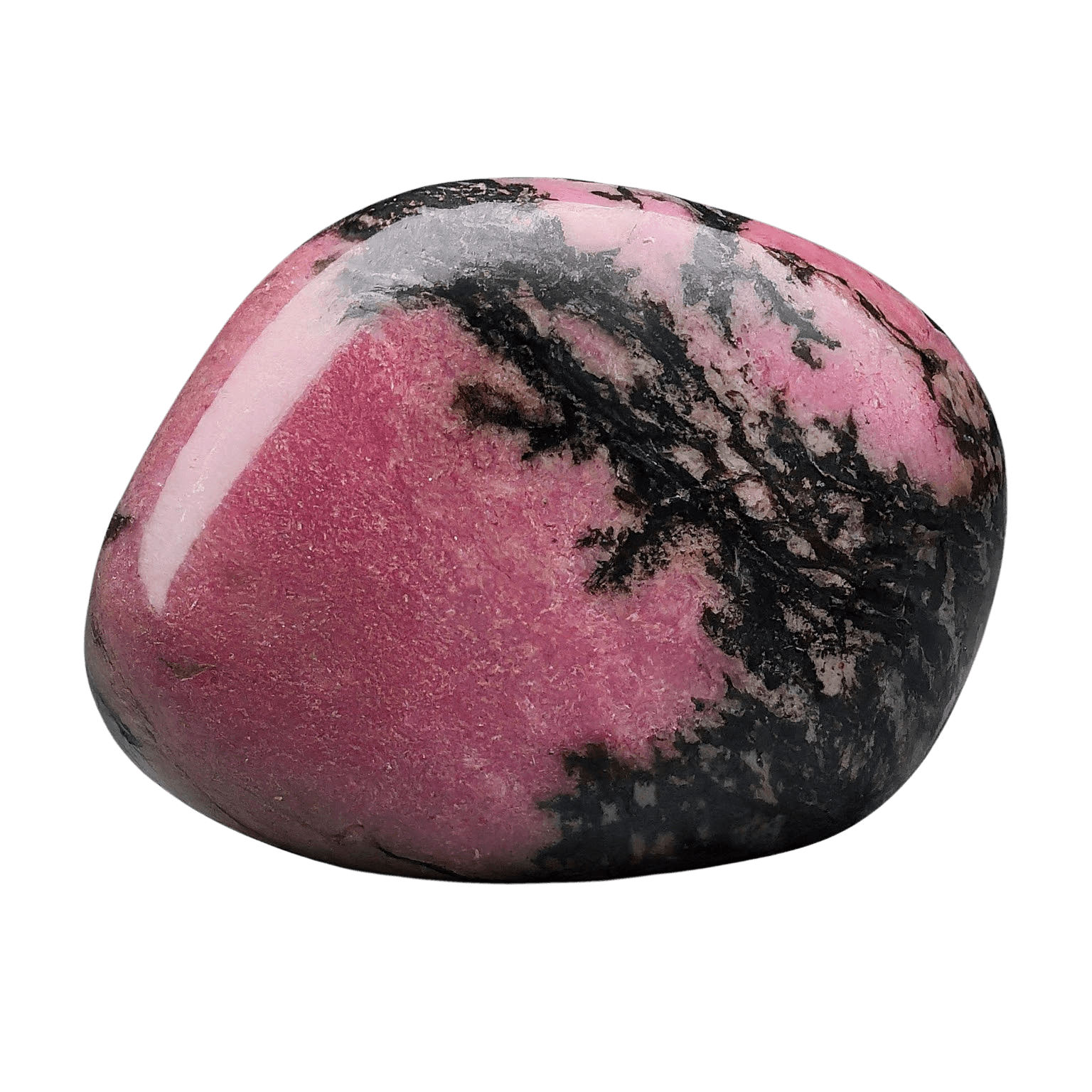
Rhodonite
Long-arc wound-tending stone
This kit is being assembled. Join the waitlist and Cassandra will email you the moment it ships.
Why these crystals work together
Judy Hall's *The Crystal Bible* presents Apache Tear, a translucent variety of Obsidian, as a grief stone connected to desert traditions, named for an Apache legend about women weeping for their lost warriors until their tears turned to stone. Cassandra carries this stone into the kit as the primary grief companion, the stone that knows tears are part of the work and does not try to rush them.
Rose Quartz contributes the unconditional self-compassion that grief requires, particularly the compassion to let the grief be what it is without trying to fix it. Smoky Quartz is the grounding-to-earth stone, framed in classical sources as the one that holds you when you cannot hold yourself. Lepidolite carries its quiet steadying presence underneath the whole kit, a companion through the exhausting months after loss. Rhodonite is the patient wound-tending stone for the longer arc of grief healing.
In my practice with clients moving through grief, this five-stone combination is one of the kits I work with most tenderly. Grief is not one feeling; it is many, often felt in close succession. The shock of fresh loss, the strange numb middle, the unexpected ambushes of feeling months later, the slow integration. Each stone meets a different part of that arc. Apache Tear for the tears themselves, Rose Quartz for the moments of needing kindness, Smoky Quartz for the grounding when grief feels overwhelming, Lepidolite for the exhausted days, Rhodonite for the long patient months.
The 5 stones in this kit
Apache Tear, a translucent form of Obsidian, is connected in classical sources to grief work and desert traditions. Cassandra carries it as the kit's primary stone for the active work of crying, mourning, and letting tears do what they came to do.
Rose Quartz is the classical stone of unconditional love and self-compassion. In grief, it offers the kindness toward yourself that the inner critic often forgets, the permission to grieve at the pace your heart requires.
Smoky Quartz is framed in classical sources as the stone that holds you when you cannot hold yourself. It is the kit's anchor during grief waves that threaten to overwhelm, particularly useful as a pocket stone in public.
Lepidolite is named in classical sources as a companion through the plain exhaustion that accompanies grief. Many people find it particularly useful at bedtime during the difficult months after a loss.
Rhodonite is described as the stone of 'the patient healing of old emotional wounds.' Its mottled pink and black appearance reflects what classical sources call the integration of light and shadow, which is precisely what long-term grief work asks.
How to work with the Grief Healing Kit
The ritual below is the one Cassandra uses in her own practice and recommends to clients new to bundle work. It can be done once as a setup ritual, then repeated weekly or aligned with the lunar cycle.
- 1
Build a grief-tending altar
Choose a quiet space that feels appropriate to your loss: a corner of the bedroom, a windowsill near a photograph of the person or thing lost, a private shelf. Place the five stones together. Cassandra suggests adding any other meaningful object: a photo, a piece of jewelry that belonged to them, a candle, a journal. The altar is not a memorial in the formal sense; it is a place to bring your grief consciously rather than carrying it everywhere.
- 2
Hold Apache Tear during crying
When tears come, reach for Apache Tear. The stone is small, often dark and translucent, and its name carries the recognition that tears are part of the work. Cassandra suggests not trying to stop crying or move through it quickly. The classical instruction is to let the tears do what they came to do. The stone is a witness.
- 3
Carry Smoky Quartz as a pocket anchor
Grief surges unpredictably. A meal you used to share, a song, a smell, a place. Carry Smoky Quartz in a pocket so you have something to hold in your hand when grief surprises you in public. Classical sources describe Smoky Quartz as a stone that grounds the practitioner when the ground gives way. Many people find the weight of the stone in their hand allows them to ride a grief wave without spilling completely.
- 4
Use Rose Quartz for self-compassion in low moments
Grief often comes with self-judgment: I should be further along, I should not still be crying, I should be able to function. When that voice comes, hold Rose Quartz. Cassandra suggests one sentence: 'Grief is not a problem I am failing to solve. It is the love I still have, finding its shape.' The stone witnesses this kinder framing. The practice is in repeating it, gently, when needed.
- 5
Honor anniversaries and milestones
Death anniversaries, birthdays of the lost, the date of a divorce or major loss, these dates carry weight. Cassandra suggests bringing the kit to these days deliberately: spending a few minutes at the altar, lighting a candle, holding each stone in turn, perhaps speaking aloud what the loss has meant. Many people find that consciously honored anniversaries hurt less than ambushed ones. The kit makes the conscious honoring more possible.
What to realistically expect
Grief is non-linear, and the kit does not make it linear. Many people find that the early days of fresh loss require Apache Tear and Rose Quartz most, while the middle and later arcs lean on Smoky Quartz, Lepidolite, and Rhodonite. Some people return to all five at different points across years. Classical sources describe this as the stones 'meeting the grief where it is in any given week.'
In grief this kit is not built for a breakthrough. It is built for company. The stones become small witnesses to the work the heart is doing in private. Many people find that the daily ritual of touching them, sitting at the altar for a few minutes, lets the grief move rather than calcify.
Grief that does not move (that remains acute years later, that interferes with daily function, that pairs with prolonged depression or thoughts of self-harm) requires professional support. The kit can sit alongside bereavement counseling or therapy, never in place of them.
Browse crystals for these intentions
Other crystal kits to explore
Frequently asked questions
How soon after a loss should I start using the kit?
Whenever you feel ready. Some people want the kit in the first days; others find that fresh grief is too raw for any structured practice, and the kit waits on a shelf until the practitioner can come to it. Cassandra suggests not forcing the timing. The stones are patient. A kit begun weeks or months after a loss, when the initial wave has passed and the longer work begins, is not a kit begun late.
Will this kit help me stop grieving?
No, and classical crystal sources do not promise that. The goal of grief work, as bereavement counselors often teach, is not to stop grieving but to develop a livable relationship with the grief over time. The kit supports the slow movement from acute pain toward integrated loss, from grief that interrupts everything to grief that has its own place in your life. That movement takes years, not weeks, and the kit accompanies it.
What kinds of loss is the kit appropriate for?
The kit works for any major grief: the death of a person, the end of a relationship, the loss of a pet, the closing of a significant chapter (a career, a home, an identity), the grief that arrives with bad news, the grief of estrangement. Different losses have different textures, but the underlying work, holding what was, opening to what is, is similar enough that the same kit can serve. Cassandra has used this kit with clients grieving everything from parents to careers to former selves.
Is it okay if I feel worse when I sit with the kit?
Yes, and many people do at first. The kit invites you to bring the grief consciously rather than avoid it. Classical sources describe this as the surfacing that has to happen before the integration. If the surfacing becomes overwhelming or persistent, please reach out to a bereavement counselor or therapist who can help you metabolize what is emerging. The kit accompanies the work; it does not replace skilled support.
Can I add a photo or personal item to the altar?
Yes, and many people do. The kit is more meaningful when integrated with the specific grief you are tending. A photograph, a piece of clothing, a piece of jewelry, a handwritten letter, a meaningful object. Cassandra suggests choosing one or two items rather than crowding the altar; the simplicity often deepens the practice. Change the items over time as the relationship with the loss changes.
When should I stop using the kit?
When it stops feeling needed. Many people find that the daily ritual fades naturally over months or years, replaced by occasional visits on anniversaries or difficult days. Some people transition the kit into a permanent memorial space; others put the stones away once the acute grief has integrated. There is no correct timeline. Let the kit's usefulness fade organically. The grief itself often does not end; it changes shape, and the kit can change with it.
Share Your Result
Vertical 9:16 format, perfect for Instagram Stories or TikTok. Opens in a new tab; long-press or right-click to save.
Where to start with crystals
Cassandra's free starter library covers the twelve stones that do most of the work, four cleansing methods and when each applies, and what the tradition says next to what the marketing says.
We respect your inbox. Unsubscribe anytime.
Explore More Tools
Crystal Quiz
Find the right crystal for your energy.
Open →Crystal Care
Cleansing + charging guide for each crystal.
Open →Crystal Shapes
The 12 traditional crystal forms.
Open →Crystal Grid Designer
Build a sacred-geometry crystal grid.
Open →Crystals by Intention
Match crystals to what you need.
Open →