What is the Family and Health sector?
The Family sector in Feng Shui (家庭, Jiā Tíng) is the east corner of any space, governed by the Wood element and the trigram 震 Zhen (Thunder). Activating this sector with family photographs, healthy plants, wooden objects, and stones like green aventurine, malachite, and jade is traditionally said to support family relationships, health, and intergenerational connection.
Key Takeaways
- Compass direction: East (Compass School / 理氣 Lǐ Qì).
- BTB position: Center-left wall from the front door entry (BTB Feng Shui / Lin Yun lineage).
- Trigram: 震 Zhèn (The Arousing / Thunder), element Wood (木).
- Activating colors: green, blue, brown.
- Top crystals: Green Aventurine, Malachite, Bloodstone.
- Family member association: Eldest son.
- Compass Direction
- East
- Element (Wu Xing)
- Wood (木)
- Trigram
- 震 Zhèn ☳
- Body correspondence
- Feet and legs, in the classical Bagua correspondence
What is the Family and Health Sector?
The Family sector (家庭 Jiā Tíng) is the east corner of any space and is governed by the Zhen trigram (震 Zhèn), Thunder, rising Wood, the energy of new growth at spring's dawn. In classical Compass School feng shui, this is the sector traditionally associated with family relationships, health, ancestral connection, and the decisive initiating energy that builds and sustains a household. The classical sources, particularly Master Raymond Lo's lineage, frame this as one of the foundational sectors for household qi, because everything else depends on the wellbeing of the people who live in the space. The classical sources observe that activating this sector with family photographs, healthy plants, wooden objects, and Wood-element stones like green aventurine and jade supports the Zhen trigram's qi of awakening growth.
The classical reference is well-documented: Yuan Hai Zi Ping describes the Zhen trigram (震) as 'thunder rolling over the eastern fields at dawn', the awakening energy of new growth. Master Raymond Lo's lineage emphasizes the east sector as the foundation of household qi. In the modern lineage, Master Wei Lin draws on Joey Yap's Feng Shui for Homebuyers and Lillian Too's Practical Feng Shui as the most accessible modern English-language treatments of the family and health sector, both grounded in the Compass School (理氣 Lǐ Qì) tradition.
Compass School vs BTB Feng Shui
The two major Feng Shui schools disagree on which physical area of your home corresponds to the family and health sector, but they agree on the trigram, element, and activating materials. This is one of the most important distinctions in modern Western feng shui practice.
Compass School (理氣)
Joey Yap · Lillian Too · Master Raymond Lo
Maps the family and health sector to the physical east of your home, measured with a compass or luopan (羅盤). This is the classical Chinese method.
BTB Feng Shui (Black Hat)
Lin Yun · Stephen Skinner · Lillian Too (popular)
Maps the family and health sector to the center-left wall from the front door entry, regardless of compass direction. Popularized in the West.
Activating the Family and Health Sector
According to classical Compass School practice, the family and health sector responds to a small number of well-chosen additions rather than dense decoration. The 震 Zhèn trigram's qi is fed by green, blue, brown colors and wood, live plants, natural fibers materials.
Recommended design choices
- Display harmonious photographs of living family members in the east sector.
- Place healthy live plants here, the jade plant (Crassula ovata, 玉樹 yù shù) is the classical choice for the family sector in Master Raymond Lo's lineage.
- Use wooden furniture and natural-fiber decor (linen, cotton, jute) in this area.
- Add a green aventurine, malachite, or jade piece to the east corner, Joey Yap recommends jade for households with multi-generational members.
Objects traditionally placed here
- Family photographs (alive family members, harmonious moments)
- Healthy live plants
- Wooden furniture and decor
- Green or moss-toned art
- Green aventurine, malachite, or jade
Crystals for the Family and Health Sector
The classical Chinese stone pairings combine color, element, and trigram resonance. Each of these stones is traditionally placed in the east corner of any space, on a shelf, desk, or windowsill, in clean light. Author Master Wei Lin describes these as foundations rather than guaranteed effects: the classical sources note the right stone supports the right direction.
Green Aventurine
Place in the east (wood element)
Green aventurine carries the rising Wood qi of the Zhen trigram, supporting family vitality, fresh-start energy, and the steady growth of relationships across generations. Lillian Too recommends it as the everyday stone for the east sector.
Malachite
Place in the east (wood element)
Malachite is a classical protection stone with deep green Wood qi. Joey Yap notes malachite's particular suitability for the family sector because it both nourishes Wood and shields against the kind of low-grade emotional friction that can erode family relationships.
Bloodstone
Place in the east (wood element)
Bloodstone is traditionally associated with physical health and vitality, the family sector's secondary domain. Classical sources describe bloodstone as supporting the kind of grounded physical resilience that benefits a household's overall qi.
Green Jade
Place in the east (wood element)
Jade is the classical Chinese family stone, the stone passed between generations, the stone of long-endurance care. Placing jade in the east sector connects the family qi to thousands of years of Chinese stone tradition.
Suggested Bundle
Family and Health Kit
A curated set of 4 crystals chosen to activate the family and health sector (家庭 Jiā Tíng). Place together in the east corner of your space, the classical Compass School arrangement for the 震 Zhèn trigram.
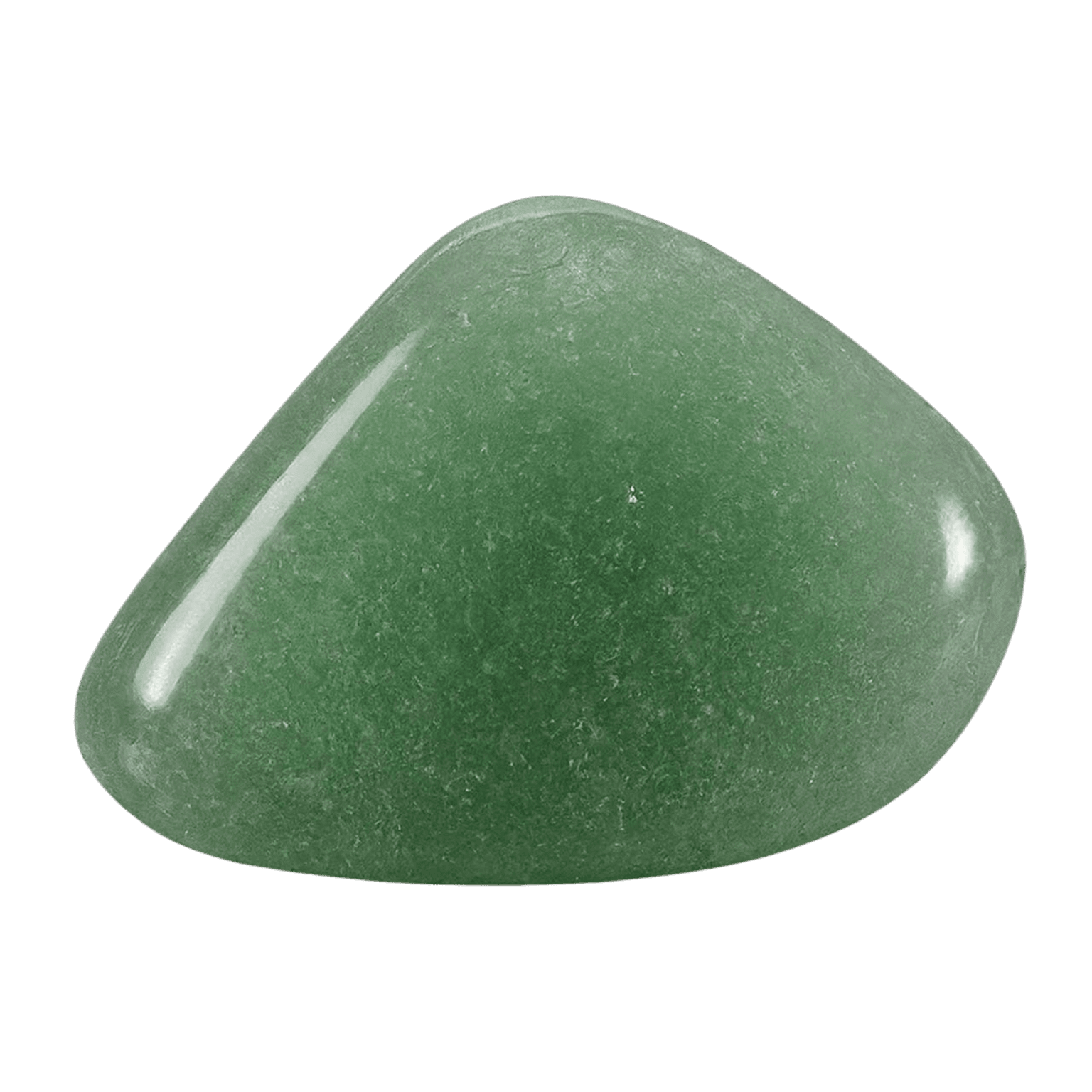
Green Aventurine
Primary nourisher
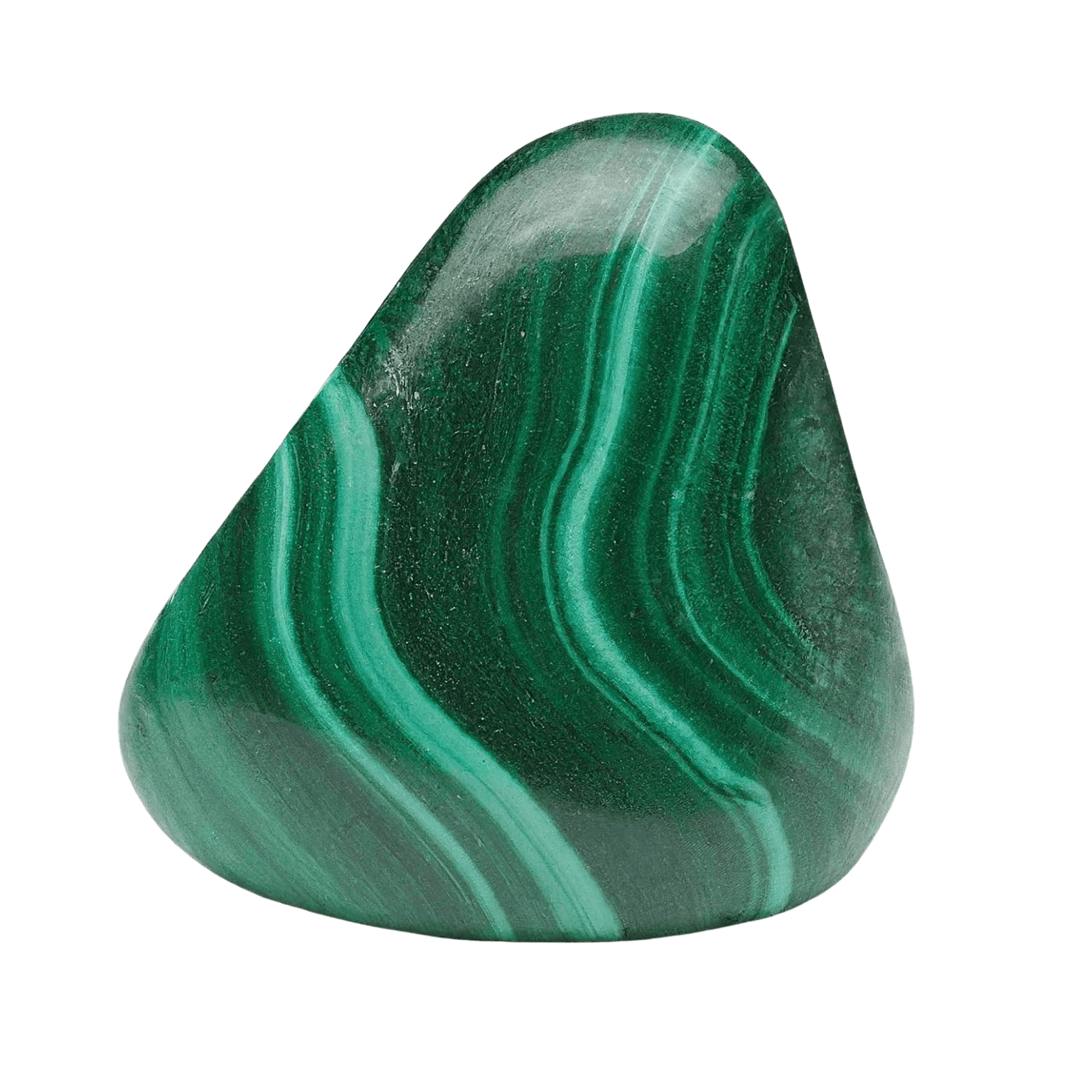
Malachite
Supporting Wood stone
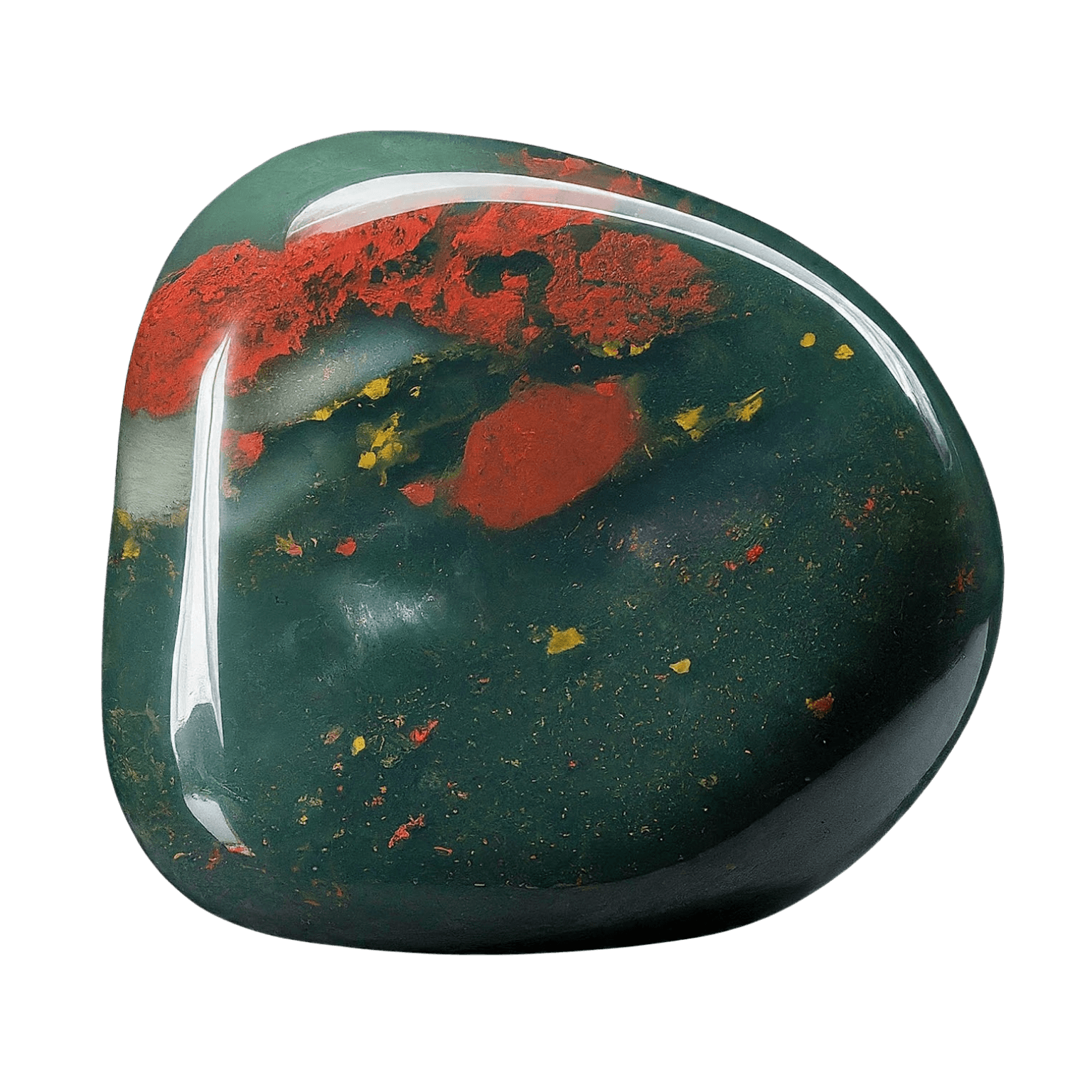
Bloodstone
Anchoring stone
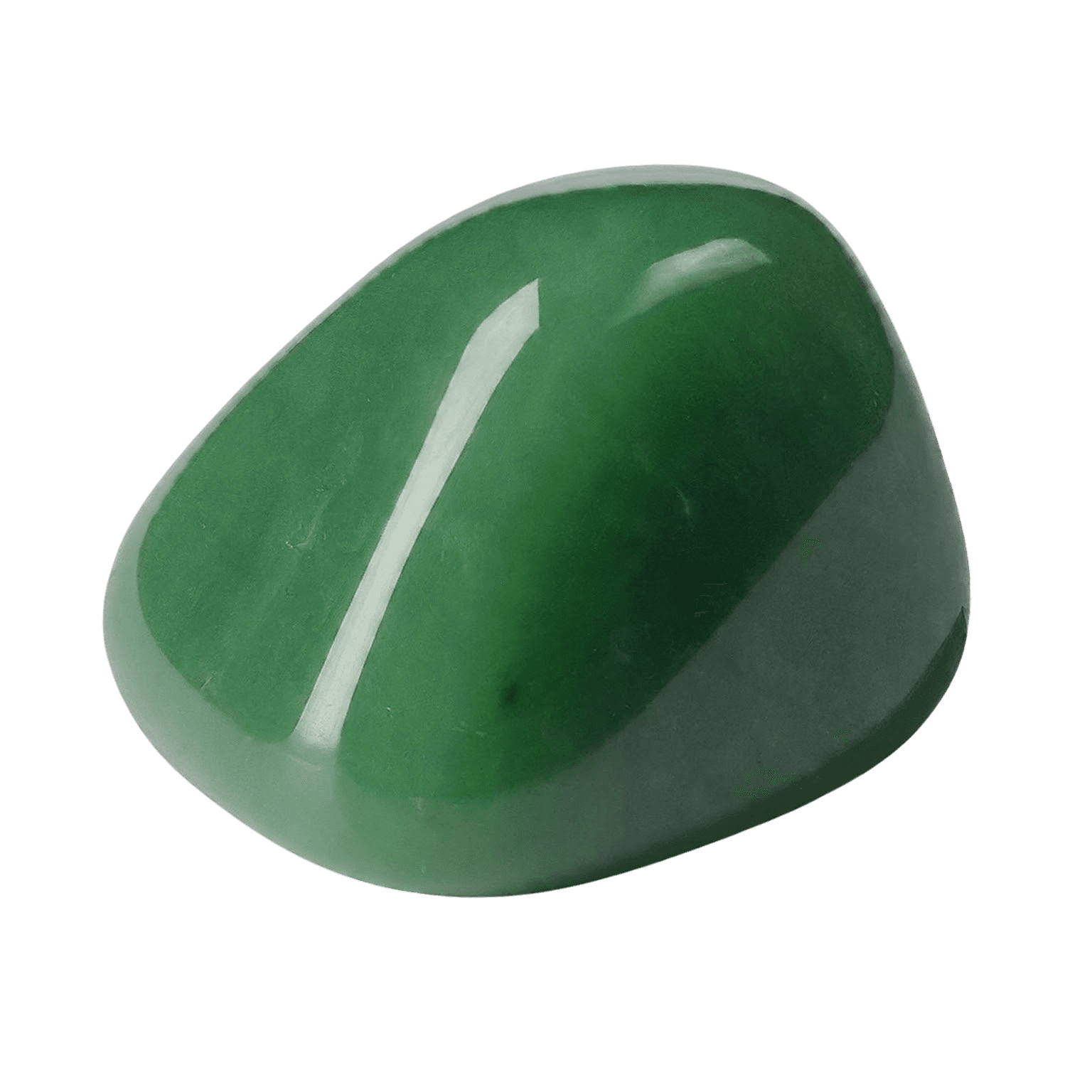
Green Jade
Supporting stone
This kit is being assembled. Join the waitlist and Cassandra will email you the moment it ships.
To work these stones as one arrangement, build a crystal grid for the family and health sector, laid out in sacred geometry and set in the east corner.
What to Avoid in the Family and Health Sector
Joey Yap describes feng shui mistakes in this sector as more consequential than missed opportunities, the right stones in the wrong corner mostly do nothing, but the wrong objects in the right corner can actively block the sector's qi. Classical sources name these specific avoidances:
By Room
The family and health sector behaves differently in different rooms, the classical sources describe each space as having its own qi pattern that interacts with the sector's trigram.
In the bedroom
If the east wall of your bedroom is the family sector, harmonious family photographs and a healthy plant work well. Avoid placing metal headboards or sharp-edged metal art on the east wall, Compass School considers Metal in the family sector disruptive to the Wood qi that supports health.
In the office or workspace
A workspace with the east sector activated benefits from a small plant and, if appropriate, a discreet family photo. Joey Yap describes this as particularly supportive for those whose work directly serves family, caregivers, family-business operators, and educators.
In the living room
The family sector of a living room is the heart of multi-generational gathering. Place comfortable seating, family-themed art, plants, and wooden objects here. Avoid television or screens dominating this sector, they disrupt the gentle Wood qi.
Related Bagua Sectors
The eight Bagua sectors form a unified system, Lillian Too describes the Bagua as a single integrated map where each sector interacts with the others. These are the related sectors most often tended alongside the family and health corner:
About Master Wei Lin
Master Wei Lin (魏霖) is a stylized editorial persona representing a composite of classical Chinese metaphysics scholarship, drawn from Yuan Hai Zi Ping, Zi Ping Zhen Quan, the I-Ching, and the modern lineage of Joey Yap, Master Raymond Lo, Lillian Too, and Stephen Skinner. The content is written for educational reflection, with cultural safeguards: Chinese terms are introduced with 漢字 + pinyin + English, school differences are disclosed, and ritual prescriptions are described historically rather than instructed.
Frequently Asked Questions
Which compass direction is the family sector?
In Compass School Feng Shui, the family sector is due East (東 Dōng). In BTB Feng Shui, the family sector is the center-left wall from the front door entry. Both schools agree the trigram is Zhen (震) and the element is Wood.
Why is the family sector also about health?
The Zhen trigram (震) governs both family and physical vitality in classical Chinese metaphysics, both are aspects of the same root qi. The east sector's Wood element is associated with the spring season and the energy of new growth. Joey Yap describes the east as the sector that carries a household's vitality and momentum.
Should I put photos of deceased family members in this sector?
Classical Compass School practice recommends keeping ancestor photos in a separate ancestor altar (祖先牌位), not in the family sector. The east sector is traditionally for living family vitality. BTB Feng Shui is more flexible, Lin Yun's lineage allows ancestor photos in the family area as long as they're cared for respectfully.
What if my family is estranged, should I still activate this sector?
Yes. The family sector is about cultivating qi for family-aligned values, care, continuity, multi-generational respect, even when specific relationships are difficult. In classical practice, tending the east sector supports one's own capacity for family-style relating, regardless of how the original family functions.
Best plant for the family sector?
The jade plant (Crassula ovata) is the most classical choice, it carries the right Wood qi, is long-lived, and is symbolically tied to Chinese family tradition. Money tree (Pachira aquatica) and lucky bamboo are common modern alternatives.
Share Your Result
Vertical 9:16 format, perfect for Instagram Stories or TikTok. Opens in a new tab; long-press or right-click to save.
Notes from Master Wei Lin
No newsletter and no schedule. Master Wei Lin writes occasionally on BaZi, the five phases and feng shui, with the classical sources named. One reply removes you.
We respect your inbox. Unsubscribe anytime.
Explore More Tools
Kua Number Calculator
Find your personal feng shui directions and trigram.
Open →Chinese Zodiac Calculator
Find your zodiac animal, Wu Xing element, and crystal.
Open →Chinese Metaphysics Hub
Wu Xing, BaZi, Feng Shui, and the 12 Zodiac introduced.
Open →Wealth and Prosperity Sector
The wealth and prosperity sector, southeast corner.
Open →